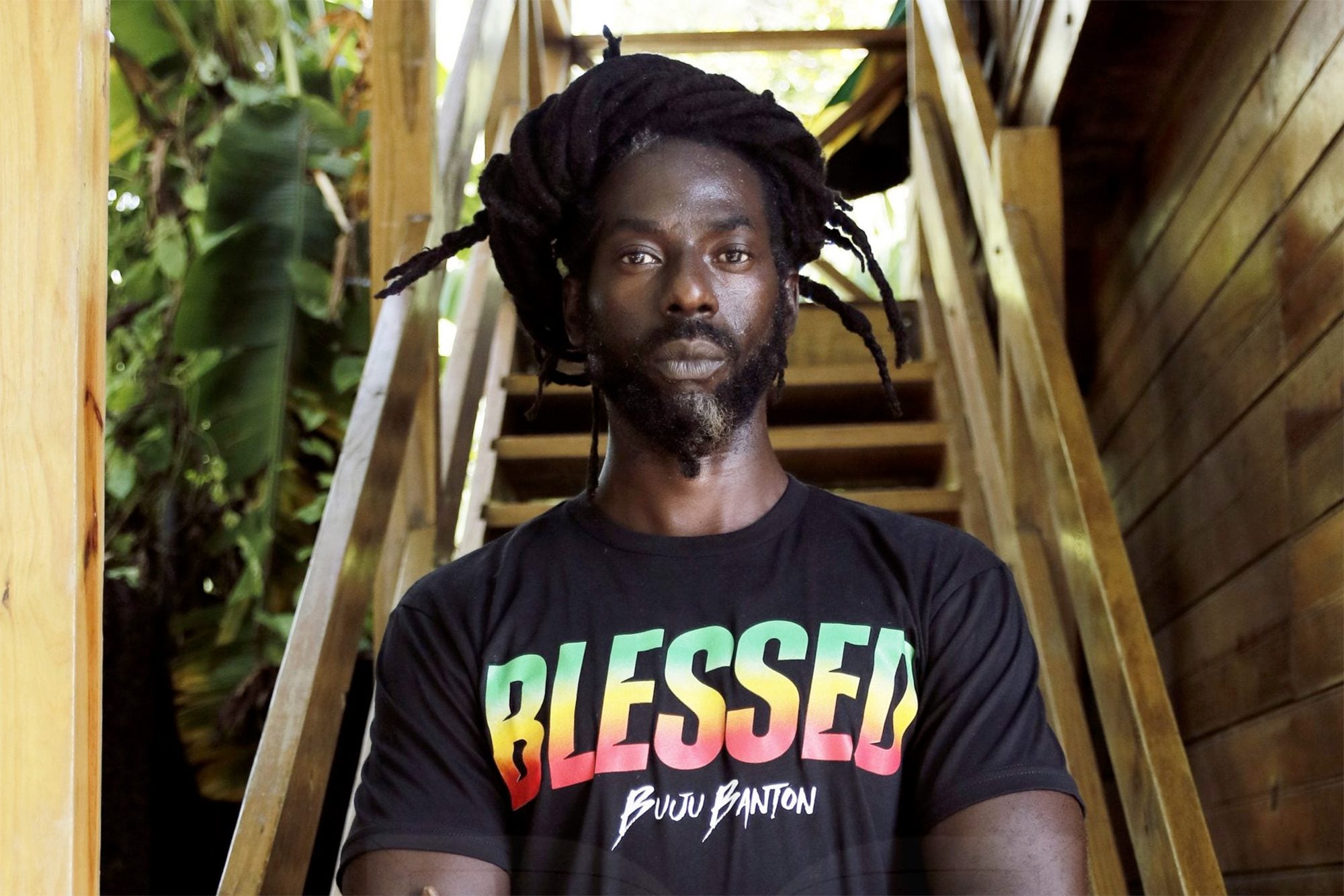

Buju Banton has a clear message for anyone trying to reshape dancehall into something it was never meant to be: the music is free, and it must stay that way. The reggae and dancehall icon is pushing back against what he sees as a fundamental contradiction in the genre’s current direction, taking direct aim at the growing use of the term “trap dancehall.”
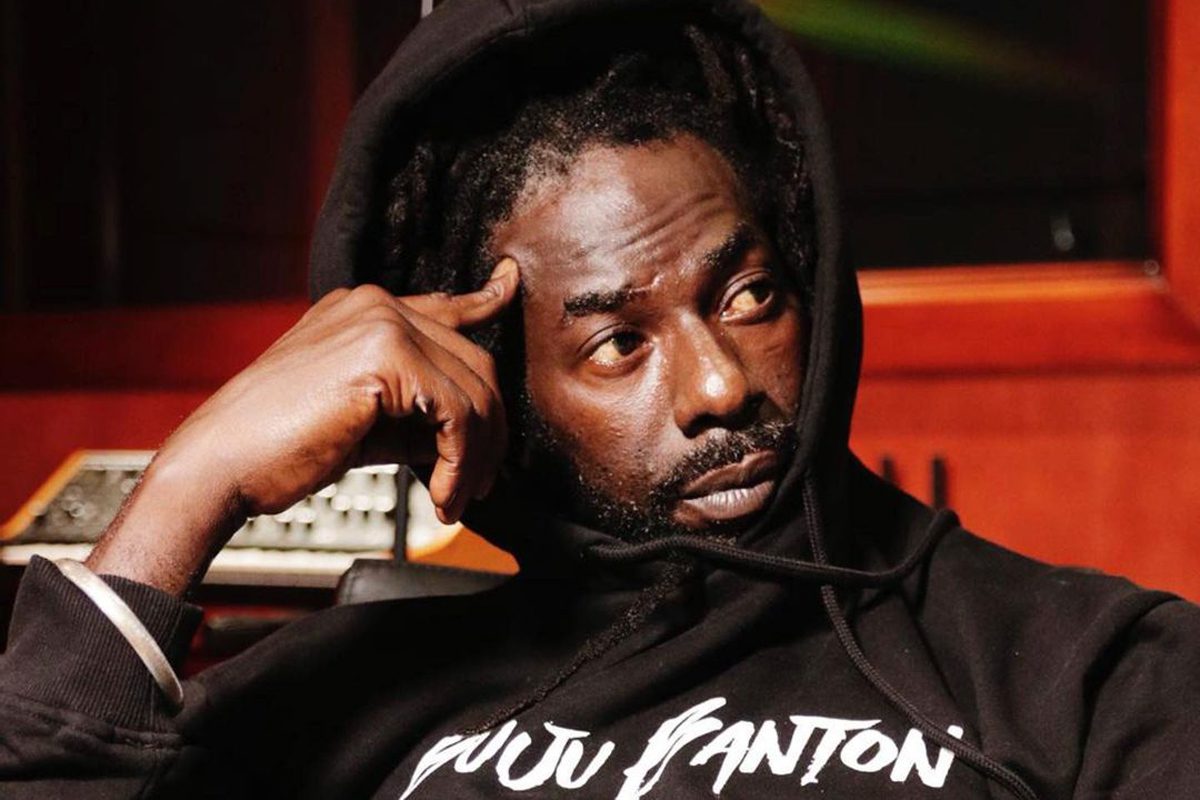
“We have coined a new phrase called trap dancehall,” he said. “Now, our music is free and liberating. This is rebel music. You cannot trap it.” For Buju, the label is not just a branding problem. It represents a threat to the cultural identity of a genre built on liberation. This music is the music that free many people,” he added. “We cannot trap it.”
His concern is not that dancehall should stand still, but that it must not lose its foundation in the process of evolving. “We don’t want to morph into something unrecognizable,” he said, pointing to hip-hop as a parallel example of a genre that has changed significantly while still holding on to its core rhythmic identity.
The relationship between the two genres, he noted, runs deep, stretching back to the 1990s when hip-hop producers actively sought out Jamaican artists to bring something distinct to their records. He cited collaborations involving Shabba Ranks and Super Cat as examples of the groundwork that was laid during that era.
Buju believes that connection has weakened not because the audience stopped wanting it, but because newer artists and producers simply do not feel the same pull toward it. “The people want that vibe and need that energy,” he said.
On the subject of his own craft, Buju is equally deliberate. He described his approach to recording as one that leaves no room for shortcuts. “It’s not just a slam, bam, thank you, ma’am style of situation,” he said. A lot of thought goes into the music that we make for the people.” He spoke about the importance of doing the hard work inside the studio so that the final product can stand up anywhere and to anyone.
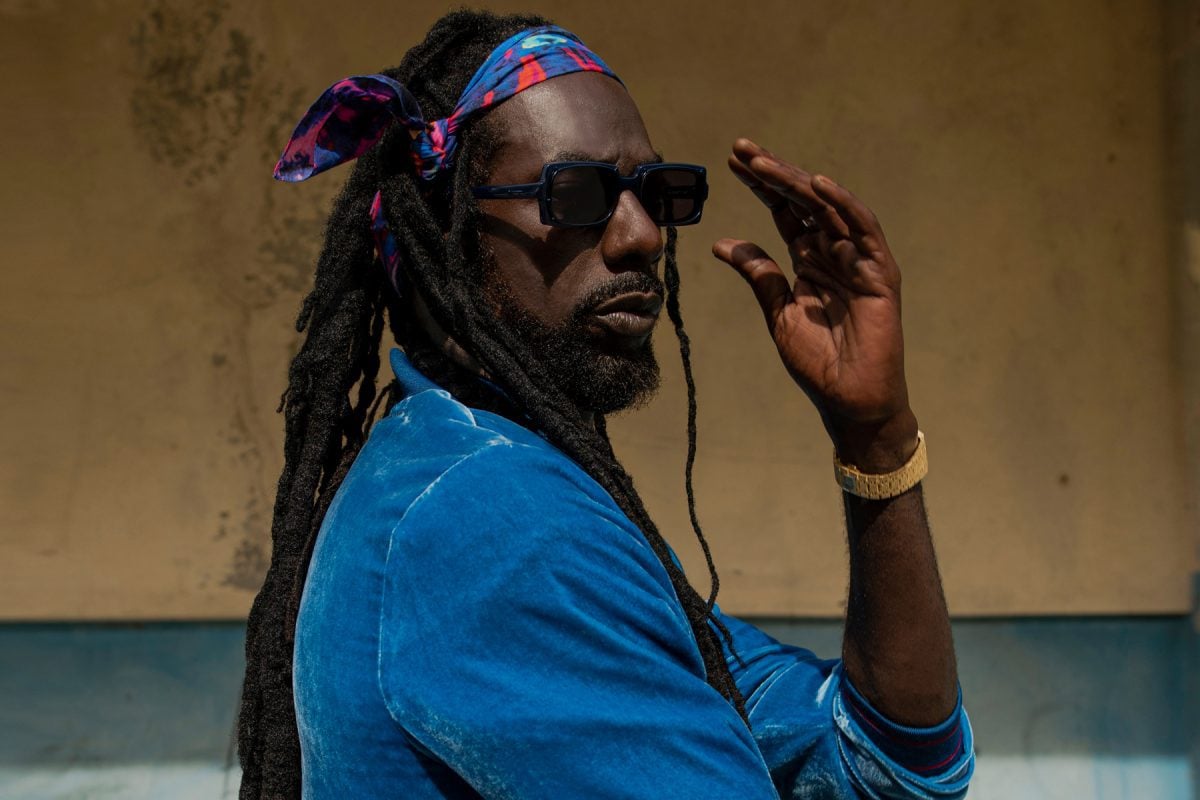
That commitment has translated into a live career that has only grown over time. Buju recalled starting out in rooms of around 200 seats before graduating to venues like Radio City Music Hall and, eventually, two shows in a single night at Madison Square Garden. “We are happy that the music that we make surpass and last the test of time,” he said, “that we can still sound like it’s yesterday it was made.”
His breath control during a recent performance drew widespread attention and praise online, and Buju credited the dancehall environment itself for building that capacity. If you’re in a dancehall and you’re singing and the crowd is with you, you cannot stop that song unless they say pull up,” he explained. That pressure, he said, forces a performer to develop real lung strength and delivery.
Buju’s broader point is one of stewardship. He is not calling for the genre to reject change outright, but insisting that whatever dancehall becomes, it must remain recognizable as dancehall. “The original dancehall must always represent it in whatever we do,” he said, “cuz that’s how we bring our culture forward.”