
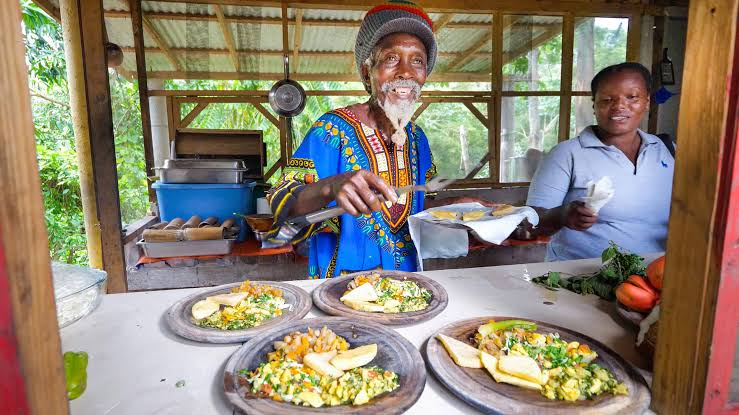

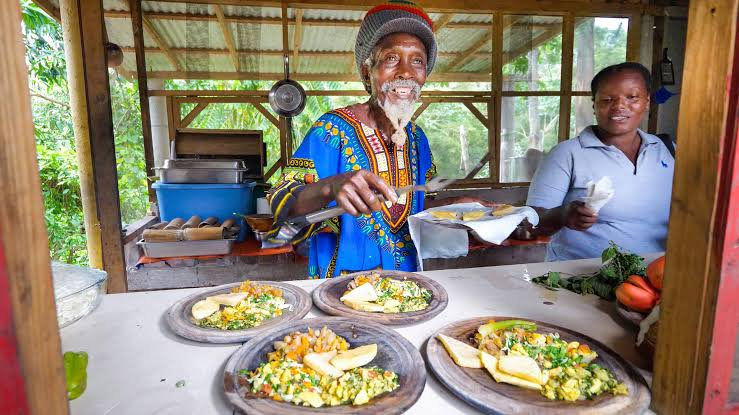
Walk past a roadside stall anywhere from Negril to Kingston and you will smell it before you see it.
Thyme and garlic, a Scotch bonnet breathing heat into a pot of coconut milk, yam and pumpkin softening slowly over the fire.
That is ital cooking, and for many visitors it is their first real taste of Rastafari culture beyond the music.
So, what is ital food? It is the natural, clean, mostly plant-based way of eating that grew out of the Rastafari movement in Jamaica in the 1930s.
It favours fresh, unprocessed produce, usually leaves out meat, and in its strictest form skips salt too.
But ital is more than a menu. It is a philosophy of living, and once you understand it, every bowl starts to tell a story.
Where the Word Comes From
“Ital” folds together “vital” and “I,” the pronoun Rastafari use to express unity between the self, the community and the divine.
Swapping the first letter of a word for “I” is a familiar move in Rasta speech and a quiet act of self-determination. The word carries a simple promise: food that is natural, pure and clean.
That promise connects to “livity,” the Rastafari idea of a way of life that seeks purity, balance and spiritual alignment.
One Rastafari-run publication puts it plainly: ital is food that carries life, not death. Many followers also see what they eat as medicine, building “strucha,” or structure, in the body.
Food as Resistance
Ital was never only about health. In the Rastafari communes of 1930s Jamaica, the diet was a statement.
Strict adherents reject canned, refined and heavily transformed foods, which they call “Babylonian,” a word that ties them to colonialism, capitalism and industrialisation.
The aim was to move away from food brought in by the colonisers and back toward what the land itself provides.

Alexandre Grondeau, founder of reggae.fr, captures the spirit: “For Rastas, preparing their own food means rejecting consumerist society.”
Growing, cooking and sharing your own meal becomes a small daily act of independence, and the practice has since spread far across the African diaspora.
The Rules, and Why They Vary
Rastafari has no central church, so there is no single rulebook. The strictest versions exclude salt, chemicals, flesh, blood, alcohol, cigarettes and drugs, although herbs are not counted as drugs. Pork is especially condemned.
Fish is where the lines blur. Some Rastafari avoid it completely. Others accept it within limits that echo Leviticus 11: small fish under a foot long, always with scales, and never shellfish. Salt divides people too.
Traditionalists see it as impure, while others use a little. Some cooks avoid aluminium pots altogether and prefer clay.
Plenty of people keep a moderate ital, eating mostly plants and keeping processed food to a minimum, so do not be surprised if one cook’s rules differ from the next.
Ital Is Not Just Vegan
It is easy to file ital under vegan, but the two are not the same. Ital is defined by Rastafari ideas of life and purity, not just by the absence of animal products.
A vegan might happily eat a processed meat-free burger. A strict ital cook would not, because that burger is exactly the kind of factory-made food the diet sets out to avoid.
What You Will Find on the Plate
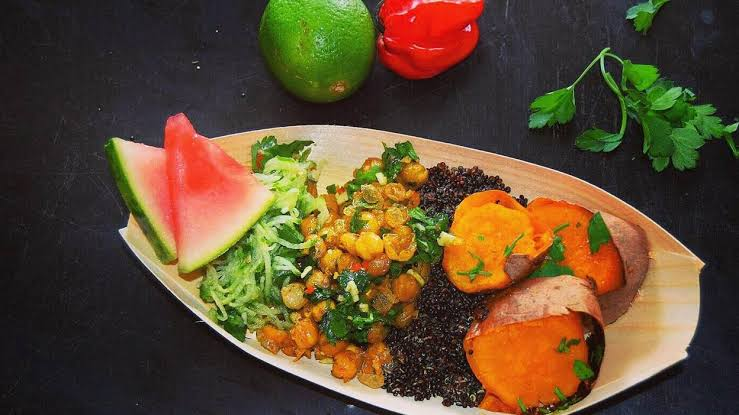
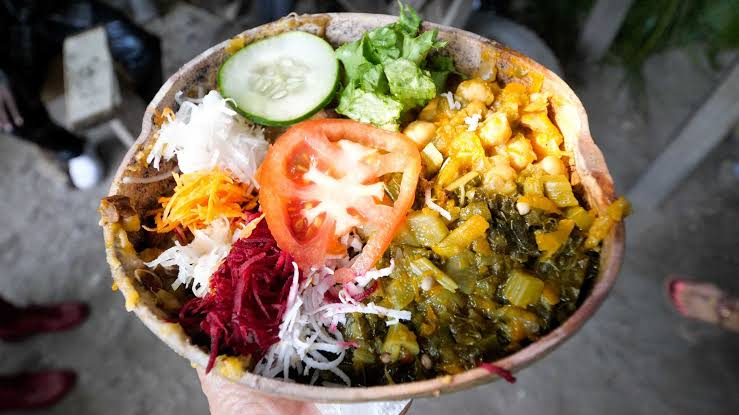
Expect yam, green banana, legumes, leafy greens like spinach and callaloo, broccoli, and plenty of nuts and seeds such as peanuts and almonds. Raw food is a newer branch of the tradition and shows up at some modern spots.
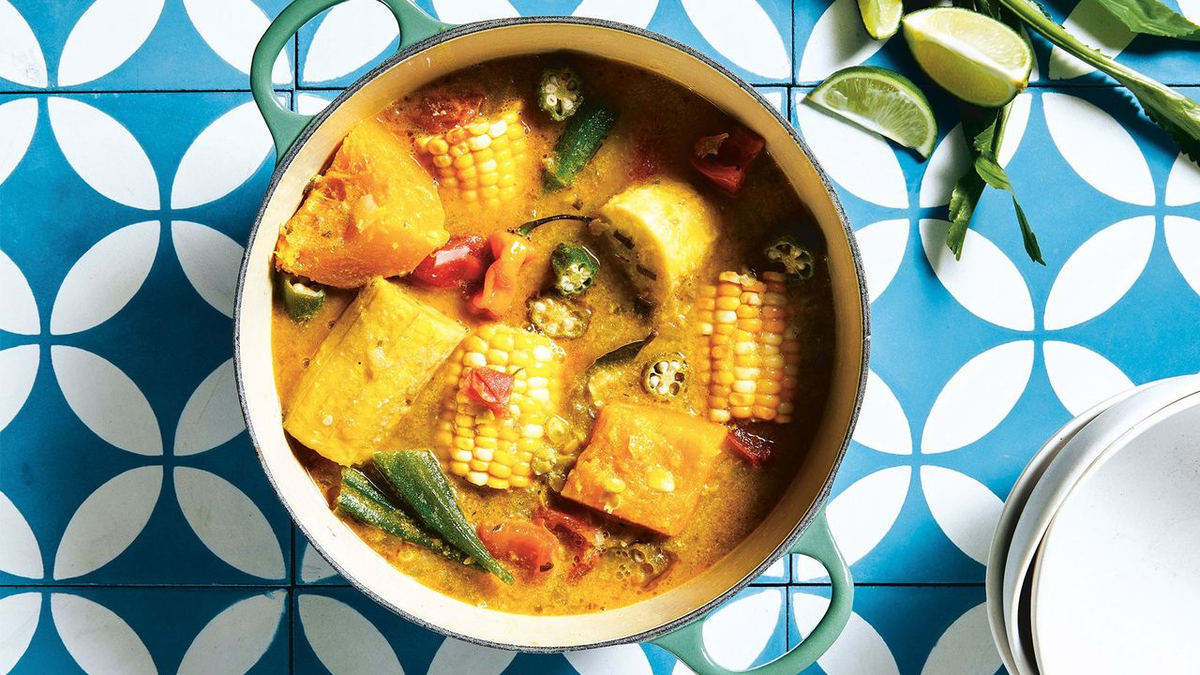
The signature dish is ital stew: a one-pot simmer of root vegetables, herbs and spices in coconut milk, often with beans or lentils, perfumed with thyme, garlic and Scotch bonnet.
Strict cooks skip salt and lean harder on herbs, while others add a pinch of minimally processed sea salt. Do not mistake it for run down or oil down.
Those are also coconut-milk stews, but they are built on salted meat or fish, so they fall outside ital. Wash it all down with Irish moss, the thick, creamy seaweed drink that belongs firmly in the ital kitchen.
Where to Eat Ital in Jamaica
The capital offers the widest range. Mi’ Hungry goes fully raw, and its pizza swaps dough for a nut crust topped with Scotch bonnet.
King David Ital Rastaurant on Constant Spring Road pairs ital meals and fresh juices with a sound system mood. It also sells Red Stripe, a reminder that not every ital spot follows the strictest code.
House of Dread is a hidden spot with deep roots in Kingston’s Rastafari community, and Dub Club brings ital food together with views and reggae.
In Westgate Shopping Mall, Adwa Nutrition for Life has served an ackee patty that is worth hunting down. Zion Hill Ital Restaurant is a local favourite.
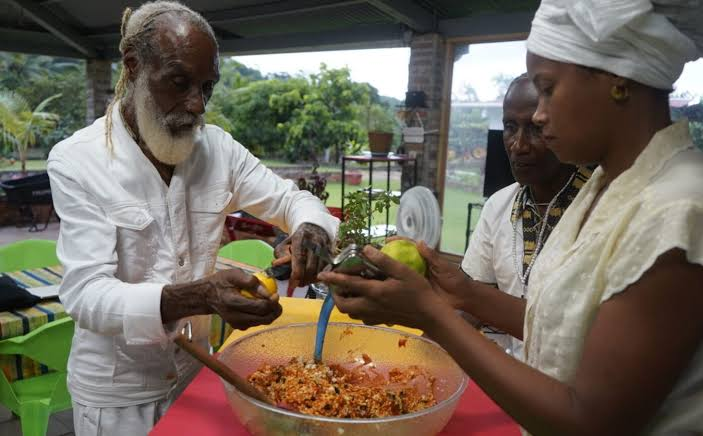
Ras Rody’s is a roadside stand that heaps plates high with traditional ital food. Along Norman Manley Boulevard, Reggae Man Vegetarian Restaurant, known to many as Rasta Carl’s, is another stop on the strip.
Calabash Ital Restaurant on James Avenue combines a kitchen with a juice bar and farmer’s market. Reggae Pot Rastarant sits on Main Street.
On the quieter south coast, Jakes serves ital stew at its seaside restaurant, ideal with the sound of the waves.
Tips for Eating Ital as a Visitor
Some of the best meals you will find come from small, family-run roadside stalls rather than restaurants, so follow your nose and the queue. Hours at smaller spots can change without notice, so check ahead before making a long trip.
Ask the cook about their approach, whether they use salt, whether fish is ever on the menu, and what is fresh that day.
Most will be glad to explain. Be patient, too. Food cooked from scratch in a single pot takes its time, and that is the point.
Why Ital Still Matters
Ital food began as a rebellion on a plate, a way for early Rastafari to step outside Babylon and live by their own values.
Nearly a century later, it still carries that message, even as raw kitchens and juice bars give the tradition new forms.
For visitors, it offers a direct line into the same culture that gave the world roots reggae: grounded, spiritual and fiercely independent.
Sit down at a roadside stand, take a spoonful of stew rich with coconut and Scotch bonnet, and you are tasting a philosophy as much as a meal. That is what makes ital worth seeking out.