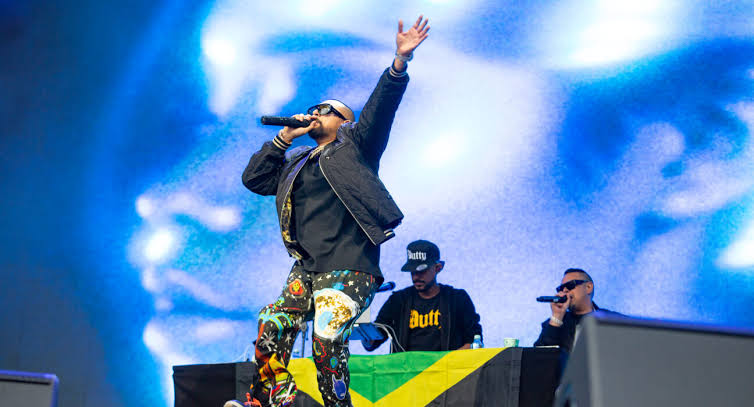

Reggae has never owned American pop radio, but every so often a riddim slips through the door and takes over the whole house.
The story of reggae Billboard number ones runs from Johnny Nash in 1972 to OMI in 2015. It is a little more than a dozen Hot 100 chart-toppers built on offbeat guitar, bubbling keys and Jamaican swagger.
Some were sung by Jamaicans, and plenty came from outsiders who fell hard for the sound.
Here is the full timeline, era by era, plus the near-misses and the Reggae Albums chart, where one record has held the throne for decades.
Purists will argue about what counts as reggae, from pop covers to dancehall crossovers. That argument is half the fun.
The 1970s: Opening the Door
Sunshine in a song. Backed by the Jamaican group Fabulous Five Inc., the Texas singer reached No. 1 on November 4, 1972, and stayed for four weeks while also topping the adult contemporary chart.
The single sold over a million copies, and Allmusic’s Ed Hogan credits it with doing more to bring reggae into the mainstream than any single before it.
Three Dog Night had topped the chart that September with a version of the Maytones’ “Black and White,” but Nash usually gets the crown. Bob Marley was less impressed: “He’s a nice guy, but he doesn’t know what reggae is.
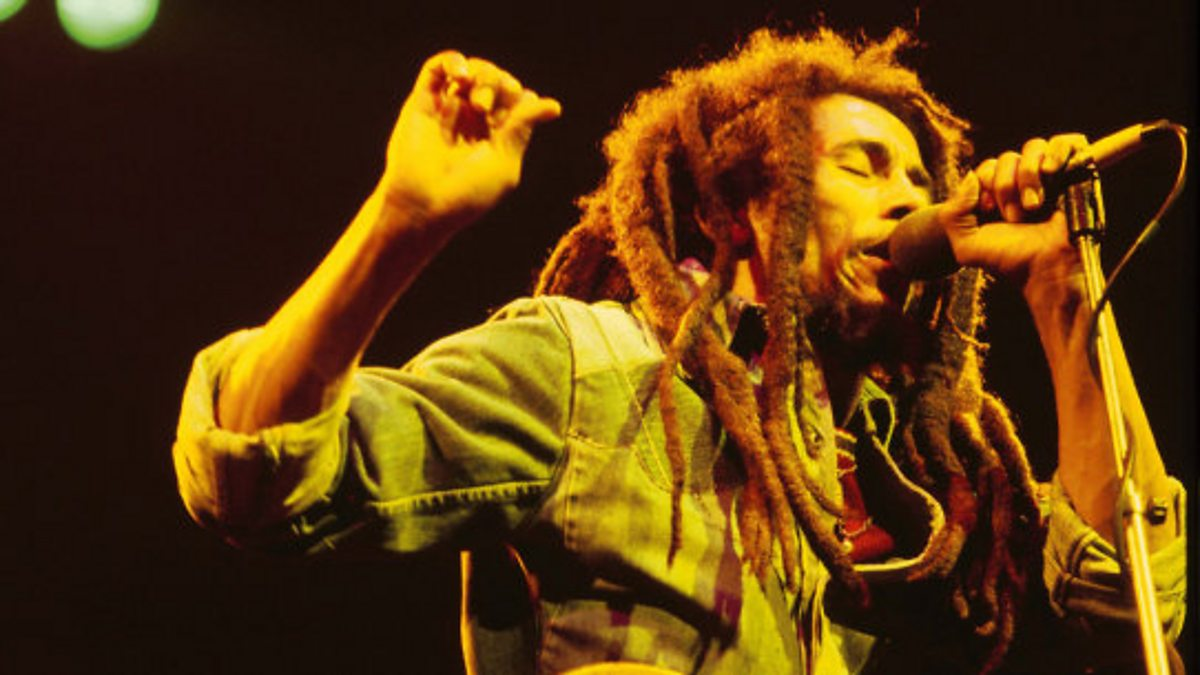
Marley’s songwriting reached the top before Marley himself ever did. Clapton’s laid-back cover of the Wailers song became the second reggae No. 1, spending one week on top.
It introduced a generation of rock fans to Marley’s name, which made it a gateway record whether the purists liked it or not.
The 1980s and 1990s: Covers, Toasters and a Hotstepper
This one took the long road. UB40’s version first charted in 1984, stalled outside the top 25, then re-entered and hit No. 1 for a week in October 1988.
It is technically a Neil Diamond song. Robin Campbell later said the band never knew that version and only knew Tony Tribe’s dub-reggae take.
The lead single from Bonafide reached No. 1 on October 6, 1990. Priest cut it in Jamaica with Sly Dunbar, Geoffrey Chung and Handel Tucker, though he admitted the song started out “more like soul than reggae.” It remains his only Hot 100 No. 1. “I was in tears as I called my brothers and sisters,” he recalled.
A Toronto rapper with a rapid-fire toasting flow spent seven straight weeks at No. 1 in spring 1993. 12 Inches of Snow was released while he was in prison.
Guinness recognised “Informer” as both the best-selling and highest-charting reggae single in US history, and it topped the charts in 11 other countries. The follow-up stalled at No. 19.
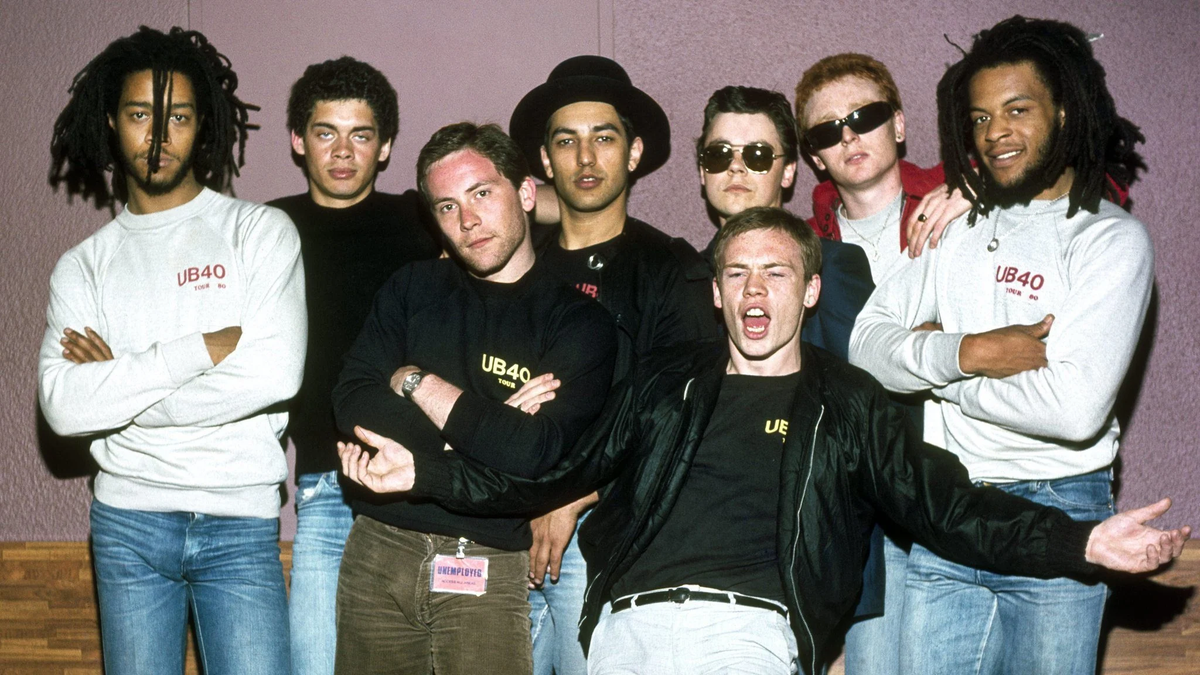
That summer UB40 smoothed out an Elvis classic for the Sliver soundtrack and held No. 1 for seven weeks. It made them the first act with two reggae No. 1s on the Hot 100.
The Kingston native sparked a label bidding war as his gruff, swaggering anthem climbed, then hit No. 1 on December 17, 1994, for two weeks. It remains his biggest hit, and it still detonates any dance the second the hook drops.
The 2000s: Dancehall Takes Over
The best comedy sketch ever set to a riddim reached No. 1 on February 3, 2001, for two weeks. From Hot Shot, it went 5x Platinum in the UK.
Shaggy doubled up weeks later. “Angel” took No. 1 on the chart dated March 31, 2001, edging Crazy Town’s “Butterfly” by just two points, reportedly the narrowest gap since digital tracking began in 1985.
The Dutty Rock era arrived. “Get Busy” held No. 1 for three weeks, and Dutty Rock won the Grammy for Best Reggae Album.
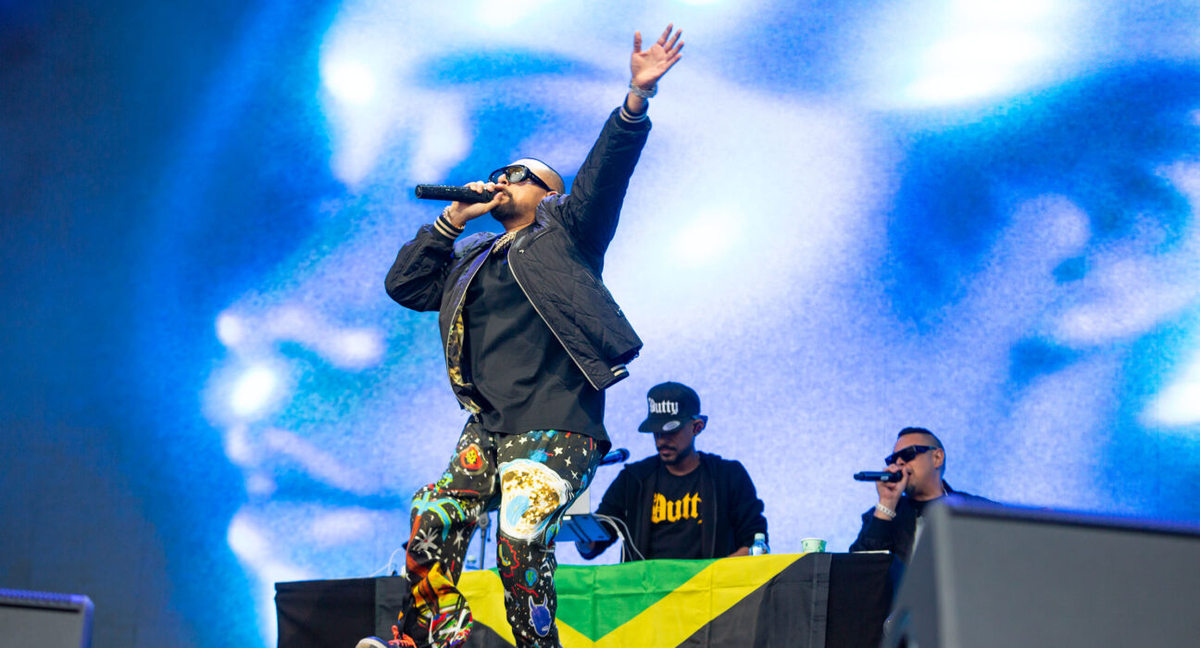
Sean Paul also topped the chart alongside Beyoncé on “Baby Boy,” which put a Jamaican deejay at the centre of American pop.
His third US No. 1 replaced Ne-Yo’s “So Sick” on April 1, 2006. It spent 17 weeks in the top 10, finished second on the year-end chart and went 3x Platinum.
The Jamaican-American teen flipped a doo-wop melody into a summer smash. It reached No. 1 on August 11, 2007, for four weeks, and did the same in the UK.
The 2010s: The Summer Songs
After a seven-year drought, the Toronto group knocked off Iggy Azalea’s “Fancy” and stayed six weeks. Slate’s verdict on reggae’s chart history at the time: “we could, and should, have done better.”
On July 25, 2015, OMI ended the 12-week run of “See You Again.” The 20-year-old Jaehn built his tropical-house remix from the vocals and a trumpet line sent over WhatsApp.
It logged six weeks on top, went 3x Platinum and made OMI the fifth Jamaican to top the Hot 100, a line that began with Carl Douglas and “Kung Fu Fighting” in 1974. “I’m excited to be here holding the number one spot,” he said.
Near-Misses and Other Billboard Crowns
Desmond Dekker’s “Israelites” peaked at No. 9 in June 1969, close enough to open the door. Shaggy’s “Boombastic” stopped at No. 3 on the Hot 100 in 1995 but ruled the Hot R&B Singles chart.
Stevie Wonder’s “Boogie On Reggae Woman” topped the Hot Soul Singles chart on December 28, 1974.
The Reggae Albums Chart
Launched on February 5, 1994, the Reggae Albums chart was cut to 10 slots in 2020 and expanded back to 15 with the chart dated October 31, 2026.
Bob Marley and the Wailers’ Legend has logged 356 non-consecutive weeks at No. 1. Stick Figure’s Wisdom managed to dislodge it for a single week.
Marley holds 12 No. 1 albums, Shaggy and Beenie Man six each, and Sean Paul four. Vybz Kartel is still waiting, with The King of the Dancehall peaking at No. 2 in 2016.
Why the Count Still Matters
Line up every reggae chart-topper and you can hear the music’s American story told in miniature.
First came the outsiders and the covers, then the Jamaican voices pushing through, with Kamoze, Shaggy, Sean Paul and OMI proving that patois and a hard riddim could rule Top 40 radio.
The list is short, and some entries will always start an argument. Every one of them, though, sent new listeners back toward Kingston, toward the sound systems and studios where it all began. The next one is overdue.