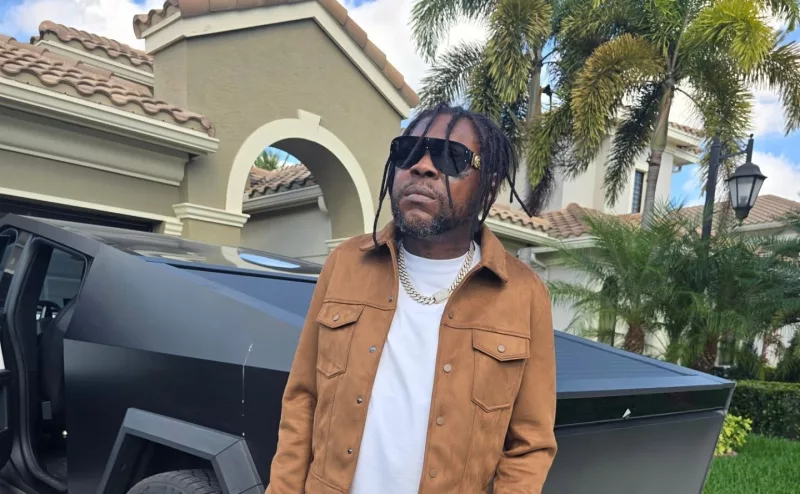


Peedi Picasso says he’d take the deal today. The Aristokrat Records CEO, who turned down Burna Boy’s request for an 85/15 revenue split in the singer’s favour, now admits the terms he once called unworkable look very different with hindsight.
“Today I will take the 85/15 per cent now, but back then, it didn’t make any sense,” he said. That’s quite the confession from the man who let one of Africa’s biggest exports walk out the door.
Picasso, whose real name is Piriye Isokrari, opened up on the split in comments reported by Benjamin Njoku on November 28, 2026.
According to him, Burna Boy’s previous contract with Aristokrat already gave the singer 60 per cent, with the label keeping 40.
The renewal talks pushed that gap much wider. Picasso said Burna Boy wanted 80/20 or 85/15, and from where the label sat at the time, the numbers simply didn’t add up.
His reasoning comes down to where the money was actually coming from. Record sales weren’t bringing in much, Picasso explained, so live shows and endorsement deals were doing the heavy lifting.
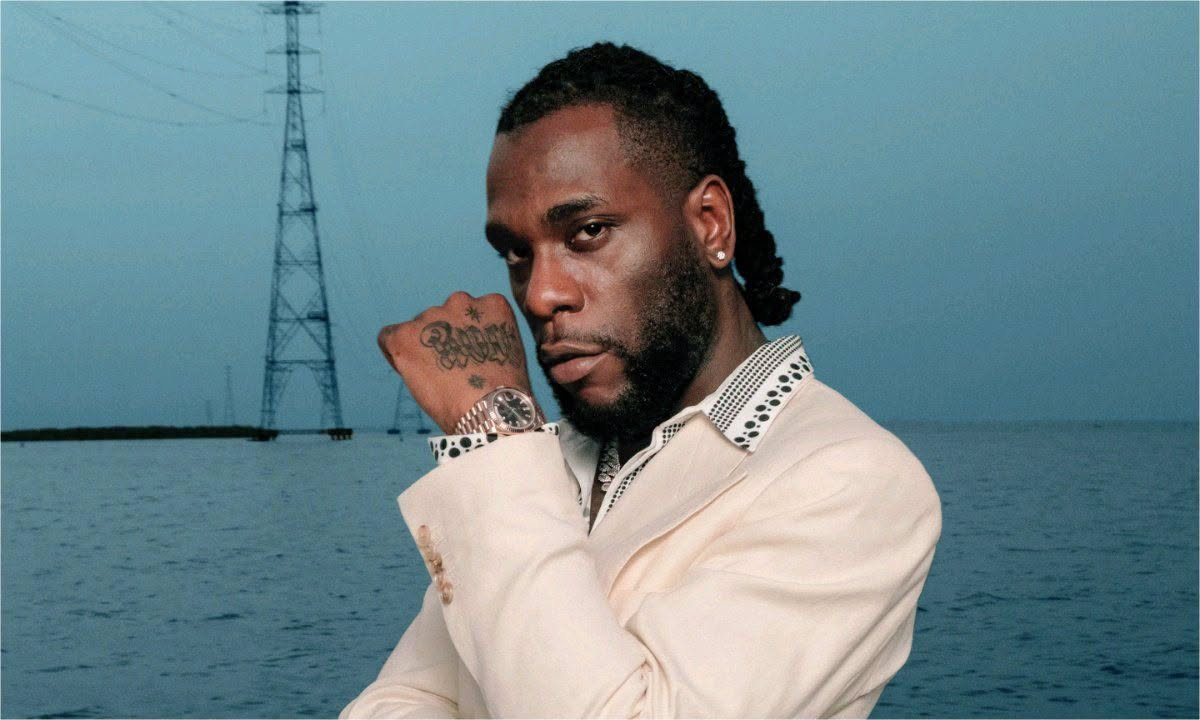
Under the old agreement, Burna Boy already took the larger share of performance earnings because he was the one on stage.
Shrinking the label’s cut further would have left Aristokrat with a sliver of the income while still footing the bill for everything it was investing in the artist.
Then there’s the contract length. Picasso revealed that Burna Boy’s mother, Bose Ogulu, who has long managed his career, insisted he should only sign deals lasting two years.
That condition weighed heavily on the label’s decision. Picasso said it was hard to justify giving up so much revenue for another short contract with no long term commitment attached.
From the artist’s side, though, the logic looks pretty different. A young star who was already filling venues and landing endorsements had every reason to want a bigger slice of what he was generating, and keeping contracts short gave his team room to move if things didn’t work out.
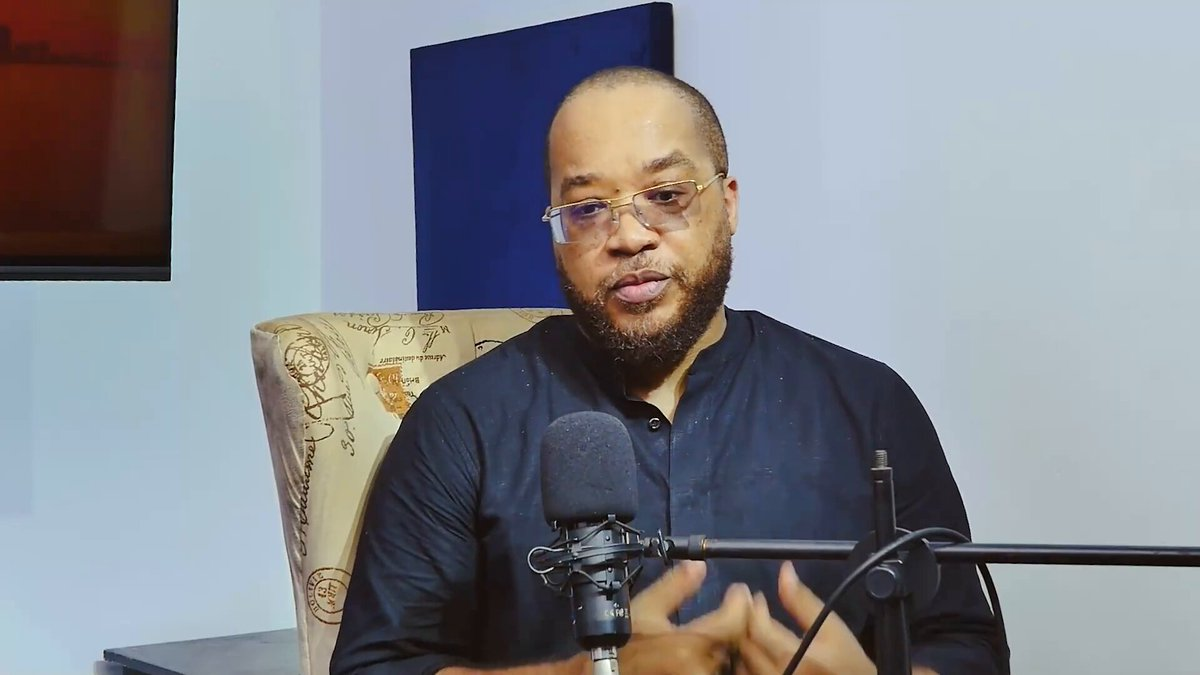
Burna Boy’s run with Aristokrat produced his early breakout, including the 2012 single “Like to Party” and his 2013 debut album L.I.F.E.
After parting ways with the label, he went on to build his own Spaceship imprint and sign with Atlantic Records, eventually winning the Grammy for Best Global Music Album with Twice as Tall in 2021.
That trajectory is exactly why Picasso’s comments are landing the way they are. Plenty of fans will read this as a label boss quietly acknowledging he misjudged what Burna Boy would become.
Others will see a reasonable business call made with the information available at the time, when streaming hadn’t yet reshaped how Nigerian artists earned. What we haven’t heard yet is Burna Boy’s own account of how those negotiations went down.