

Ask a dancehall fan about Rodney Price and you might get a blank stare. Say Bounty Killer and the whole room starts chanting.
That gap between birth certificate and stage name holds some of the best stories in Jamaican music, because dancehall aliases have always been more than branding. They are armour, inside jokes, tributes to mentors and sometimes scars turned into swagger.
What follows is a roll call of the real names behind the music’s best known stage names. It runs from the sound system mike men of the early 1980s to the St Thomas deejays shaping the timeline today.
Some names were handed down by friends, some were earned on a football field, and at least one was chosen in a hospital bed.
Before the Stars: Mike Men and Movie Names
The word dancehall started as a place. The Gleaner traces the genre’s name to the physical dance spaces of the 1950s, while the modern sound is usually dated from 1983.
In those yards the person on the microphone often answered to whatever the crowd called him. Killamanjaro, for example, began as a sound system whose mike man was known simply as “Oh Lord.”
Film was another rich source. Deejays of the early 1980s commonly named themselves after movie stars and characters, and Richard Patrick Bennett had been called after the silent comedian since his youth, so Charlie Chaplin it was.
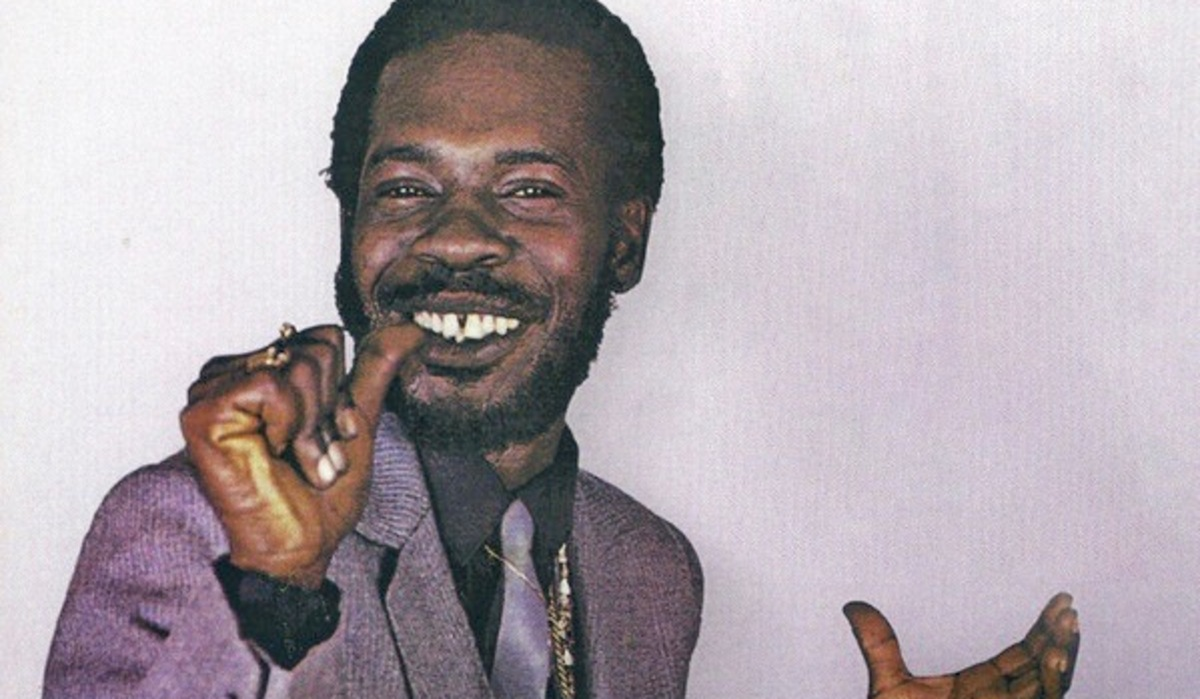
Earlando Arrington Neil (1957 to 1994) reportedly kept turning up to shows ahead of everyone else. He became “Early Bird,” which was soon trimmed to Early B. Robert Russell, born in 1957, became Brigadier Jerry, a deejay so revered he also answers to “The General.”
The era’s roll call continues with Yellowman, born Winston Foster; Johnny Osbourne, born Errol Osbourne; and Little John, born John McMorris.
The Late Eighties and Early Nineties: Ranks, Gorgons and a Dancer Named for a Hero
As digital riddims took over, the names got harder. Shabba Ranks was born Rexton Rawlston Fernando Gordon.
Desmond John Ballentine, born on 20 January 1966 in Annotto Bay, became Ninjaman and later crowned himself Don Gorgon. Janice Fyffe, born on 7 May 1968, cut through a male-dominated field as Lady G.
On the dancefloor, Gerald Levy (1964 to 2005) borrowed his name from National Hero Paul Bogle and turned Bogle into a dance move, a title and a legacy. Fans also knew him as Mr Bogle, Father Bogle and Mr Wacky.
The Nineties Titans
No dancehall name has a heavier backstory than Bounty Killer’s.
Rodney Basil Price was born on 12 June 1972. At 14 he was hit by a stray bullet during a gunfight between rival political factions, and he chose the name while recovering in hospital. The boy who survived became the Warlord.
His great rival, Anthony Moses Davis, was born on 22 August 1973. As a child prodigy among grown men, he was reportedly the “smallest little man” in the room, and the name Beenie Man stuck long after he outgrew it.
Along the way he has also been Ras Moses, The Doctor and The Girls Dem Sugar. O’Neil Norman Bryan was born on 11 September 1975 in Seaview Gardens, Kingston.
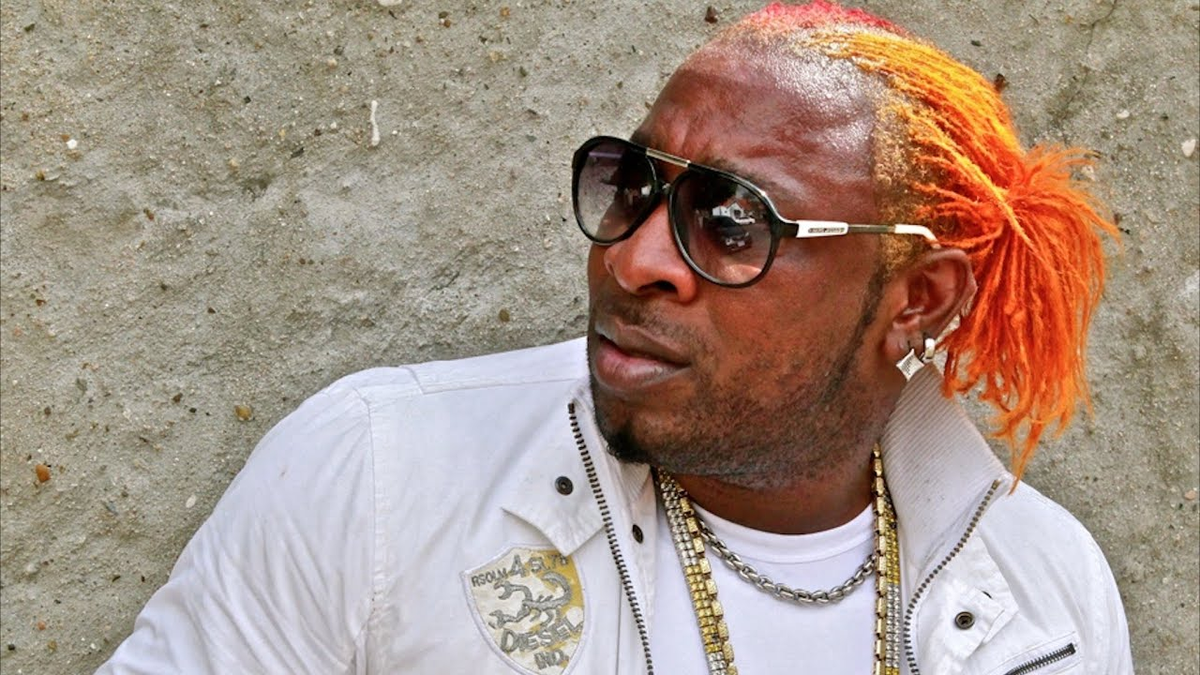
His big ears earned him the childhood nickname “Dumbo,” which grew into Elephant Man. He came up through Bounty Killer’s Scare Dem Crew before rebranding himself the Energy God.
Marion Hall, born on 12 July 1972, became Lady Saw, said to be the first female deejay to win a Grammy.
Sean Paul barely altered anything: he was born Sean Paul Francis Henriques on 9 January 1973.
Sizzla Kalonji is Miguel Orlando Collins, and Ce’Cile is Cecile Charlton, born on 24 February 1974 in Manchester, Jamaica.
The 2000s: Alliance Days and a Famous Respelling
Adidja Azim Palmer was born on 7 January 1976 in Portmore. In 1996 he formed a trio called Vibes Cartel with Mr. Lee and Escobar.
When the group split, he kept the name and changed one letter, and Vybz Kartel was born. Bounty Killer claimed credit for that change in a 2019 Instagram post.
Other acts were already using “Cartel,” he said, so his protégé needed his own spelling. Kartel was an early member of The Alliance, which Bounty founded in 2003, and he left in 2006.
Before all that, he reportedly recorded as Adi Banton, a nod to his mentor Buju Banton. Later he became the Teacher and the World Boss.
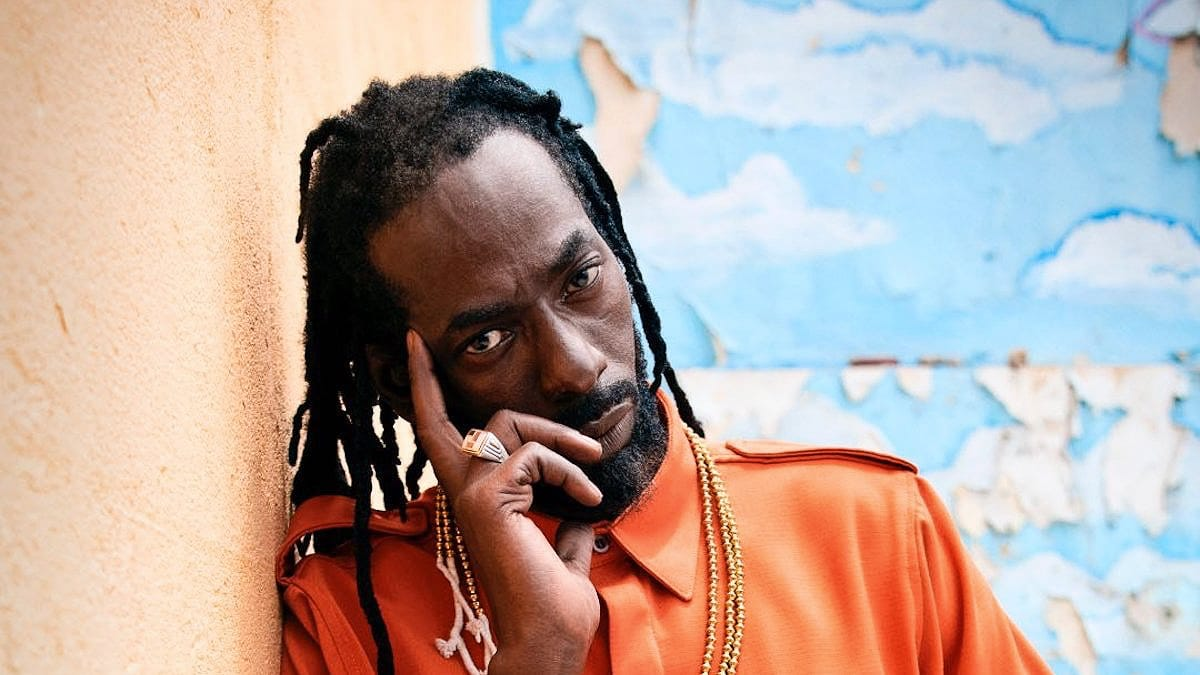
The Gully side had a story of its own. David Constantine Brooks reportedly named himself after the Swiss watch brand Movado, and his manager Julian Jones-Griffith tweaked the spelling to Mavado.
Sheldon Aitana Ricardo Lawrence built Aidonia from the first two letters of his middle name and “Donia,” a name he earned playing football.
The decade’s roster also includes Busy Signal, born Reanno Devon Gordon; Spice, born Grace Latoya Hamilton; Bugle, born Roy Thompson; Booba Starr, born Dane Salmon on 6 November 1984; and I-Octane, born Byiome Muir on 29 April 1984 in Clarendon.
On the reggae side, Siccature Alcock, born on 11 October 1978 in Hanover, sings as Jah Cure. Shauna McKenzie took Etana, a name said to mean “the strong one.”
Jamar Rolando McNaughton started out as “Little Chronicle,” a junior tag inherited from his father, the singer Chronicle, until friends renamed him Chronixx. Andrae Hugh Sutherland carried St Thomas into the mainstream as Popcaan.
The New School: Born in the Nineties, Raised on the Feud
The current generation grew up with these names and the rivalries attached to them.
Alkaline, born Earlan Bartley on 19 December 1993, is just 15 days younger than Masicka, who was born on 4 December 1993. The two have traded lyrics for years without ever meeting in a clash.
Emwah Warmington, born on 23 December 1996 in St Thomas, records as Skillibeng.
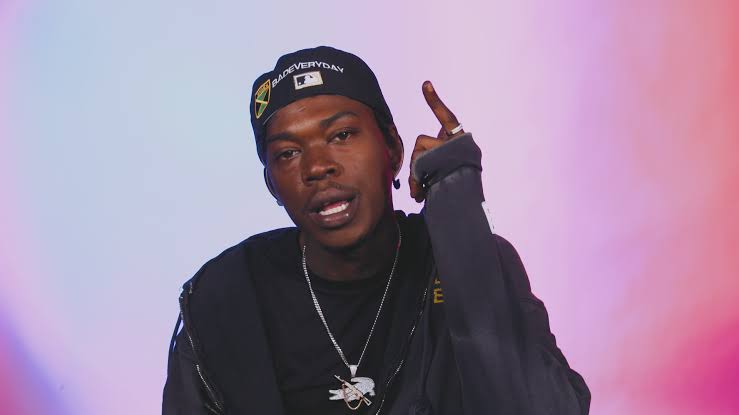
In 2026 he was still firing shots: “Zapper,” aimed at Masicka and Intence, landed on 22 August, and “Big Gl*ck” followed on 30 August.
The influence of these names now reaches well beyond Jamaica. In Ghana, Charles Nii Armah Mensah Jnr built an afro-dancehall empire as Shatta Wale.
Why the Names Stick
Strip away the aliases and you get a list of ordinary Jamaican names: Rodney, Anthony, Marion, Grace, Adidja. Put the aliases back and you get a history of the music itself.
That history runs from movie-house nicknames in the early 1980s, through a teenager’s survival story and a protégé’s respelled crew name, to a new wave of St Thomas deejays.
In dancehall, a name is the first bar of a song you haven’t heard yet. It tells the crowd who you think you are and dares them to agree.
That is why fans still say Killer, Beenie, Kartel and Saw with the kind of familiarity usually kept for family. The real names belong to the artists. The stage names belong to the dance.