

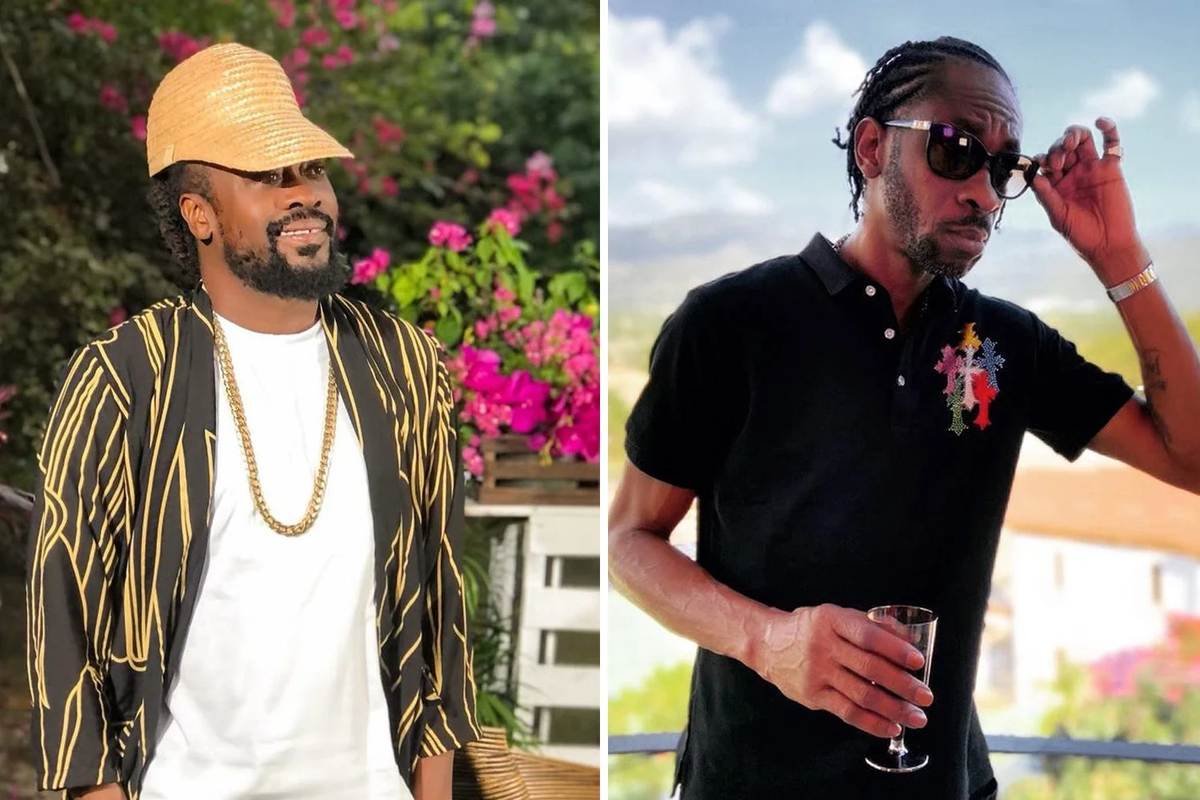
Two youths from inner-city Kingston. One stage at Sting. One microphone each and a crowd ready to crown somebody.
The story of Beenie Man vs Bounty Killer starts there, in December 1993, and it has never really stopped being told.
It moved through the dub plates and sound system wars of the nineties, survived a love triangle, and arrived at a 2020 Verzuz broadcast that pulled the whole world into a Jamaican yard.
What makes this rivalry special is not only how long it has lasted but how it ended up. The Doctor and the Warlord went from trading accusations of stolen style to sitting side by side as elder statesmen.
Here is the timeline of dancehall’s longest feud, from first clash to catalogue showdown.
1993: The Clash That Made Two Kings
Beenie Man had real momentum after Reggae Sunsplash in 1992, and by the following year the tension with Bounty Killer was out in the open. The charge was simple and personal.
Bounty felt the younger deejay was borrowing his style and catch phrases. Years later he put it bluntly, saying Beenie would “pirate my style and acting like it is his.”
The two met at Sting 1993, barely out of their teens. Beenie Man remembers being mid-performance when Bounty walked onto his stage.
His fans grew angry, and the clash ended early. Beenie still bristles at the disrespect: “Pointing in my face is not something that you do in stage.”
A rematch was expected the following year, but by his account it went ahead without him because he was away touring.
Even unfinished, that night mattered. Bounty has said as much: “If me and Beenie never clash ’93, I would still be a big act, but I wouldn’t be the big act that I came out 1993 to be.”
Anyone who wants to hear the raw energy can find the audio, released in December 2014 as “Bounty Killer vs Beenie Man (Sting ’93 Clash)” on Live Sessions: Roma.
1994 to 1999: Records, Riddims and Rematches
The feud spilled straight onto wax. Beenie Man’s “Memories” documented the start of the lyrical tussle with its name check of the “Bounty Hunter,” and the 1994 album Guns Out captured the rivalry for anyone who missed it live.
If anyone thought that would settle things, it didn’t. Through the rest of the decade, each man kept accusing the other of a stolen act.
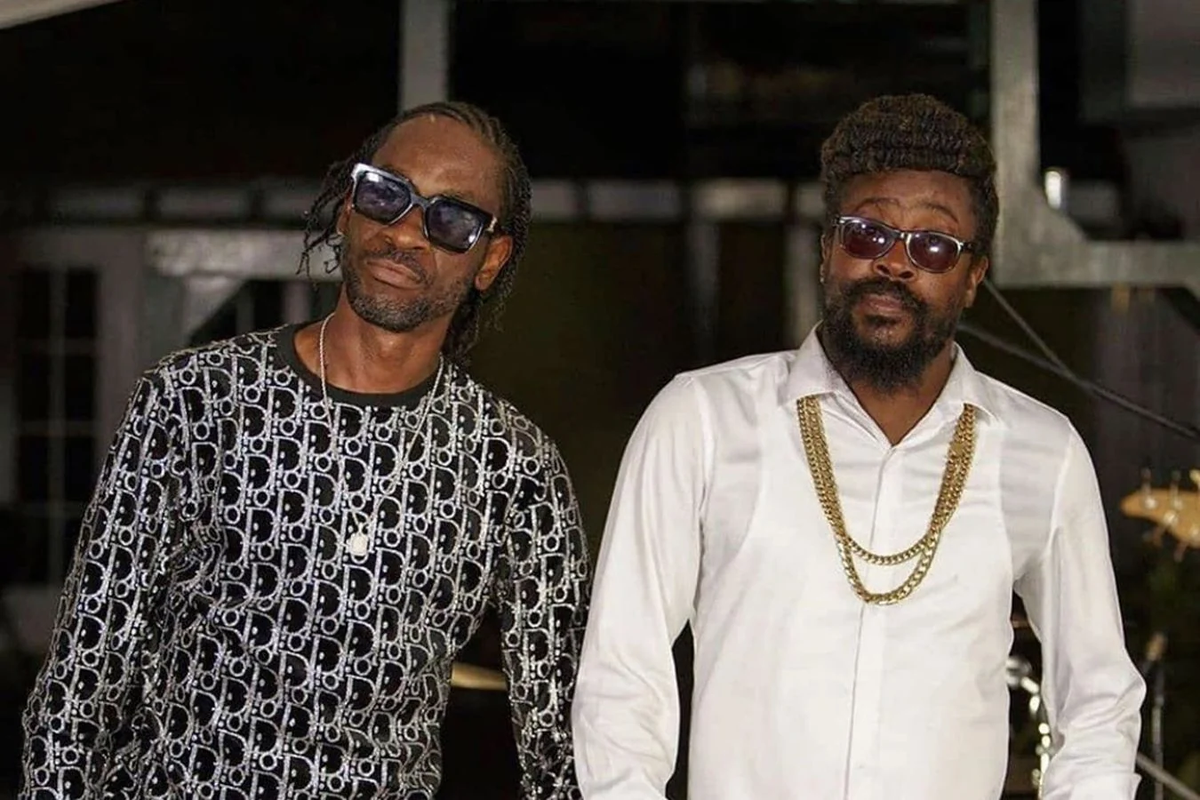
Still, the decade also showed how tightly the two were bound together. In the mid-nineties they both hopped on the remix of Dennis Brown’s “Revolution,” and in 1995 they hit the Sting stage again. They shared bills many times after that. Meanwhile, the stakes kept climbing.
Through the mid to late nineties Beenie Man dominated the Jamaican charts and staked his claim to the “Dancehall King” title, topping the local singles chart with seven different songs in 1997 alone.
Bounty, the gravel-voiced Warlord, answered with the hardcore credibility that made him the streets’ champion. Two styles, two camps, one crown.
Stage Flashpoints
Not every encounter stayed purely lyrical. In a 2023 interview with SK Vibemaster, Bounty recalled a show where Beenie, there as a patron rather than a booked act, got baited by Ninjaman into an exchange with him.
Bounty’s reflex was a punch to Beenie’s side. Beenie kept his cool, and Bounty walked off once he realized he was wrong. He also pointed to an earlier moment when Beenie invaded his set at Reggae Sumfest.
What stands out is the affection under the friction. “Mi love clash Beenie cause a mi main rival,” Bounty admitted.
2006: The D’Angel Turn
Then the rivalry got personal in a whole new way. In 2006 Beenie Man became romantically involved with Michelle “D’Angel” Downer, Bounty Killer’s former girlfriend, and later married her. Heated words flew, as you would expect, but it went no further than that.
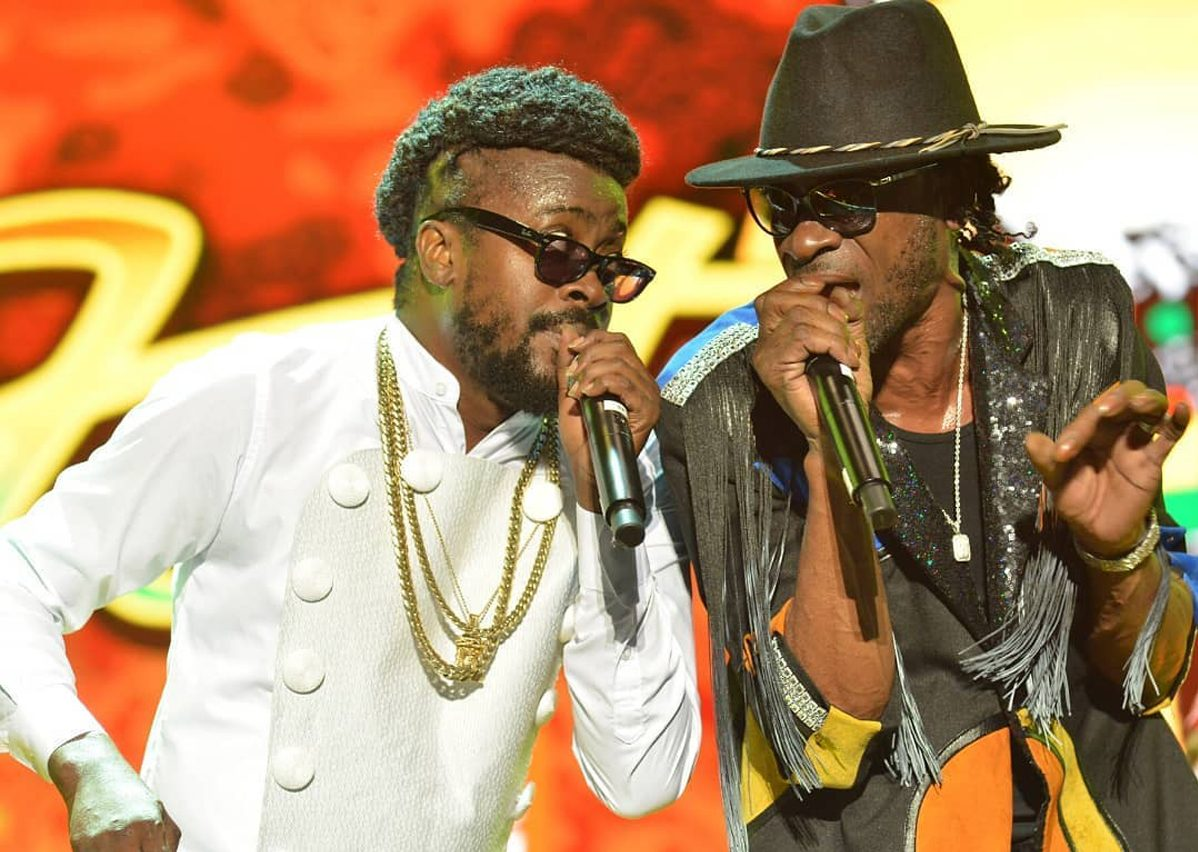
Fans have long praised both men for never letting the musical feud, or the D’Angel chapter, turn into violence. In a culture where clashes have sometimes turned dangerous, that restraint counts for a lot.
2012 to 2019: Burying the Hatchet
The thaw came through grief. When Bounty’s mother, Miss Ivy, died in 2012, Beenie reached out and even attended the funeral. Bounty has said that gesture is what quashed the feud.
Two men who had spent nearly two decades on opposite sides of the stage found common ground in a moment bigger than dancehall.
By July 2019, a simple photo of the two sitting together was enough to set off a wave of fan praise. It showed the unity that had replaced the war.
23 May 2020: Verzuz Goes to Jamaica
Then came the night that introduced the rivalry to a new generation. On Saturday, May 23, 2020, Beenie Man and Bounty Killer faced off on Instagram Live in Verzuz, and they changed the format.
They were the first two artists to perform in the same room on the same feed, while earlier battles had been split screen.
DJ Kurt Riley ran the selections. Beenie pulled out “Memories” and “Girls Dem Sugar,” and Bounty countered with “Fed Up” and “Benz and Bimma.”
He reached into his crossover history in Round 7 with “Hip-Hopera,” his collaboration with the Fugees. “The world is watching us right now,” Beenie told the camera, and he wasn’t wrong.
It got even more Jamaican when police turned up mid-broadcast. Beenie handled it with a showman’s calm, telling the officers: “There are 500,000 people watching us right now from all over the world.” Not every moment landed cleanly.
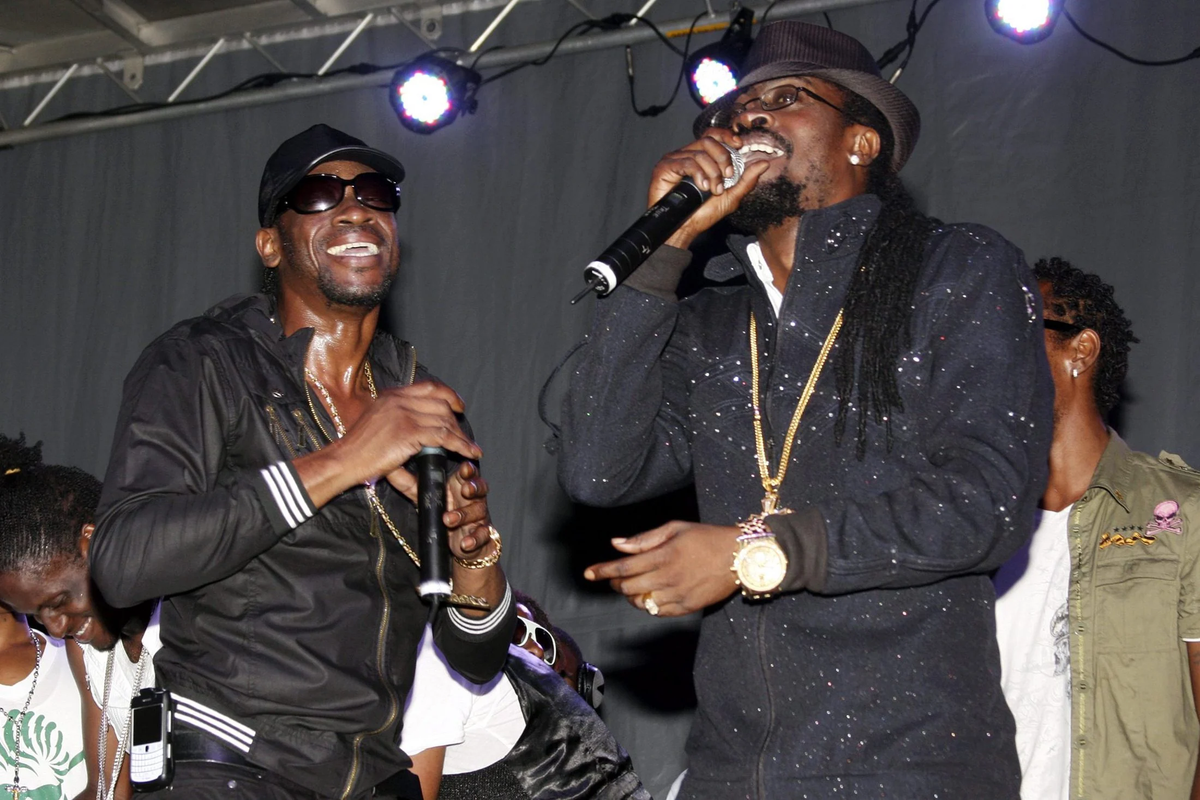
Bounty’s “Badman” stirred enough controversy that Swizz Beatz apologized to anyone offended in the post-clash chat.
So who won? Billboard scored it 13-10-3 for Beenie Man but named Bounty both “Biggest KO” and “People’s Champ.”
Other outlets saw it differently. Parle Mag, for one, gave Round 1 to Bounty, and there was never an official winner. The fans settled the larger question, though.
When Billboard polled readers on their favorite Verzuz later that year, this battle took 88 percent of the vote, and 44.6 percent of all votes came from Jamaica.
2021 to 2026: Documentary Talk and a Catalogue Clash
In September 2021, Bounty revealed that a documentary on the rivalry and its resolution was already in the making. The idea makes sense. Few stories in Jamaican music have such a satisfying arc from enemies to brethren.
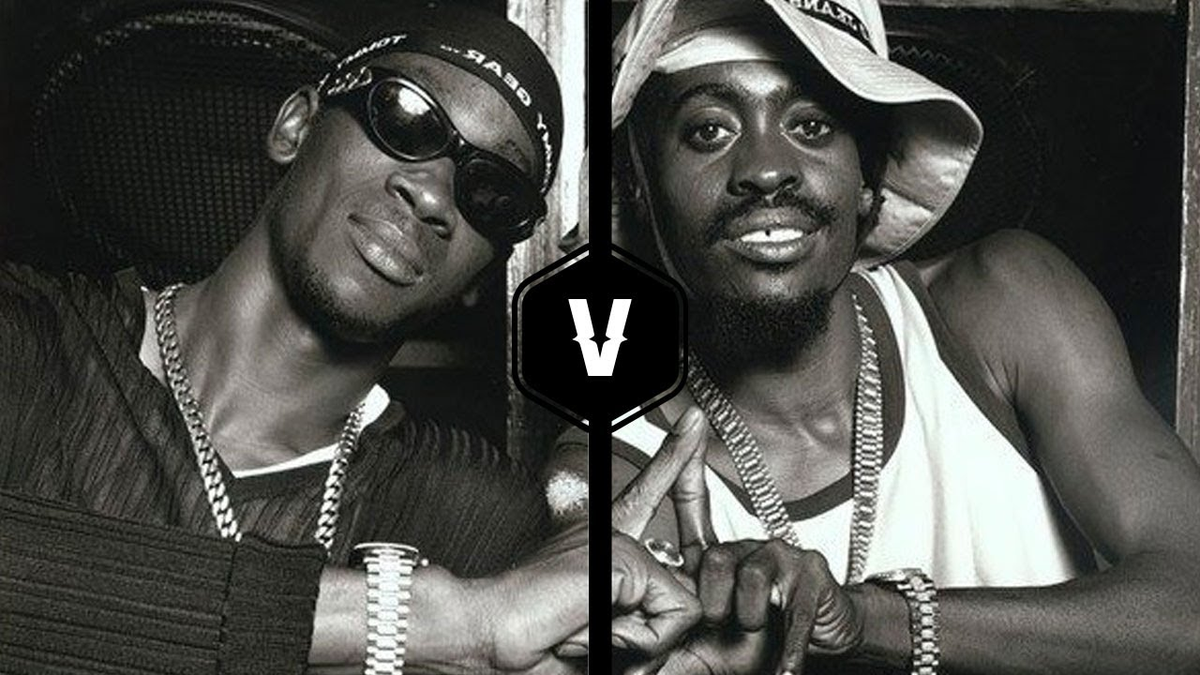
The catalogues are still being pitted against each other. On Friday, September 18, 2026, Fiwi Reggae Dancehall TV streamed a 30-songs-each showdown on YouTube, led by selectors, with Gaza Uncle repping the Warlord and State of Dancehall standing for the Doctor.
In November, Beenie Man was back revisiting the Sting stage invasion and the night police crashed his Verzuz, proof that the stories still have fire in them.
Why This Rivalry Still Matters
Every great clash needs two people who make each other better, and that is the real legacy here. Beenie Man and Bounty Killer pushed each other through the most competitive era dancehall has known, and the music got sharper because neither could afford to slip.
They also showed something rarer: that a rivalry can run hot for decades without ending in blood, and can grow into respect.
When they shared one room in 2020 and the whole world tuned in, it was a celebration of sound system culture itself.
More than thirty years after Sting 1993, the debate over who won is still alive, and that is exactly how it should be.