

Every August, a stretch of Spain’s Mediterranean coast starts to sound like Kingston.
Basslines roll out of Benicàssim, flags in red, gold and green move through the camping fields, and people from almost a hundred countries settle in for a week of roots, dancehall and dub.
This Rototom Sunsplash guide covers what the festival is, where it came from, and how to plan your trip for the next edition.
Rototom calls itself “The European Reggae Festival,” and the claim holds up. Since 2010 it has filled the Recinto de Festivales in Benicàssim, Castellón, with six stages, twelve hours of activity a day, and a mix of Jamaican legends, new dancehall stars and European soundsystem heavyweights.
The 2026 edition, its 31st, has wrapped. Here is what to expect when the gates open again.
Where Rototom Came From
The story starts not in Spain but in a nightclub in northeast Italy. The Rototom Cultural Association and its club were born on 13 December 1991 in Gaio di Spilimbergo, near Pordenone.
In 1994 the club launched a self-financed festival, borrowing its name from Jamaica’s Reggae Sunsplash, the touring showcase that ran from 1978 until 1998.
For years Rototom did things its own way. It ran without commercial sponsors, paid for itself through ticket sales, and was debt-free by 2003.
That independence made it a cultural landmark, but also a target. After the 2009 edition, which ended on 12 July, the festival left Italy.
A documentary account points to the Fini-Giovanardi drugs law and what it described as a “repressive wave” against the event, with Filippo Giunta, who still heads the festival’s management, announcing the departure from the stage.
What followed was a seven-month search across Spain, from Barcelona and Madrid to Salamanca, Galicia and the Basque Country. Benicàssim won in February 2010, largely because of the huge camping area next to the venue.
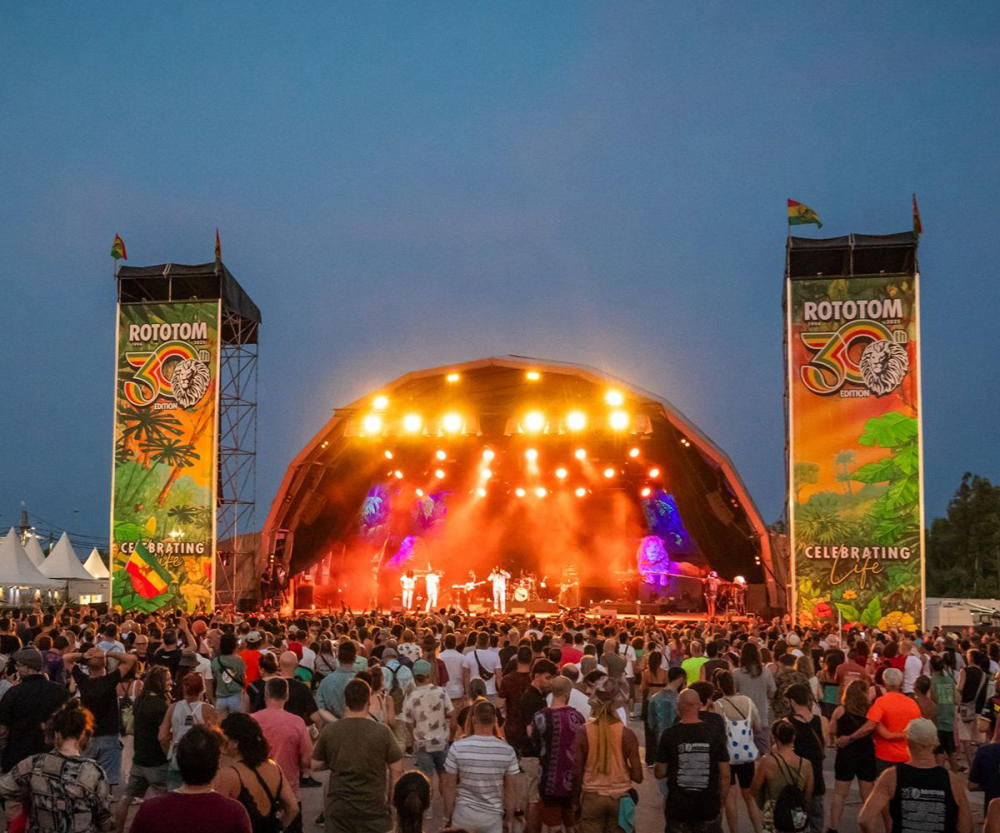
The 2010 edition became the 17th overall, on a 500,000 square metre site roughly double the size of the old Osoppo “reggae town.” In 2025 the festival marked its 30th anniversary.
The Music: What a Rototom Lineup Looks Like
Rototom’s booking policy covers the whole family tree of Jamaican music, plus its European branches. The 2026 edition shows the range well.
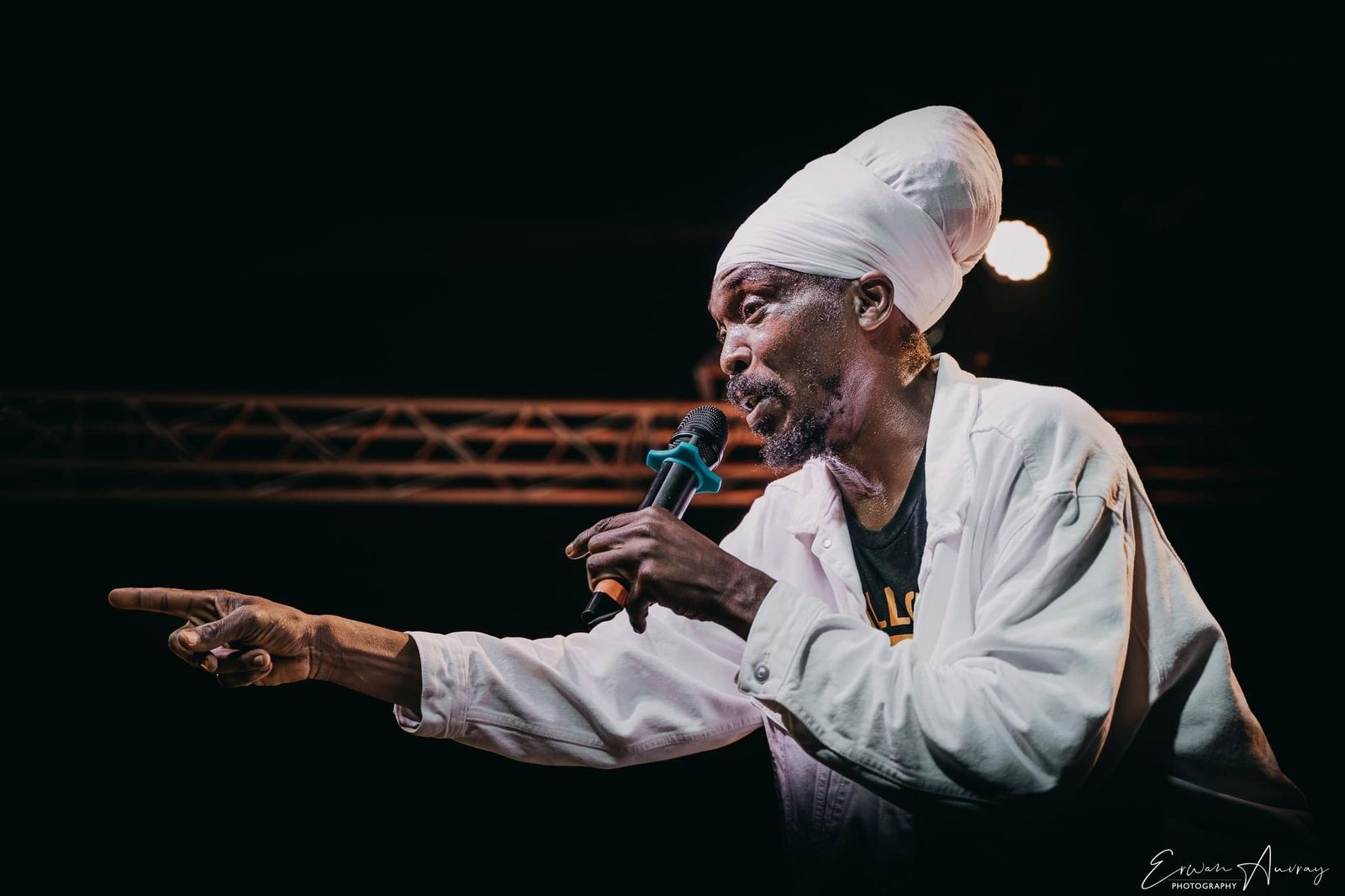
The first lineup preview brought Major Lazer Soundsystem, Shenseea, Protoje, The Skatalites with Alpheus, Queen Omega, Dub Inc, Biga*Ranx, Kybba and Mr Vegas.
Opening day leaned toward the elders, with Alpha Blondy, Luciano and The Skatalites, while Charly Black brought the dancehall energy on Tuesday 18 August.
The final stretch showed the generations side by side. Friday paired Protoje with the Twinkle Brothers and Bushman, and Saturday handed the night to Greentea Peng, Kybba and Lia Kali. In total the 2026 programme ran to 187 artists and 137 events.
The 2026 edition also introduced a Welcome Party on 16 August, adding an extra day before the main programme ran from 17 to 22 August.
Its stage went to the winners of the “Rumbo a Rototom” contest: Iyaman Pablo & Irie Reggae Vibes, Sotabosc and Mountain Tops.
The Stages
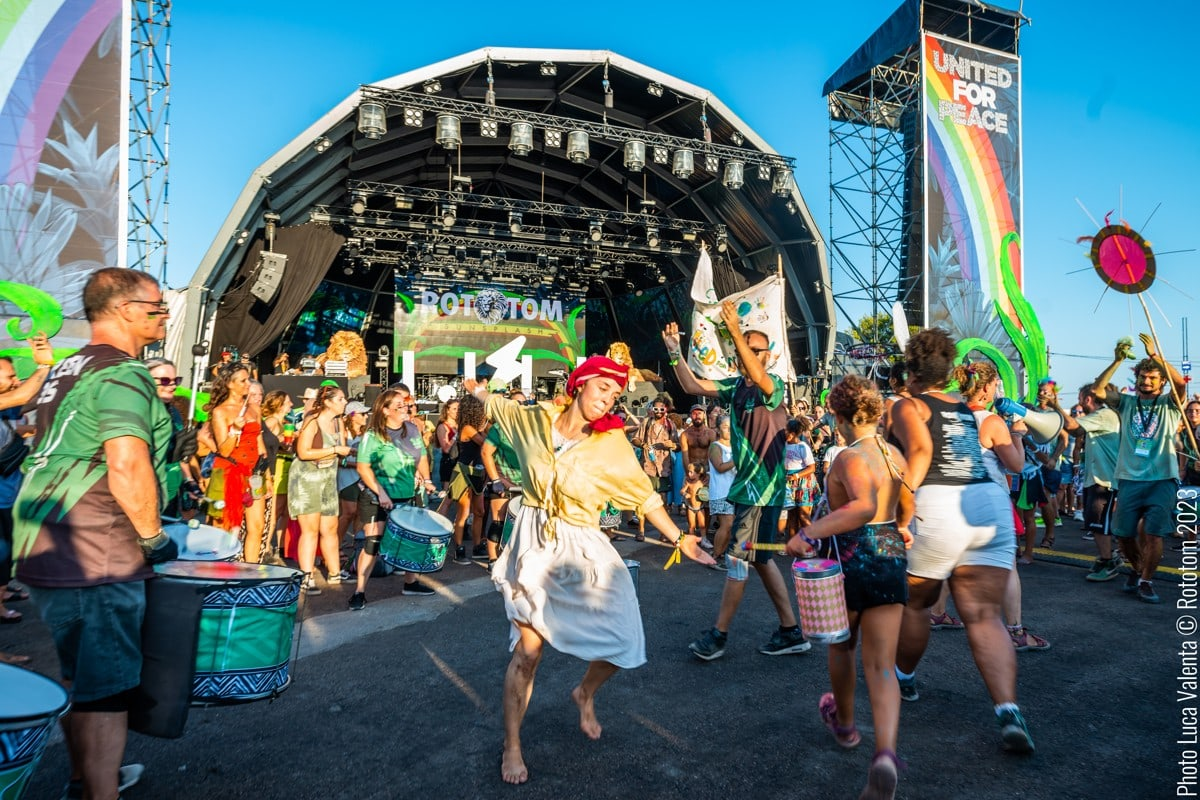
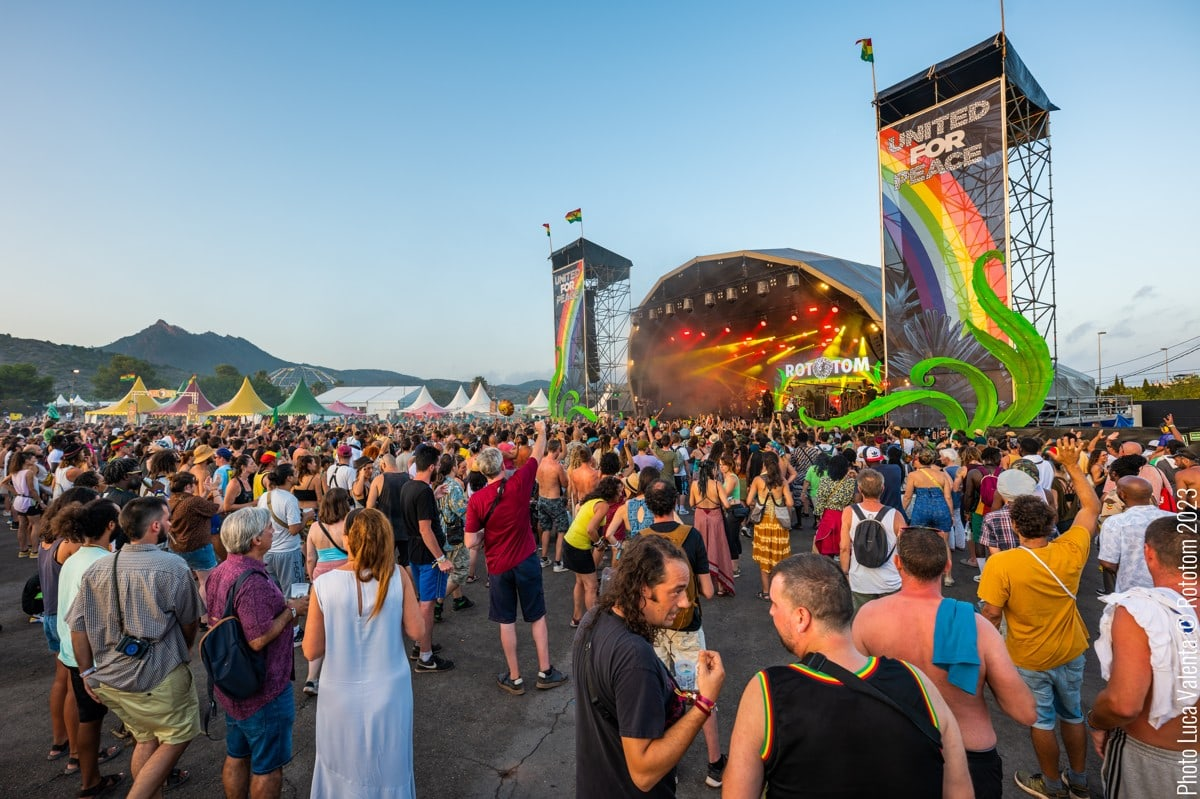
Rototom works best when you treat it like a small city with several neighbourhoods. The 2026 edition ran on six stages.
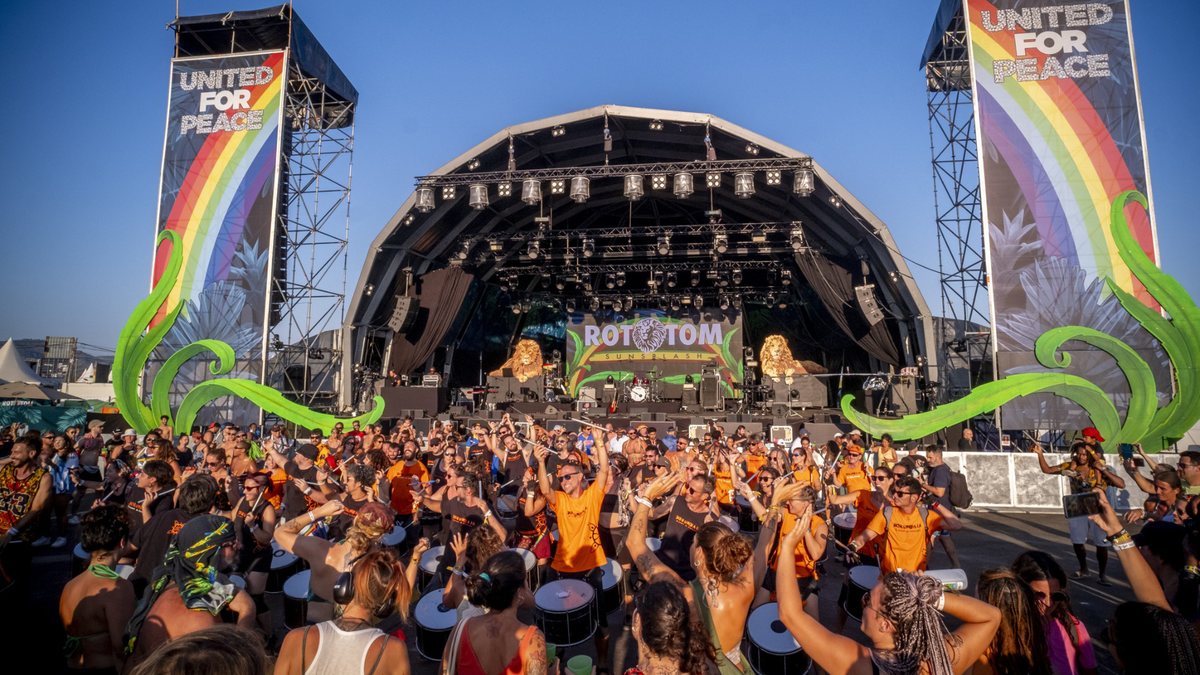
In recent years the map has included the Main Stage for headliners, the Lion Stage, the Dub Academy for heavy soundsystem sessions, the Dancehall Arena, the Jumping Stage with a black music focus, Jamkunda for mixed genres, and Sunbeach, where soundsystems play right by the sea. Check the official map each year, as the layout changes.
More Than Music: The Social Forum and Sustainability
Rototom has always seen reggae as a message as well as a sound. The Social Forum, run by Fundación Exodus, drew more than 1,100 people over four days in 2026, with talks ranging from the climate emergency, featuring activist Vandana Shiva, to the housing crisis. In 2025 it moved into the Teatre Municipal de Benicàssim for a second year running.
The green side is practical too. Free water fountains across the site were projected to keep around 3.2 million plastic bottles out of circulation in 2026, so bring a refillable bottle.
Tickets: How to Save
Rototom rewards people who book early. The 2026 full pass, covering six days plus the Welcome Party, started at €155 in December and rose month by month to €259.90 in August and €260 at the box office, with VAT and fees included.
That December pre-sale was marketed as saving almost 50% against the August price. Expect a similar pattern for 2027.
The festival is unusually family-friendly. Teenagers aged 13 to 17 get 50% off, and under-13s enter free with a €10 contribution made in advance. About 13,000 children under 13 attended in 2026.
Over-65s can get a “solidarity ticket” for a €10 donation to a listed non-profit, though it does not include camping. More than 7,100 over-65s came in 2026.
Buy only through official channels. Rototom actively warns fans about unofficial resellers.
Camping
For many regulars the camping is the festival. It is an add-on to a ticket and cannot be bought on its own. An optional pitch guarantees a shaded spot, which matters in the Valencian August heat.
In 2026 camping opened on 16 August at 11:00, with kitchens, showers, a mini-market and a 24-hour info point.
Getting to Benicàssim
The nearest airport is Castellón (CDT), about 20 km away. Valencia (VLC) is about 90 km, and Barcelona (BCN) about 250 km.
Renfe trains stop at Benicàssim station, which makes rail the easiest option for most visitors. If you arrive in Castellón by coach, take a Cercanías train on to Benicàssim.
Once in town, the free Ro Train, with 55 seats per journey, links the station, the box office and the camping area. The Rototom Bus runs between the station, the venue, the town and Solé Rototom Beach.
A private transfer from Valencia Airport takes about an hour and twenty minutes, with one operator quoting from €136.
What Happens in 2027
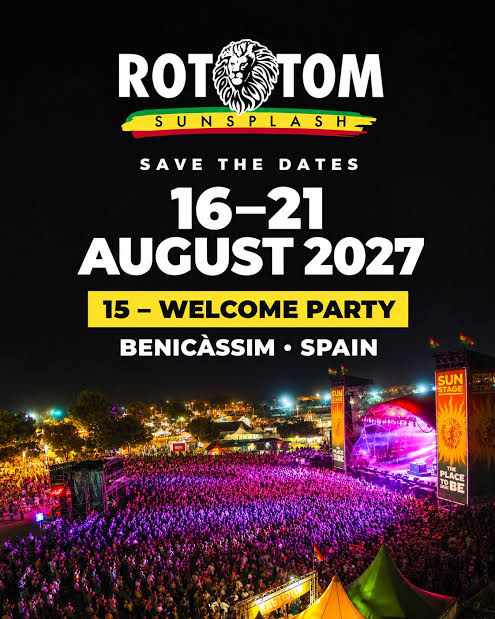
The festival will return to Benicàssim in August 2027 for its 32nd edition. The official homepage points to 16 to 21 August, but no lineup has been announced yet.
Confirm dates on rototomsunsplash.com before booking flights, and watch for the December pre-sale.
The 2026 edition drew 169,000 people from almost 100 countries, mainly from Spain, France, Italy, Germany and the UK. That is a dip from roughly 218,000 the year before, and reviews were split.
One festival-goer called it “one of the best organised festivals I’ve ever been to,” while a visitor who has attended since 2010 named it the worst edition yet. How the organisers respond in 2027 is worth watching.
Why Rototom Still Matters
Few festivals carry a backstory like this one. Rototom began in a small Italian club with no sponsors, was pushed out of its home country, and rebuilt itself on the Spanish coast as a reggae town for the whole continent.
Three decades on, it still books Jamaican pioneers next to the newest dancehall names and European dub crews, and it still makes room for grandparents, toddlers and political debate.
For fans of Jamaican music living far from the island, Rototom is one of the closest things to a pilgrimage. Book early, bring a water bottle and a tent, and plan to stay all week.