

Some films capture a culture. A rare few carry it across oceans. The Harder They Come movie, Perry Henzell’s 1972 crime drama starring Jimmy Cliff, did both.
Before most of the world had heard the word reggae, Ivan Martin was swaggering through Kingston with a gun in his hand and a hit on the radio, and audiences from Notting Hill to Manhattan were leaning in to catch every line of Patois.
More than half a century later, it remains the film that exported reggae. It is a raw, funny, furious portrait of a country boy chewed up by the music business, carried by a soundtrack that taught a generation what Jamaica sounded like.
With Cliff gone and the film back in American theatres this year, there is no better moment to revisit it.
A Jamaican Film, Made by Jamaicans
The Museum of Modern Art calls it the first feature film made in Jamaica by Jamaicans, and that fact sits at the heart of everything the movie means. Henzell had spent the 1950s working in advertising on the island before stepping behind the camera.
He co-wrote the screenplay with playwright Trevor D. Rhone, and the dialogue runs in Jamaican English and Patois with no apology to foreign ears. Chris Blackwell of Island Records worked on it as an uncredited producer.
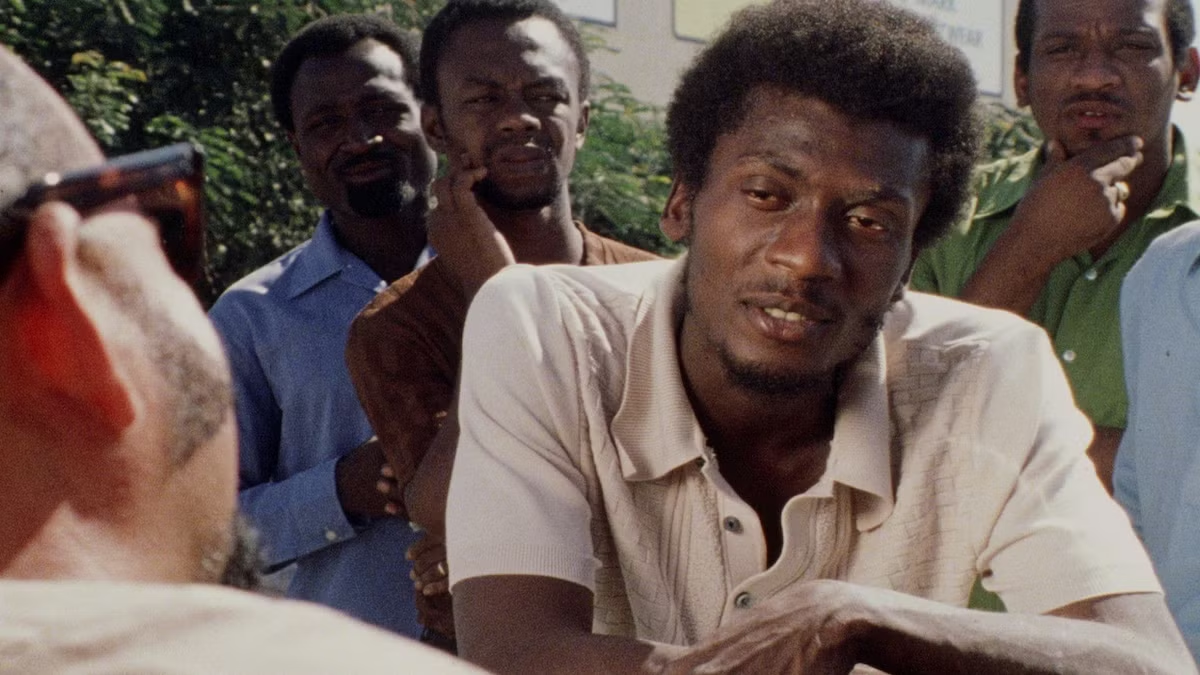
The picture premiered in Kingston on 5 June 1972. It opened at the Gaumont in Notting Hill on 1 September that year, landing in the heart of London’s Caribbean community, and reached the United States on 8 February 1973.
Along the way it shed a working title, Hard Road to Travel. The new name, The Harder They Come, inspired Cliff to write the song that would define both him and the film.
Ivan: Country Boy, Star, Outlaw
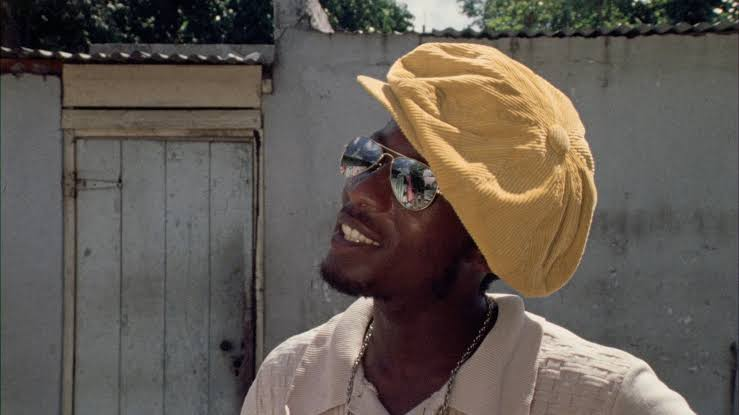
The story follows Ivanhoe “Ivan” Martin, a young man from the country who comes to Kingston dreaming of becoming a recording star. He gets his record deal, then learns how little the deal is worth.
The industry squeezes him, and Ivan drifts into the ganja trade and then into open crime, becoming a folk hero as the police close in. In the closing moments, a woman dances to Ivan’s song, and the record outlives the man who made it.
Ivan’s name was borrowed from a real Jamaican outlaw, Ivanhoe Martin, the gunman remembered as Rhyging, whose exploits had long since passed into island legend. The film only loosely follows his life.
The real man was neither a musician nor a drug dealer. Henzell’s genius was to fuse that outlaw myth with the very real hustle of the Kingston studio scene, where young singers often signed away their work for a few pounds.
Cliff told Variety in 2022 that Ivanhoe was a real-life character for Jamaicans, and that recognition is a big part of why the film still lands so hard at home.
Jimmy Cliff, the Reluctant Actor
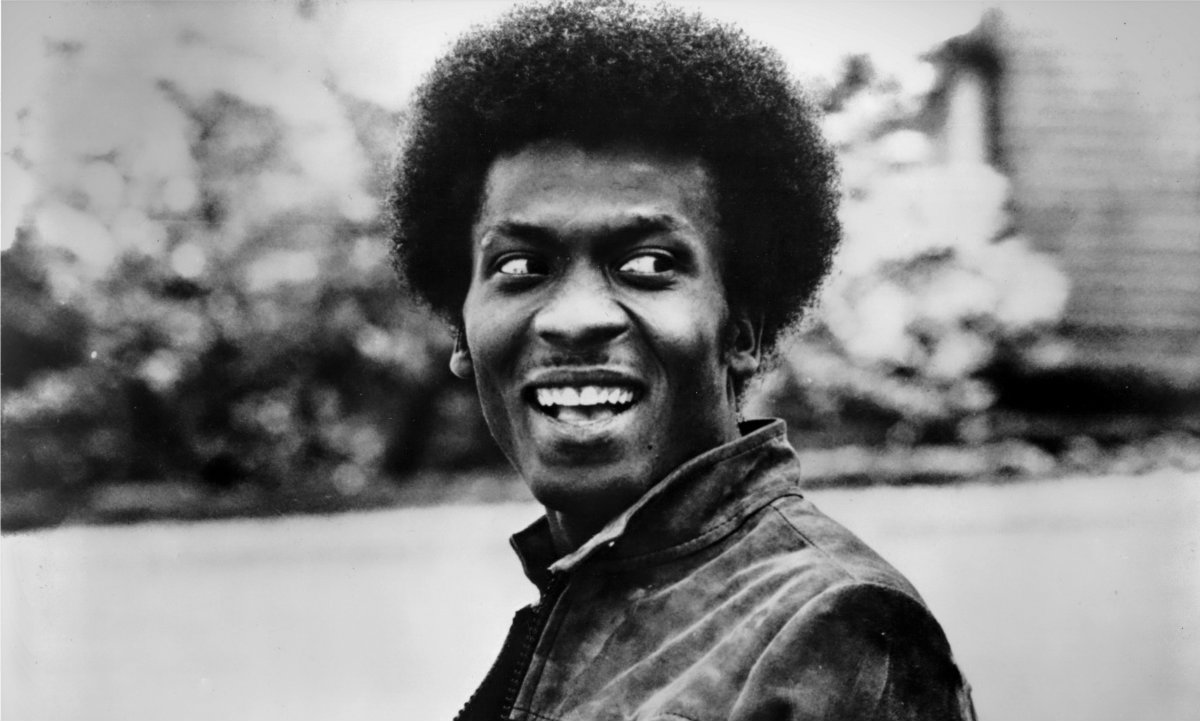
Cliff, born James Chambers on 30 July 1944, had acted only in school productions when Henzell came calling.
By Cliff’s own account, the director flattered him into the role by telling him he was a better actor than singer.
Whatever the truth of that line, the performance is electric: cocky, wounded, magnetic, a star playing a man desperate to become one
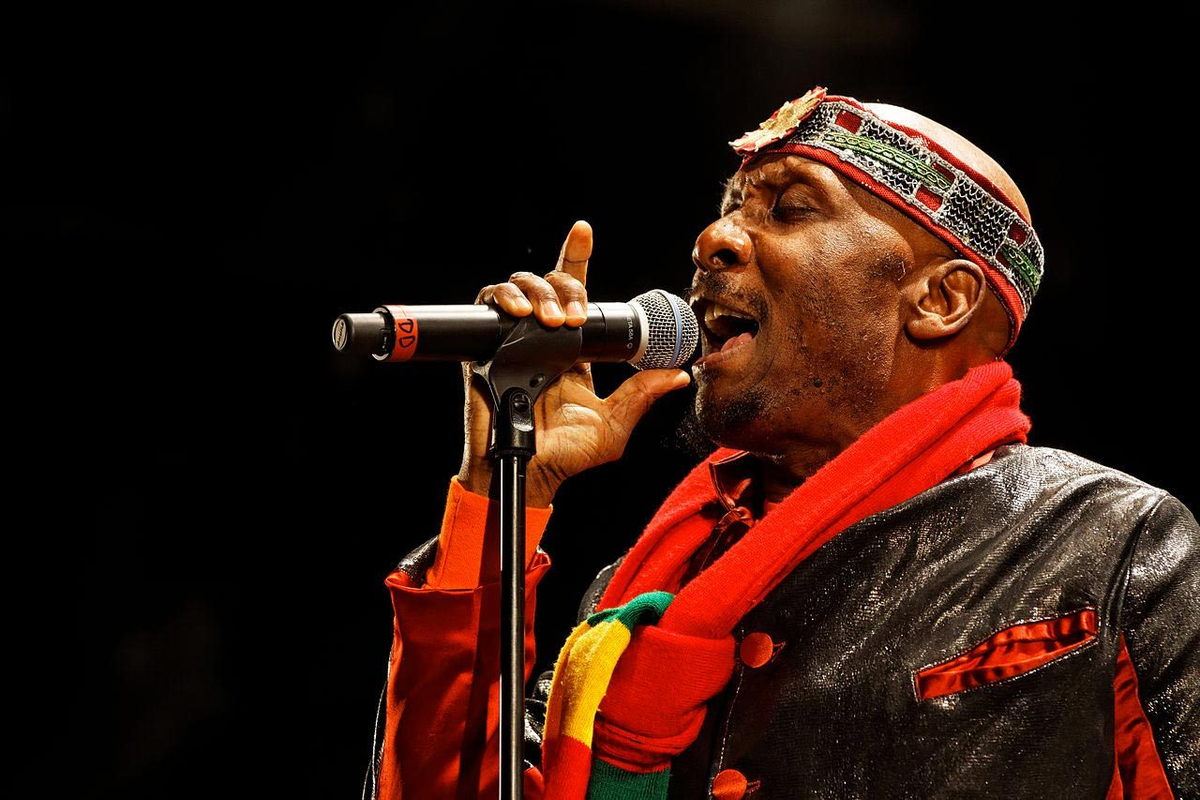
The timing around the film’s release became its own twist in reggae history. Rolling Stone reports that Cliff left Island over a contract stalemate just as the movie was breaking, and that Island then signed Bob Marley.
Cliff went on to a long international career, entered the Rock and Roll Hall of Fame in 2010, and died on 24 November 2025, aged 81.
Prime Minister Andrew Holness called him “a true cultural giant whose music carried the heart of our nation to the world.
A Soundtrack With No Score
Here is the remarkable part: the film has no score. As Justine Henzell, Perry’s daughter, has pointed out, the soundtrack is so strong that you never miss one. Only the title track was recorded by Cliff specifically for the film.
Henzell added three earlier Cliff songs, “You Can Get It If You Really Want,” “Many Rivers to Cross” and “Sitting in Limbo,” then assembled Jamaican singles from 1967 to 1972 to complete the picture.
What a selection it was. The Melodians’ “Rivers of Babylon,” Desmond Dekker’s “Shanty Town,” and the Maytals’ “Sweet and Dandy” and “Pressure Drop” all came from producer Leslie Kong, who had died of a heart attack in 1971 at just 37, before the film reached screens.
Derrick Harriott produced Scotty’s toasting gem “Draw Your Brakes,” and Byron Lee was behind the Slickers’ rude boy anthem “Johnny Too Bad.
Island issued the LP in the UK as ILPS 9202 on 7 July 1972, with the American release following in February 1973. That put it in shops ahead of Marley’s Catch a Fire, which arrived in April 1973.
Toots and the Maytals found international fame through the film, and the album has since earned a place on Rolling Stone’s 500 Greatest Albums of All Time and in the Library of Congress National Recording Registry, only the second reggae release honoured there after Marley’s Burnin.
Midnight at the Elgin
Success did not come overnight. MoMA notes the film drew respectable reviews but almost no box office on release. Then came New York’s Elgin Theater.
A one-day Sunday screening went through the roof, and manager Chuck Zlatkin recalled, “that’s when we turned it into a midnight show that ran forever.”
He meant it almost literally: the run lasted from October 1974 until the theatre closed in March 1977, the Elgin’s longest-running midnight movie.
Zlatkin said the film “makes a political statement,” offering a realistic look into another culture, and night after night American crowds absorbed it.
The Long Echo
Billboard credits the film with introducing Western, especially American, audiences to reggae months before Catch a Fire. Archivist Roger Steffens puts it plainly: “This was the film that opened the doors of the world to reggae.
The punk generation heard the message loud. The Clash name-checked Ivan in “The Guns of Brixton,” and Big Audio Dynamite sampled dialogue from the film.
Reissues have kept the music in circulation, from the 30th anniversary two-CD deluxe edition in 2003 to the 50th anniversary double vinyl of 9 December 2022, which included the film version of the title track commercially for the first time, with new notes from Cliff and Dana Smart.
A remake was announced back in 2011 by Trudie Styler’s Xingu Films, Conquering Lion and Justine Henzell.
The Criterion Channel has featured the original in its “Roots & Revolution: Reggae on Film” series, and Synocto Pictures has been bringing it to US theatres throughout 2026.
Why Ivan Still Runs
The Harder They Come endures because it never pretended. It showed Kingston as it was: hustlers and preachers, studio sharks and sound system dreamers, all speaking in their own voice.
It handed the world a soundtrack that doubled as a crash course in rocksteady and early reggae, and it gave Jimmy Cliff a role that turned a singer into a symbol of defiance.
Every dancehall youth who has ever cut a tune for little money and big hopes is living some version of Ivan’s story.
That is why the film still feels current, and why, with Cliff now gone, his swaggering outlaw on screen matters more than ever.
The harder they come, the harder they fall. The music, as that final scene promised, keeps on playing.