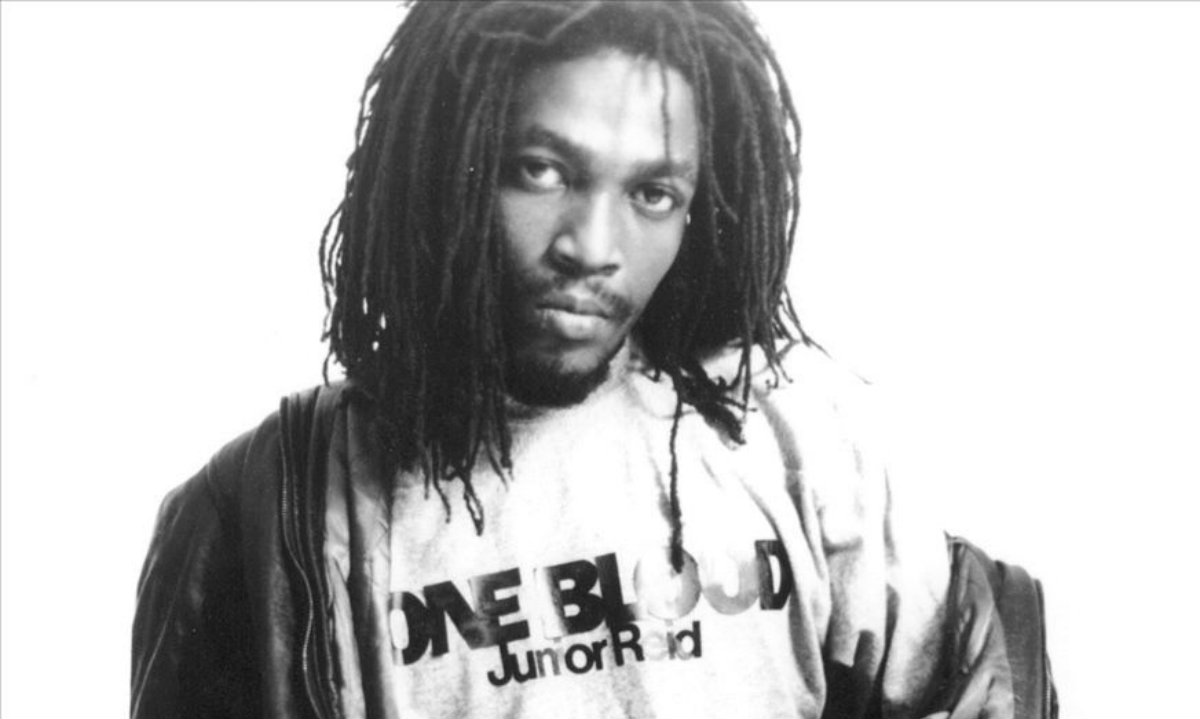


Ask anyone who has spent a night at a sound system dance or a slow afternoon on a Negril beach, and they will tell you the same thing: some words do not translate so much as glow.
The irie meaning, at its simplest, is good, all right, cool or great. When a Jamaican says “Everyting irie,” they are telling you everything is going fine, and probably better than fine.
But the word carries far more than a thumbs up. Irie can be a greeting, a mood, a blessing and, for many Rastafarians, a spiritual condition.
Here is what it means, where it might have come from, and how to use it without sounding like a souvenir shop T-shirt.
What Does Irie Mean?
Irie is Jamaican Patois for all right, cool, good, great, merry or nice. The Oxford English Dictionary files it as Jamaican English and treats it as an adjective, an adverb and an interjection, which tells you how much work this little word does in real conversation.
You can feel irie, a party can be irie, and you can simply answer a question with “Irie!”
It stretches beyond plain approval, too. Irie can describe a mood, a moment, a place, or the whole energy of a yard when things feel calm, warm and right.
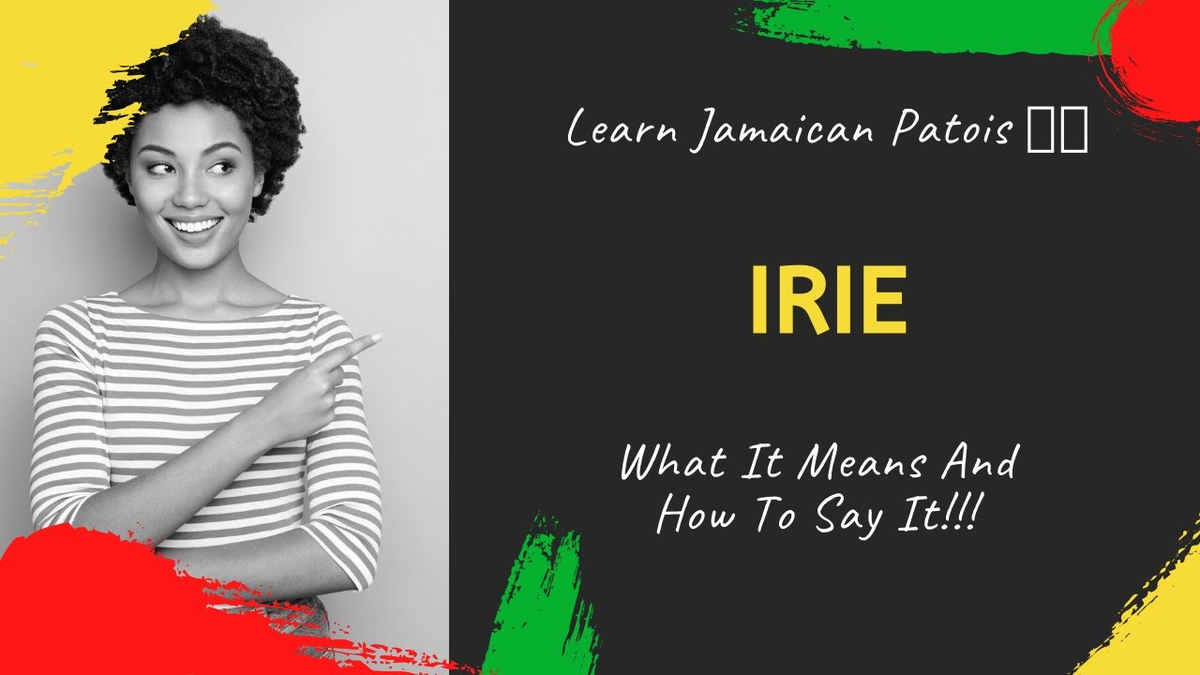
Underneath the surface sense of “good” sits something deeper: peace, contentment, harmony, the feeling that nothing needs fixing.
One older dictionary-style gloss pushes it even higher, defining it as “powerful and pleasing; excellent, highest; the state of feeling great.” You will occasionally see it spelled “iree,” but irie is the standard form.
Where Does the Word Come From?
Here is the honest answer: nobody knows for certain. The OED calls the origin uncertain, and its earliest recorded evidence of the word in print comes from the Sunday Gleaner in Kingston in 1976.
That date catches the word right in the middle of the roots reggae years, when Rasta language was pouring out of studios and sound systems and into everyday Jamaican speech.
Several theories circulate. One holds that irie is an alteration of the 19th century word “eerie,” which once carried the sense of “hearty.”
Another sees it as a creation of Iyaric, the Rasta way of reshaping English, blending “I” with “free” or “merry.”
A third possibility links it to the English phrase “all right,” and many people who write about the word lean toward that idea.
It remains a possibility rather than a settled fact. What is beyond dispute is how Jamaicans use it now, and how music carried it around the world.
Irie in Rastafari and Iyaric
To understand irie properly, you have to understand where it lives. Rastafari emerged in Jamaica in the 1930s, and over the decades Rastas developed Iyaric, also known as Dread Talk or Rasta Talk. It grew as a response to what Rastas see as a negative colonial framework built into everyday English.
Words were reshaped so that their sound matched their meaning. “Hello,” for example, is avoided because it contains “hell” and “low,” two things no righteous greeting should carry.
Within that system, irie refers to positive emotions and feelings, or to anything that is good.
For many Rastafarians it goes further still, describing a spiritual state: living in harmony with Jah, with livity (a natural, conscious way of life) and with creation itself. That is why the true opposite of irie is not sadness.
It is Babylon, the oppressive and materialistic system that Rasta thought stands against. Feeling irie, in this light, means being in tune rather than simply being in a good mood.
How to Use Irie
The beauty of irie is that it slots in almost anywhere. A few everyday examples:
- “Mi feel irie today.” I feel great today.
- “Di concert mek mi feel irie.” The concert made me feel good.
- “Everyting irie.” Everything is good.
- “Everyting irie?” Is everything all right with you?
That last one works as a greeting, and a simple “Irie” can answer it, much like “all good” or “all right.”
You will also see the word all over Jamaica on signs and storefronts, because businesses love what it promises.
It has spread into Bajan speech and into general English, so you will hear it well beyond the island.
A word of advice for visitors: irie is warm and welcoming, so use it with warmth. Dropped casually into a real conversation, it lands beautifully.
Forced into every sentence in a fake accent, it becomes a caricature of a word that means a great deal to the people who gave it to the world.
Irie in Music and Beyond
Reggae and dancehall are the reason most of the world knows the word, and the culture has worn it proudly as a badge. Deejays in particular took it on as part of their names.
Welton Irie, born Welton Dobson in 1961, earned his full stage name on the advice of Studio One boss Coxsone Dodd, who recommended he extend it to Welton Irie.
In the UK, toaster Jamie Irie carried the tradition into British reggae, and in Germany the band Irie Révoltés built their identity around a word glossed loosely as “positive” or “happy.”
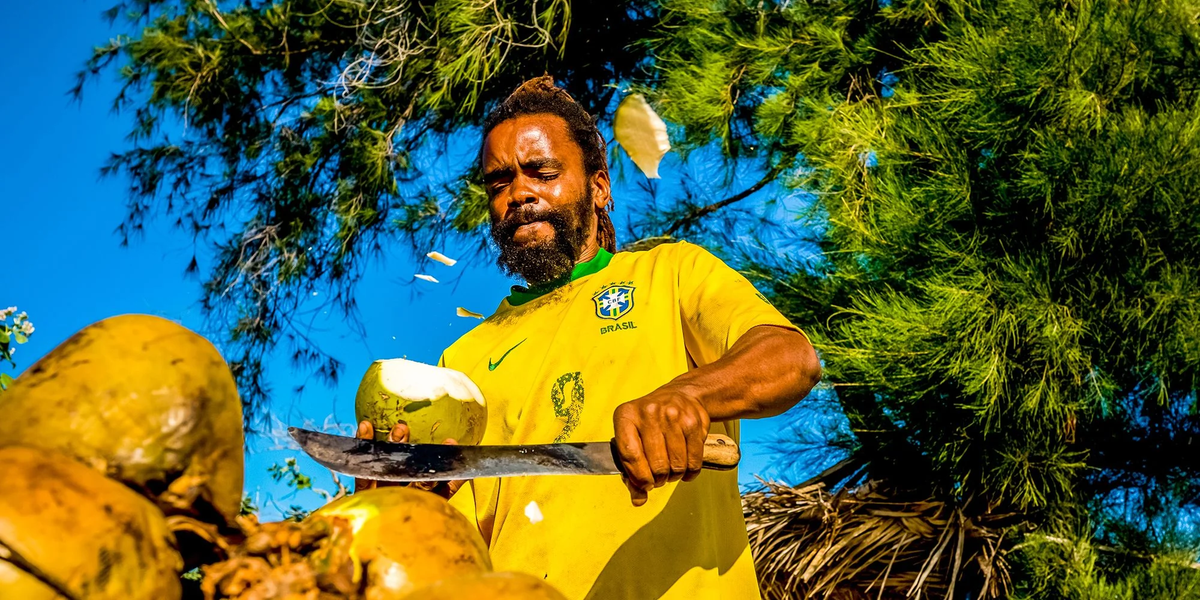
Artists still reach for it when they talk about what Jamaican music gives the world. Chuck Fenda put it plainly in a 2018 interview with the Jamaica Gleaner: “Reggae mek so many people from all over the world can visit Jamaica, fi come hol’ a irie vibes…” That sums it up. Irie is not just something you say. It is something people travel thousands of miles to feel.
The word has moved well past the music, too, into literature, dance, visual art and lifestyle branding far from Jamaica.
Parents have even adopted it as a gender-neutral name of Jamaican origin, and it sits at number 3207 on The Bump’s US popularity list.
Why Irie Still Matters
Plenty of slang burns bright and fades within a few years. Irie has done the opposite.
It surfaced in print in the 1970s, rode the global wave of roots reggae, settled into deejay names and dancehall vocabulary, and kept travelling until it reached baby name lists and brand logos half a world away. Through all of that, it has held on to its core.
At street level it means good, cool, all right. At its deepest, rooted in Rastafari, it means living in harmony and standing apart from Babylon.
That range, from casual greeting to spiritual statement, is exactly why the word endures. Next time somebody asks if everything is irie, you will know just how much they are really asking.