
Few beats in dancehall have been played, voiced, juggled and rebuilt as often as the Punanny riddim.
Built by Lloyd “King Jammy” James in 1986 and launched by Admiral Bailey’s cheeky anthem “Punaany,” this up-tempo digital shuffle has served as a career launchpad and a sound system weapon for almost four decades.
If you have ever heard a selector drop that bouncing pattern and watched a dance erupt, you already know its power.
Here is the full story: where the riddim came from, who built it, and the songs that made it one of the most versioned rhythms the genre has ever produced.
Where the Punanny Riddim Came From
By the mid-1980s Jamaican music was going computerized, and Jammy’s St. Lucia Road operation in Waterhouse sat at the centre of that shift.
Jammy had come up under the dub pioneer King Tubby, and he carried that engineer’s instinct for space and weight into the digital age.
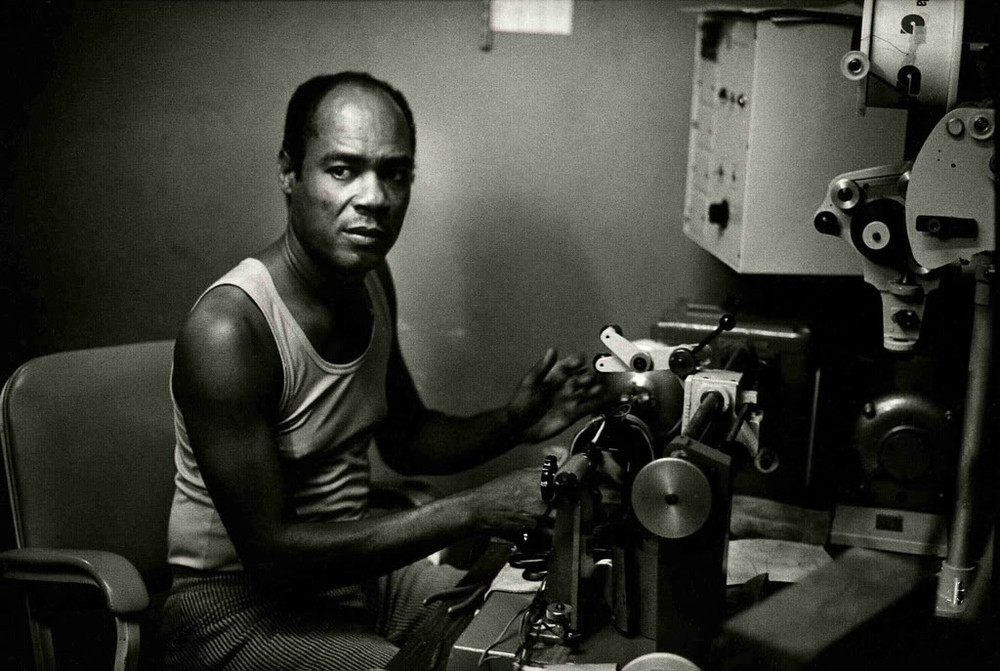
Alongside Sleng Teng and the Duck riddim, the Punanny became one of the defining digital rhythms to come off his desk.
The scene around it was getting slacker by the month, and the riddim fit the mood perfectly. It was quick, springy and playful, a drum pattern made for lyrics that winked at the crowd.
That bounce is the hook. Even with no vocal on top, the beat sounds like a dancehall in full swing.
Admiral Bailey and the Original Cut
Admiral Bailey’s “Punaany” came out on the Jammys label in 1986 and became an instant classic.
It is arguably the most career-defining record Bailey ever made, a perfect match of deejay personality and riddim swagger. The tune also turned up on the 1987 Super Power set Double Twin Spin Vol. 1.
More importantly, it helped cement a new era of computerized dancehall-reggae. It proved that a homegrown digital beat could carry a whole season of hits.
A Core Course at the Jammys University
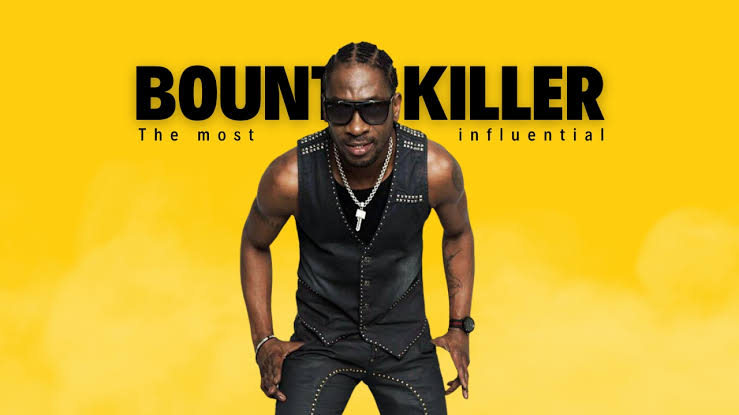
Jammy’s studio worked like a university for young talent, and the Punanny was one of its core courses. A long list of future giants voiced it early on, including Shabba Ranks, Buju Banton, Bounty Killer, Beenie Man and Lady Saw.
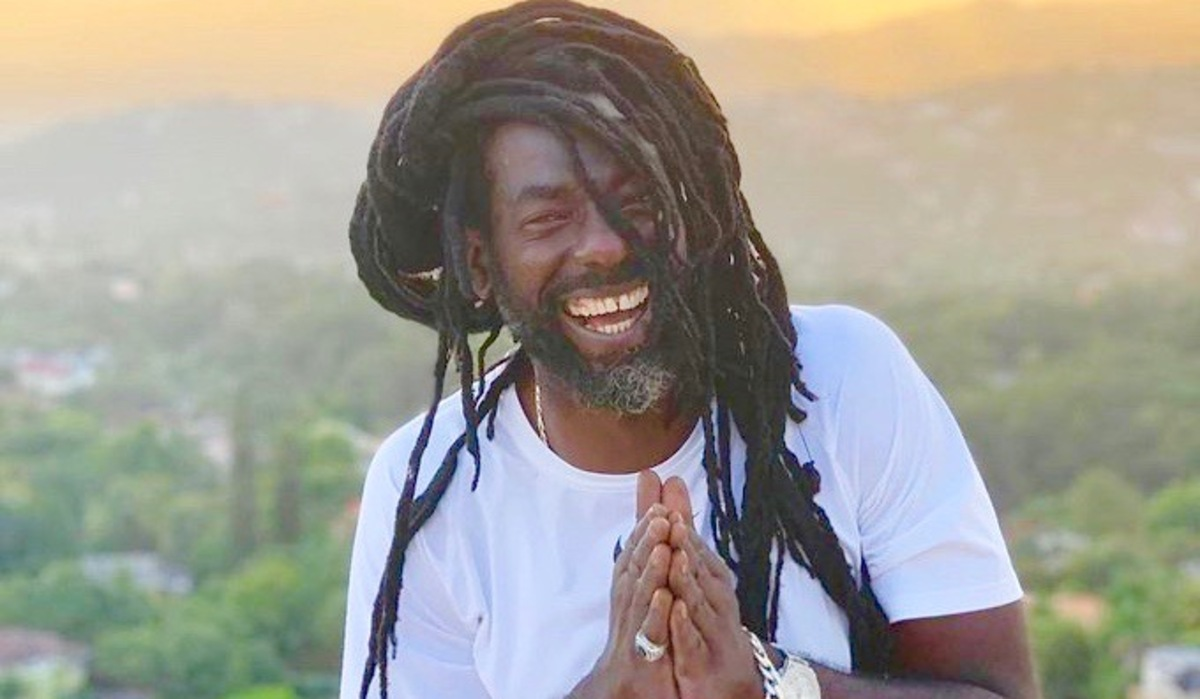
Cutting a tune on the Punanny was a rite of passage. If you could ride that bounce and hold a dance, you were ready for bigger things.
Anderson Muth, writing for Brooklyn’s Dub-Stuy, put it plainly: the riddim “would achieve hyper-riddim status.” The same drum pattern kept returning across the next two decades.
Every Major Song on the Punanny Riddim
Shabba Ranks owned this riddim as much as anyone. “Needle Eye Pum-Pum” (1987) remains a juggling staple, and he came back for “Ca’an Dun” (1990) and “Halla Fi Buddy.”
A young Buju Banton showed off that gravel-voiced confidence on “Gal You Body Good” (1990), years before he became a global name.
Bunny General delivered “Weh Dem A Do” (1990) and “Sound of the Girls” (1991). Grindsman’s “Benz Punany” landed on Dragon Records in Jamaica in 1990, with a UK white-label 12-inch on Charm following.
Yellowman, the original king of slack, stepped up with “Love It” (1992). Mega Banton contributed “Wrong or Right” (1993) and “Not At All” (1996). Buccaneer’s “Set the Place” (1994) added his operatic flair to the mix.
Lady Saw’s “It’s All About Cash” (2000) arrived on a King Jammy production of the riddim, showing that the queen of dancehall could still find fresh things to say over it.
Buju returned in 2006 on Studio 2000 with “Beat One” and “Adult Rated.” Fletcha B’s “Show Dem Yuh Tag” appeared on the same label that year.
Then there are the cult juggling favourites that selectors still reach for: Buccaneer’s “Bruk Weh,” Ward 21’s “Five-A-Day,” Mr. Vegas’ “Chuckie Boo” and Wayne Marshall’s “Gimmie A Light.”
Played back to back with Shabba’s “Needle Eye Pum Pum,” they make one of the most reliable segments in any set.
Versions, Offshoots and Compilations
A riddim this strong was never going to stay in one shape. The variations kept coming: Punaunie (1988), Lion Attack (1990), Funky Punany (1991), Turbo Punanny (1992), Mad Punanny, Slow Punany and Tight Pum Pum (all 1993), Now A Days (1996) and Twin Cam Punanny.
Jammys also ran a related rhythm, “Love Punaany Bad,” named for Shabba’s cut. It carried Josey Wales’ “Water Come A Mi Eye,” Leslie Thunder’s “Ram Dance Man” (1988), Junior Cat’s “Nah Lef It Far” (1992) and Admiral Bailey’s “Me Ah De Danger.” Over at King Tubby’s, Lady Junie answered with “Naa Get Punaunie” on the Waterhouse label.
One-riddim albums followed. Punany Train arrived on Jumbo in Jamaica in 1991. Siri Records issued its own 13-track Punany Riddim collection in 1995, gathering Bailey’s original with Bounty Killer’s “New Gun,” Cutty Ranks‘ “Grizzle,” Ninjaman’s “Border Clash” and the two Shabba cuts.
Beyond the records, the riddim has been remixed, refixed, sampled and cut to countless dubplates and selector drops.
Greensleeves Rhythm Album #5: Punanny
On 4 November 2000, Greensleeves gave the riddim a millennium makeover. Rhythm Album #5: Punanny came out on CD (GRELCD705) and double LP (GRELD 705).
Its opening tracks put the hottest artists of the day over a fresh re-lick by Ward 21, and the final ten tracks returned to Jammy’s original.
That split made it both a party record and a history lesson. Across 22 tracks from 19 artists, it drew on Admiral Bailey, Anthony B, Beenie Man, Buccaneer, Danny English and Elephant Man.
The same year produced a “Punanny Medley” that reads like a roll call of the era: Elephant Man, Ward 21, Harry Toddler, Lexxus, Mr. Vegas, Admiral Bailey, Shabba Ranks, Mad Cobra, Bounty Killer, Capleton, Beenie Man, Wayne Marshall and Baby G.
The 2016 Revival
The Punanny crossed into the bass music world on 22 July 2016. That day Dub-Stuy launched its riddim series with Punanny Riddim 2016, an update by DJ Madd.
He kept the hook intact but added a double-time swing, pulsing 808 kicks and heavy sub bass.
Turbulence brought “Bun Dem,” Mikey General delivered “Nuh Diss Jah People,” and Miss Red spun it her own way with “Nuh Bad Love.”
The release proved the riddim’s bones were strong enough for a completely different sound system culture.
Why the Punanny Still Matters
The Punanny riddim tells the story of modern dancehall in miniature. It was born in the rush of the digital revolution and powered by Admiral Bailey’s charisma.
From there it became the classroom where Shabba, Buju, Bounty and Lady Saw learned to command a riddim. Greensleeves brought it into the 2000s, and a Brooklyn crew rebuilt it for the 808 generation.
Few beats can claim that range. Nearly forty years on, selectors still lean on it, because that bounce still works on a crowd.
As long as there are dances to run and versions to juggle, King Jammy’s 1986 creation will keep getting another lick.