

The year 2000 did not arrive quietly in Kingston. Sound systems rang in the new millennium on fresh riddims, Greensleeves was boxing up whole rhythms for record shops abroad, and a young deejay from uptown was quietly becoming the music’s next export.
Looking back at the best dancehall songs from 2000, you hear a culture standing with one foot in the yard dance and the other on international radio.
On one side were the crossover giants: Shaggy charming the whole planet, Beenie Man trading bars with The Neptunes and Wyclef Jean, Sean Paul’s Stage One setting up everything that followed.
On the other side was the riddim factory, where Bounty Killer, Capleton and Elephant Man lined up on the same beat and fought for the forward. These are the 12 tunes that defined that turn of the century.
1. Shaggy feat. Rikrok, “It Wasn’t Me” (2000)
This single almost never happened. Shaggy and producer Shaun “Sting” Pizzonia added it to Hot Shot at the last minute, after MCA A&R Hans Haedelt heard it by accident and talked them into it.
A Hawaiian radio DJ named Pablo Sato started spinning it, and the world followed. Released on 7 November 2000, this dancehall-pop crossover pairs Rikrok’s silky pleading with Shaggy’s gravel-voiced, deadpan advice.
It went to No. 1 in the US, the UK, France, Australia, Ireland and the Netherlands. It was also the UK’s best-selling single of 2001, moving more than 1.15 million copies that year.
Hot Shot debuted at No. 1 on the Billboard 200 and went 8x platinum. The song even gave the language “the Shaggy defense.”
2. Beenie Man feat. Mýa, “Girls Dem Sugar” (2000)
The Doctor’s play for American urban radio worked exactly as planned. “Girls Dem Sugar” came from Art and Life, which Virgin released on 11 July 2000, and it went out as a single on 14 September.
The Neptunes and Mýa rebuilt the original dancehall version for international audiences, adding a stuttering rhythm and old-school scratching.
Beenie’s patois still sat at the centre, sweet-talking over the clipped beat while Mýa floated a hook above it.
It became a smash on urban radio and in clubs, and it proved a Jamaican deejay could hold his own inside the Virginia duo’s sound without dulling his accent. The album earned Beenie Man a Grammy in 2001, so the gamble paid off.
3. Sean Paul, “Deport Them” (2000)
“Deport Them” first appeared in 1998, but 2000 was the year it spread beyond Jamaica. Built on the Bookshelf riddim, the tune found a home on Stage One, released on 28 March 2000.
That same year it climbed to No. 80 on Billboard’s R&B chart, a modest number that meant a great deal for a dancehall record at the time.
Its rolling, unhurried flow is classic early Sean Paul, smooth but rooted in the yard. Back home the reaction was physical.
The FADER recalled that the song made many Jamaicans raise their trigger fingers skyward as a sign of respect.
It later turned up briefly in 2 Fast 2 Furious, and it is widely credited as the record that first carried him abroad.
4. Sean Paul, “Infiltrate” (2000)
If “Deport Them” opened the door, “Infiltrate” showed that Sean Paul belonged in the dance itself. Sitting at track 3 on Stage One, it is the sound of a deejay earning his stripes before the world knew his name.
The FADER grouped it with “Deport Them” as one of the Stage One songs that drew the gun-finger salute from Jamaican crowds.
The same piece noted that in those early days Sean Paul played by the rules of dancehall, and that discipline is all over this record.
It offers no pop gloss and no guest R&B singer, just rhythm, patois and swagger aimed at the session. For fans who only know the Dutty Rock hits, this is the foundation.
5. Sean Paul feat. Mr. Vegas, “Haffi Get Da Gal Yah (Hot Gal Today)” (2000)
Pairing Sean Paul with Mr. Vegas in 2000 felt like booking two of the hottest young names in the business on one bill.
“Hot Gal Today,” as most fans call it, was the second single from Stage One. Its contrast does the work: Sean Paul’s gruff, rapid delivery meets Vegas’s melodic hook, and the result became one of the album’s most recognisable hits.
It was a girls’ tune built for the dance floor, made to be rewound. In a detail that dates it perfectly, the music video lived in the album’s CD-ROM section, waiting for fans with a computer and patience.
The track still sounds right in any throwback set, a reminder of the energy that carried Stage One.
6. Beenie Man feat. Wyclef Jean, “Love Me Now” (2000)
Before “Girls Dem Sugar” there was “Love Me Now,” the first single from Art and Life. Bringing in Wyclef Jean made sense.
The Haitian-born Fugee understood Caribbean rhythm and American hip-hop equally well, and he gave Beenie a bridge into the R&B and rap market Virgin was targeting.
The record opened the album’s crossover campaign, setting up the Neptunes collaboration that followed months later. It also shows how ambitious Beenie was in 2000.
He was not content with being the king of the dancehall; he wanted the pop charts too. Taken together, these two singles mark a turning point in how major labels approached Jamaican stars.
7. Capleton, “Who Dem?” (2000)
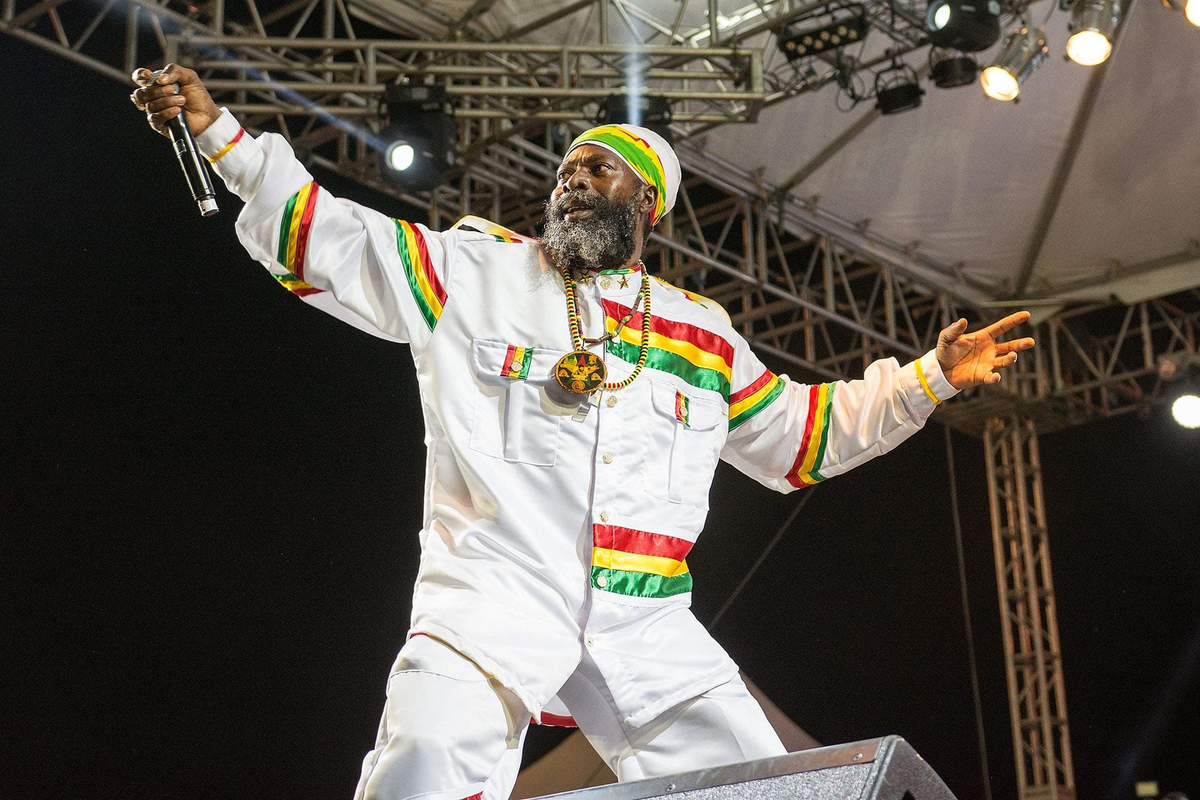
When Greensleeves launched its rhythm album series in February 2000, it opened with Capleton. “Who Dem?” leads off Greensleeves Rhythm Album #1: Bellyas, riding a riddim built by Ward 21, the crew known for their offbeat, inventive production.
The Fireman brings his trademark intensity, chanting with urgency over a beat that was unusual for its time. The Bellyas set also carried Ward 21’s own “Model And Pose,” Mr. Vegas’s “Two Minutes More” and Beenie Man’s “Skettel Tune.”
It became the template for a whole year of releases, as the series went on to cover Virus, Doorslam, Volume and Punanny. That last one revived King Jammy’s 1986 rhythm, linking 2000 back to the digital revolution.
8. Beenie Man, “Watch It” (2000)
Few releases capture how 2000 dancehall worked better than the Arrow riddim. General Degree produced it for his Pretty Boy label, and it holds just eight tunes.
That small lineup still reads like a who’s who: Bounty Killer, Elephant Man, Lady G, Chico, Chrissy D, Splints, Degree himself and Beenie Man, whose “Watch It” tends to lead the way.
The riddim era came down to competition. Every deejay gets the same beat, and the crowd decides who wore it best.
Beenie handles it with the ease of an artist who had been doing this since childhood, which is why “Watch It” remains one of the riddim’s most played cuts.
9. Bounty Killer, “Follow Mi Arrow” (2000)
Put Bounty Killer on the same riddim as Beenie Man and the dancehall pays attention.
“Follow Mi Arrow” was the Warlord’s entry on General Degree’s Arrow riddim for Pretty Boy, and played next to “Watch It” it shows the two biggest voices of the era sizing up the same beat.
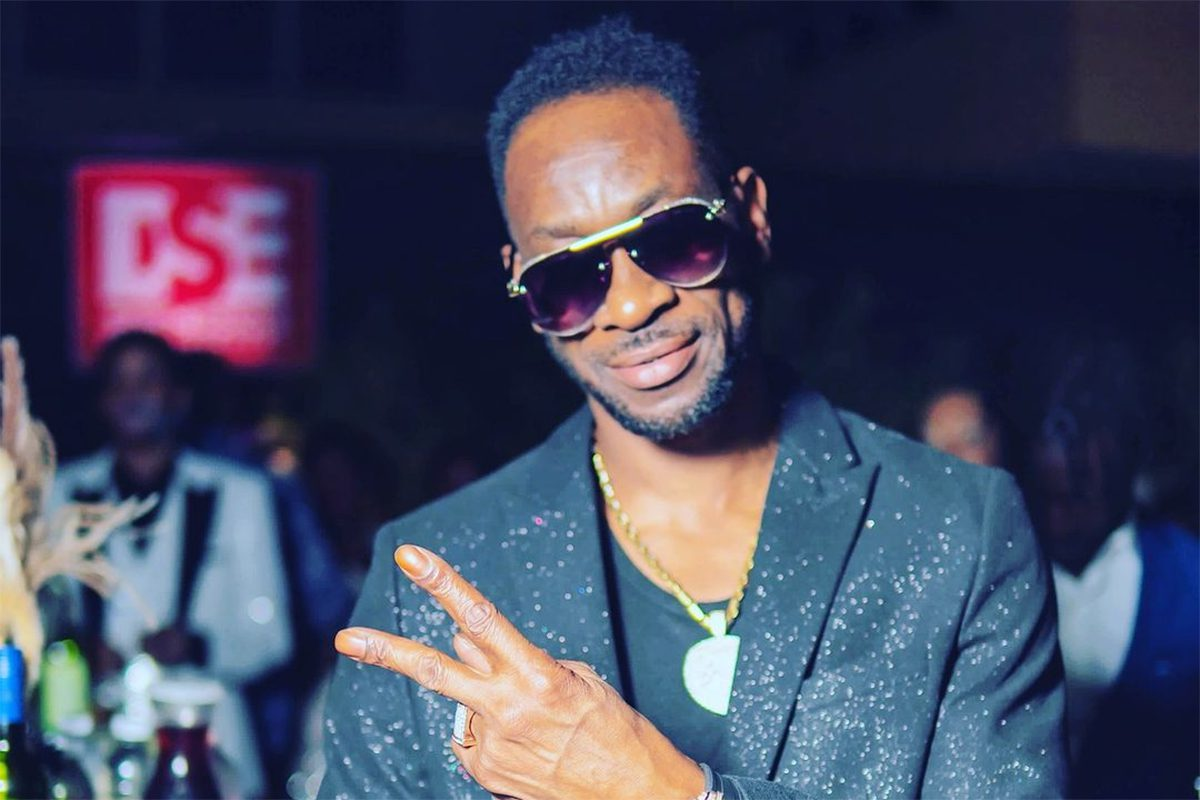
Bounty’s delivery is all command, the rasp and authority that made him the gatekeeper of hardcore dancehall. It arrived in a busy year that also saw Jamaica’s Most Wanted released under his name.
It came before Ghetto Dictionary: The Mystery brought him a Grammy nomination in 2002. Here he is at street level, doing what he did best.
10. Bounty Killer, “High Grade Forever” (2000)
Bounty appears twice on this list because 2000 was his year to dominate riddims. “High Grade Forever” rides the Lightning riddim, produced by Jeremy Harding on his 2 Hard label.
Harding was already a respected producer by then, having built the Playground riddim behind Beenie Man’s “Who Am I (Sim Simma).”
On Lightning, he gave Bounty a beat with snap and space, and the Warlord filled it with a herb anthem that fit easily into session sets. It is a lighter side of Bounty, still gritty but more celebratory than confrontational.
For anyone tracing the production lineage of the era, the 2 Hard catalogue is essential listening, and this tune is a highlight.
11. Morgan Heritage & Bounty Killer, “Guns in the Ghetto” (2000)
This unlikely pairing turned out to be one of the most powerful records of the year. Morgan Heritage, the roots family band with harmonies steeped in conscious reggae, joined Bounty Killer for a song about the violence tearing through poor communities.
It came out on 71 Records, and the riddim took the song’s name, which says plenty about how strong the original cut was. The same rhythm also carried Don Marshall’s “Police and Badman.”
The blend of singing and deejaying, roots message and dancehall muscle, showed that the two camps could meet on serious ground. Twenty-six years on, its subject sadly has not aged a day.
12. Elephant Man, “Bruk Out” (2000)
Elephant Man was still building toward his energy-god peak in 2000, and “Bruk Out” shows exactly why he was coming.
The tune rides the Boasy Gal riddim, produced by Steven Ventura for Kings of Kings and gathered on Greensleeves Rhythm Album #6: Latino / Boasy Gal.
That 22-track album landed on 20 November 2000, with “Bruk Out” at track 14. Ele shared the riddim with Cutty Ranks, Hawkeye and Harry Toddler, among others.
The flip side of the album was just as telling: the Latino riddim, built on the beat of Jennifer Lopez’s “If You Had My Love,” drew Capleton, Buju Banton and Lady Saw. It was a perfect snapshot of dancehall absorbing pop and making it its own.
Why 2000 Still Rings Out
Listen to these 12 tunes together and you hear a genre at a crossroads. Shaggy and Beenie Man were proving that Jamaican voices could sell millions and win Grammys on foreign soil.
Sean Paul was laying the groundwork for the Dutty Rock explosion. Meanwhile, General Degree, Ward 21, Jeremy Harding and Steven Ventura kept the riddim engine running at home, giving Bounty Killer, Capleton and Elephant Man the beats to battle on.
What came next makes 2000 look even more important. Black Shadow’s Buzz riddim arrived in 2001, and the Diwali riddim followed in 2002, which The New York Times called “one of the most popular reggae rhythms of all time.”
Those global moments grew directly out of the crossover deals and riddim albums of this year. Two thousand was where the run started.