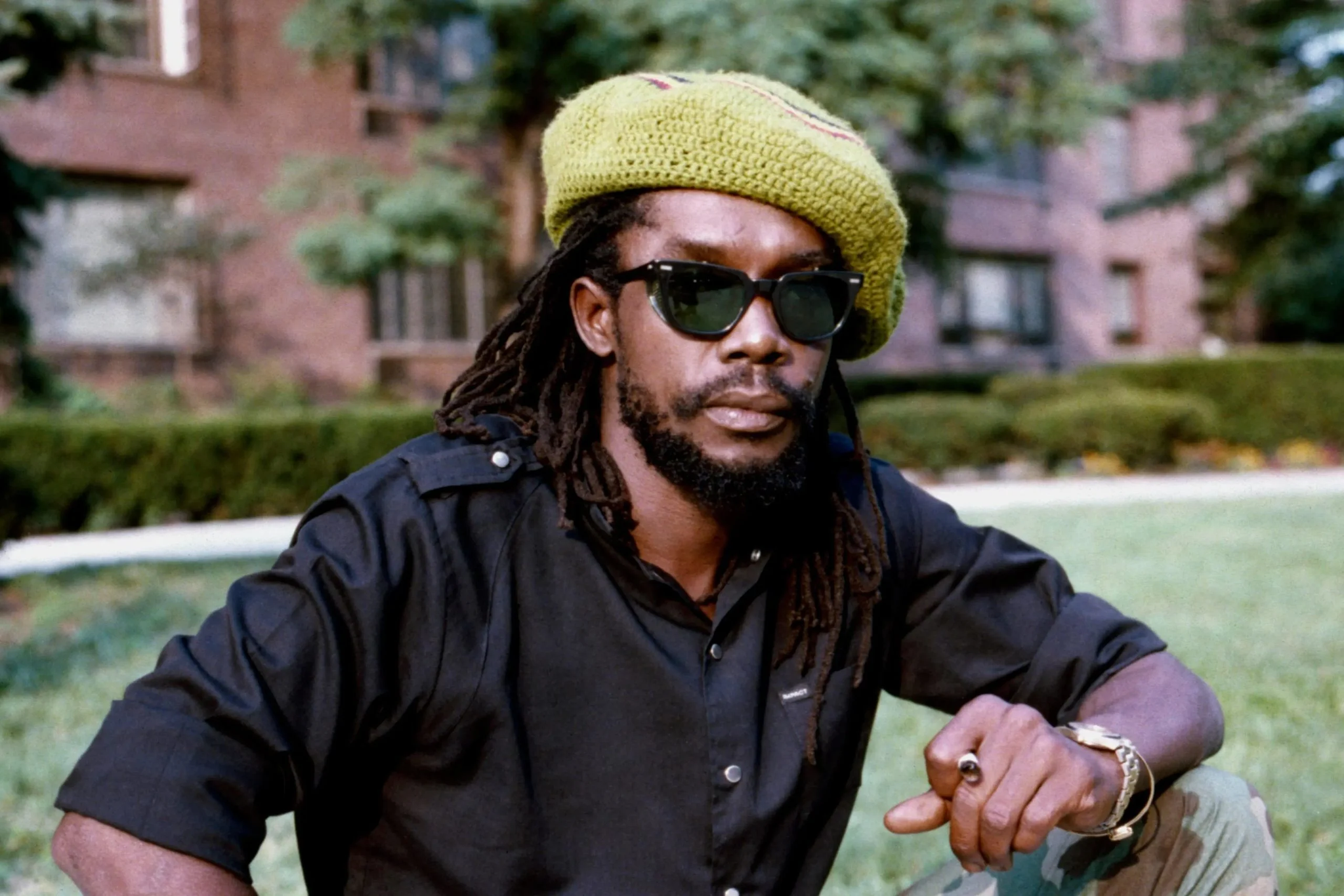


Chronixx wants a separate lane for machine-made music.
As attention turns to the 2027 Grammy race, the Jamaican reggae singer has called for albums created using large language models and machine learning to compete in their own category, adding his voice to the debate over artificial intelligence’s place in music.
“LLM and machine learning albums should be in a separate category,” he wrote on Instagram.
The Grammy-nominated artiste made the remark in a post reflecting on his musical journey, his latest album, Exile, and plans to return to the concert stage. He also disclosed that he is represented by Creative Artists Agency, better known as CAA.
The Los Angeles-based American talent and sports agency became majority-owned by Groupe Artémis, the investment company of French billionaire François-Henri Pinault, in September 2023. The transaction reportedly valued CAA at US$7 billion.
Chronixx’s proposed distinction touches a growing concern: how to recognise human artistry as increasingly sophisticated technology enters the recording process.
In reggae and dancehall, that conversation already stretches from songwriting and promotional visuals to voice imitation, ownership and the use of recordings to train AI systems.
Robert Lancaster’s “Let Babylon Burn”, cited in discussions about AI-generated reggae, reportedly has more than 130 million YouTube views and millions of Spotify streams. Such figures have sharpened questions about how digitally generated material competes for attention alongside human performers.
The technology is also finding uses beyond the recordings themselves.
An AI-generated video adapting Audrey Hall’s classic “One Dance Won’t Do” was reportedly accepted into the AI Film Awards in Cannes, France, while artistes have been exploring AI-assisted promotional material.
Those applications raise different questions from synthetic vocals or automated albums. A computer-generated visual accompanying an existing recording does not involve the same creative process as generating the music itself.
For some Jamaican creators, however, the central issue is consent.
Blvk H3ro has publicly alleged that roughly 77 of his songs appeared in AI training databases without his permission. His concerns bring the discussion back to the people whose work helps develop the technology—and whether they retain control over its use.
Others see a role for AI within a process still directed by human creators. Jamaican songwriter Carolyn
Wellington, known as Kerro Lux, uses the technology to develop demonstrations of her original compositions before working with live singers and musicians.
Chronixx’s brief statement does not spell out where he would draw the boundary between those approaches. Nor does it announce a change to Grammy categories.
It does, however, put a pointed question before the industry: when an album reaches the awards stage, how much of the performance and creation should belong to a person?