
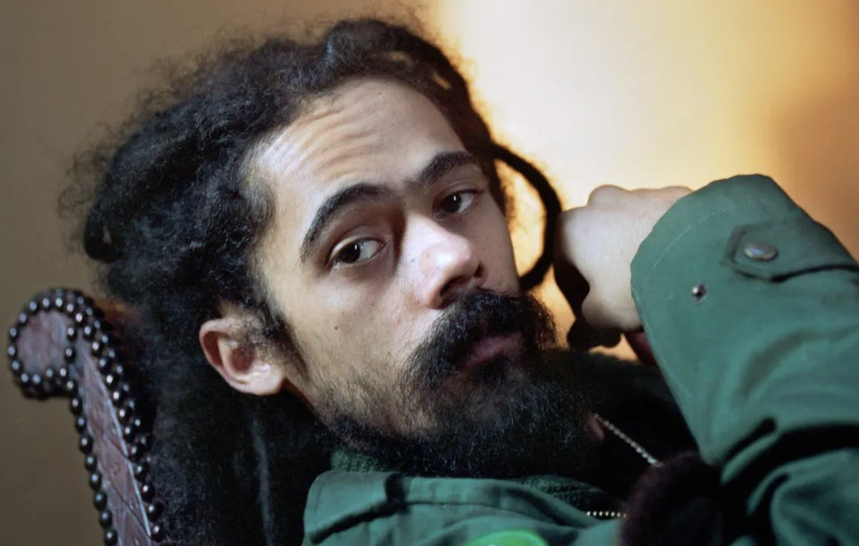

The meaning of “Road to Zion” comes from Rastafari. Damian “Jr. Gong” Marley and Nas use Zion as the goal of a long walk away from oppression. In their verses, that walk means staying faithful while police abuse, poverty and racial injustice surround them.
One interpretation describes the 2005 track as a song that intertwines the spiritual journey towards a metaphorical Zion with commentary on social and political issues.
Song Facts
“Road to Zion” appears on Marley’s third studio album, Welcome to Jamrock. Apple Music lists the album’s release date as September 12, 2005. Sources disagree on the regional dates.
One Wikipedia page says it came out on 12 September 2005 in the United States and 13 September 2005 in the United Kingdom. The album’s own Wikipedia page reverses that order.
The track was the 2nd US single to be taken from Damian Marley’s Welcome to Jamrock, while “The Master Has Come Back” was released in Europe.
The credits also vary by source. Wikipedia names Damian Marley, Nasir Jones as songwriters and Stephen Marley as producer.
WhoSampled lists Producers: Damian Marley, Stephen Marley. A 2005 promo CD’s notes say the song was Recorded at Lion’s Den Studio, Miami, Florida & Marley Music Studios, 56 Hope Road, Kingston 6, Jamaica.
The Ella Fitzgerald Sample
The song’s haunting opening comes from jazz. The promo single’s notes say it contains samples from the composition “Russian Lullaby” as performed by Ella Fitzgerald.

WhoSampled traces that recording to the 1958 Verve album Ella Fitzgerald Sings the Irving Berlin Songbook, where the sample appears at 0:01 (and throughout). That explains why the album’s tracklist credits Irving Berlin, the composer of “Russian Lullaby,” next to the song.
What Zion Means in Rastafari
To understand the song, you need to know the two opposites at the center of Rastafari. According to TheCollector, the Rastafari worldview places itself between two theological/ideological poles: Zion and Babylon.
Britannica explains that Rastas await their deliverance from captivity and their return to Zion, the name for Ethiopia drawn symbolically from the biblical tradition.
Zion does not have to be a physical place. For Rastas, the Promised Land might be achieved either through a physical return to Africa or through spiritual fulfilment. Babylon is the opposite. Britannica describes people of African descent around the world as “exiles in Babylon.”
Lyrics Explained
Marley paints a world full of hostility and pressure. Writers have pointed to his lines about authorities abusing their power and a media that fails the public. He also asks for charity for single parents and love and prosperity for young people.
The chorus repeats one main idea: keep walking toward Zion even after broken dreams and tragedy. Letras.com reads that chorus as an anthem of perseverance and hope amidst adversity.
A 2008 essay from a religious studies course found that much of Damian’s lyrics are based on traditional Rastafarian ideas and conflicts. The same essay notes that some of his lines also comment on current events.
The song does not reject resistance. A University of Amsterdam essay points out that Marley says the road should be walked by any plan and by any means.
It argues that this resonates more with Dorlin’s argument, especially since he expresses that he sometimes “can’t help but feel helpless”.
Nas takes the song beyond Jamaica. According to Letras.com, his verse brings in global issues, referencing President Mugabe’s regime in Zimbabwe and the plight of black communities in America.
He also looks back at his own past, with images of crack, prostitution and police threatening Black children. He admits his own materialism and points to how many Black people are in prison.
The Music Video
The video uses the theme of captivity. In Wikipedia’s summary, Nas breaks out of a prison and meets the young Marley back in a project hallway.
Legacy: The Road to Distant Relatives
The song’s longest-lasting impact is the partnership it started. Vibe reported in 2020 that the two artists first discovered their creative chemistry while recording the track “Road to Zion,” Asked how their joint album happened, Marley told Vibe: “That’s the way Jah planned it,” That album, Distant Relatives, was released on May 10th, 2010 and debuted at #5 on the Billboard 200 chart.
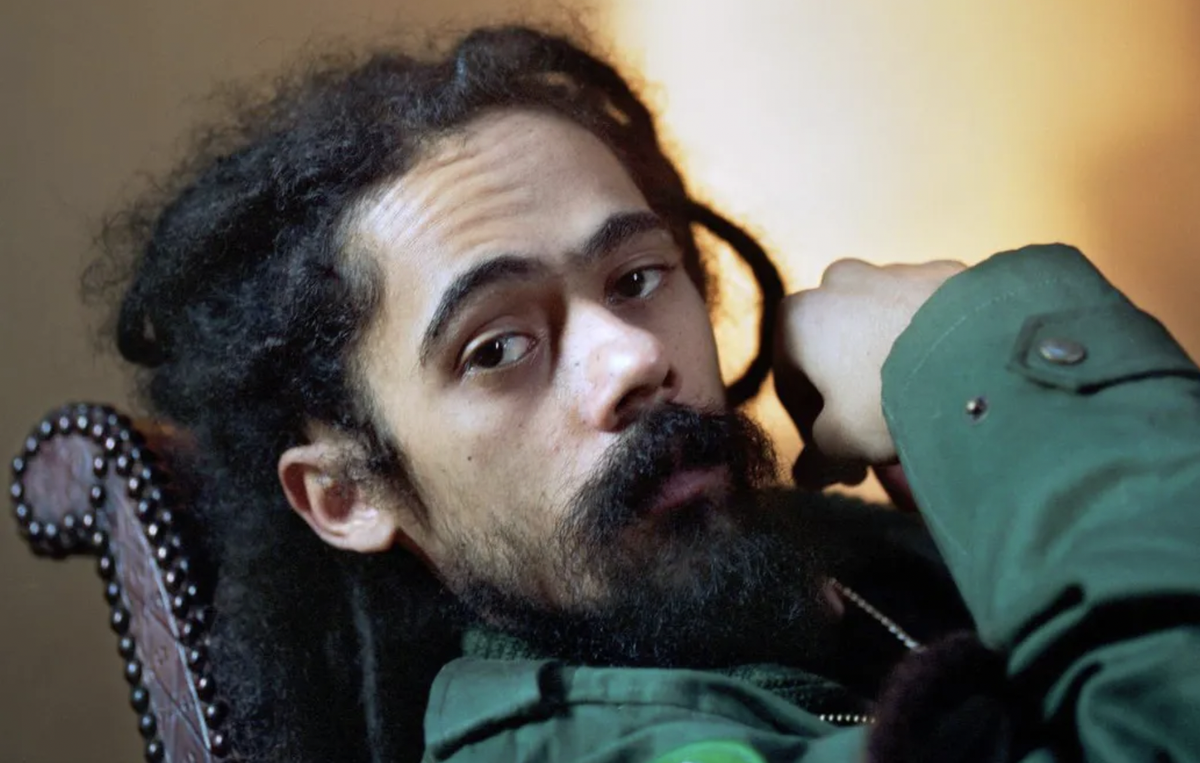
In a GRAMMY.com interview for the album’s 15th anniversary, Marley said Universal wanted a different second single. He said the company wanted to go with “Beautiful,” the song with Bobby Brown.
Marley picked “Road to Zion” anyway. Looking back, he said: “I’m glad that I’m known for ‘Road To Zion’ as opposed to being known for ‘Beautiful.'”
Wikipedia lists a United Kingdom (BPI) Silver certification for the single, representing 200,000 units. No certification date is given. The album as a whole did well. It reached number seven on the Billboard 200 and earning two GRAMMYs, but “Road to Zion” was not one of the Grammy-winning tracks.
Marley won Best Reggae Album and Best Urban/Alternative Performance (for the track “Welcome to Jamrock”) at the 2006 Grammys.