

If you have ever typed “she’s royal meaning” into a search bar, you are far from alone.
Tarrus Riley’s signature anthem has sustained an extraordinary life across nearly two decades, and its central message, that a woman’s worth is intrinsic, her queenliness needing no embellishment or external validation, has only grown more resonant with time.
Here is a complete breakdown of what the song means, where it came from, and why it still matters.
Who Is Tarrus Riley?
Before unpacking the lyrics, it helps to understand the artist behind them. Omar “Tarrus” Riley, born April 26, 1981, is a Jamaican-American reggae singer and member of the Rastafari movement.
Born in the Bronx, New York, and raised in Jamaica, he is the son of Jimmy Riley, a veteran singer and member of the Uniques and Techniques.
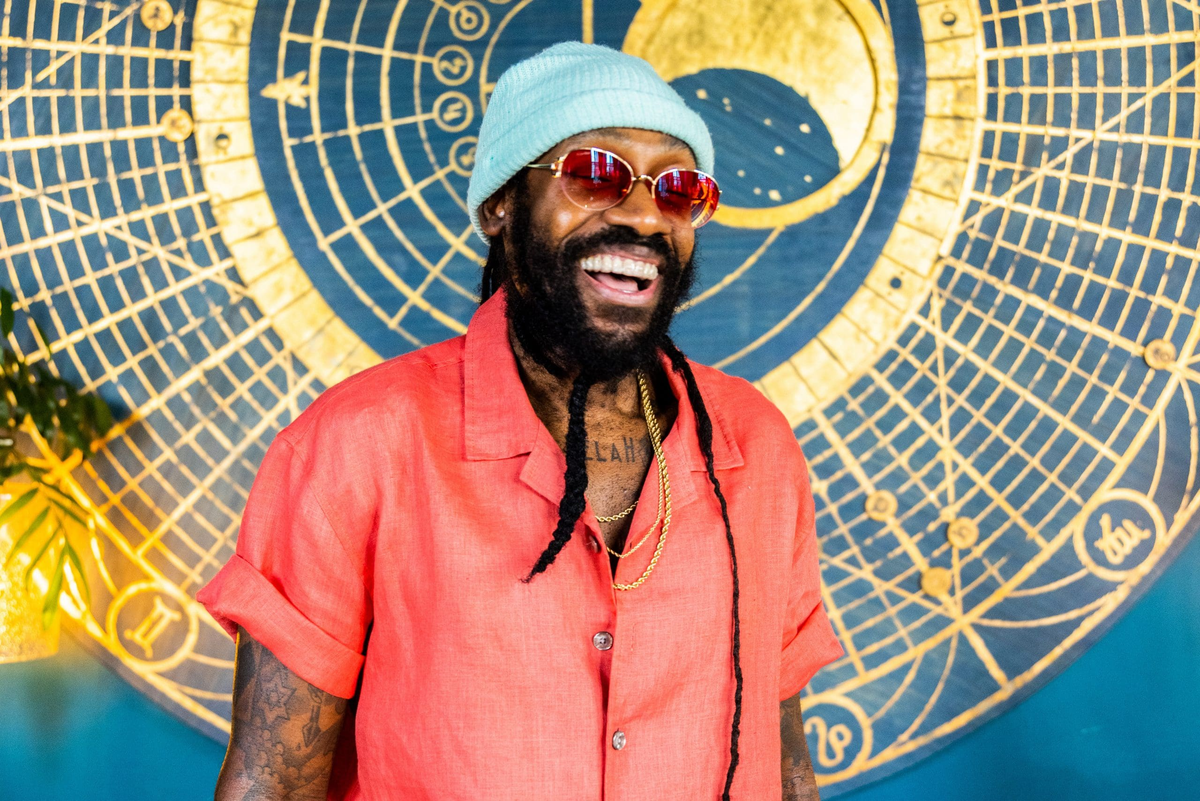
His early career saw him self-teach various instruments and begin songwriting, with his music often exploring themes of love, social issues, and Rastafarian teachings, resonating with a wide audience.
In 2004, Tarrus released his debut album, Challenges, recording it with an independent label out of Miami. It was his second album, however, that would change everything.
The Origin of “She’s Royal”: A Hurricane, a Friend, and a Question
Recorded in October 2006 and released in early 2007, “She’s Royal” was produced by renowned saxophonist Dean Fraser.
It was featured on Riley’s sophomore album, Parables, on VP Records, as the third single off the album. Previous hits from the album were “Beware” and a cover of John Legend’s “Stay With You.
The song’s origins tell a story that is almost as compelling as the track itself. “She’s Royal” came about as a self-esteem booster: at the time, Riley knew some girls who needed a confidence boost, and he wanted women to feel confident about themselves, as he told the Jamaica Observer.
The title itself emerged from a moment of creative challenge. While waiting out Hurricane Emily back in 2005 at a friend’s house, Riley shared an early version of the song’s chorus with his friend, and revealed his initial name for the song: “She’s Got It.” His friend asked, “She’s got what?” and according to Riley, the question drove him to consider what he actually wanted to say.
His response came quickly: “We want the woman queen up and look up. We want them be positive.” That is when it hit him. “Alright, ‘She’s Royal.'” The song was tweaked to reflect the sentiments of the newfound title, and Riley ultimately moved forward with the version music lovers have come to know and love today.
The track was recorded at producer Mikey Bennett’s Grafton Studios, while laying the rhythm was done at Tuff Gong.
“She’s Royal” Meaning: A Verse-by-Verse Breakdown
The song opens with the narrator confessing a rare moment of vulnerability. It begins with the artist admitting that he is not usually shy, but something about this woman makes him feel nervous; nevertheless, he does not give up, and he gets his words just right before approaching her.
This admission immediately separates “She’s Royal” from conventional romantic flattery: the narrator is not positioning himself as dominant or effortlessly charming. He is humbled.
He promises to treat her as she deserves to be treated and vows that she will never have to cry. The pledge is deliberate and direct, rooted in the reggae tradition of the respectful “rude boy” who pledges loyalty before courtship. It frames the relationship Riley is seeking as one built on dignity rather than seduction.
The chorus is where the she’s royal meaning crystallises. The lyrics celebrate the natural beauty and unique qualities of a woman, portraying her as a queen deserving of love and respect.
The repeated declaration that she is “royal” carries a specific weight: it is not a compliment about physical appearance alone, but a statement of inherent status. She does not need to earn her queenliness. It already belongs to her.
The repeated references to her being a “queen” and “royal” underscore the idea that true beauty and worth come from within, and that a woman’s strength and self-assurance are what make her truly special.
The second verse delivers one of the song’s most quoted lines about needing no make-up to be a cutie. The lyrics paint a vivid picture of admiration and respect for a woman who stands out not just for her physical beauty but for her confidence, authenticity, and regal demeanor, with Riley conveying a deep appreciation for a woman who moves to her own beat.
The song emphasises that she is not afraid or ashamed of who she is and has the qualities of a true queen. In a media landscape that has long pressured women to conform, these lines carry a quiet but firm counter-message.
The artist also recognises that many men are interested in her, but he knows that he needs to offer more than just wine and dine.
This is a critical lyrical move: it acknowledges that the woman is desired by many and raises the bar for what genuine courtship must look like.
The bridge introduces the phrase “Nubian queen,” and this is where the song expands beyond a personal love declaration into something culturally layered.
The song resonates with themes of African heritage and pride, as seen in the references to a “Nubian queen,” and this connection to African royalty and history adds a layer of depth to the song, celebrating not just the individual woman but also the broader cultural identity and legacy she represents.
This dimension is not incidental. Riley has spoken directly about the link between the song and his Rastafarian faith and his broader reading of history.
In one interview, he disclosed that the song was a “reality song,” explaining that he wrote it “just to let women feel nice,” because conditioning from slavery still resonates today and women still lack self-esteem, and they need music to make them feel good.
The singer also revealed that his identity as a Rastafarian factored into the song’s creation: “As a Rasta you have to look to yourself as kings and princes, and because a prince must have a princess and a king have a queen.”
The “Nubian queen” reference, then, is not decorative. It roots the song’s celebration of womanhood in a lineage of African royalty and Rastafarian philosophy, framing Black women’s dignity as something ancient, earned, and unassailable.
Production: Dean Fraser and the Sound of “Parables”
The sonic architecture of “She’s Royal” is inseparable from its message. The song was produced by legendary saxophonist Dean Fraser for Riley’s Parables album on VP Records.
Fraser, one of Jamaica’s most celebrated session musicians and producers, brought a warmth to the track that matched its lyrical gentleness, favouring melodic roots reggae over harder dancehall textures.
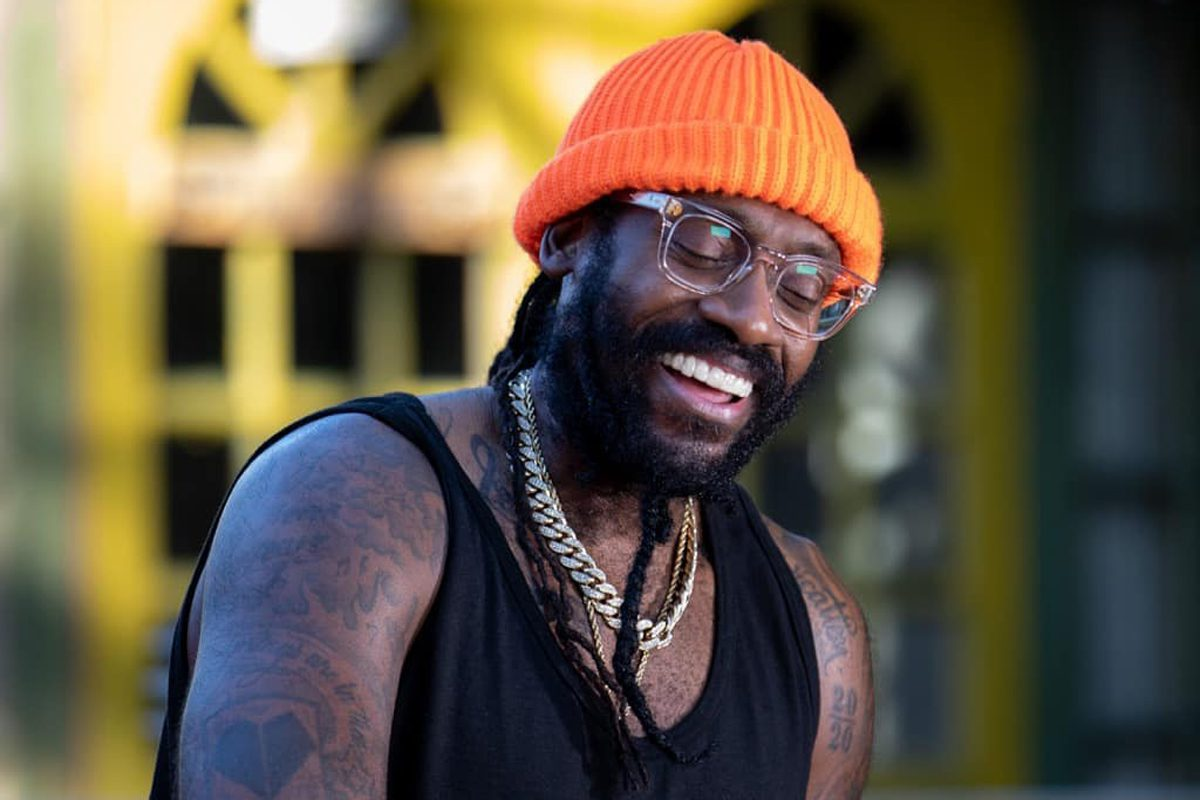
Riley worked on Parables with Dean Fraser and was not surprised at the success it had, and described working with Fraser on something “as great and historic as Parables” as an honour.
Tarrus Riley made a bold entrance onto the music scene in the mid-2000s with albums like Challenges and Parables, the latter of which included the Sly and Robbie-aided hit “She’s Royal.
Chart Success, Awards, and Legacy
“She’s Royal” did not conquer Jamaica first. It broke last in Jamaica, having been a big hit across the Caribbean long before Jamaica caught on, before eventually topping charts locally and also in South Florida, New York, Canada, and reggae charts in Europe.
The awards followed quickly. The success of “She’s Royal” earned Riley the 2007 Artist of the Year recognition from the Jamaica Observer; the 2008 Excellence in Music and Entertainment (EME) Awards for Male Vocalist and Song of the Year; and at the 2008 Reggae Academy Awards, Best Reggae Song, Most Popular Song (both for “She’s Royal”), and Best Solo Male Reggae Vocal Performance.
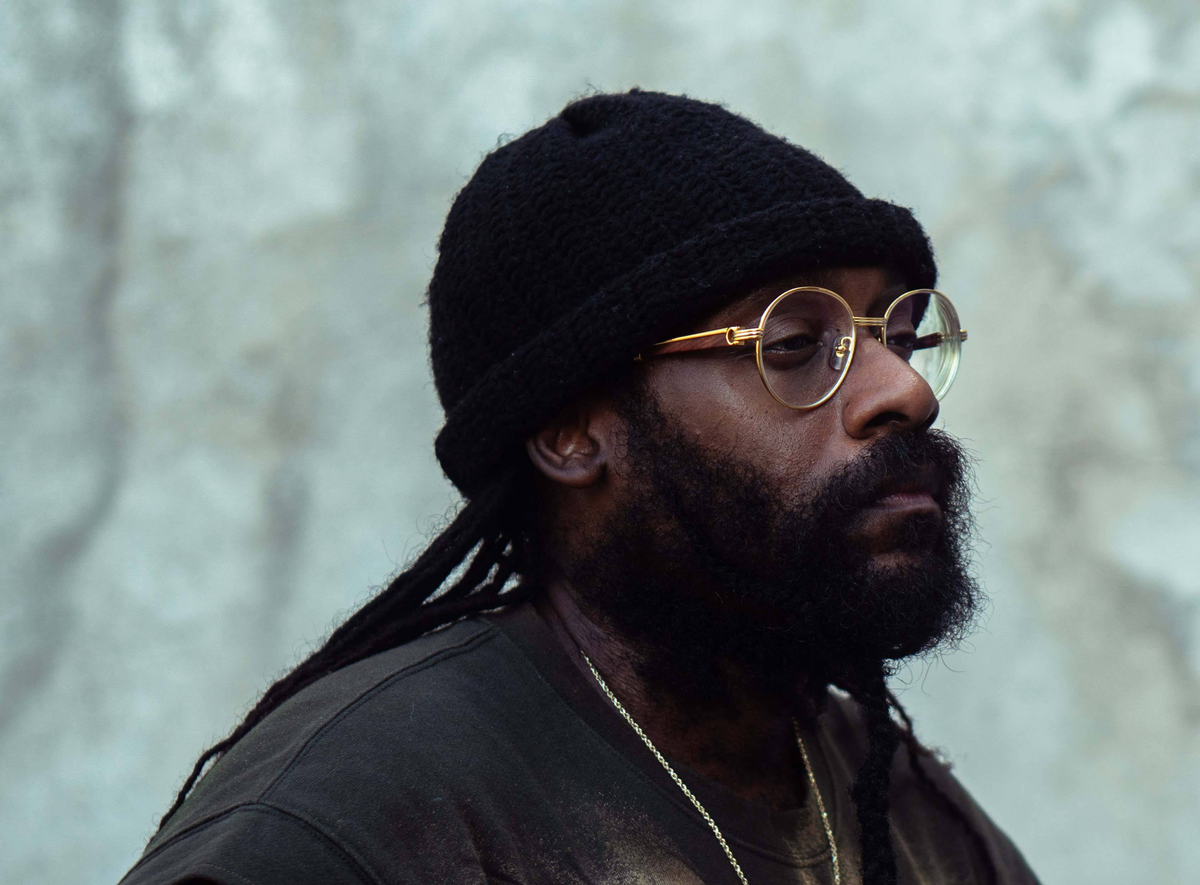
Riley is also the holder of Jamaica’s CVM TV 15th Anniversary Award, held in February 2009, for the “Most Admired Song in the Past 15 Years” for “She’s Royal.”
The song’s longevity has proven even more remarkable than its initial impact. The music video for Tarrus Riley’s 2006 hit crossed 100 million views on YouTube on July 19, 2023.
The visuals, which featured Riley serenading his Caribbean Queen, were directed by Rupert Campbell and Richard Delapenha.
In 2024, the song reached a new international milestone. Reggae singer Tarrus Riley’s 2006 hit “She’s Royal” was certified Silver in the United Kingdom 18 years after its release, with the British Phonographic Industry issuing the Brit Certified Silver Award after the song sold over 200,000 units in the UK, as measured by The Official Charts Company. It is Riley’s first song as a lead artist to be certified in the country.
As of February 2024, “She’s Royal” is Riley’s most streamed song on Spotify at 38 million plays, followed by “Superman” at 22 million plays and “Lighter” with Shenseea at 19 million plays.
Why the Message Still Lands in 2026
The she’s royal meaning has held because it does something deceptively simple: it tells a woman she is already enough. No transformation required. No standard to meet.
The song highlights themes of admiration, authenticity, and the importance of valuing a good woman. In an era of curated social media identity, that message has not aged. It has sharpened.
Riley’s choice to frame royalty not as wealth, status, or glamour but as an internal quality, a way of moving to one’s own beat, of being unafraid and unashamed of who you are, gives the song a philosophical durability that most reggae hits of the same era cannot claim.
The Rastafarian undertow, the Nubian queen reference, the careful promise of genuine treatment: all of it coalesces around a single, quietly radical idea: she does not need to become royal. She already is.