

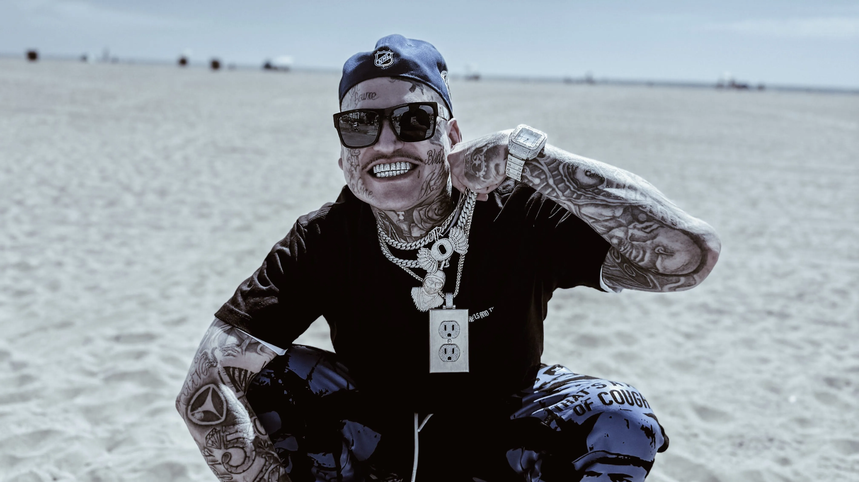

Mario Sanchez believes Lefty Gunplay could face safety concerns if the Los Angeles rapper were to perform in the Bay Area, pointing to regional tensions and Lefty’s public comments about street affiliations.
Sanchez, a former Norteño shot caller who has spoken publicly about his past involvement in California street and prison culture, shared his opinion during a recent VladTV discussion about Lefty and the possibility of him performing in Northern California. VladTV identified Sanchez as a former Norteño shot caller in its coverage of the interview.
When asked whether he believed Lefty could safely perform in the Bay Area, Sanchez gave a cautious assessment.
“My own personal opinion, probably not,” he said.
Sanchez pointed to what he described as Lefty’s outspoken public persona and previous online exchanges involving figures from Northern California.
“He carries himself kind of loud,” Sanchez said, suggesting that comments made online could affect how the rapper is received in the region.
“I just don’t think he would probably be received too well up there,” he added.
Sanchez also described the issue as a two-way dynamic, arguing that artists associated with Northern California could face similar difficulties if they attempted to perform in parts of Southern California.
“Just like any of those cats from Northern California wouldn’t come down here to try to do any shows,” he said.
The discussion then turned to whether police protection could change the situation.
Asked whether Lefty could perform in San Francisco with police security, Sanchez questioned whether that would be an option for someone who considers himself active in street life.
“I don’t think he’d show up with police security,” he said.
Sanchez explained that, in his view, people who remain active in street affiliations generally avoid working with law enforcement.
“People that consider themselves active or they’re active in the streets, they don’t work with the police like that. They’re not supposed to,” he said.
The conversation also considered whether Lefty’s professional career could separate him from the street associations Sanchez was discussing.
Lefty has established himself as a professional recording artist and has worked with major names in hip-hop. VladTV’s account of the discussion specifically referenced his connection to Kendrick Lamar’s music world while examining whether his professional status could change the situation.
Sanchez remained skeptical that professional success alone would eliminate the concerns he was describing.
“If you’re running with the homies and you’re active or you’re running around with active homies, you never work with the police. Period,” he said.
At the same time, Sanchez acknowledged that Lefty is now operating as a professional artist rather than simply recording music as a hobby.
“He’s not just some guy who bangs and raps on the weekends in his friend’s studio,” Sanchez said.
“This is actually a professional rapper right now.”
Sanchez nevertheless argued that a professional music career does not automatically erase the street affiliations or regional tensions that he believes could affect how an artist is received.
The discussion also touched on Sanchez’s broader views about street groups operating in Northern California.
In the same VladTV interview, Sanchez discussed what he described as “upstate Sureños” in Northern California, including areas such as Oakland, San Francisco, and Sacramento.
VladTV separately reported on the discussion in connection with the arrests of nine alleged Sureños in Oakland and investigators’ reported links between the group and 31 Bay Area homicides.
Those allegations concern specific individuals and cases and should not be generalized to all Sureños or Mexican-American communities.
Sanchez’s comments about Lefty were presented as his personal assessment of the potential risks associated with the rapper performing in the region.
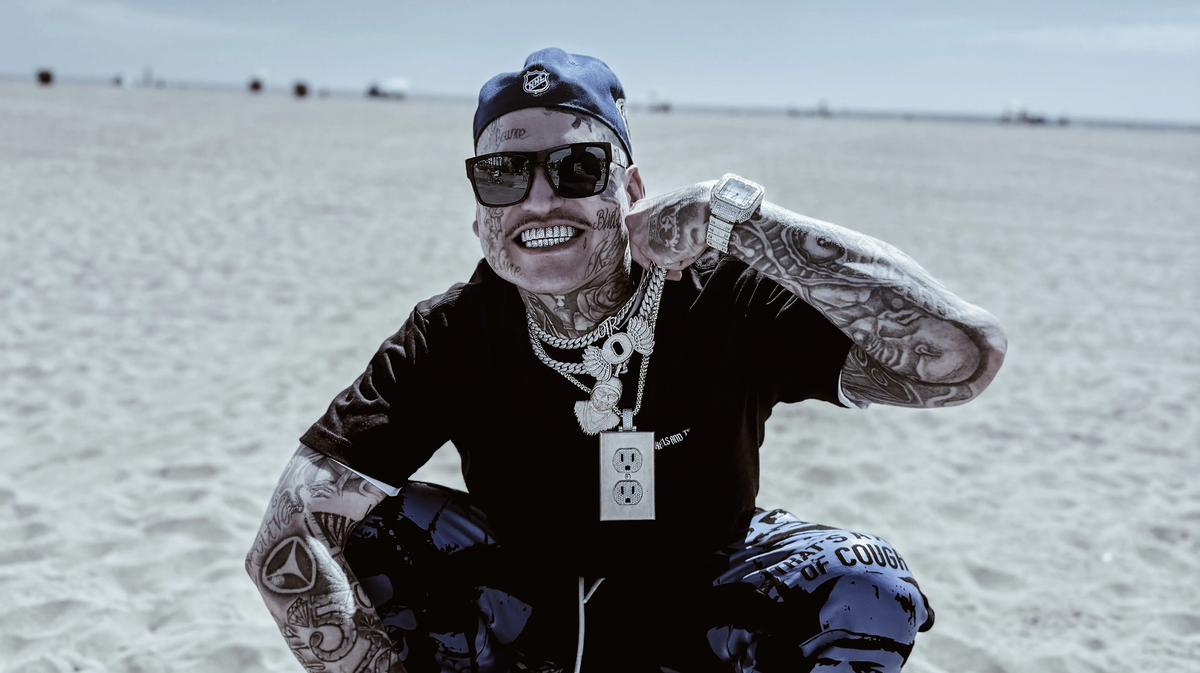
He did not identify a specific planned incident involving Lefty or predict that a particular act of violence would occur.
Instead, his argument centered on the interaction between an artist’s public street affiliations, regional rivalries, and the expectations that can exist around active street involvement.
For Sanchez, Lefty’s professional standing does not necessarily remove those tensions.
The comments come as Lefty’s profile continues to grow, raising questions about how artists with ties to street culture navigate increasingly visible careers across different regions.



This is Mario Sanchez. I never said I was a gang expert. I’m an ex con that changed my life. – I was on Vlad TV to share my new book that was released on 9-15-26. – don’t spread propaganda about Mexican gangs. That’s BS.
Thanks for the clarification. We’ve updated the article to correct how you’re described and revised the section on Mexican gangs to make sure the comments are properly attributed to the VladTV interview. We appreciate you pointing this out.