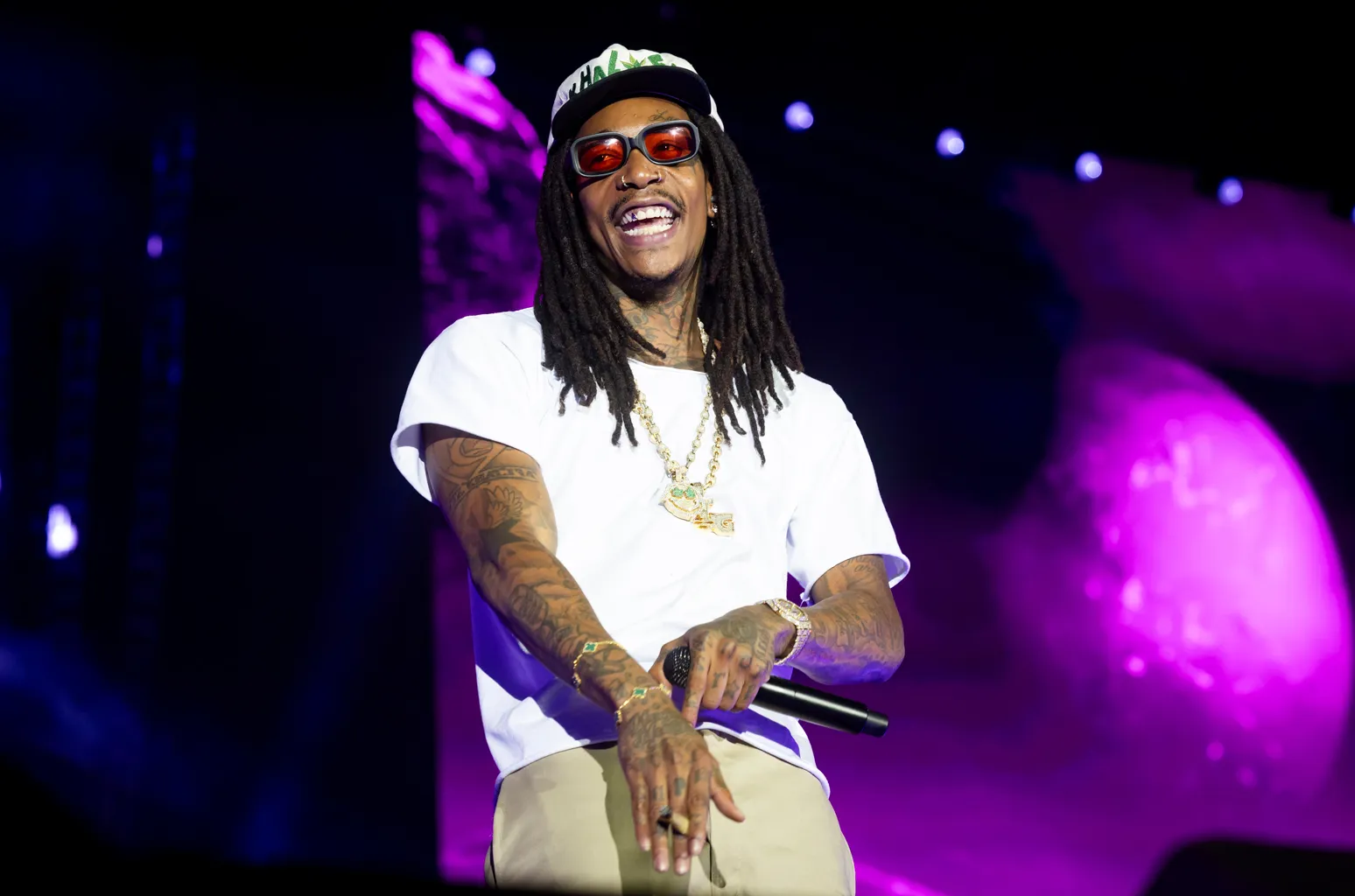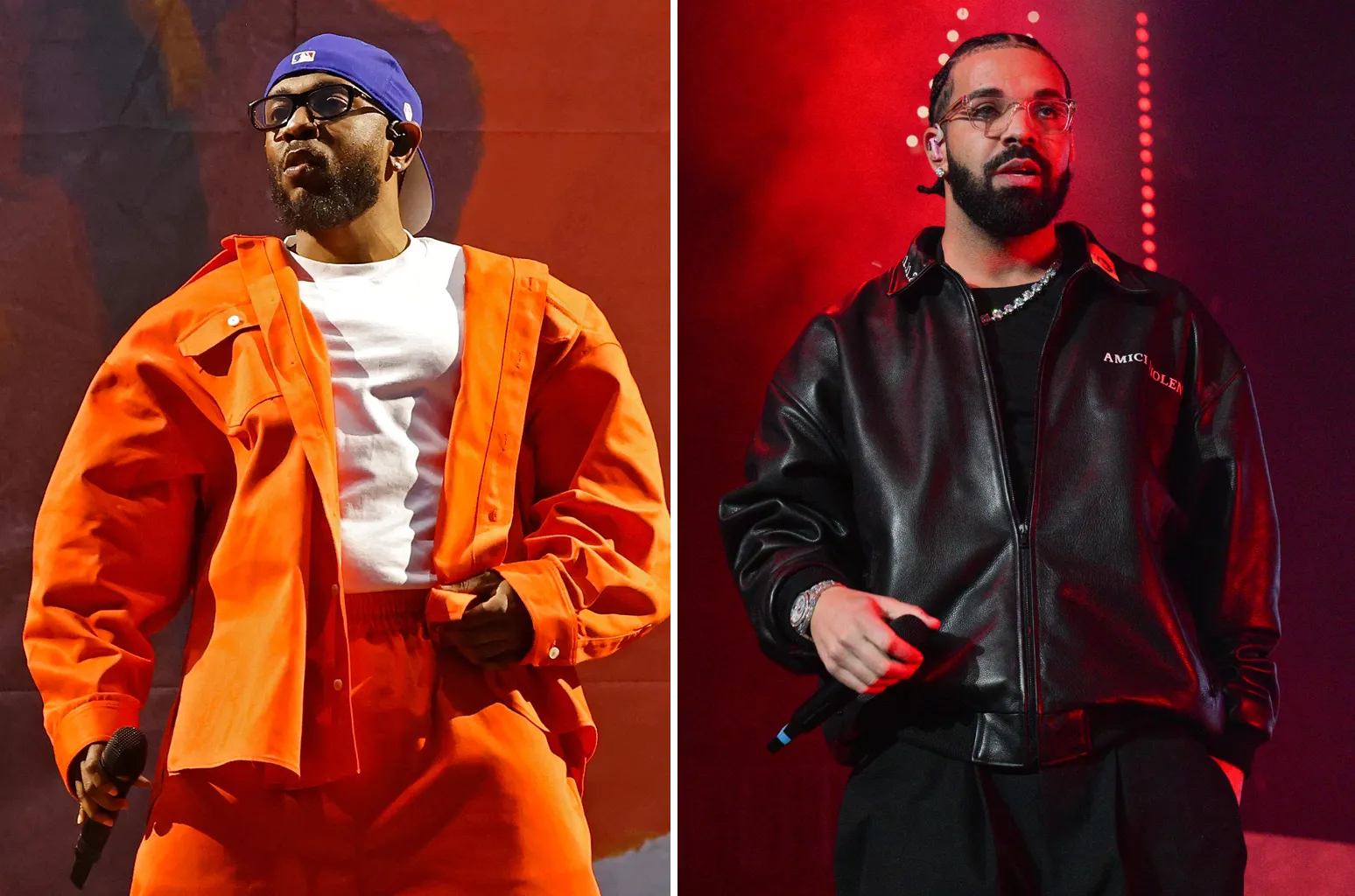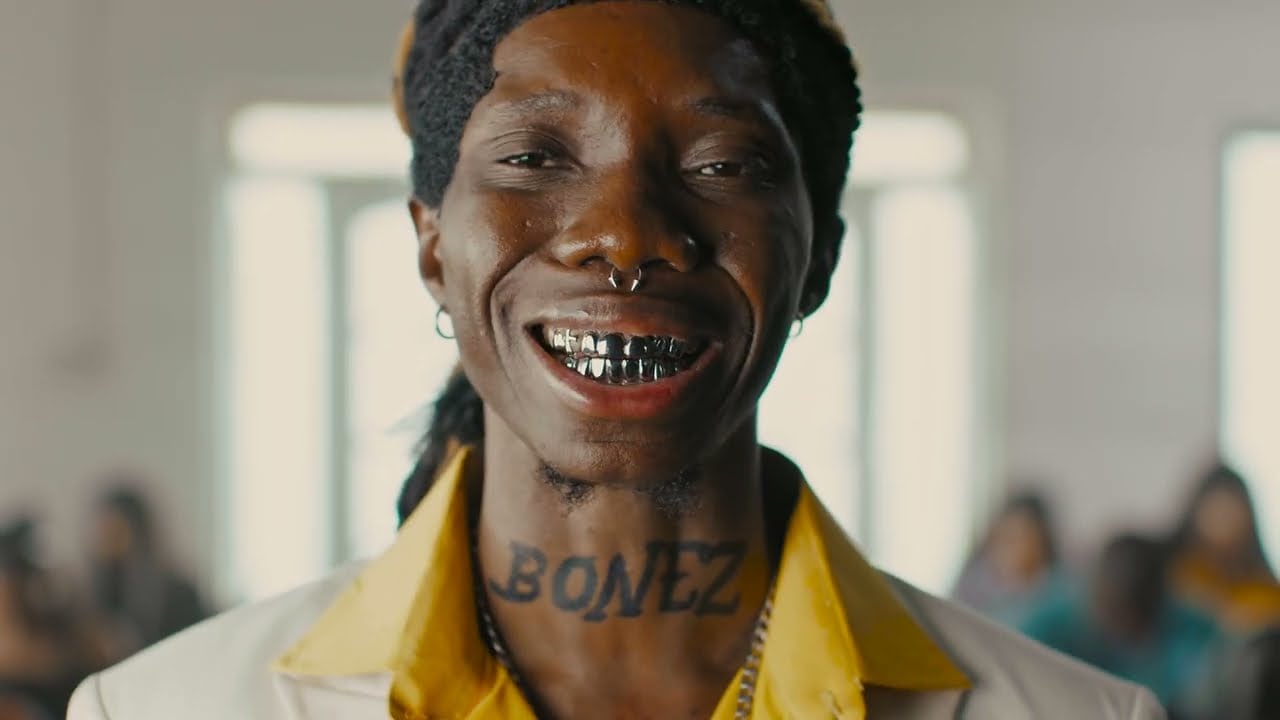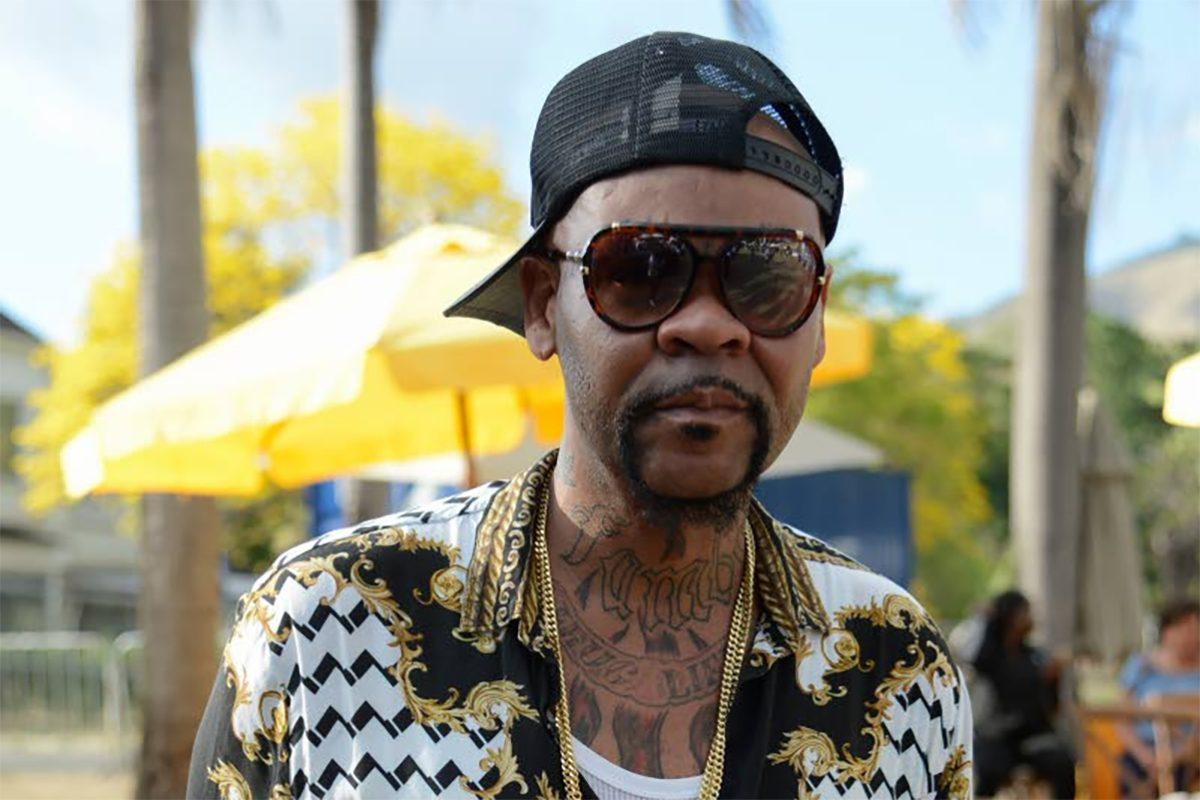


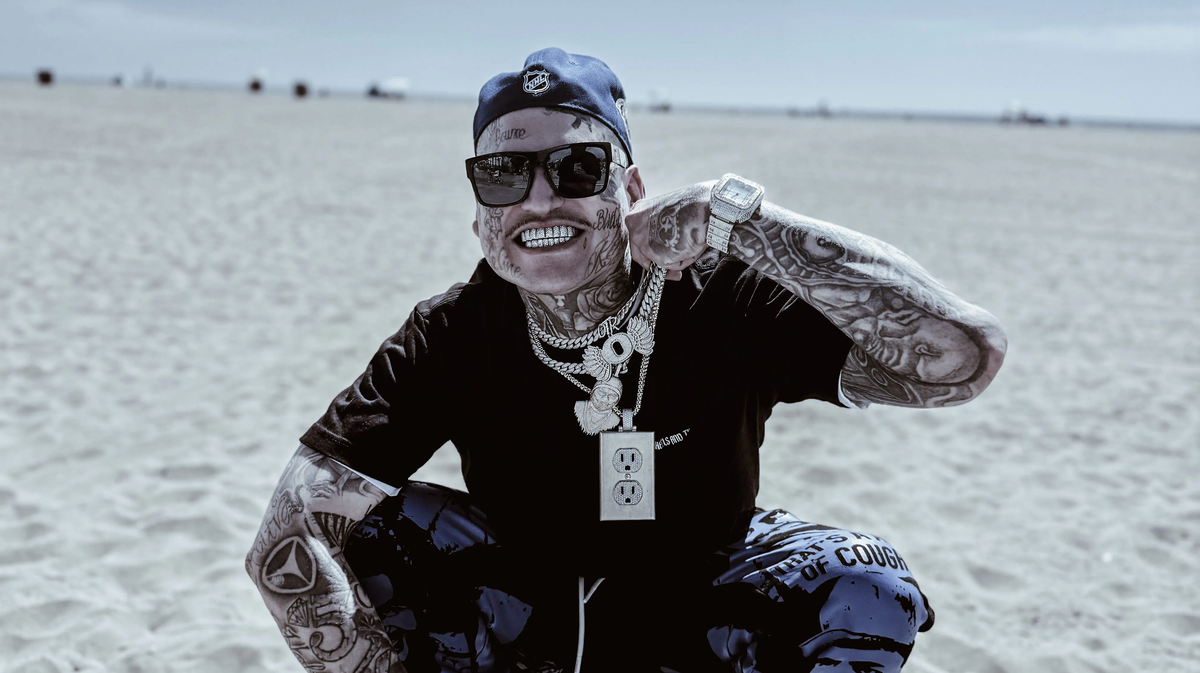
Lefty Gunplay’s Grammy credit and rising profile may not be enough to protect him if he were to perform in the Bay Area, according to gang expert Mario Sanchez.
Sanchez, who has studied street dynamics across California for years, says the rapper’s public persona and history of online conflict with Northern California figures make him a target regardless of his professional status.
The warning comes after Lefty, a self-identified Southsider, reportedly expressed openness to performing in the Bay Area. Sanchez was direct when asked whether that could happen safely. “My own personal opinion, probably not,” he said.
His reasoning centers on how Lefty carries himself publicly. “He carries himself kind of loud,” Sanchez said, adding that past statements made online would likely work against him.
I just don’t think he would probably be received too well up there.” Sanchez framed it as a two-way street, noting that artists from Northern California face the same barriers heading south. “Just like any of those cats from Northern California wouldn’t come down here to try to do any shows,” he said.
The question of security was raised directly. If Lefty were to show up in San Francisco with police protection, would that change the calculus? Sanchez dismissed the premise before it could take hold. “I don’t think he’d show up with police security,” he said.
His explanation was rooted in street code rather than logistics. “People that consider themselves active or they’re active in the streets, they don’t work with the police like that. They’re not supposed to.”
The follow-up pushed harder. Lefty is no longer just a street figure. He has a Grammy, an appearance on Kendrick Lamar’s album, and a legitimate career in music.
Could he use that standing to separate himself from his past affiliations and move more freely? Sanchez was unconvinced.
“If you’re running with the homies and you’re active or you’re running around with active homies, you never work with the police. Period,” he said.
Sanchez acknowledged that Lefty is, by any measure, a professional artist at this point. “He’s not just some guy who bangs and raps on the weekends in his friend’s studio,” he said.
“This is actually a professional rapper right now.” But professional status, in his view, does not override the rules that govern street affiliation. The Grammy does not cancel the flag.
The broader context Sanchez outlined involves Sureño groups operating in Northern California, including pockets in Oakland and areas stretching toward Sacramento, which he described as upstate Sureños.
These groups, he noted, have been linked to a significant number of Bay Area homicides, underscoring that the regional tension Lefty would be stepping into is not symbolic. It is ongoing and documented.
Sanchez stopped short of predicting specific outcomes, framing everything as personal opinion. But his assessment was consistent throughout: the music industry and the streets operate by different rules, and when those worlds collide in the wrong geography, credentials offer little cover.