

When listeners search for the wanna be loved meaning, they are most often drawn to one of reggae’s most enduring romantic confessions: Buju Banton’s 1995 single “Wanna Be Loved.”
The track is not a defiant dancehall anthem or a roots-political statement. It is something rarer in Buju Banton’s catalog: a deeply personal appeal for unconditional love, offered with a sincerity that has kept the song in rotation on Caribbean radio and streaming platforms for three decades. This guide breaks down who made it, what it says, and why it continues to resonate.
Who Is Buju Banton?
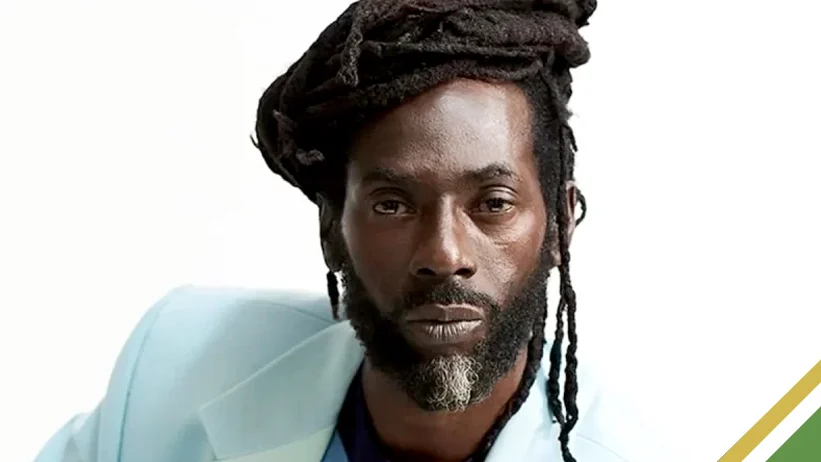
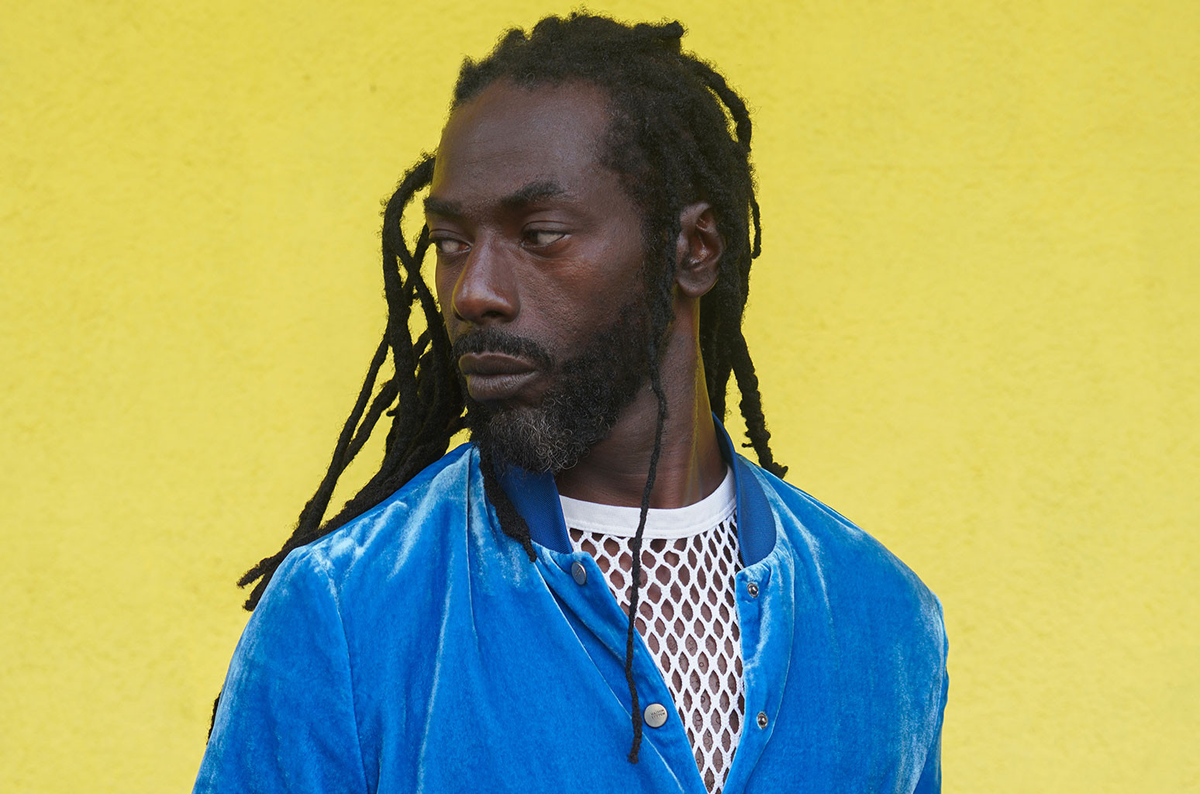
Born Mark Anthony Myrie on 15 July 1973, Buju Banton is a Jamaican reggae and dancehall musician. He grew up as the youngest of 15 children in the Kingston, Jamaica community of Salt Lane.
He started deejaying and “toasting” (speaking over music tracks) at age 13 and began recording music soon after.
The name “Buju” was his childhood nickname, a word for breadfruit often applied to chubby children; he later adopted “Banton” in tribute to one of his earliest musical influences, Burro Banton.

In 1992 he broke Bob Marley’s record for the greatest total number one singles in a year in Jamaica. Debuting with a series of popular “slack” singles that drew criticism for their graphic sexuality, Banton later converted to Rastafarianism and revolutionized dancehall by employing the live instrumentation and social consciousness of classic roots reggae.
The Album: ‘Til Shiloh (1995)
“Wanna Be Loved” belongs to one of the most celebrated records in reggae history. ‘Til Shiloh is the fourth album by Buju Banton, released on July 18, 1995 by Loose Cannon Records, a short-lived subsidiary of Island Records.
It was recorded at studios in Kingston, Jamaica and New York City, with producers including Donovan Germain, Lisa Cortes, Bobby “Digital” Dixon, Dave Kelly, Sylvester Gordon, and Steely and Clevie.
The album marked a significant change in Banton’s artistry, moving in a direction closer to roots reggae, and was widely acclaimed by critics, ultimately becoming considered a classic of reggae music.
In 2019, the album was certified gold by the Recording Industry Association of America (RIAA).
The album was born out of real personal upheaval. After the completion of Voice of Jamaica, two of Banton’s friends were killed; their murders prompted him to re-evaluate his own life, leading to his conversion to Rastafarianism and bringing to an end his glorification of the gun.
These life-changing events are reflected throughout much of ‘Til Shiloh, which proved a much more introspective set than anything previously heard from Banton.
By 1995, Banton was in search of something much bigger. He was in the process of converting to Rastafarianism, began growing out his locs, and studied the words of Ethiopian Emperor Haile Selassie I, spiritually cleansing the hard edges that surrounded his previous music.
‘Til Shiloh was a fearless record that laid a foundation for dancehall artists. Following its release, Capelton, Sizzla, Anthony B, Beenie Man, and others soon folded Rastafari beliefs into their own music.
In 2020, the album was reissued on its 25th anniversary on December 18, including remixes of “Not an Easy Road” and “Wanna Be Loved,” as well as an unreleased track called “Come Inna The Dance” as bonus tracks.
“Wanna Be Loved”: Release and Production Credits
“Wanna Be Loved” was released as a single in 1995 from ‘Til Shiloh. The track was produced by Donovan Germain.
The songwriting credits are shared among Dave Kelly, Haldane Browne, Mark Myrie (Buju Banton himself), and Hopeton St Aubin Lindo. The song was distributed through Penthouse Music.
The single was later included on The Best of Buju Banton, a compilation album released on June 4, 2002 under Hip-O/Universal.
The Meaning of “Wanna Be Loved”: A Verse-by-Verse Breakdown
The wanna be loved meaning at the heart of this song is both immediate and universal: the singer does not want to be loved for his fame, his money, or a projected image. He wants to be loved for exactly who he is.
This was a striking confession for an artist who had built an early career on a hard, street-level persona, and it arrived at a moment when Banton was undergoing a profound transformation as a human being, not merely as a performer.
The chorus is the thesis of the entire track. Banton pleads to be loved “not for who you think I am, nor what you want me to be,” asking plainly whether a woman could love him simply for himself.
He then pivots to reciprocity, expressing a desire to offer “real love, with no strings attached,” and declaring that he wants to give his heart fully without reservation.
The chorus does something deliberate: it places the vulnerability on both sides of the relationship. Banton is not simply asking to be received; he is committing to give in equal measure.
In the first verse, Banton declares he has been “searching for a long long time” for love that will “comfort this heart of mine,” rejecting pretence and describing a virtuous woman as “really hard to find.”
He is not looking for “impossibility,” he says, just “a genuine woman with sincerity,” someone always near, showing care “up front and boldly,” and loving him in every season.
This is a consciously grounded request. There are no extravagant demands and no fantasy. The image of the “virtuous woman” carries a quiet scriptural resonance that aligns naturally with the Rastafarian spiritual journey Banton was undergoing throughout the album’s creation.
The pairing of earnest spiritual seeking in songs like “Untold Stories” with an equally earnest search for human love in “Wanna Be Loved” gives ‘Til Shiloh much of its emotional coherence.
In the second verse, Banton leans into a folksy Jamaican proverb: “every hoe have its stick in a bush,” meaning every person has their rightful match somewhere. He finds himself “caught up passionately in a love rhapsody,” waiting on a queen who has yet to appear.
This verse introduces a note of resigned humor that is characteristic of Jamaican oral tradition. Banton acknowledges that people around him mock his longing, but he holds firm. The emotion is not desperation; it is patient conviction.
In the third verse, Banton states he would rather “stay in isolation” than endure a love built on contention. He would sooner cut all communication, lock away the phones, than settle for conflict.
For the right person, he declares he will wait a lifetime, holding his faith each day in prayer, certain that she will come his way.
The willingness to choose solitude over a compromised relationship is the most mature declaration in the song. It reframes the entire plea: this is not a man who is desperate for any love.
He is specific about the quality of love he seeks and prepared to wait for it. This patience, rooted in prayer and faith, directly mirrors the spiritual conversion theme running through every corner of ‘Til Shiloh.
The Singjay Delivery and Musical Texture
One of the notable artistic achievements across ‘Til Shiloh is Banton’s adaptation of the singjay style, where he moves from his gruff deejay delivery into an uncanny Marley-like vocal quality that reviewers described as truly remarkable.
“Wanna Be Loved” draws on this technique throughout. The track sits in a melodic, lover’s rock-adjacent space that is far removed from the hardcore dancehall riddims of Banton’s earlier work, which allowed the confessional lyric content to land without armor.
AllMusic noted that Banton “opens his soul on ‘Wanna Be Loved.'” That observation points to what makes the track stand apart: in a catalog filled with bravado and, later, weighty spiritual consciousness, “Wanna Be Loved” is the moment when the artist simply lets his guard down.
Legacy and Enduring Appeal
‘Til Shiloh was widely acclaimed by critics and is considered a classic album of reggae music. Within that acclaimed body of work, “Wanna Be Loved” occupies a specific emotional corner that broader consciousness tracks cannot. It speaks to a desire that transcends genre, era, and geography: the need to be seen and loved as one actually is.
A new generation of dancehall artists, including Koffee, Chronixx, and Protoje, have continued in the tradition Banton helped establish, and ‘Til Shiloh remains a manifesto for those looking to explore the Rastafari faith and a closer connection to their ancestry.
“Wanna Be Loved” remains a staple of that conversation precisely because it demonstrates that within that tradition, there is room for intimate human longing alongside spiritual and political fire.
The song’s staying power also owes something to its structural simplicity. The chorus is instantly memorable, the verses build logically, and the resolution, patience sustained by prayer, provides a satisfying emotional arc without a tidy or dishonest conclusion. Banton does not find his queen by the end of the song. He simply reaffirms his faith that she exists.
Key Facts at a Glance
- Artist: Buju Banton (Mark Anthony Myrie)
- Song: “Wanna Be Loved”
- Album: ‘Til Shiloh
- Single Release: 1995
- Album Release: July 18, 1995
- Label: Loose Cannon / Island Records
- Producer: Donovan Germain
- Songwriters: Mark Myrie, Dave Kelly, Haldane Browne, Hopeton St Aubin Lindo
- Album Certification: Gold (RIAA, 2019)
- 25th Anniversary Remix: Released December 18, 2020
Bottom Line
The wanna be loved meaning in Buju Banton’s song is not complicated, but it is profound. It is a public admission, from one of the hardest voices in dancehall history, that underneath the career and the persona is a man who simply wants to be known and loved without conditions.
Released during a period of genuine personal transformation, the track functions as both a love song and a confession of faith in human connection, one that remains as relevant in 2026 as it was the day it first aired on Jamaican radio.