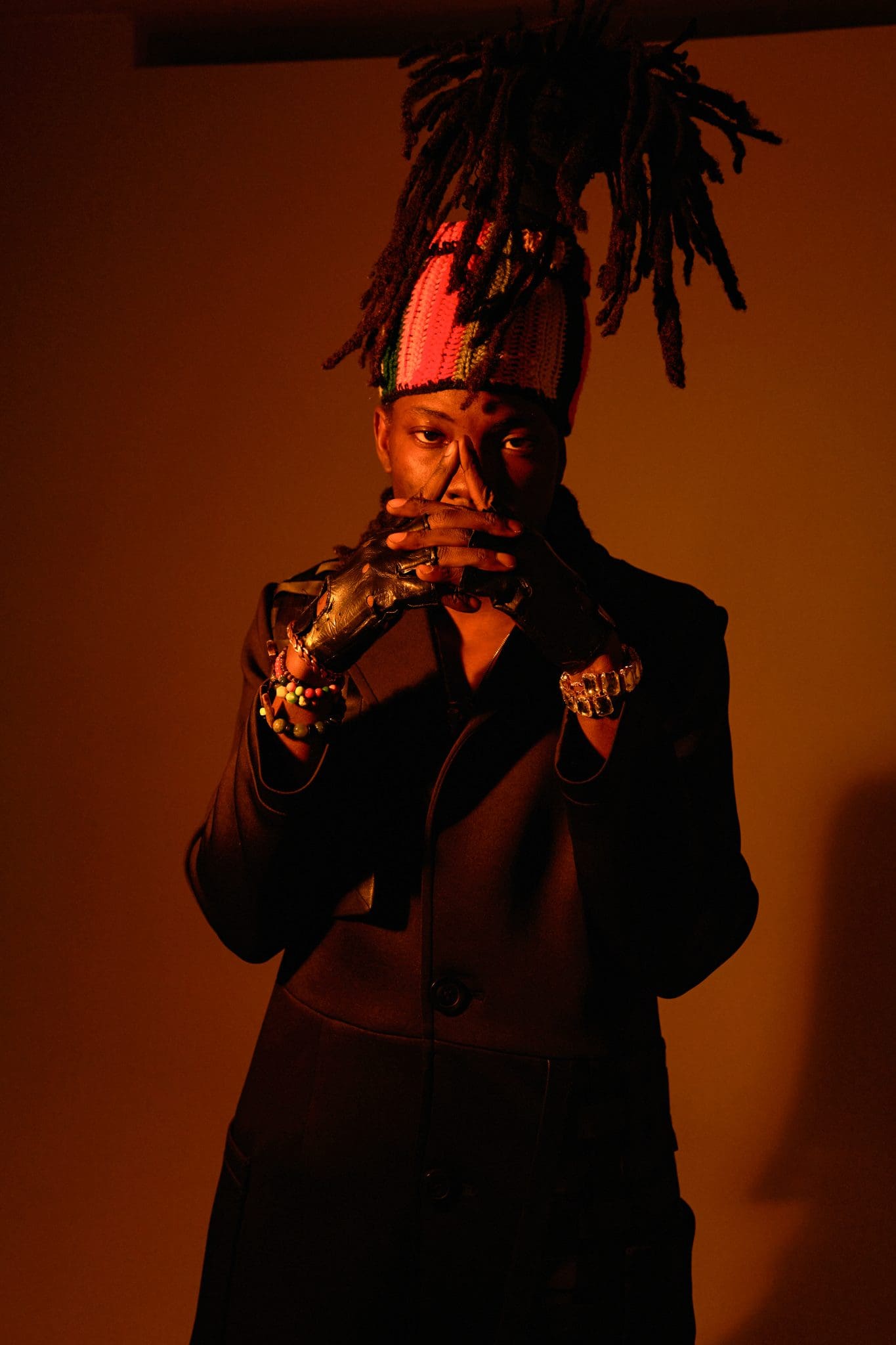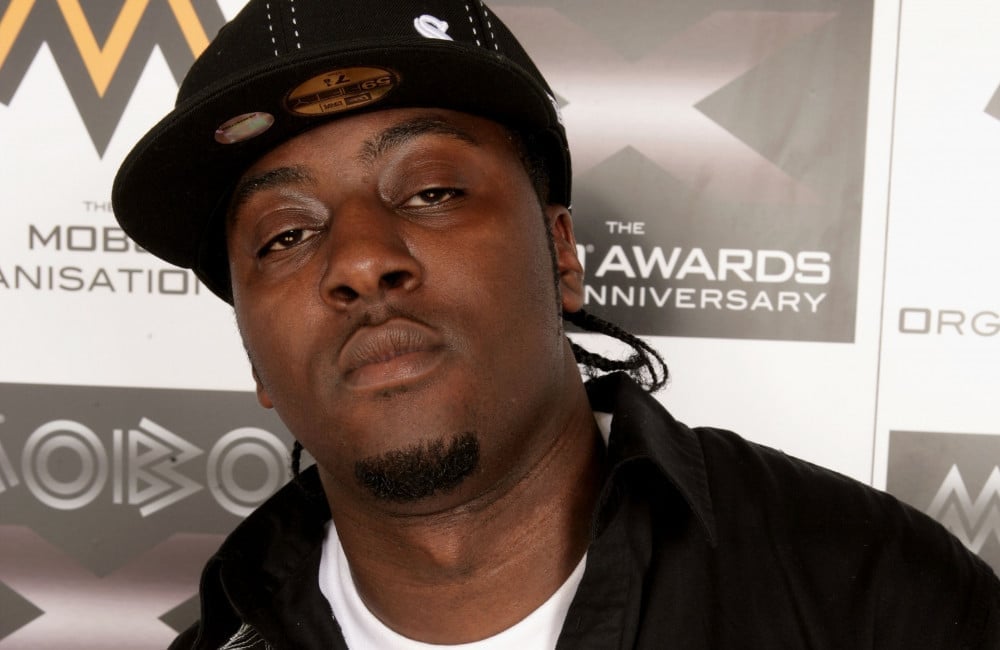


The Rihanna “Work” sample question has a layered answer that stretches across four decades of music history.
The short version: “Work” contains an interpolation of Alexander O’Neal’s “If You Were Here Tonight” (1985), but it arrives there by way of a 1998 Jamaican dancehall riddim.
The most recognizable sampling found in the “Work” riddim is from the 1998 riddim “Sail Away,” which was produced by Richie Stephens and Mikey 2000, interpolating Alexander O’Neal’s “If You Were Here Tonight.”
Understanding the full chain, from a Minneapolis recording studio in 1984 to the top of the Billboard Hot 100 in 2016, is one of the more satisfying sample detective stories in recent pop music.
The Foundation: Alexander O’Neal’s “If You Were Here Tonight” (1985)
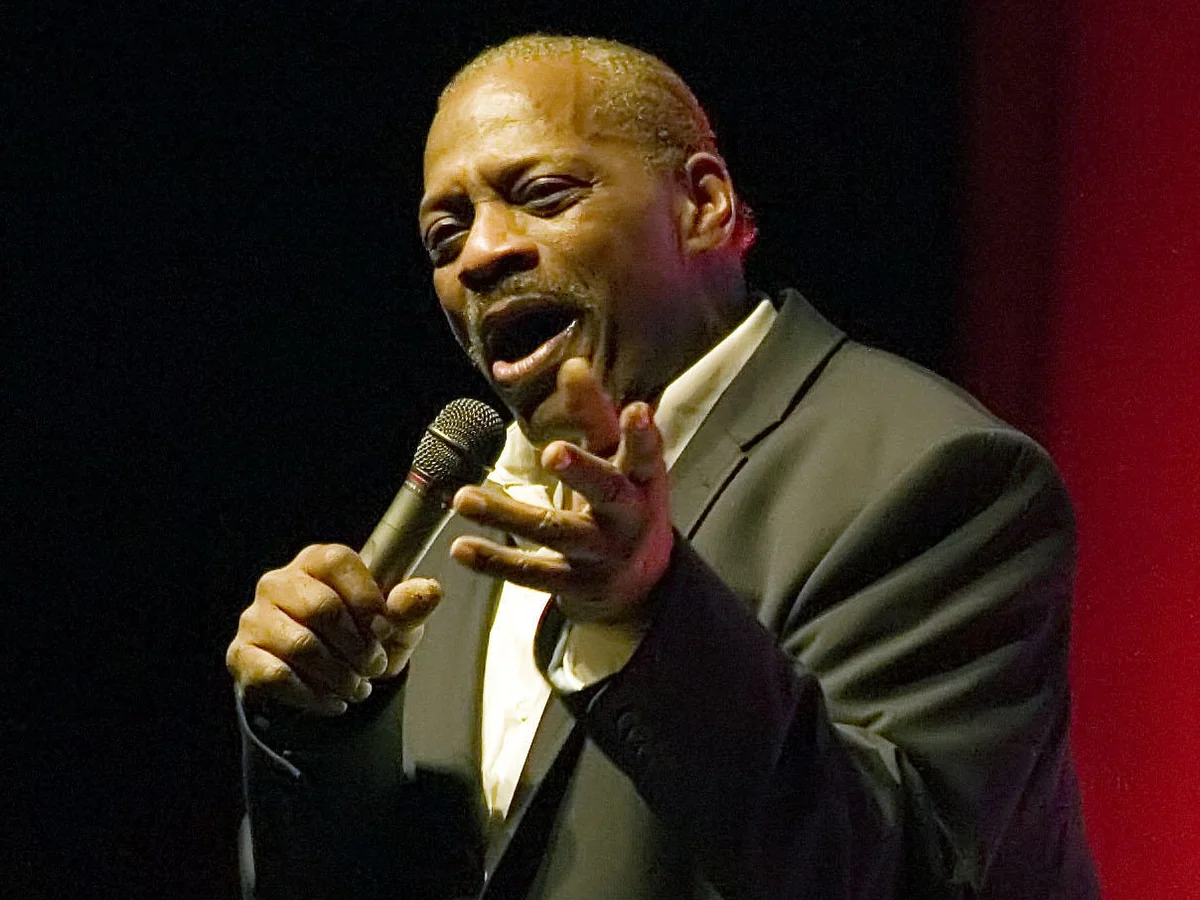
Everything begins with a ballad. “If You Were Here Tonight” is a song written by Monte Moir and recorded by American recording artist Alexander O’Neal. It is the second single from the singer’s self-titled debut solo album, released in 1985.
Moir himself is a notable figure in this story. He is a veteran musician best known as the keyboardist of the Time, Prince’s band.
His composing credit on “If You Were Here Tonight” means his name eventually wound up in the writing credits of one of the biggest singles of 2016, more than three decades after he first penned the melody.

The song performed modestly in the United States but found a strong audience in the United Kingdom. It was O’Neal’s first successful solo single in the United Kingdom, reaching number 13 on the UK Singles Chart in March 1986.
In the US, the song became his second R&B hit, reaching number 17 on the Hot Black Singles chart. That airy keyboard riff at the heart of the song would prove more enduring than any chart position could suggest.
The Middle Link: Richie Stephens and the Sail Away Riddim (1998)
Thirteen years later, the melody found a second life in Kingston, Jamaica. The Sail Away riddim, released in 1998 by Richie Stephens’ Pot of Gold label, became the instrument that carried the O’Neal melody into dancehall.
The song’s instrumental was sampled as the basis for the popular dancehall beat called the “Sail Away Riddim” in 1998, produced by creating an uptempo dancehall beat woven around the airy keyboard riff from “If You Were Here Tonight.”
Created and recorded at Studio 2000 in Kingston, the Sail Away riddim was engineered by Mikey Williamson, with Stephens playing bass and piano.
What Is a Riddim?
For readers less familiar with dancehall structure: in Jamaican music, a riddim is a single shared instrumental track that multiple artists record over independently.
Different artists often perform on top of the same riddims with different lyrics and different vocal styles, ranging from singing to toasting. The Sail Away riddim was used to produce a 12-track “one-rhythm” album of songs using the same instrumental.
The riddim attracted some of the biggest names in late-1990s dancehall. It was a big hit locally, reeling off hits such as “Take Me Away” by Stephens, “Bad Man Nuh Flee” by Beenie Man and Mr. Vegas, and “Legit” by Sean Paul.
Beenie Man and Mr. Vegas on “Bad Man Nuh Flee” brought the rude-boy pressure, while Sean Paul’s “Fit and Legit” caught him in that early-career period before the crossover explosion, already sharp with phrasing and attitude.
Who Is Richie Stephens?
Stephens was already an established figure in Jamaican music before the Sail Away riddim put his production work in the spotlight. He recorded at Motown and for the VP label before establishing his own label, Pot of Gold Records.
He signed to Motown Records in 1992 and released the album “Pot of Gold,” which contained the hits “Body Slam” (with Patra) and “Legacy” (with Mad Cobra), both of which charted on the Billboard R&B Singles charts.
He was also featured on British group Soul II Soul’s Top 20 UK single “Joy” in 1993. The Sail Away riddim was a product of his own independent Pot of Gold imprint, which gave him full ownership of both the publishing and the master, a detail that would matter greatly in 2016.
The Sample Arrives in “Work”: Rihanna and Boi-1da (2016)
While recording her album Anti, Rihanna secretly traveled to Jamaica to hunt down some dancehall material for the project. The atmosphere she was looking for had clear precedent in her biography.
A soca-loving daughter of Barbados who knows how to do the Puppy Tail dance, Rihanna is better versed in Caribbean music and culture than any other pop star.
The producer who assembled the beat, Boi-1da, brought his own Caribbean roots to the session. “Work” producer and long-time Drake collaborator Boi-1da is himself a product of Kingston, though he only lived there until age three and has said he has never been back.
He had been adding dancehall influences into his sound more recently, having produced Kendrick Lamar’s “The Blacker the Berry,” the “To Pimp a Butterfly” single which featured an unexpected cameo from dancehall star Assassin.
The song was written by Rihanna, Drake, Jahron Brathwaite (PARTYNEXTDOOR), Monte Moir, Rupert Thomas (Sevn Thomas), Allen Ritter, and Matthew “Boi-1da” Samuels, the latter of which produced the track, while Kuk Harrell and Noah “40” Shebib were additional producers.
Note that Monte Moir appears in that songwriting list: his 1985 composition forms the melodic thread that runs from O’Neal through the Sail Away riddim and into “Work.” When the song’s music was finished, Boi-1da sent it to PARTYNEXTDOOR, who wrote the lyrics.
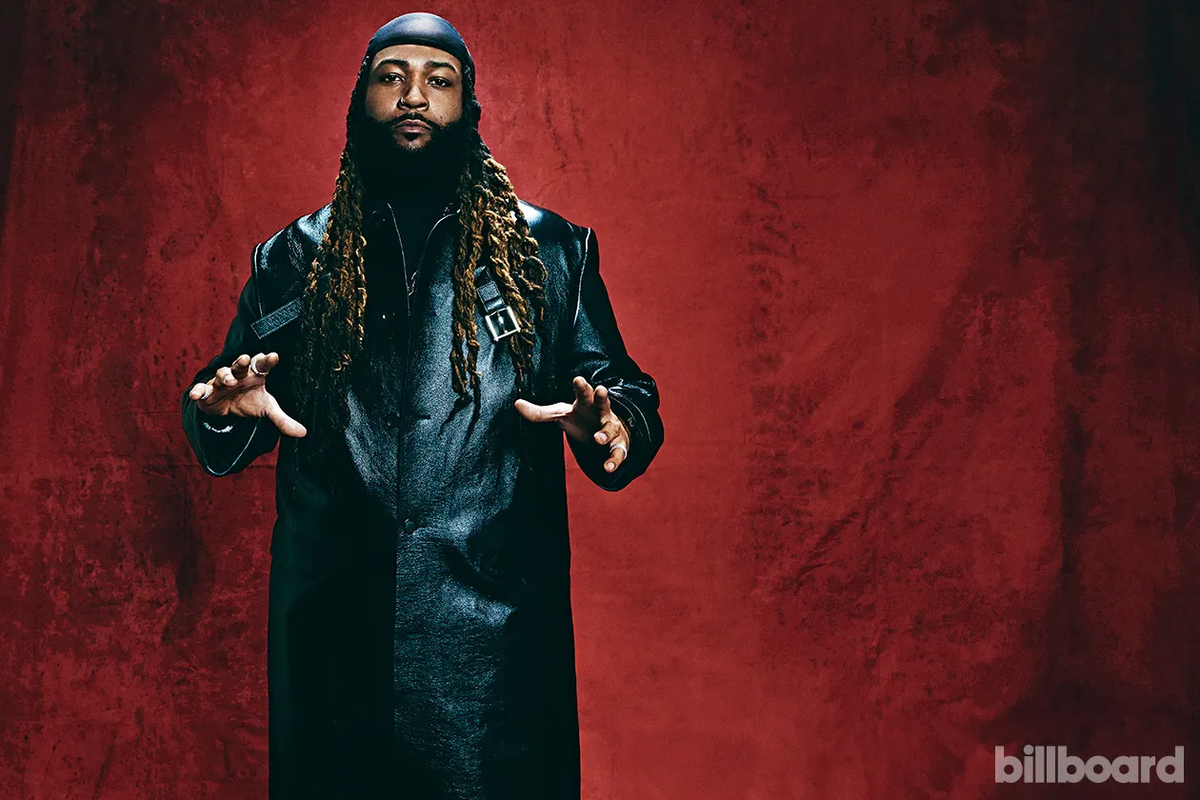
PARTYNEXTDOOR originally wrote the record as a breakup song; after Drake heard the song and loved it, he decided to write and record a verse as well.
Richie Stephens, who is the creator of the Sail Away riddim, was listed as a co-writer for the single. Because he had retained control of both publishing and the master recording through Pot of Gold, Stephens was the key person to contact when clearance was needed.
Stephens said: “They contacted me last week Tuesday and asked if I was the producer and owner of the master and I told them yes.
They said they would appreciate if I could move fast in assisting with the clearing of the sample because they wanted to release the song. So I put them on to my publisher.”
The experience had a lasting professional impact on Stephens. Richie Stephens collected the American Society of Composers, Authors and Publishers (ASCAP) Pop Award in California, where he got a chance to meet all the great producers and the young producers who had worked on the Rihanna track.
They expressed their love for the original Sail Away riddim, and that inspired Richie Stephens to get back into the studio and work on his own productions, deciding to revisit and explore more of that 1990s style sound and the magic of the early dancehall years, but include a taste of the present.
The Language and Lyrics of “Work”
Beyond its sonic DNA, “Work” announced itself as a genuinely Caribbean record through its language. Written in the English-based creole languages of Jamaica and Barbados, its lyrics are about fragile relationships and yearning for intimacy.
Dancehall listeners noted the similarities between producer Boi-1da’s beat and Richie Stephens’ Sail Away riddim, which spawned the Beenie Man and Mr. Vegas collaboration “Bad Man Nuh Flee” and Sean Paul’s “Fit and Legit” in 1998.
The patois sprinkled throughout the song by Rihanna was not a stylistic affectation; it is rooted in her Barbadian upbringing and in the song’s deliberate engagement with Caribbean musical tradition.
Chart Performance and Legacy
“Work” was released as the lead single from Rihanna’s eighth studio album, Anti. It was released on January 27, 2016, by Westbury Road and Roc Nation. Its commercial performance was historic by any measure.
Work” reached number 1 on the Billboard Hot 100 (dated March 5, 2016), becoming Rihanna’s 14th chart-topper, as well as Drake’s second.
The song did not merely peak and fade. The Anti single “Work” was number 1 on the Hot 100 for the eighth week in a row, meaning Rihanna had been number 1 for 59 total weeks throughout her career.
She tied with The Beatles for the second most weeks on top of the Billboard Hot 100 chart, with only Mariah Carey holding more weeks in the number 1 spot, at 79.
Impressively, “Work” was just the second song to tally five weeks of at least 30 million domestic streams, joining Adele’s “Hello.”
Looking at the longer arc of its digital life, “Work” topped the charts in Canada and France and, with 32.5 million digital units based on sales and streaming as of January 2021, became one of the best-selling digital singles of all time.
The record also carried an important historical distinction. With “Work,” the lead single from Anti, Rihanna scored her 14th number-one single on the Billboard Hot 100.
This made Rihanna the only artist to have seven consecutive albums each score a number-one single on the Hot 100.
The Full Sample Chain, Summarized
For quick reference, here is the lineage behind the Rihanna “Work” sample:
1985: Monte Moir writes and produces “If You Were Here Tonight” for Alexander O’Neal, released on the Tabu label.
1998: Richie Stephens and Mikey 2000 build the Sail Away riddim at Studio 2000 in Kingston, Jamaica, on Stephens’ Pot of Gold label, interpolating the O’Neal melody. Beenie Man, Mr. Vegas, Sean Paul, and others record over the riddim.
2015/2016: Boi-1da constructs the beat for “Work” drawing on the Sail Away riddim’s foundation. PARTYNEXTDOOR writes the lyrics. Drake adds a verse. Rihanna records her vocal in a mix of Bajan Creole and Jamaican Patois. The sample is cleared through Richie Stephens, who is credited as co-writer under his real name, R. Stephenson.
January 27, 2016: “Work” is released alongside Anti. It spends eight weeks at number 1 on the Billboard Hot 100 and accumulates over 32.5 million digital units sold and streamed by 2021.
Why the Sample Works
The success of the Rihanna “Work” sample is not a coincidence of musical archaeology. The Sail Away riddim was itself chosen in the late 1990s because its melodic center, borrowed from O’Neal’s 1985 ballad, was singable, melancholy, and rhythmically adaptable. Those same qualities made it an ideal backbone for a contemporary dancehall-inflected pop record.
The melody had already proven it could outlast its original context once. Boi-1da, PARTYNEXTDOOR, and Rihanna proved it could do so a second time.
The story is also a textbook case in how a correctly cleared sample benefits everyone involved. Richie Stephens received a co-writing credit and an ASCAP Pop Award for a riddim he had created eighteen years earlier.
Monte Moir, who wrote the underlying melody in the 1980s as a member of Prince’s circle, collected his second round of royalties. And a 1998 Jamaican sound system record reached audiences that would never have encountered it otherwise.
In dancehall, a riddim is understood to be communal property, built to be recycled and reborn. The Sail Away riddim’s journey from Kingston to global streaming charts is simply a very large version of what riddims were always designed to do.