
Learning how to make a dancehall beat means engaging with one of the most influential rhythmic traditions in modern music.
Originating in Jamaica in the late 1970s, dancehall is a genre that pulsates with vibrant rhythms and has influenced numerous other genres, becoming beloved worldwide.
Its production logic, built around a reusable instrumental called the riddim, is deceptively simple on the surface and endlessly deep in practice.
This guide walks you through every stage of the process, from setting your tempo and programming the drum pattern to laying the bassline, crafting melodic elements, and mixing your finished riddim, with the historical and technical context you need to do it right.
A Brief History: Why the Riddim Is the Foundation
Before opening your DAW, you need to understand what a dancehall beat actually is. A riddim is the instrumental beat track that multiple vocalists perform over.
In dancehall, one riddim can have dozens of different vocal versions, making the beat itself a shared musical foundation.
Dancehall was born in the vibrant streets of Jamaica in the late 1970s as an evolution of traditional reggae, but more direct, more raw, and above all, more danceable.
In its early days, sound systems dominated the music scene, where DJs and toasters, the forerunners of MCs, would liven up parties with infectious rhythms and improvised lyrics.
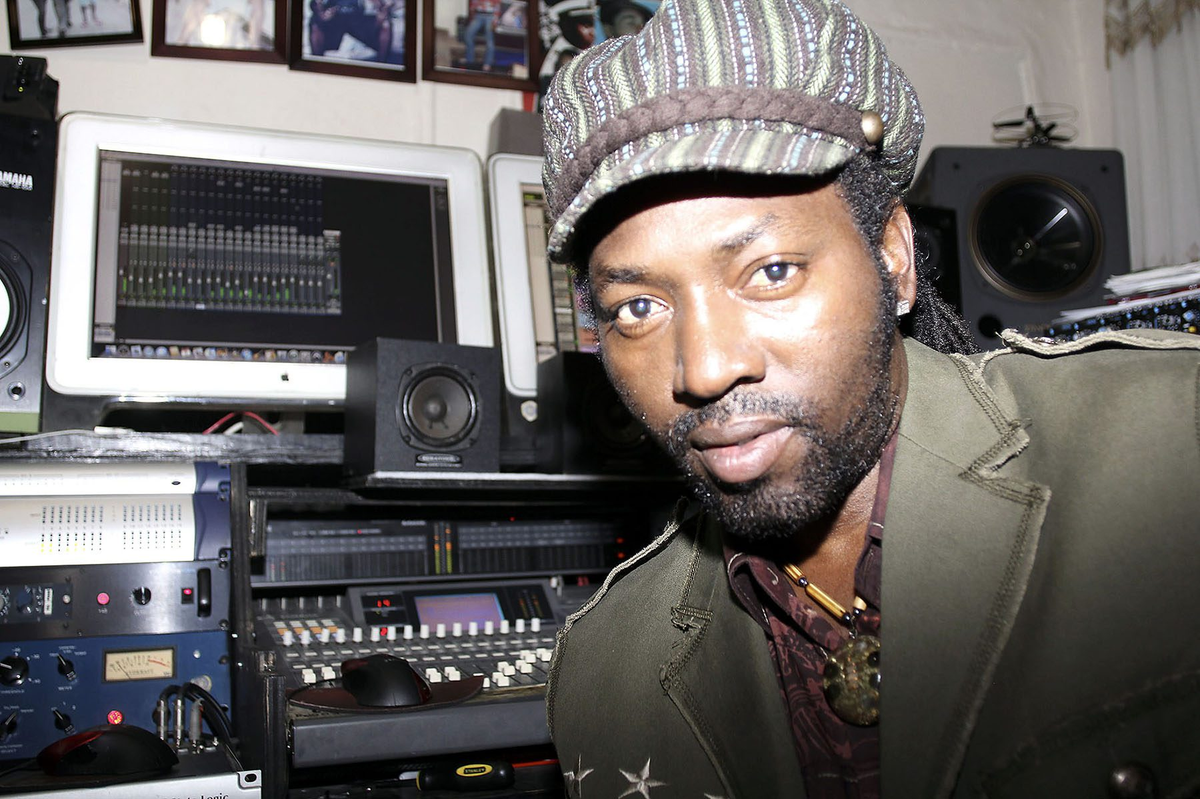
The single most important turning point in the production history of the genre was 1985. Introduced in 1985 through “Under Mi Sleng Teng” by Wayne Smith and produced by King Jammy, the Sleng Teng digital rhythm marked a definitive shift from live instrumentation to computerized production.
It is said that “Sleng Teng” was originally created on a Casio MT-40 keyboard by King Jammy and keyboardist Noel Davey, forged around a modified version of a rock preset.
The track democratized production: all that was needed was a drum machine or keyboard, making it possible to produce dancehall riddims from small studios, or even bedrooms.
That democratizing spirit is the reason you can make a competitive dancehall beat today with nothing but a laptop.
It is worth noting that the claim that Sleng Teng was the absolute first digital riddim is contested. Anthony Red Rose has long argued that his “Tempo,” recorded at King Tubby’s, preceded Sleng Teng. What Sleng Teng unquestionably became was the public detonation point.
Since the 1980s, the riddim model has only deepened. Since the 1980s, riddims started to be originally composed by producers and beatmakers, who give the riddims original names and typically contract artists to voice over them.
The 1990s saw riddims move further away from the skanking-friendly roots-reggae rhythm toward a faster 3+3+2 beat.
Step 1: Set Your Tempo
Tempo is the first decision you make, and getting it right shapes every element that follows.
Dancehall typically runs 90 to 110 BPM, centered around 100 BPM. The BPM of dancehall and bashment is commonly 90 to 108 BPM, though faster forms also exist.
Tempo is one of the most important aspects of creating a dancehall beat. Classic dancehall is usually in the 80 to 100 BPM range, which gives it that laid-back yet dynamic bounce feel.
In practice, this means:
- Roots-influenced, heavy riddims: Aim for 85 to 95 BPM.
- Modern club dancehall: 96 to 110 BPM is the standard range.
- Afro-dancehall and dancehall-pop crossovers: These sometimes push up to 115 BPM, but the core feel remains the same.
Set your DAW to 4/4 time. The time signature for dancehall is 4/4. Lock in your tempo before you place a single note, because quantizing drum patterns to the wrong BPM after the fact will cost you hours.
Step 2: Program the Drum Pattern
The drum pattern is the heartbeat of the riddim. Dancehall has three rhythmic lineages every producer should know before touching a step sequencer.
The one-drop is characterized by the dominant snare drum stroke and bass drum both sounding on the third beat of every four, while beat one is left empty. Thus, the expected hit on beat one is “dropped,” creating the one-drop effect.
The steppers rhythm places the kick drum on all four beats of the bar, creating a relentless, driving pulse that maintains the offbeat skank of roots reggae while dramatically increasing the rhythmic intensity.
The rockers beat, four-on-the-floor kick with a snare on two and four, bridged the one-drop tradition with the disco and funk influences flooding into Jamaican music in the late 1970s.
Digital dancehall from 1985 onward largely abandoned the one drop in favour of the dembow riddim.
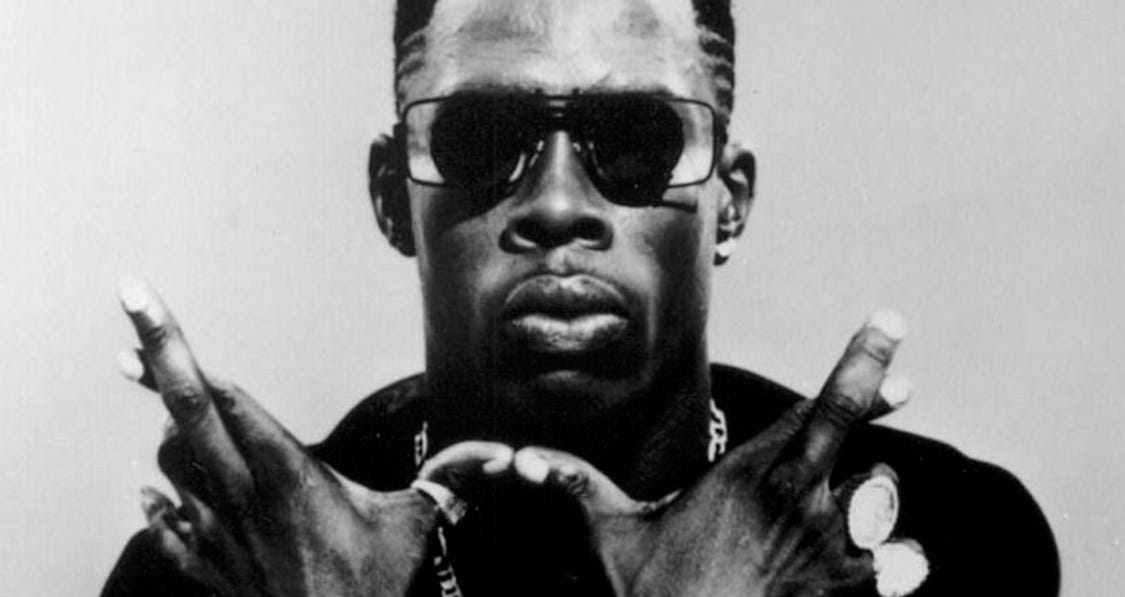
The dembow is the rhythmic engine of contemporary dancehall. The dembow beat is a musical rhythm best known for its use as the core percussion element in reggaeton music, having taken its name from the 1990 dancehall song “Dem Bow” by Shabba Ranks. Its influence extended far beyond Jamaica.
At the beginning of the 1990s, there existed several closely related Jamaican-origin dancehall riddims revolving around a “boom-ch-boom-chick” sound, such as the “Bam Bam riddim” or the “Fever Pitch riddim.”
The dembow essentially comprises a repeating pattern of two dotted eighth-notes followed by a regular eighth-note, and you have a lot of freedom in terms of how those notes are distributed between the kick and snare.
Use a 16-step sequencer in your DAW of choice. Program a basic drum pattern using a digital audio workstation like FL Studio, Ableton, or Logic Pro, incorporating kicks, snares, and hi-hats to establish a groove. Here is a practical construction approach based on how the genre works:
Kick drum: Place the bass drum on each beat of the measure to create a simple but effective pattern. You can add slight variations on the third beat for a more dynamic feel.
Snare and clap: Dancehall replaces snare with clap and rim for a sharper sound. Place your clap on beats 2 and 4, then offset a rim shot slightly to create the characteristic dembow lurch. Start with your basic kick and snare pattern, then introduce syncopated percussion elements. Experiment with off-beat snares, claps, and unconventional percussive sounds like digital toms or bongos to create a rhythm that is both intricate and dance-inducing.
Hi-hats: The hi-hat is where the groove lives. The hi-hats in the one-drop are where the real personality of the groove lives. While the kick and rimshot anchor the beat with authority, the hi-hat is free to roam: playing straight eighth notes, swung sixteenths, syncopated offbeat patterns, or any combination. In modern dancehall, a common approach is to run sixteenth-note hi-hats at lower velocity with accents on the upbeats, then drop an open hi-hat for dramatic transitions.
Additional percussion: Combine various types of percussion, both digital and acoustic, to create a richer texture. Add extra percussion elements to enhance the groove. Think shakers, wood blocks, or sharp hi-hats.
Humanize: One of the worst things about drum machines and DAWs is that a step sequencer makes it hard to impart the swing real-life drummers bring to patterns. If you can, play each part yourself, using as little quantization as possible. If you are programming rather than playing, nudge individual hits by a few milliseconds and use velocity variation to keep the groove from sounding sterile.
Advanced rhythm tip: Implement polyrhythms by playing two conflicting rhythms against each other. For example, a 3:4 polyrhythm can add an interesting twist, where one percussion element follows a three-beat pattern while another adheres to a four-beat cycle.
Step 3: Build the Bassline
The bassline is more than just a foundation in dancehall. It is the heartbeat. Dancehall relies on heavy, driving basslines, often featuring deep sub-bass frequencies that create a powerful and rhythmic foundation.
For authentic dancehall bass, you want a sub-heavy, slightly distorted low end. A 808-style sine wave sub, a Reese bass, or a dedicated plugin like Native Instruments Massive or Serum’s sub-oscillator patch will work.
Grab a bright, sharp synth or digital piano for melodic elements. That “digital sound” is key. The sounds need to cut right through the mix with a clean, clear, and slightly aggressive tone.
Keep basslines simple, often following the root of the main chords. Repetition is key, but make sure the bassline complements and reinforces the groove of the beat.
The bass should follow the same syncopated logic as the drums. Play with the placement of the notes to match the bass drum or fill in the gaps between the percussion beats.
Tuning is everything. Use a tuner and make sure your bass notes perfectly follow the root notes of your main melody. If the bass is off-key, the whole track will sound muddy.
The bassline usually follows the rhythm of the kick drum or plays simple, long notes. Less is more when dealing with the sub. Let it do its job supporting the foundation without jumping around too much.
Use automation to keep the bass alive. Automate volume, filters, or effects parameters to create a sense of movement and progression throughout the track.
Step 4: Add Melodic Elements and the Riddim Skank
This is where your riddim gets its personality. Melody and chords in dancehall tend to be simple but effective. You can start with a basic chord progression or a short, repetitive, catchy melody.
The instruments that work best are keyboards with organ-like sounds, synthesizers, or even wind or string instruments with a synthetic feel.
The skank, or chop, is the rhythmic chord stab that defines reggae and dancehall’s harmonic feel. It is typically placed on the offbeats (the “and” of each beat in a measure), creating that bouncy, syncopated energy.
Dancehall does not need complex progressions, as the focus is on the groove and vocals. A two-chord or three-chord minor progression repeated across the bar is standard. Experiment with minor pentatonic movements and modal flavors.
Introduce melodic stabs or short chords at key moments, such as at the end of phrases or just before the chorus, to add impact.
These are the signature accents you hear on classic riddims: a single synth chord hit, a plucked guitar note, or a horn stab punctuating the space between percussion hits.
Keep the melody simple, repetitive, and super catchy. A good riddim is not just one loop. It is a whole instrumental package built around a core groove that defines the vibe.
You need those few simple musical ideas, the bassline, the main synth hook, and the drums, to cycle through the whole track, keeping that energy and vibe consistent from start to finish.
Synths play a vital role in dancehall, providing melodic hooks, rhythmic patterns, and atmospheric textures. Traditional instruments like guitars, keyboards, and horns are also frequently used.
Step 5: Arrange Your Riddim
A riddim is not simply a loop left on repeat for four minutes. It requires intentional arrangement so that vocalists and listeners have breathing room and the energy builds naturally.
Often a loop of the basic riddim or a filtered version of the main beat is used, setting the stage for the vocals to come in. A standard dancehall riddim arrangement might look like this:
- Bars 1 to 4 (Intro): Drums only or drums with a filtered bassline. Let the groove announce itself.
- Bars 5 to 12 (Verse instrumental): Full riddim comes in: kick, clap, hi-hats, bass, and skank.
- Bars 13 to 16 (Pre-chorus lift): Drop or add an element, a rim shot fill, a bass filter sweep, a stab accent.
- Bars 17 to 24 (Chorus): Full arrangement, potentially with an additional melodic layer.
- Bridge and outro: Strip elements back down for contrast, then rebuild.
Arrange your elements to take the listener on a journey. Start with a simple melody, gradually introducing drums, bass, and other elements, culminating in a full-bodied sound.
Unexpected changes, such as an unexpected instrumental solo or a change in rhythm at certain points, can make your track more memorable.
Step 6: Mix the Beat
Dancehall is a genre built on bass-system culture, where the physical weight of the low end is central to the listening experience.
The bass culture of Jamaican sonic sensibilities is characterized with less emphasis on melody and large emphasis on the drum beats and low-frequency bass vibrations to draw attention to the social grounding of the culture.
Use a high-pass filter on every non-bass element to clear out mud below 80 Hz. Keep your sub-bass mono, and side-chain the bass lightly to the kick so both hit with maximum impact without frequency masking.
Apply multiband compression or EQ to treat different frequency ranges separately, ensuring clarity and punch in the mix. Utilize stereo imaging and panning to create space in your mix, allowing each element to be heard clearly.
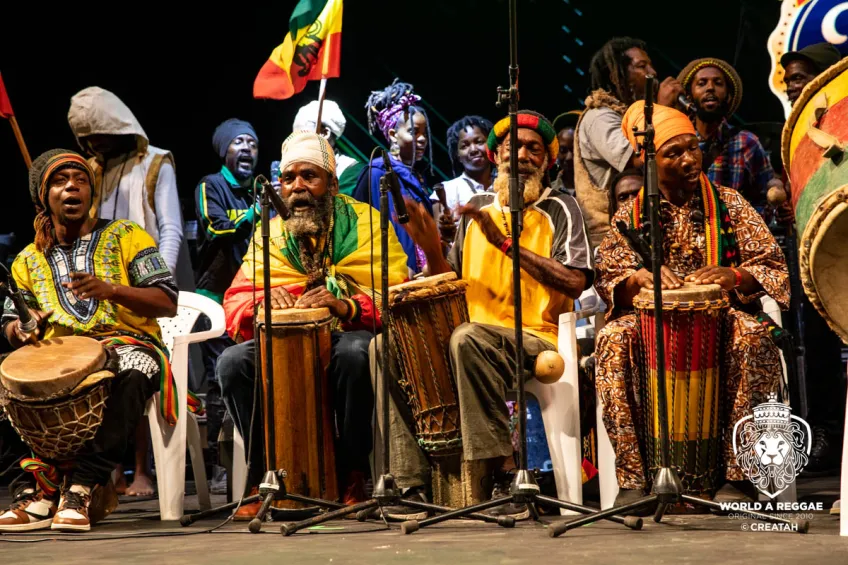
Keep the kick and bass in the center. Pan percussion elements like shakers and hi-hats subtly left and right to open the stereo field.
Using reverb and delay on vocals or some melodic elements can add dimension and depth. Adjust the delay to match the tempo of the track and create repeats that reinforce the beat.
Reverb can help create space in the mix, especially on percussion and effects. A tempo-synced eighth-note delay on snare tails or vocal chops is a classic dancehall production move.
Use sidechain compression not just for the kick and bass relationship but also for creating a rhythmic pulse with synths or pads.
When a synth pad pumps against the kick, it creates the swelling, breathing energy that keeps a riddim hypnotic over many minutes of playback.
Step 7: Reference, Export, and Voice Your Riddim
Before you export, A/B your beat against a released riddim in the same tempo range. Listen for the relative weight of the kick, the presence of the snare and clap, and whether your sub-bass sits at a comparable level.
Producing dancehall beats goes beyond following a formula. From mastering rhythmic patterns to experimenting with advanced techniques such as layering and dynamic automation, each element contributes to bringing life and authenticity to your productions.
It is the little details, like the use of riddim stabs and vocal manipulation, that make the difference between an average beat and one that really resonates with the listener.
Dancehall tracks typically feature dynamic and rhythmic vocal deliveries. Whether you are working with a vocalist or recording your own vocals, ensure the lyrics resonate with the track’s energy.
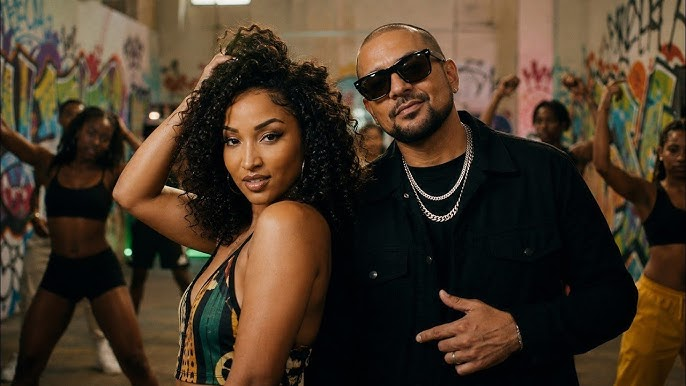
Vocals in dancehall often include improvisation and ad-libs, adding to the spontaneous feel of the music.
Dancehall tracks often feature a call-and-response format, with the vocalist interacting with the rhythm and the crowd, enhancing the interactive and lively nature of the music.
A riddim is the instrumental beat track that multiple vocalists perform over. In dancehall, one riddim can have dozens of different vocal versions, making the beat itself a shared musical foundation.
If you produce a strong enough riddim, you can invite multiple artists to voice their own versions, which is one of the most enduring and economically productive models in Jamaican music history.
Common Mistakes to Avoid
Tempo confusion: Many new producers accidentally set a dancehall beat at 70 to 75 BPM, confusing it with a slowed reggae feel. Dancehall typically runs 90 to 110 BPM, centered around 100 BPM. If your beat feels too slow, double-check your tempo.
Over-complexity: Dancehall does not need complex progressions. The focus is on the groove and the vocals. Resist the urge to add too many melodic layers. Space is a feature, not a flaw.
Ignoring the sub: Dancehall is heard on massive bass systems. A sub-bass that sounds adequate on studio monitors may disappear entirely on a sound system. Always check your low end on a speaker that can reproduce sub frequencies below 60 Hz.
No humanization: Combining various types of percussion, both digital and acoustic, to create a richer texture helps, but velocity variation and subtle timing shifts are what separate a stiff programmed pattern from one that breathes.
The Global Reach of Dancehall Production
Understanding the cultural weight of the form gives your production purpose. Dancehall rhythms have been absorbed into pop, hip-hop, reggaeton, and Afrobeats.
Artists like Rihanna, Drake, and Ed Sheeran have all used dancehall-influenced beats, spreading Jamaican rhythm worldwide.
Reggaeton grew out of dancehall riddims, notably the “Dem Bow” riddim, before settling at its own tempo around 90 to 96 BPM.
When you learn how to make a dancehall beat, you are learning a rhythmic language that underlies a significant portion of the contemporary pop and urban music landscape.
Quick Reference: Dancehall Beat Production Checklist
| Element | Target Spec |
| Tempo | 90 to 110 BPM (100 BPM is center) |
| Time signature | 4/4 |
| Core drum pattern | Dembow / syncopated kick and clap |
| Snare replacement | Clap and rim shot |
| Bassline style | Simple, sub-heavy, follows kick rhythm |
| Chord complexity | Two to three chords, minor-leaning |
| Melodic instruments | Synths, organ, keys, guitar stabs |
| Signature effects | Tempo-synced delay, reverb on percussion |
| Mix priority | Low-end weight, stereo width, sub mono |
Mastering how to make a dancehall beat is ultimately about mastering restraint. The genre’s power comes from what the kick does not do on beat one, from the space the bassline leaves for the vocalist, from the repetition that makes a riddim hypnotic rather than boring.
Study the classics, reference your mixes against released riddims, and let the culture inform every production decision you make.