
Dancehall dance moves are not mere party tricks. They are a living archive of Jamaican culture, a coded language developed in the yards and sound-system dances of Kingston and broadcast to every corner of the world through music videos, the internet, and the bodies of athletes, pop stars, and everyday party-goers.
Whether you are a complete beginner or an experienced dancer looking to fill in the gaps in your knowledge, this definitive reference covers 40 essential dancehall dance moves, their origins, their creators where known, and where to find tutorial videos.
Bookmark it, share it, and come back to it every time a move appears on a dancefloor and you need to know its name and story.
A Brief History of Dancehall Dance Moves
Before diving into the list, it helps to understand where these moves come from and why they matter.
Dancehall is a genre of Jamaican popular music that originated in the late 1970s. It is named after Jamaican dance halls in which popular Jamaican recordings were played by local sound systems. It both refers to the music and the dance style.
Jamaica’s street dance culture dates back to the late 1950s and early 1960s. In anticipation of Jamaica gaining independence from Britain, the late 1950s brought about a newfound spirit of nationalism.
Inspired by this, local jazz musician and pioneering producer “Coxsone” Dodd was driven to create a uniquely Jamaican dance sound.
This music was called Ska, and fused American jazz and R&B with Jamaican mento. Rocksteady, and later reggae, eventually evolved from Ska in the late 1960s.
By the late 1960s and early 1970s, the regular creation of new dance moves became essential to Jamaican popular culture. These urban dance moves were to become a vital component in defining Jamaican dancehall culture.
The innovative dancers in every community prided themselves as pacesetters by how successfully they created and spread their moves through parties or “dances.”
Aesthetically, dancehall movements convey continuities across the African diaspora, including the emphasis on dancing on the beat, polyrhythms and isolations, bends in the body such as the torso, head, pelvis and knees, as well as the whining of the pelvis and the bounce.
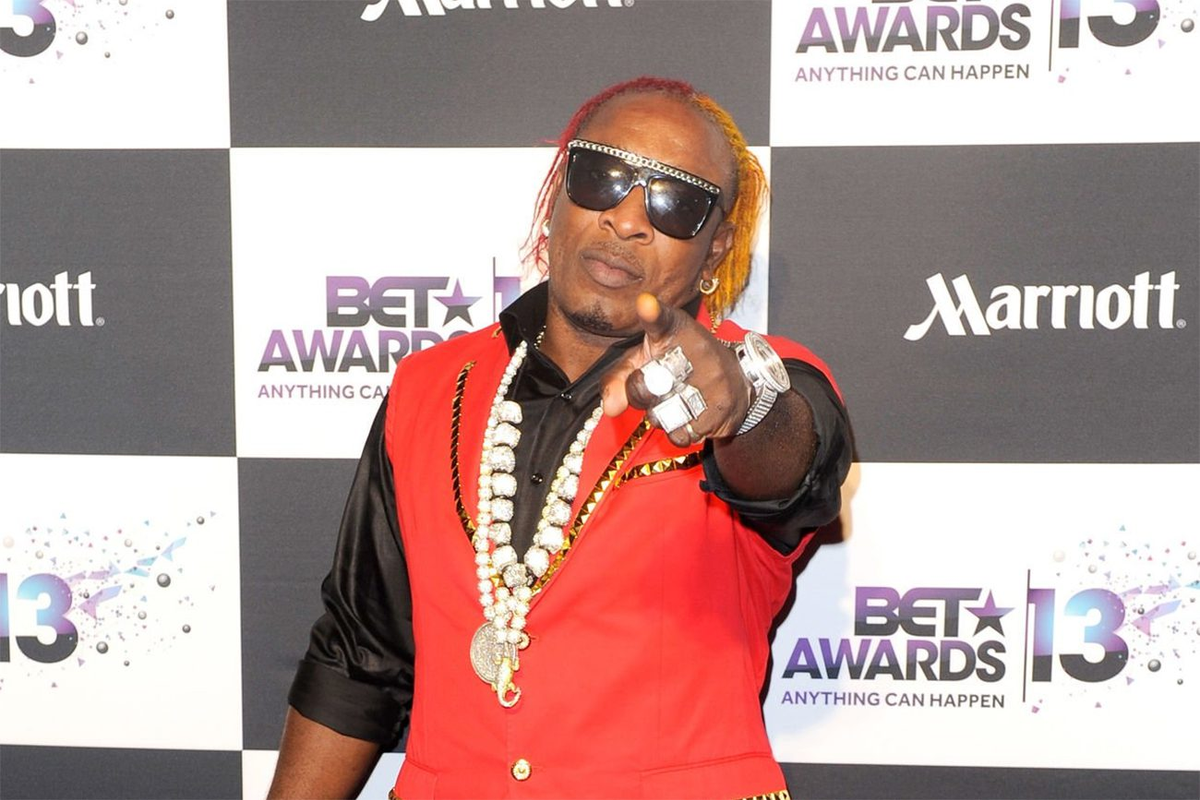
There is a gender divide in the types of movement performed in dancehall. Female dancers can perform both female and male movements; however, it is not culturally acceptable in Jamaican culture for a male dancer to perform female movements.
Male dances emphasise complex leg and hand coordinated movements, whereas for female dances the origin of the movement is the pelvis.
Most of the popular dancehall dance moves were created by figures including Bogle, Elephant Man, John Hype, RDX, Voicemail, QQ, Mr Vegas, Shelly Belly, Marvin “The Beast,” and Ding Dong and the Ravers Clavers Crew.
No history of dancehall dance moves is complete without understanding the towering figure of Gerald “Bogle” Levy. Gerald Levy (22 August 1964 to 20 January 2005), better known as Bogle, and also as Father Bogle and Mr Wacky, was a Jamaican dancehall dancer and choreographer.
He was born in Trench Town, Kingston, Jamaica, one of the country’s most legendary cultural hubs. Beenie Man called Bogle “the greatest dancer of all time” and he is recognised as “part of the foundation and as an icon inside of dancehall culture.”
Bogle created more dancehall moves than any other figure; he is best known for creating the Bogle dance which is named after him.
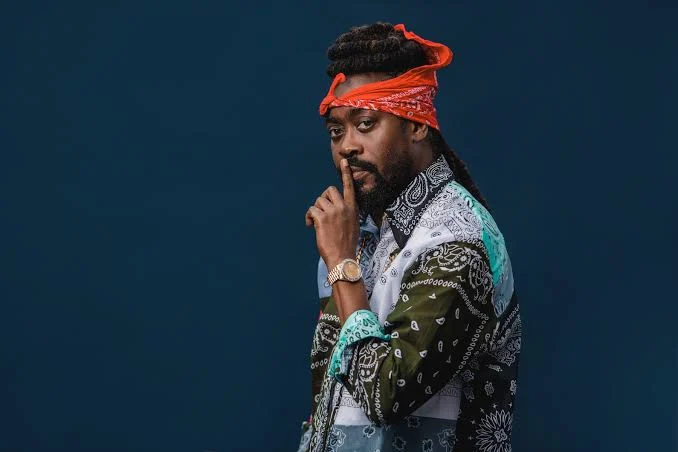
Among the moves Mr. Levy invented are the Willie Bounce (named after his Black Roses Crew member Willie Haggart), Wacky Dip, Urkle Dance, Sesame Street, Bogle Dance, Pelper, LOY, Jerry Springer, Zip It Up, Hotti Hotti Bogle, World Dance, Pop Yuh Collar, Row di Boat, Out and Bad, Sweeper, and Stuckie.
On the night of 20 January 2005, Bogle was at a gas station when two men on a bicycle rode by, shooting into his vehicle. He was rushed to Kingston Public Hospital, where the 40-year-old Levy was pronounced dead.
Elephant Man released the hit single “Willie Bounce” in his honor, and artists like Beenie Man and Bounty Killer spoke out about the magnitude of the loss.
The 40 Dancehall Dance Moves
The moves below are grouped loosely by era and character: foundational classics, golden-era staples, 2000s crossover hits, female-dominated styles, and contemporary moves.
Each entry notes the creator or populariser where sources confirm the credit, and links to a recommended search term for finding tutorial videos on YouTube.
These are the building blocks. Learn them and every other move on this list becomes easier.
1. The Wine
The Wine is one of the most iconic moves in dancehall, sensual, smooth, and deeply rooted in Afro-Caribbean dance traditions.
The movement is all in the hips: rotate them in a circular motion while keeping your upper body soft and relaxed.
The Wine is not a single fixed step but a family of movements that underpins much of female dancehall choreography. Mastering it is the single most important thing a beginner can do.
2. The Butterfly
The Butterfly is a dance move in which the dancer’s legs repeatedly move or flutter like butterfly wings. It originated within the Jamaican music genre called Dancehall.
This dance move has been featured in dancehall music videos since the 1970s. Everyone remembers the video with dancehall queen Carlene making light work of it.
3. The Bogle
Ask most people outside Jamaica what the Bogle is and you get a description of a movement: weight low, knees soft, the torso rolling forward and back while the arms wheel in front of the chest.
Named after its creator, this move incorporates a subtle shoulder rock while swinging the arms upwards in a circular pattern made for an eye-catching groove, and has become a staple for throwback-themed dance choreographies.
The Bogle step went out into the world on Buju Banton’s “Bogle,” one of the hits that made 1992 Banton’s year in Jamaica.
4. The Wacky Dip
One of Bogle’s most recognisable personal signatures. A tribute to Bogle, whose nickname was “Mr. Wacky,” the Wacky Dip was a playful, expressive dance that encouraged freedom and flow.
Voicemail’s tribute track made sure his legacy lived on, blending catchy lyrics with a move that felt like a celebration of life itself.
5. The Frog Back
The Frog Back is done in a squat position, so you will be working your thighs and calves. There is an arm movement with it and the trick is to move the arm opposite the leg that is moving, so sort of like walking, it will come naturally. It is an older foundational move that trains the low squat position essential to many more advanced steps.
6. The Dread
The Dread is old school and just as popular as ever. An understated, grounded step rooted in the transition period between roots reggae and dancehall, the Dread keeps the body centred and low with minimal but deliberate footwork. It rewards restraint over flamboyance.
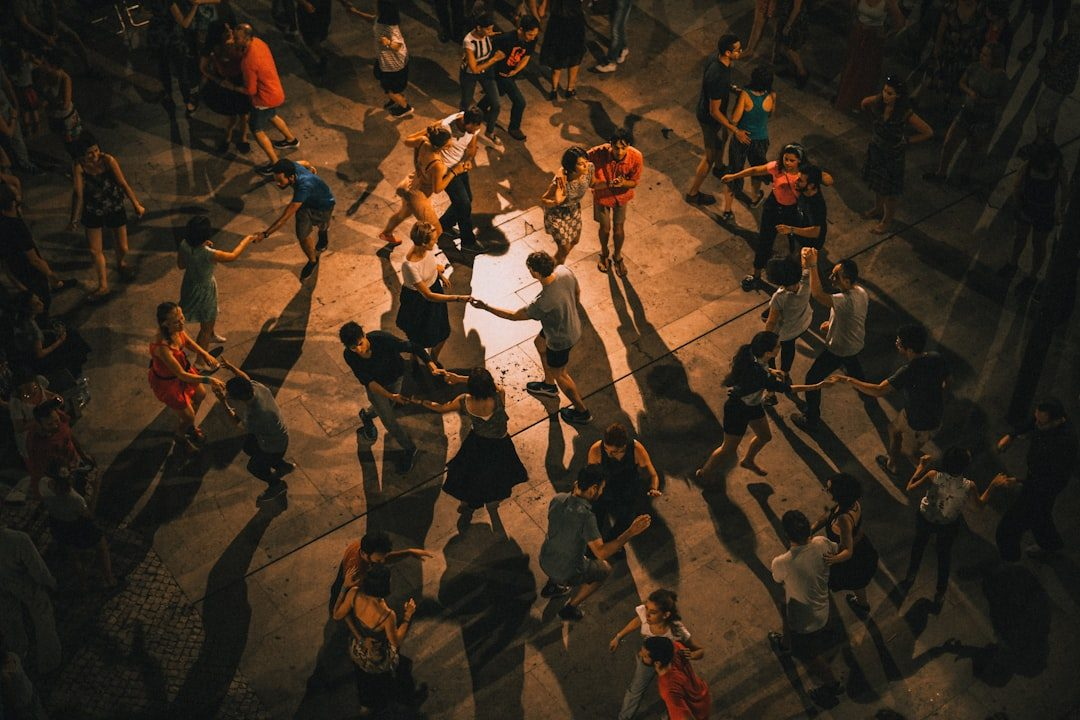
7. The Screechie
The Screechie appears on nearly every comprehensive list of Jamaican dancehall moves. It is among the dances cited as an example of moves that crossed over from dancehall into hip-hop culture.
The move involves a sharp, crouching drop combined with rapid footwork, and its name reflects the sound associated with the sudden movement.
The mid-1990s were a period of extraordinary creativity in Kingston’s dancehalls, with Bogle and his rivals generating new moves at a rate that has never been matched.
8. The Sesame Street
The Sesame Street was one of the moves invented by Gerald “Bogle” Levy. When a whole group of people do it in unison, you won’t find many moves that match it for energy.
It is a group-friendly step that translates well to stage performances and party floor settings alike.
9. LOY
LOY is among the moves credited to Bogle, a lesser-documented but widely recognised step within Jamaica’s inner circle of dancehall enthusiasts. Like many Bogle-era moves, its name functions as both instruction and attitude.
10. Jerry Springer
The Jerry Springer was one of the dances invented by Gerald “Bogle” Levy, with the name referencing the American talk show host popular in Jamaica during the 1990s.
Dancehall dancers routinely drew on popular culture, local and foreign, to name and theatricalise their moves. This one is characterised by an exaggerated dramatic flair.
11. Zip It Up
Another Bogle creation, Zip It Up is among the many moves Levy invented during his peak years. The name suggests the action: a sharp, upward zipping motion of the hands that mirrors the beat drop in a riddim.
12. World Dance
Back in the day, Beenie Man scored a huge hit with the World Dance. World Dance is also among the moves credited to Gerald Levy.
The step’s appeal lay in its open, expansive arm movements designed to fill large performance spaces and invite crowd participation.
13. Pop Yuh Collar / Pop Di Collar
Pop Yuh Collar is among the moves created by Bogle during the 1990s. The name is self-descriptive: the dancer snaps an imaginary collar upward in a sharp, stylish gesture, lending the move an air of swaggering confidence that made it instantly popular at dancehall events.
14. Pelper
The Pelper is also attributed to Gerald “Bogle” Levy. It is a mid-tempo, fluid step that requires control of the hips and shoulders simultaneously.
Along with the Willie Bounce, it is among Bogle’s legacy moves that contemporary dancers still reference in tribute sessions.
15. Sweeper / Sweep
The Sweeper is among the moves invented by Bogle. The dance involves a forward movement of the arms, then dipping your hand and making a sweeping motion to the right.
Elephant Man later popularised his own version of the Sweep, demonstrating how a single named move can evolve through different artists.
16. Stuckie
The Stuckie is credited to Gerald Levy. As the name implies, the dancer appears stuck or frozen mid-movement before releasing into the next beat, creating a start-stop rhythmic effect that is deceptively difficult to execute cleanly.
17. Row Di Boat
Row di Boat is among the dancehall moves attributed to Bogle. The step mimics the pulling motion of rowing, with the dancer’s arms and shoulders working in alternating rhythm against a bouncing lower body. It is a crowd pleaser that requires minimal explanation.
18. Urkle Dance
The Urkle Dance was invented by Bogle, named after the character Steve Urkel from the American sitcom “Family Matters,” which was popular in Jamaica during the 1990s.
This is a prime example of how Jamaican dancers drew inspiration from everything around them, animals, nature, cartoons, to generate new moves.
19. Log On
Elephant Man’s “Log On” (2001) did for that step what Buju Banton’s “Bogle” had done for Bogle’s earlier move: it distributed a specific dance worldwide through a hit record.
The move reflected information technology culture, with concepts like the internet and “logging on” inspiring its name. The physical movement involves lifting the leg and twisting to the side before stepping down.
20. Willie Bounce
Willie Bounce is a dance that has you bouncing from left to right in a controlled swaying motion. Both feet and hands should also be moving, left, right, and then dip, all while swaying.
The Willie Bounce was named after Bogle’s Black Roses Crew member Willie Haggart. Created over 20 years ago, Willie Bounce remains a signature dance reference to the culture on the international level.
21. Pon Di River (Pon Di Bank)
John Hype’s “Pon The River, Pon The Bank” was a dancehall move that took the world by storm.
The soundtrack for the dance was released in 2003 on the Good 2 Go Riddim by Elephant Man, and the video was so popular due to the dance moves that it was nominated for the MTV Video Music Awards. The move entails bouncing to the music and shifting from heel to toe from one imaginary line.
22. Dutty Wine
One of the most recognisable moves to emerge from Jamaica’s dancehall scene, the Dutty Wine is a high-energy, neck-twisting routine that became a global phenomenon.
Performed most often by women, the dance combines rapid head rotations with synchronised wrist, leg, and hip movements, sometimes punctuated by splits. Its exact origins remain a matter of debate.
Mad Michelle, the 2003 Dancehall Queen champion, has claimed she was the first to perform it on camera.
The Dutty Wine was popularised in 2006 via a number-one song of the same name by Tony Matterhorn.
In 2025, Tony Matterhorn earned a UK Silver certification for “Dutty Wine,” with the song surpassing 200,000 in sales and streaming equivalents as of August 15, 2025.
23. Gully Creeper
Gully Creeper is a popular Jamaican dance invented by the late Ice from the Roses group. The dance consists of bouncing on your feet while crouching.
The dance went international when Usain Bolt performed it after winning gold at the 2008 Beijing Olympics, solidifying its place in both sports and pop culture history. Elephant Man’s “Gully Creeper” (2008) popularised the dance.
24. Tek Wey Yuself
Correctly spelt “Take Away Yourself,” the move means exactly what it says: taking yourself away from your worries and troubles. It may seem easy, but it is not.
Being fluid in the movement counts for a lot. It is one of the more introspective named moves in the dancehall canon, valuing groove over athleticism.
25. Nuh Linga
Nuh Linga is among the dancehall moves that crossed over from Jamaica into wider popular culture. Popularised by Elephant Man, the move takes its name from the instruction embedded in the lyric: do not linger. It is a sharp, committed step that punishes hesitation.
26. Skip to Ma Lou
This dance has several song renditions, but they all teach the same moves. As Ding Dong says in his rendition featuring Serani: “It nuh hard, da one yah easy fi catch.” Skip to Ma Lou is a lighter, more playful step derived from a children’s folk song, transformed into a rhythmic dancehall move for all skill levels.
27. Air Force One
Air Force One is among the moves that Jamaican dancers like Bogle, John Hype and Ding Dong created, drawing inspiration from everything in their environment.
Named after the iconic Nike sneaker, the move had specific footwork that mimicked the silhouette of the shoe. It is a prime example of brand culture entering the dancehall lexicon.
28. Badman Forward (Bad Man Pull Up)
Badman Forward was one of the most popular dance steps when it came out, drawing on the street identity central to early-2000s Kingston dancehall. The move is assertive and stomping, with arms demanding space and legs planted with authority.
29. Daggering
Daggering is a form of dance originating from Jamaica. It incorporates frantic, high-contact partner movements. It is not a traditional dance; it is of recent origin, associated with the 2006 wave of dancehall music.
The activity had been present in Jamaica’s dancehalls for many years, but only since 2006 has the term “daggering” been used as a description. Due to its extreme and contact-heavy nature, it sparked significant public debate in Jamaica.
30. Tatty
Tatty: touch up and move right along, as the Jamaica Observer characterised it. The Tatty is a sharp, clean step that, like many dancehall moves, encodes its instruction in its name. It requires quick feet and a composed upper body.
31. Oh My Swing
One of Ding Dong’s signature creations, Oh My Swing is a rhythmically playful step that lives up to its name with a loose, pendulum-like upper body motion set against a grounded lower body bounce.
32. Flowers a Bloom
Flowers a Bloom is among the dances created by Ding Dong. Softer and more expressive than many dancehall moves, it uses open-handed, blossoming arm gestures set against a hip-led rhythm, making it accessible for dancers of varying skill levels.
33. Chakka Chakka
Chakka Chakka is among the dances attributed to Ding Dong. The repetitive syllables of the name reflect the staccato quality of the move itself, which breaks the beat into sharp, rhythmic segments.
34. Everybody Dance (RDX)
Everybody Dance by RDX became one of the more widely adopted group steps of the late 2000s and early 2010s. RDX, the duo of Renigade and Delomar, developed a string of dance-oriented tracks that kept the tradition of song-and-step pairings alive.
35. Go-Go Wine
The Go-Go Wine requires movement of all your hip muscles to pull off. It is an extended, fluid variation of the foundational Wine, demanding greater endurance and isolation control. It is considered a benchmark of female dancehall proficiency.
36. Della Move
The Della Move is one of the easiest moves in dancehall. Pulling it off does not require much flexibility and is suitable for all ages.
This accessibility makes it ideal for beginners joining their first dance class or stepping onto a party floor for the first time.
37. Hot Wuk
The Hot Wuk dance was one of the most popular dances in the dancehall and nightclubs in 2006. Associated with Mr Vegas, it was a high-energy female-led move that balanced athleticism with expressiveness, and its popularity at its peak rivalled that of the Dutty Wine.
38. Bike Back
Bike Back by Admiral Bailey is an older Jamaican dancehall move that predates the 2000s boom. The rider-on-bicycle physical metaphor translates directly into the step: the dancer leans back with a low centre of gravity and pumps their legs in a cycling rhythm.
39. Genna Bounce
The Genna Bounce swept through Jamaica like a heat wave. A more recent entry to the canon, it is a high-energy, full-body bounce that keeps the knees driving and the shoulders rolling. Its infectiousness made it a fixture at parties and events across Jamaica.
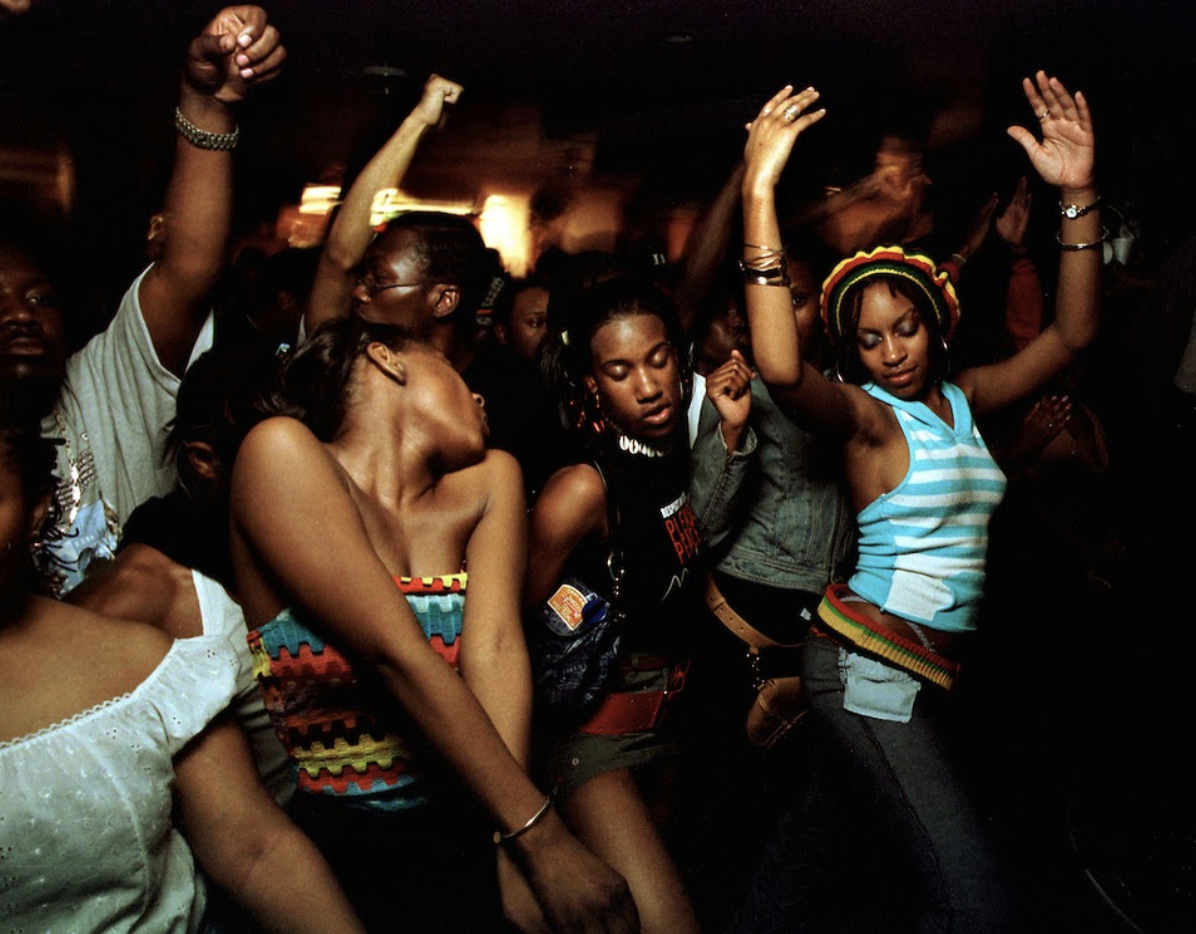
40. Bruk It Down
Bruk It Down is the broad, foundational concept of breaking your body down to the lowest point in response to a beat drop.
While many moves incorporate a “bruk it down” moment, the move itself, associated strongly with Mr Vegas, demands that every joint from the shoulders to the knees work in sequence as the body sinks into the rhythm. It is less a single step than a philosophy of commitment to the music.
How to Learn Dancehall Dance Moves: Practical Tips
1. Start with the foundation. The Wine and the basic bounce appear in almost every move on this list. Get those right before attempting anything more complex.
2. Use YouTube tutorials. When it comes to learning how to dance, YouTube is one of your best resources. Each entry in this list includes a recommended search term. Use it.
3. Learn the songs alongside the steps. The dance moves are generally done the way that they sound or the instructions are in the song lyrics. Knowing the music makes the choreography intuitive.
4. Understand who created the move. So many dancehall steps share a name with a song, and many people get the order backwards. The song is the distribution. The dancer is the origin. Knowing your history deepens your respect for the form.
5. Attend a class. Online tutorials are excellent, but nothing replaces in-person feedback. Dancehall classes now run in major cities across the UK, North America, Europe, and the Caribbean.
Why Dancehall Dance Moves Matter Globally
In recent years the likes of Sean Paul and Elephant Man have had major commercial success portraying these elaborate dance moves like Willie Bounce, Rockaway, and the Tunda Clap in their music videos, propelling these dance styles internationally.
US artists like Usher, Beyonce, and Fat Joe can be seen emulating these moves in their music videos.
In recent decades, dancehall music appears to have surpassed its predecessor, reggae, as Jamaica’s major cultural export.
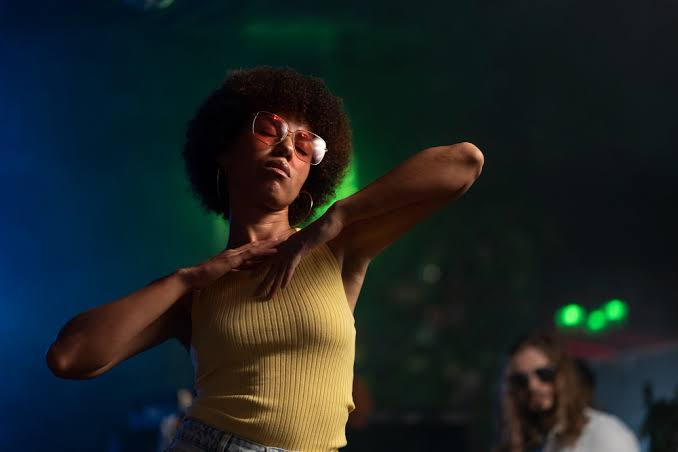
That cultural weight is carried not only in records and streaming numbers, but in bodies, in the way people move at parties from London to Lagos to Los Angeles.
Dancehall has become a vehicle for the latest news, trends, slang, dance moves, and fashion coming out of Jamaica, as well as a snapshot of the lifestyles and practices happening within Jamaican communities.
Every move on this list has a story behind it. Every name contains a memory, a tribute, a piece of humour, or a fragment of Kingston street life.
The moves do not exist in isolation, they are a living, breathing archive, and every time someone steps onto a dancefloor and executes one with intention, the archive grows.
Final Word
Dancehall dance moves reward study and reward practice in equal measure. The 40 moves in this guide range from foundational steps you can learn in an afternoon to complex partner moves that take years to master.
Use the search terms provided to find current video tutorials, cross-reference the creators named here, and above all: dance.