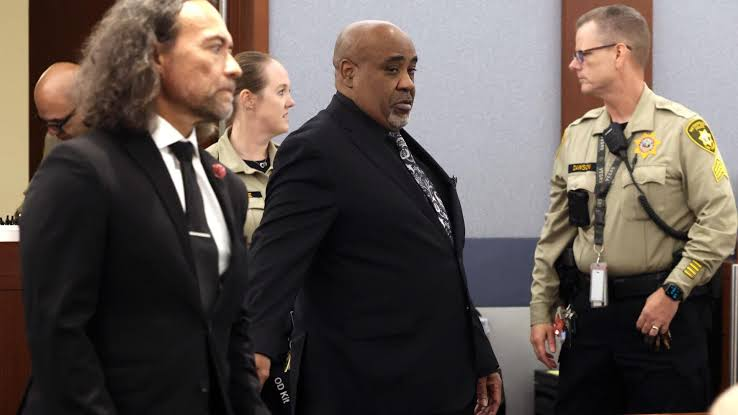

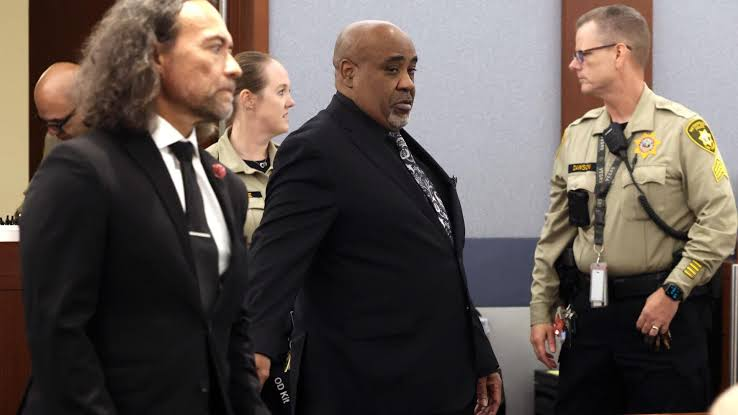
Duane “Keffe D” Davis was found guilty of first-degree murder in the 1996 killing of Tupac Shakur, and the jury took less than three hours to get there.
Nearly 30 years after one of the most talked-about deaths in music history, a Las Vegas courtroom finally delivered a legal answer.
Davis, 63, was the only person ever charged in the case, and prosecutors did not accuse him of firing the fatal shots.
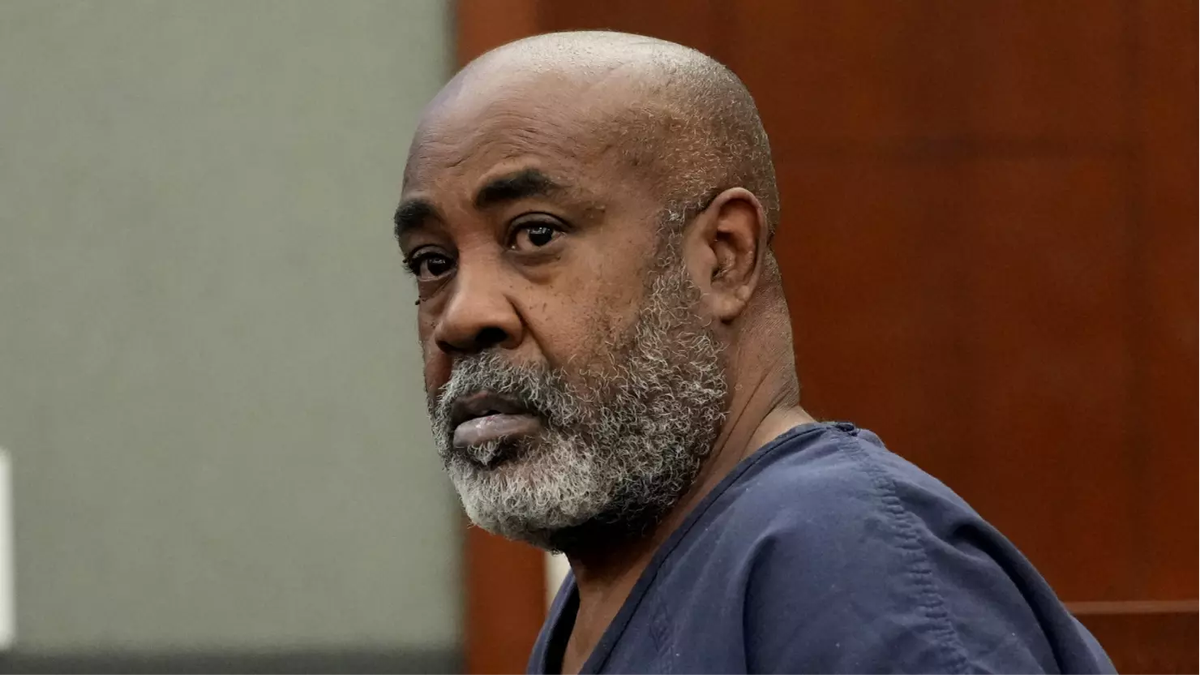
Instead, they argued he provided the weapon and helped organise the attack on Shakur and Death Row Records co-founder Marion “Suge” Knight in the hours after a Mike Tyson fight at the MGM Grand.
What made the case unusual was how much of the evidence came from Davis himself. Prosecutors pointed to interviews with investigators, documentary appearances, online videos and his 2019 memoir, Compton Street Legend, as the backbone of their argument.
Clark County District Attorney Steve Wolfson summed it up bluntly after the verdict: “The strength of our case was Mr Davis and his mouth.”
Charlamagne tha God took that point even further on The Breakfast Club the following morning. “If you give a man enough microphones, he’ll create Exhibit A,” he said. “There was a time when investigators had to interrogate suspects.
Now all you gotta do is give a brother a podcast setup.” He also gave Davis his “Donkey of the Day,” adding that “sometimes surviving consequences for too long convinces you that consequences no longer exist.”
In the courtroom on Monday, Shakur’s sister Sekyiwa “Set” Shakur was visibly emotional after the verdict was read, reaching back toward someone behind her before embracing prosecutors.
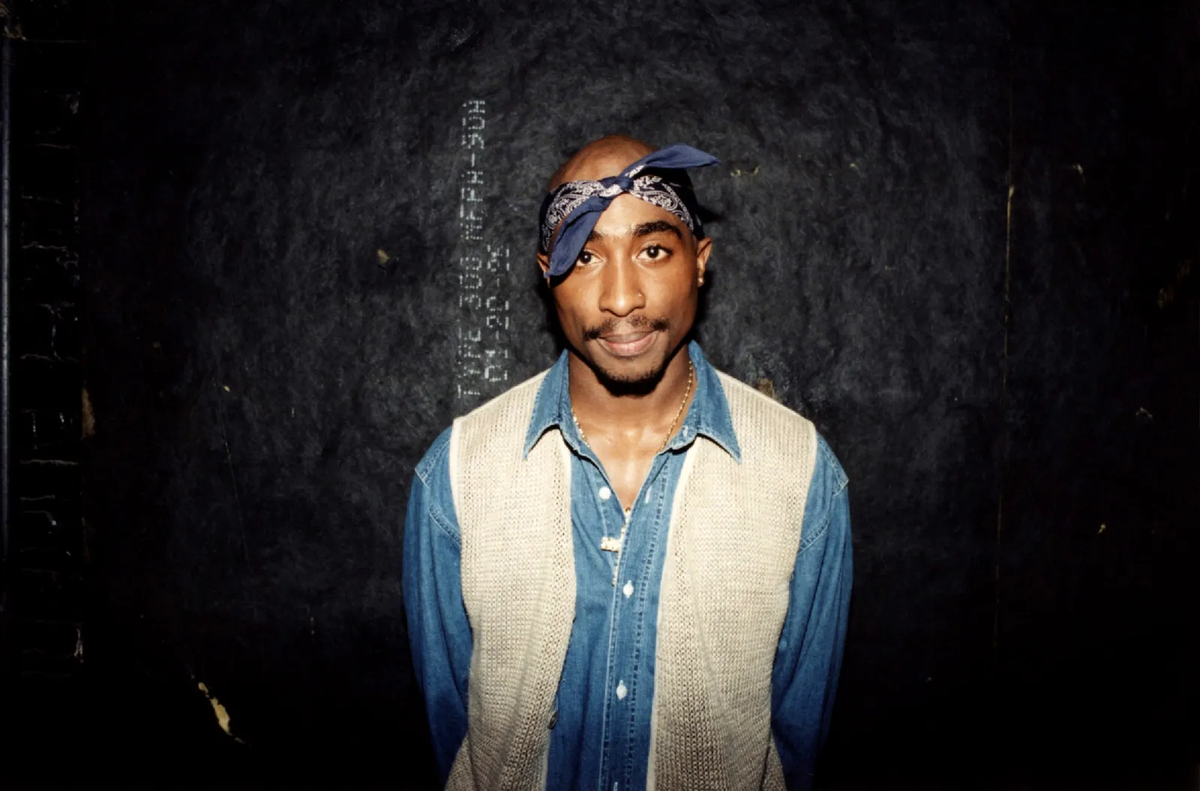
When Davis was first charged in 2023, she had called it “a pivotal moment,” but made clear that accountability was what mattered most to her.
“It’s important to me that the world, the country, the justice system, and our people acknowledge the gravity of the passing of this man, my brother, my mother’s son, my father’s son,” she said at the time.
Prosecutor Binu Palal drew a sharp distinction between how the public knew Shakur and how his family experienced the loss. “To all of us, to me, Tupac Shakur was an icon or an idea,” Palal said. “But to the family, Tupac Shakur was a brother, a son, a cousin, a loved person ripped from them 30 years ago.”
The trial also quietly dismantled the East Coast versus West Coast framing that has defined how most people remember this era of rap.
The prosecution built its case around a specific act of retaliation rooted in gang politics, personal grudges and record-label allegiances, not a coast-to-coast music war.
Chuck Creekmur, co-founder of AllHipHop, said the trial “really peeled back the layers on how deep this really goes, and how far from hip-hop it really was.” He put it simply: “If it was hip-hop, it would have ended with a few songs.”
Veteran hip-hop journalist Dave “Davey D” Cook, who covered Shakur during his Oakland years, pushed back on the geography-first narrative too. That was Bad Boy and Death Row,” he said. “They just happened to be on two different coasts.”
Cook recalled how distorted the atmosphere was in the 1990s, describing a moment when Notorious BIG appeared on Bay Area radio after Shakur’s death and said “we’re not that powerful, yo.” Some listeners heard the last word as “yet” and took it as a threat.
Years later, Cook listened again and heard it differently. “Tensions were so high, and there was so much angst in the air that we didn’t even hear him clearly,” he said.
Charlamagne also reflected on what the verdict could realistically mean for Shakur’s family, and was careful not to oversell it. “Nothing brings your loved one back,” he said. “
All you think about is what his life would have been like the past 30 years, and you’re constantly reminded of him because he’s such an iconic figure. So you’ll never truly have peace.”
Creekmur sees the verdict as less of a closing chapter and more of an opening one. The fact that there were no convictions, it allowed conspiracy theories to fester,” he said, “just like an open wound.” He believes some questions will never fully settle, no matter what any courtroom decides.
The killing of Christopher Wallace, better known as The Notorious BIG, remains unsolved. Wolfson confirmed that prosecutors do not currently have sufficient evidence to charge anyone else in Shakur’s death, leaving parts of the story still hanging in the air.