
Shabba Ranks net worth is a topic that draws frequent online searches, yet the honest answer is that estimates vary widely across credible trackers.
Celebrity Net Worth, one of the most widely cited entertainment finance sites, places Shabba Ranks’ net worth at $1 million.
That figure is corroborated by several other sources: Kahawatungu likewise estimates his net worth at $1 million, earned through his career in music, international tours, and collaborations with some of the world’s biggest artists.
A minority of sites put the number considerably higher, but those figures are not supported by verifiable financial disclosures.
What is not in dispute is the scale of the career that generated his wealth: known for his deep, gravelly voice, commanding delivery, and flamboyant image, he helped bring Jamaican dancehall to mainstream audiences in the United States, the United Kingdom, and beyond during the late 1980s and early 1990s.
Who Is Shabba Ranks?
Shabba Ranks was born Rexton Rawlston Fernando Gordon on January 17, 1966, in Sturge Town, Saint Ann, Jamaica, and grew up in Kingston’s Seaview Gardens. When he was eight years old, his family moved to the Kingston ghetto of Trenchtown.
By age 12, he was fascinated by the sound system DJs who spun records in local clubs and often chatted on the mic over the backing tracks.
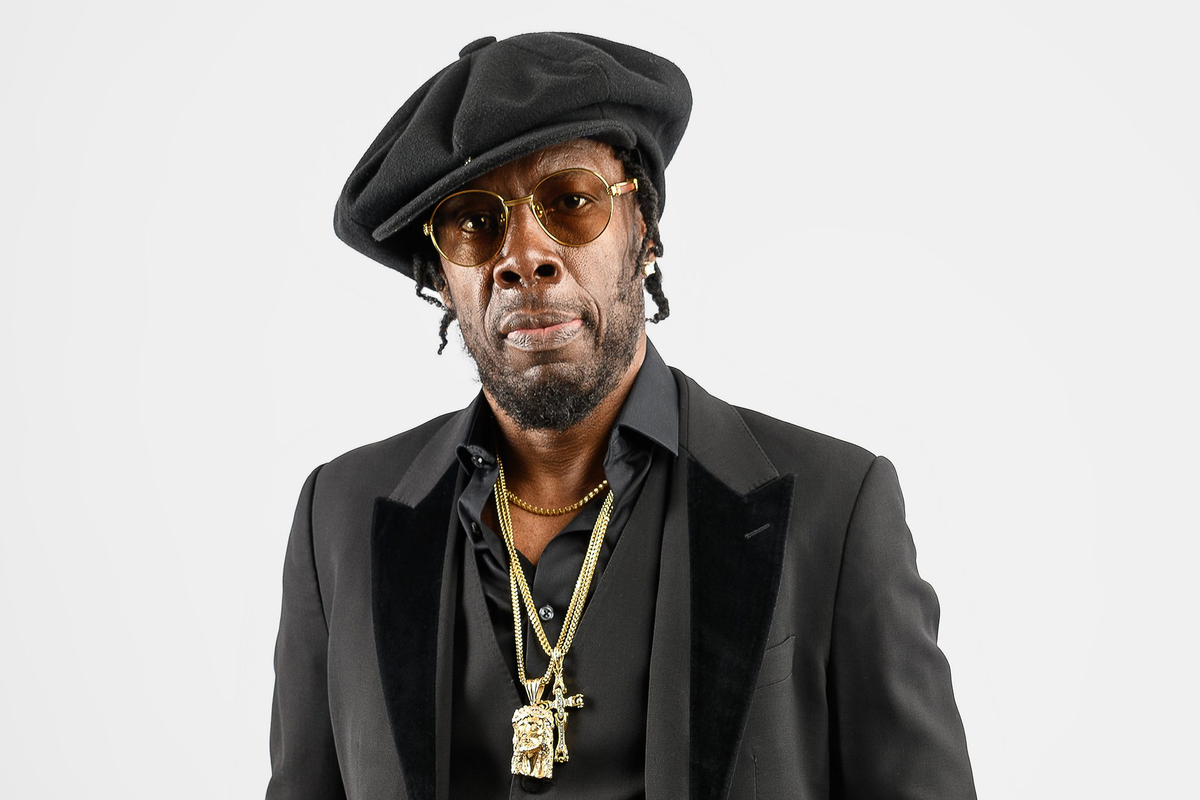
He soon tried his hand at performing as a toaster, spending the early 1980s working under Admiral Bailey at the Roots Melody sound system.
Paired with a record selector dubbed the Navigator, Ranks initially called himself Co-Pilot. Under that name, he cut his first single, “Heat Under Sufferer’s Feet,” in 1985.
The young deejay eventually dubbed himself “Shabba” after an African king and “Ranks” to imply his high position and deft microphone skills in the world of reggae.
Career Timeline and Major Income Periods
Shabba’s breakthrough came in the late 1980s when he began recording with producers such as Bobby Digital and King Jammy.
Hits like “Wicked Inna Bed,” “Trailer Load A Girls,” and “Dem Bow” turned him into a superstar in Jamaica and abroad.
Most of his early hardcore hits were done for Kingston community producers King Jammy’s and Bobby Digital.
Later, Shabba moved on to more commercial work with Gussie Clarke, which included “Champion Lover” and “Pirate’s Anthem.”
He gained popularity in North America with his album Just Reality in 1990. The stylistic origins of the genre reggaeton can be traced back to the 1990 song “Dem Bow,” from Ranks’ album Just Reality.
That foundational influence on one of the most commercially dominant genres of the twenty-first century is part of his broader cultural legacy, though it has not been publicly linked to any royalty arrangement.
This period represents the height of Shabba Ranks’ commercial reach and, by extension, the largest concentration of his career earnings.
He secured a recording contract with Epic Records in 1989. “Housecall” made the Top Five on the R&B charts, sending As Raw as Ever all the way to number one on the R&B album listings. Another duet, “The Jam” with KRS-One, topped the hip-hop singles chart in 1992.
As Raw as Ever was awarded a Grammy for Best Reggae Album, making Ranks the first dancehall artist ever to notch a win.
Later in 1992, “Mr. Loverman” was re-released as a single in the States, following its appearance in the film Deep Cover; it went all the way to number two on the R&B charts.
Mr. Loverman” reached number 40 on the US Billboard Hot 100 and number three on the UK Singles Chart, as well as becoming a top-20 hit in France, Germany, and Ireland.
The first deejay to win two consecutive Grammys, Ranks was on a roll. Those two Grammys are confirmed directly by the Recording Academy: the 35th Annual Grammy Awards honored X-tra Naked with Best Reggae Album, and the 34th Annual Grammy Awards honored As Raw As Ever in the same category.
Ranks’ early success also helped pave the way for even bigger crossovers by artists like Shaggy and Sean Paul.
A Mi Shabba, the 1995 album, sold poorly. Released three years after his last Grammy, it also followed his departure from his agent, Dillon, and the end of his Epic Records contract. He then worked on greatest hits packages for Legacy Records and the independent VP Records.
He did return to Jamaica to record some material for King Jammy during the late 1990s, some of which was released on the album Get Up Stand Up in 1998.
However, no new major-label offerings appeared, and Sony issued several compilations around the turn of the millennium.
Shabba Ranks Net Worth: What the Sources Say
The estimates circulating online for Shabba Ranks net worth span a notably wide range. Below is an honest summary of what specific sources claim, as of the most recent updates available.
| Source | Estimate | Last Updated |
| Celebrity Net Worth | $1 million | July 2026 |
| TheRichest | $1 million | Not dated |
| Kahawatungu | $1 million | February 2026 |
| Urban Splatter | $1 million | July 2026 |
| iliketodabble.com | ~$8.5 million (projection) | June 2025 |
Online estimates vary wildly, ranging from a modest six-figure sum to over a million dollars, a discrepancy that highlights the challenges inherent in assessing the wealth of celebrities, particularly those who maintain strict privacy regarding their finances.
The consensus among the most frequently cited and recently updated entertainment finance trackers sits at approximately $1 million.
The higher figures circulating on certain sites are labeled as projections or estimates without disclosed methodology and should be treated with caution.
Shabba Ranks has not made any public financial disclosures, so no figure should be treated as definitive.
Sources of Income
Shabba Ranks’ net worth is influenced by various factors, including record sales, royalties, concert earnings, endorsements, and investments.
His early-1990s catalog, released through Epic Records (a Sony subsidiary), remains his most commercially significant asset.
Sony has issued multiple compilations of his work, meaning his compositions continue to generate mechanical and performance royalties.
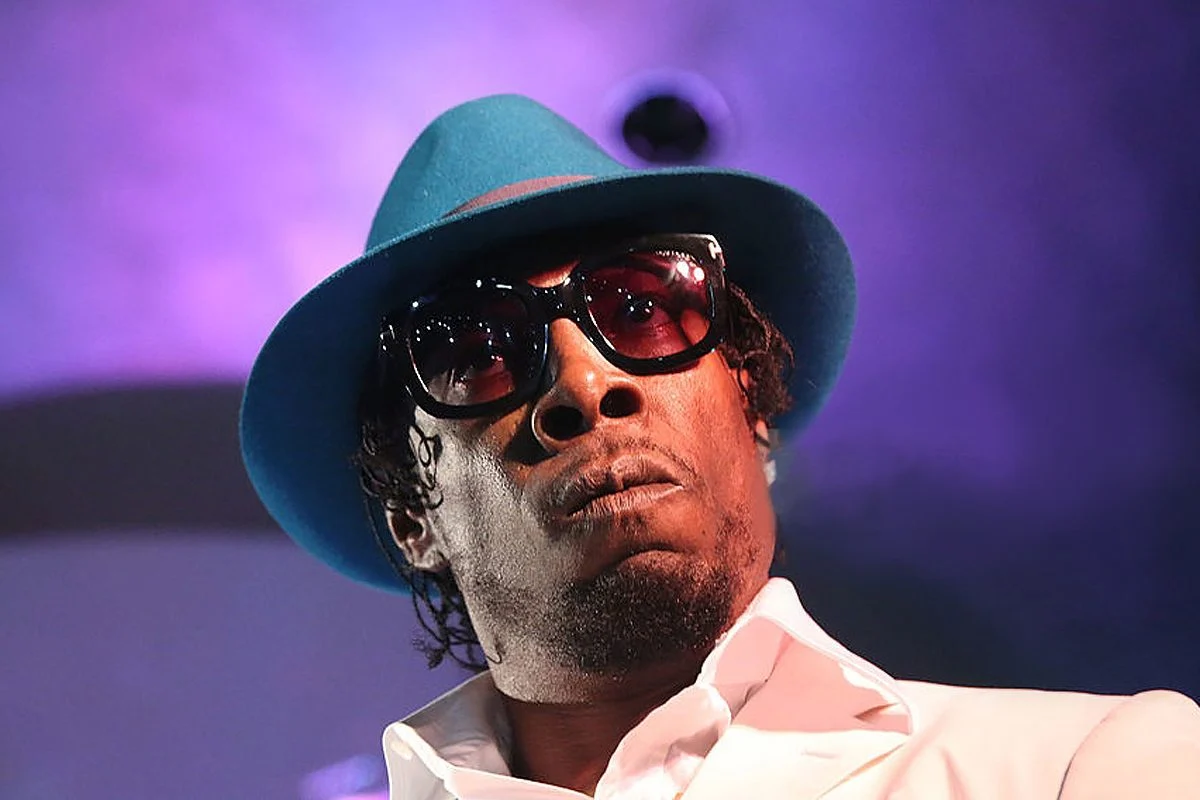
His income primarily stems from his music career, including album sales, performances, and royalties. While specific details about his assets are not widely publicized, his sustained presence in the music industry suggests a comfortable lifestyle.
Shabba Ranks has maintained a selective but ongoing presence on the festival circuit. He continues to perform on major festivals, including the 9 Miles Festival in Florida.
More recently, he appeared on the mainstage lineup of Reggae Land 2024 alongside Popcaan, Koffee, Tarrus Riley, Burning Spear, UB40 featuring Ali Campbell, and Morgan Heritage.
Touring data tracked by Songkick shows at least one confirmed concert per year in 2022, 2023, and 2024, with New York City, Washington, and Miami among his most frequently played markets.
In November 2023, Shabba Ranks appeared on “Hallelujah Heaven,” a track featuring Lil Wayne and Buju Banton, produced by director and musician Jeymes Samuel.
The collaboration demonstrated his continued relevance as a collaborator in the contemporary music landscape.
Awards and National Recognition
Beyond commercial metrics, Shabba Ranks holds distinctions that speak to his broader cultural value.
- Grammy Award for Best Reggae Album: As Raw As Ever (34th Annual Grammy Awards) and X-tra Naked (35th Annual Grammy Awards).
- He was bestowed with the Order of Distinction by the Jamaican Government in 2016 for his outstanding contribution to the development of reggae and dancehall music.
- He joins a list of eminent deejays who have received the Order of Distinction, including Shaggy, Sean Paul, Agent Sasco, Yellowman, and Lieutenant Stitchie.
Legacy and Influence on Earning Power
A meaningful but often undervalued dimension of Shabba Ranks’ financial story is his role in shaping genres that generate billions in annual revenue today.
He led the craze of drum machine-driven, dancehall, reggae-styled rap in the 1980s and 1990s throughout Jamaica and the United States, and was the first reggae artist to win a Grammy Award.
As a young “toaster” in urban Jamaican clubs, Ranks rhymed his own lyrics over reggae records, thus helping to pave the way for American rap.
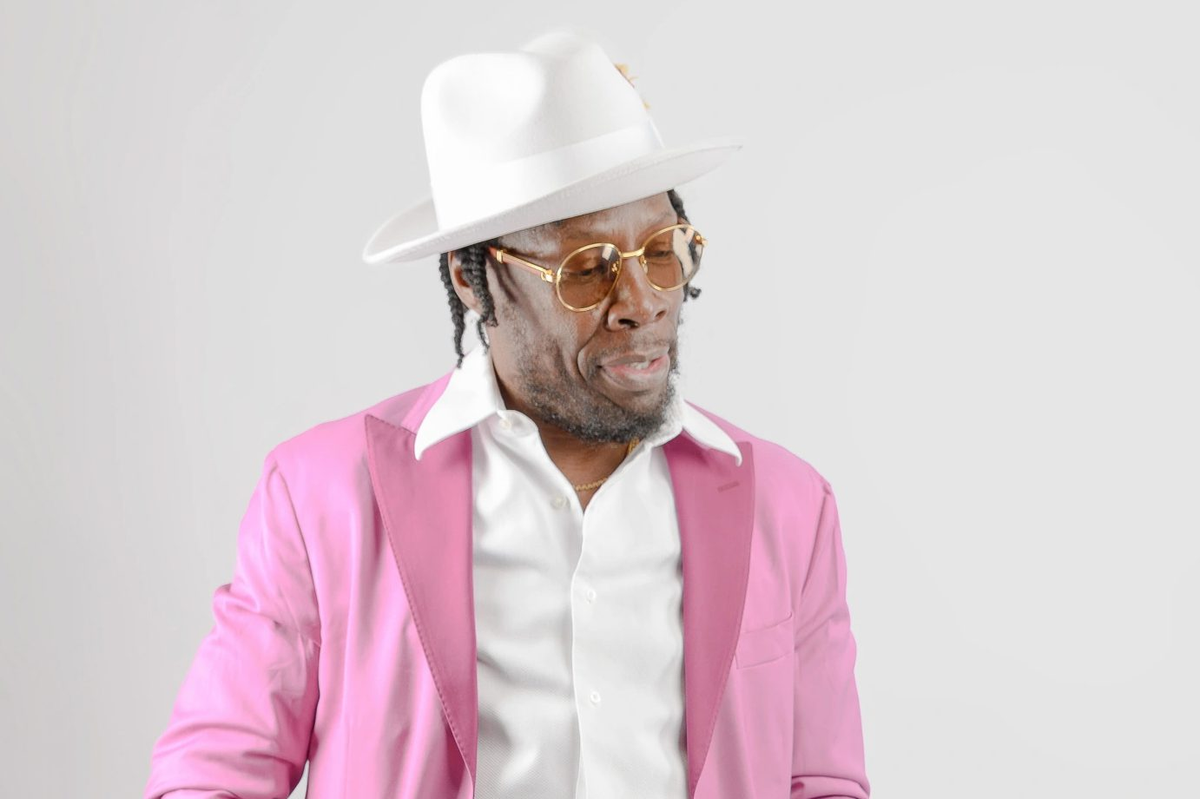
His international breakthrough came with Just Reality in 1990, which featured the influential song “Dem Bow,” a track that laid the groundwork for the reggaeton genre.
Reggaeton has since grown into one of the most commercially dominant genres globally, a lineage that traces directly to Shabba Ranks’ catalog.
Shabba Ranks was one of the first Jamaican DJs to gain international recognition, paving the way for future dancehall artists. His distinctive voice and style have influenced numerous artists across various genres.
Key Facts at a Glance
- Full name: Rexton Rawlston Fernando Gordon
- Born: January 17, 1966, Sturge Town, Saint Ann, Jamaica
- Active: 1985 to present
- Major label: Epic Records (1991 to 1996)
- Grammy wins: 2 (Best Reggae Album, 1992 and 1993)
- Net worth (2026 consensus estimate): Approximately $1 million, per Celebrity Net Worth, TheRichest, and Kahawatungu; higher projections of up to $8.5 million appear on other sites but lack transparent sourcing
- Primary income streams: Music royalties, live performance, catalog licensing
- Government honor: Order of Distinction (Jamaica), 2016