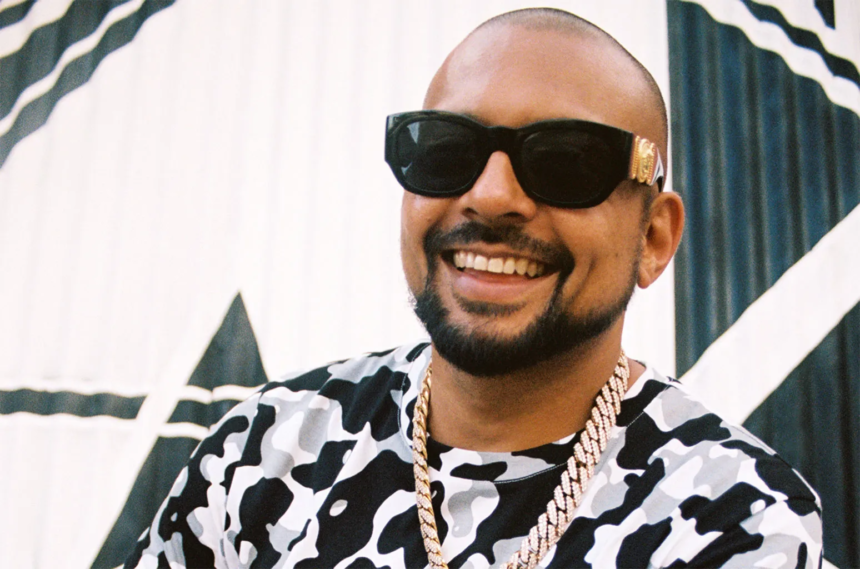

If you have ever wondered about the “Gimme the Light” meaning, the short answer is this: the song is a dancehall anthem about a night out at the club, fuelled by marijuana and the pursuit of romance.
But the longer story, covering a nearly accidental recording session, a riddim built in Miami, a chart run across three continents, and a cultural moment that permanently shifted dancehall’s place in global pop, is far more interesting.
What Is “Gimme the Light”?
“Gimme the Light” is the lead single from Jamaican dancehall musician Sean Paul’s second studio album, Dutty Rock (2002), released on 9 September 2002 through VP Records and Atlantic Records.
The song was originally released in Jamaica in 2001 under the title “Give Me the Light” before being issued internationally in 2002.
It was co-written by Sean Paul (born Sean Henriques) and producer Troyton Rami, and it would go on to become the record that introduced Sean Paul to the world.
How “Gimme the Light” Was Written
The origin story of the song is remarkably unplanned. As Paul has recalled, the producer told him he had $800 for the session, and Paul initially held out for his usual $1,000 fee.
When car trouble forced his hand that week, he called back, went to the studio already familiar with the riddim from a CD, and had the melody but no lyrics, so he decided to simply talk about what he had done in New York the week before. “It was mostly a freestyle,” Paul recalled.
Sean Paul wrote the song in two hours, based on his experiences clubbing in New York the previous week. Despite the song’s rapid ascent, Paul was not immediately pleased. “I was embarrassed at first,” he told The Guardian. “I used to have songs with bridges, but this is just a quick hook and two verses that kept repeating.”
The success of the track ultimately changed his perspective. “I was having fun in the booth when I wrote it and I realized people could feel that vibe when they heard it, they wanted to have the same party experience,” he said.
The Buzz Riddim: The Beat Behind the Song
In 2001, a fledgling Miami-based Jamaican production team known as Black Shadow created a new dancehall riddim they called “The Buzz.”
Of approximately 12 tracks vocalized by established stars and upcoming artists of dancehall, four became hits the following year: Elephant Man’s “Haters Wanna War,” Cobra’s “Press Trigger,” Sizzla’s “Pump Up,” and Sean Paul’s “Give Me the Light.”
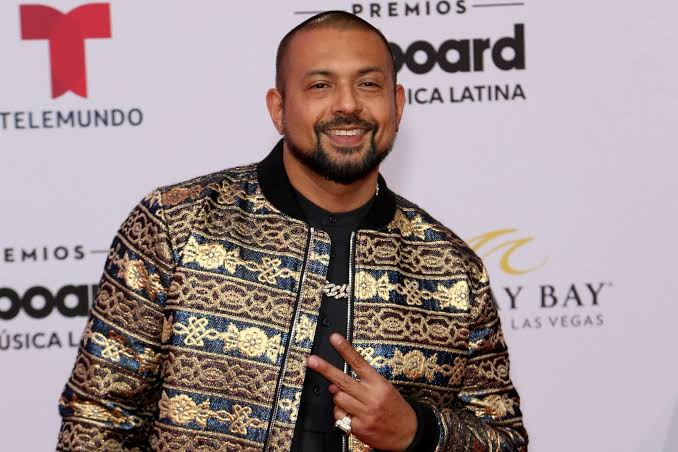
Gimme the Light” stands as the most popular hit single to emerge from the Buzz riddim, and it marked the debut hit production for Troyton Rami and Roger Mackenzie, the duo operating as Black Shadow Records in Miami, Florida.
The track, released on Atlantic Records in 2002, contains samples of the “Buzz Riddim” by Troyton Rami and Tony Kelly.
“Gimme the Light” Meaning: A Line-by-Line Breakdown
The phrase “gimme the light” carries a double meaning that is central to understanding the song. The unedited version makes direct reference to smoking marijuana, specifically passing along hydroponically grown marijuana, referred to as “the ‘dro” in the song’s chorus.
The word “light” in this context is a request for a flame to ignite a marijuana cigarette, a piece of slang rooted in Jamaican street and dancehall culture.
The edited version of the song replaces the explicit line with “Just gimme the light and start the show,” reframing the request as a call for the spotlight or the start of a party, a reading that works just as cleanly within the club-night atmosphere of the track.
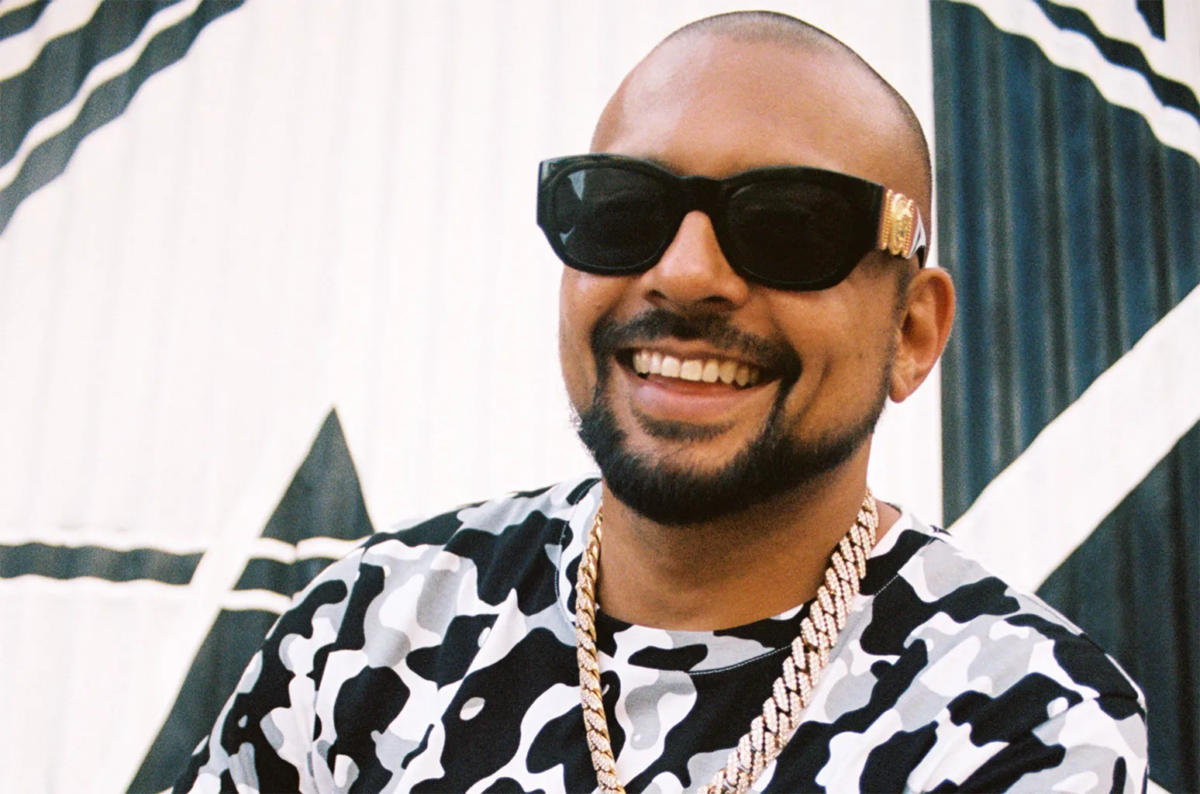
Beyond the marijuana reference, Paul is also depicted as out clubbing and checking out women for a possible nightcap.
The chorus places both activities side by side, painting a picture of a confident, self-assured man in his element: flush with cash (“I got my dough”), surrounded by attractive women (“gyal dem lookin’ hype”), and commanding the social space of the dancehall club.
The verses of the song, delivered in Sean Paul’s signature blend of Jamaican Patois and English, extend this portrait.
Paul positions himself as a potential “protector” for the woman he is pursuing, and the imagery throughout mixes nightclub bravado with the warm, rhythmic cadences of dancehall toasting.
The “bokkle a Moe” (a bottle of Moet champagne) that recurs in the chorus reinforces the celebration of abundance and nightlife pleasure that defines the song’s world.
When Sean Paul released Dutty Rock in 2002, the album served to bring the growing popularity of dancehall to a global audience.
The timing of its release was described as cosmic. Built on intoxicating riddims and elements of R&B and hip-hop, tracks like “Gimme the Light” helped shape pop music and spurred a new wave of dancehall.
The Edited Version and Radio Play
Navigating mainstream radio required a level of compromise common to reggae and dancehall releases of the era.
References to marijuana were removed from the song for the edited version, which became the version most widely heard on US pop and R&B radio.
The sanitised lyric “gimme the light and start the show” was clever enough to preserve the song’s energy while sidestepping broadcast restrictions.
This dual-version strategy helped the track reach audiences who might never have encountered an unedited dancehall record.
Chart Performance and Commercial Impact
The commercial story of “Gimme the Light” is substantial. The song was Sean Paul’s first Billboard Hot 100 entry, entering the chart on 4 May 2002 and rising to its peak of number 7 on 7 December 2002.
It also charted at number 3 on Billboard’s Hot R&B/Hip-Hop Songs, number 26 on Pop Airplay, and number 4 on Rhythmic Airplay.
Internationally, the song travelled widely. In the United Kingdom it peaked at number 5 on the UK Singles Chart, and it also reached number 3 on the UK Hip Hop/R&B chart and number 19 in Switzerland. The song also charted in Sweden, Scotland, the Netherlands, Germany, France, Australia, and Canada.
The success of “Gimme the Light” helped Sean Paul’s sophomore major-label debut album, Dutty Rock, achieve a Top 10 placing on the Billboard 200 albums chart.
All three major singles from Dutty Rock – “Gimme the Light,” “Like Glue,” and “I’m Still in Love with You” – charted in the top 10 of the UK Singles Chart.
In terms of certification, the song reached a new milestone in the United Kingdom in January 2026, when it was certified gold by the British Phonographic Industry for sales and streaming figures exceeding 400,000 units, giving Sean Paul his ninth gold-certified single in that territory.
While the single itself did not receive a standalone RIAA certification in the United States, the accompanying album Dutty Rock was certified three times Platinum by the RIAA in December 2022.
In the streaming era, “Gimme the Light” had accumulated over 500 million streams on Spotify as of November 2025, reflecting its enduring popularity.
The Music Video
The music video for “Gimme the Light” was directed by Little X (also credited as Director X), the Toronto-based Jamaican-Canadian director who became one of the definitive visual architects of early 2000s hip-hop and R&B. Little X was credited for exposing Sean Paul to a wider audience via the video for “Gimme the Light.”
Speaking in a Billboard retrospective, Director X described the cultural moment the video captured: “So ‘Gimme The Light’ came out, and you got to see the young people and the way they danced. But it looked like a big hip-hop video, with the lights and the set.
People really got it, and you had this huge reggae explosion where all these reggae artists were back on TV and their music was getting played. It was that moment in time, and it was exciting.”
The Remix and Its Legacy
The official remix, titled “Gimme the Light (Pass the Dro-Voisier Remix),” features rapper Busta Rhymes. This version featured only one verse and the chorus from the original, replaced by new lyrics from Paul and Busta, who is also of Jamaican heritage. The remix received significant airplay on urban radio in the United States.
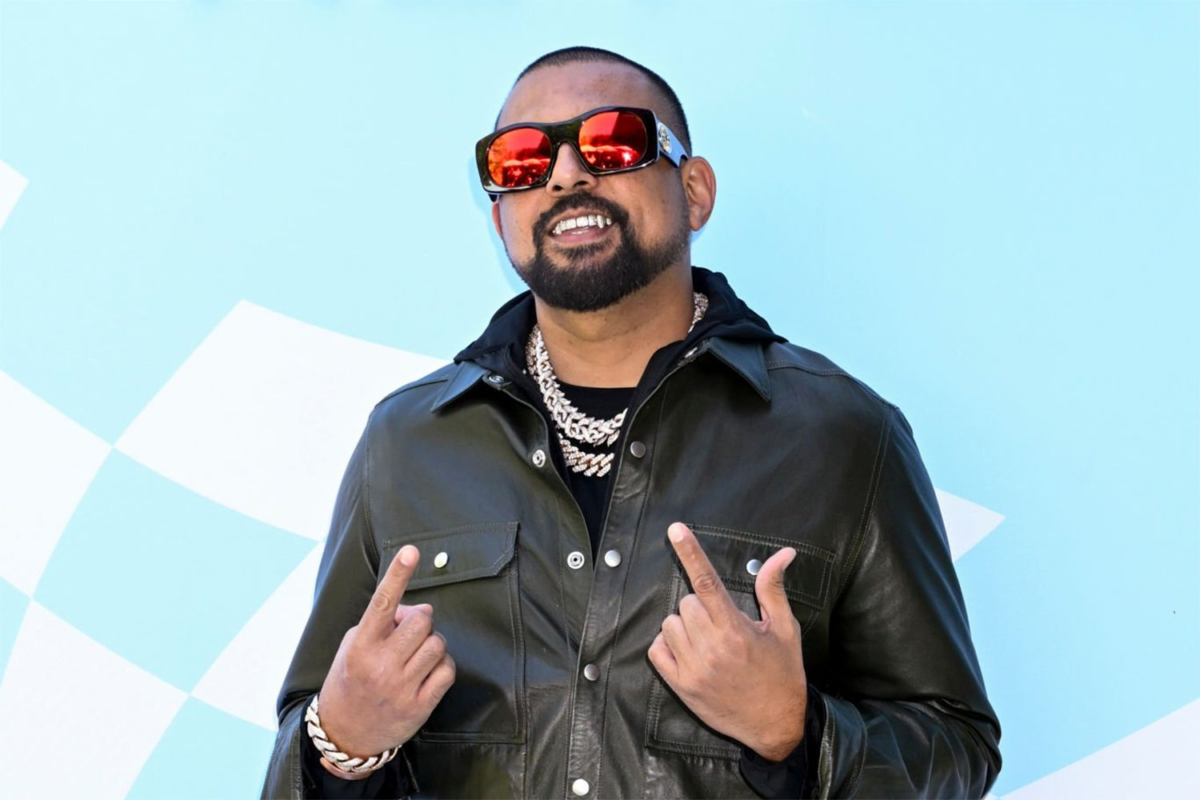
Notably, lyrics from “Like Glue,” Sean Paul’s third single from Dutty Rock, were originally intended to be the intro to “Gimme the Light” until Paul expanded them into a full song.
The creative fertility of that single session, then, effectively produced two landmark dancehall records simultaneously.
Why “Gimme the Light” Still Matters
“It commercialized dancehall in a way that had never happened before. Sean Paul was not only selling records, but he was everywhere,” says Ron Telford, managing partner of Creative Titans, a Miami-based music company that manages Caribbean and Latin artists.
“Gimme the Light” was also the catalyst for a multimillion-dollar deal between Paul’s label VP Records and Atlantic Records, right before the release of Dutty Rock.
That partnership gave Paul the infrastructure to follow the single with “Get Busy,” which went to number 1 in America and several other countries.
His profile rose sharply, and he subsequently appeared on tracks with Beyonce (“Baby Boy”), Blu Cantrell (“Breathe”), and Santana (“Cry Baby Cry”).
Retrospective assessments have solidified the song’s status as a pivotal moment in Sean Paul’s career and dancehall’s mainstream breakthrough.
A 2019 Pitchfork reappraisal of Dutty Rock celebrated the track over the crackling Buzz riddim, positioning it as an invitation to the dance that warmed clubs and streets.
More than two decades after it was freestyled in a Miami studio for $800, the “Gimme the Light” meaning remains as legible as ever: a man at the height of his energy on a night that feels like it could last forever, asking for one small thing, the light, to keep it all burning.