
The one love meaning goes far deeper than a catchy chorus. At its core, “One Love” is a statement of Rastafarian theology, a protest against political violence, and a vision of shared humanity that has outlasted its creator by more than four decades.
Few artists could write a peace anthem quite like Bob Marley, and “One Love” is arguably the most universal song he created with The Wailers, often considered to be his signature song.
This explainer traces the phrase from its roots in Jamaican activism, through three distinct recordings, to its status as one of the most recognized songs in the history of popular music.
Where the Phrase “One Love” Actually Comes From
Before Bob Marley ever set foot in a recording studio, the phrase “one love” already carried political weight. Marcus Garvey, a Jamaican-born Black civil rights activist, was known to end his speeches with the phrase “one love.”
He utilized the motto “One God! One Aim! One Destiny!” for his Universal Negro Improvement Association and advocated for Pan-Africanism, a philosophy promoting unity and solidarity among Black people globally.
The Rastafari movement, originating in Jamaica, took Marcus Garvey’s “One God! One Aim! One Destiny!” as its own and transformed it into the motto “one love, one heart, one destiny.”
The theological underpinning of the phrase is rooted in scripture: a key concept of Rastafari is one love, meaning universal love and respect for all people and creation, derived from a biblical verse: “Hear, O Israel, The Lord our God is one Lord” (Deuteronomy 6:4), also known as the Shema Yisrael, a Jewish prayer that affirms the oneness of God.
It is worth noting that Garvey’s original conception of one love was specifically about Black solidarity. Where one love was primarily about Black solidarity for Garvey, Marley often spoke of harmony among people of different races.
Marley’s vision of one love is thus generally interpreted as a vision of racial harmony, though some Rastafarians have criticized Marley for altering Garvey’s message.
The Song’s Three Lives: 1965, 1970, and 1977
One Love was first recorded by Bob Marley and his original group, The Wailers, in 1965 for their debut studio album, The Wailing Wailers.
The song was influenced by ska and rocksteady, two popular Jamaican music genres at the time, and was also inspired by Rastafari, a religious movement that Bob Marley embraced in the early 1960s.
Bob Marley used the concept of one love as the basis for his song, which he wrote with his friend and fellow Wailer Peter Tosh.
The song was a call for unity and peace among all people, especially in Jamaica, which was experiencing political and social turmoil at the time.
The original 1965 recording was not released as a standalone single, though it was re-recorded as a medley called “All In One” which was released in 1970.
The recording that most listeners know came over a decade later, under extraordinary circumstances. By 1976, “One Love” evolved and was rewritten by Marley, incorporating pieces of the 1965 song “People Get Ready” by The Impressions.
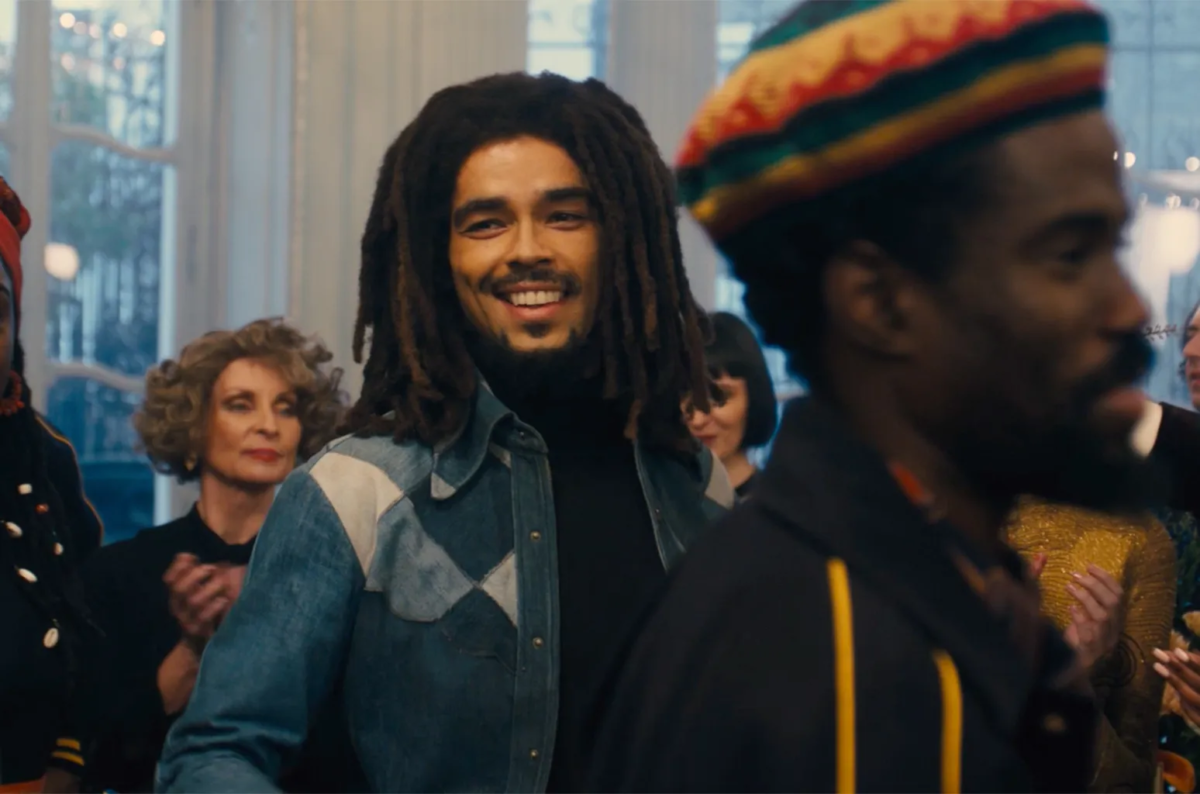
The famous version of “One Love” that appears on the album Exodus was recorded in 1977 for Island Records under the title of “One Love/People Get Ready.”
The dual title came about for both musical and legal reasons. “One Love” incorporates sections of the Impressions’ 1965 song “People Get Ready,” one of the most influential civil rights anthems of the sixties, written by the group’s singer Curtis Mayfield.
Mayfield was a major influence on Marley, who wanted to emulate that style of songwriting as a way to communicate meaningful messages of unity, spirituality, and struggle. While the original version of “One Love” did not credit Mayfield due to copyright law not being enforced in Jamaica at the time, he was later given co-credits once the song was rewritten and re-released.
According to Rolling Stone, it was Island Records founder Chris Blackwell who noticed the similarity to “People Get Ready” and suggested giving Mayfield a co-writing credit to protect Marley legally.
The 1977 version, which appears on Bob Marley and The Wailers‘ Exodus, was credited to Marley and The Impressions’ Curtis Mayfield.
The 1977 Exodus version, which slowed the tempo and embraced a richer reggae sound, featured the dual title for interpolated lyrics taken from The Impressions’ “People Get Ready” (1965).
Hence the songwriting credit shared with Curtis Mayfield, who penned many anthems in the Civil Rights Movement era rooted in the tradition of “negro spirituals.
What the Lyrics Actually Mean
“One Love” is a powerful anthem that has transcended its reggae roots to become a universal message of peace, unity, and compassion. Through its simple yet profound lyrics, the song invites listeners to reflect on the interconnectedness of humanity and the importance of coming together to create a better world.
The essence of “One Love” lies in its appeal for universal brotherhood and eliminating barriers that divide people, such as race, class, and nationality.
“It’s a song of unity, it’s a song that unites everyone,” said Cedella Marley in a 2020 interview. “When Daddy was writing this song, I don’t think color, creed, or social status mattered.”
Many casual listeners miss the song’s political sharpness beneath its buoyant melody. There is a deeper meaning behind the song than a simple call for unity.
Some of the lyrics are about oppression and how sinners will pay for their evil deeds in the end. For many listeners, this deeper message is lost in the overwhelming chorus.
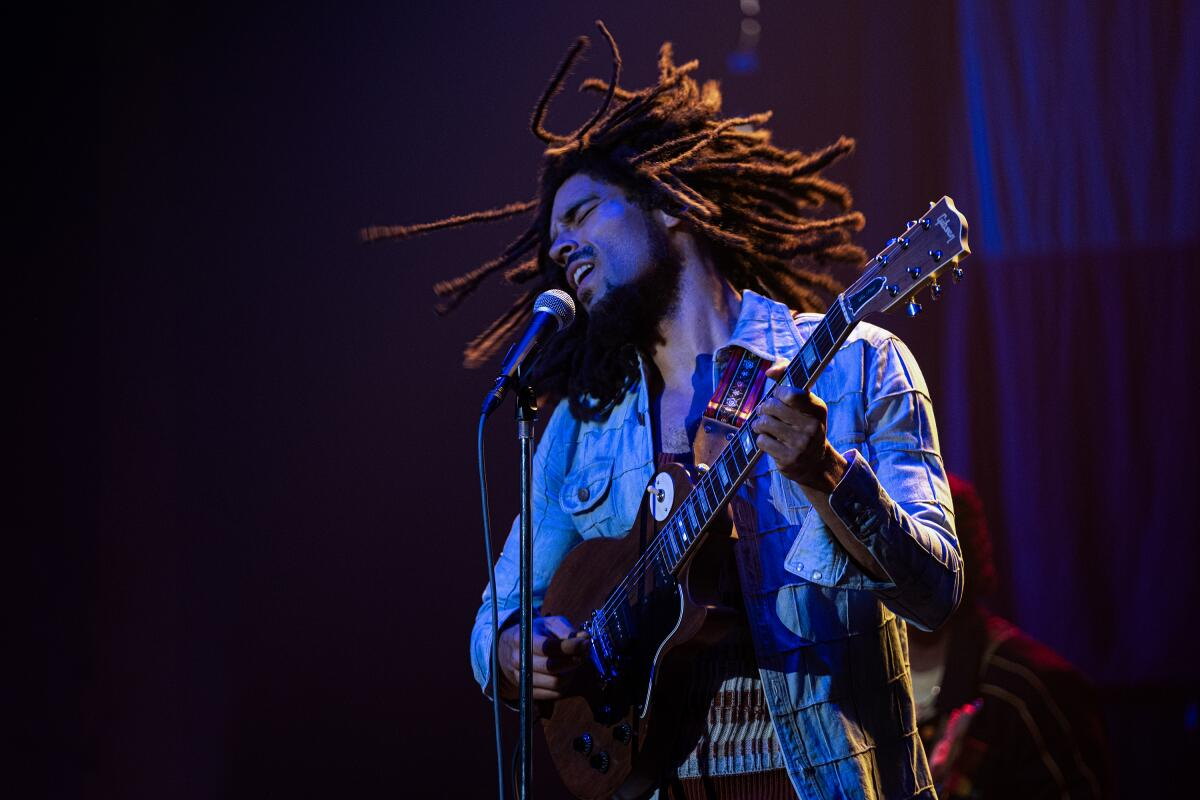
The beguiling, lullaby-like innocence of “One Love” is contrasted by references to the pain inflicted by “hopeless sinners” and its unity call to “fight the holy Armageddon.” Ultimately “One Love” stands as an unwavering testimony to the spiritual strength and profound inspiration Bob Marley derived from his Rastafari way of life.
The song spoke to Bob’s hope for world peace and his position on equality for all races and classes, and was written amid the turmoil of the Jamaican elections in December 1976.
That context is essential: “One Love/People Get Ready” became a rallying cry to unite but also to address the oppression and violence in Jamaica around the elections of December 1976 and the divisiveness between Michael Manley’s People’s National Party and the Jamaican Labour Party.
Bob Marley, a prominent figure in reggae music and a Rastafarian, used his platform to address social and political issues, advocating for peace, love, and understanding. “One Love” serves as a testament to his belief in the power of love to overcome hatred and division.
The song’s repeated invocation of giving “thanks and praise to the Lord” is not generic piety; it is a direct address to Jah, the Rastafari name for God.
The name “Jah” appears prominently in Rastafari, because the personal relationship with “Jah,” or God, is considered central to the faith.
The One Love Peace Concert: The Song Made Flesh
The most dramatic real-world expression of the one love meaning came not through a recording, but through a live performance. Bob Marley’s triumphant return to Jamaica for a performance at the One Love Peace Concert was held on April 22, 1978 at Kingston’s National Stadium.
The event featured 16 prominent reggae acts and was dubbed a “Third World Woodstock.” In the concert’s most memorable moment, Bob Marley summoned JLP leader Edward Seaga and Prime Minister Michael Manley onstage.
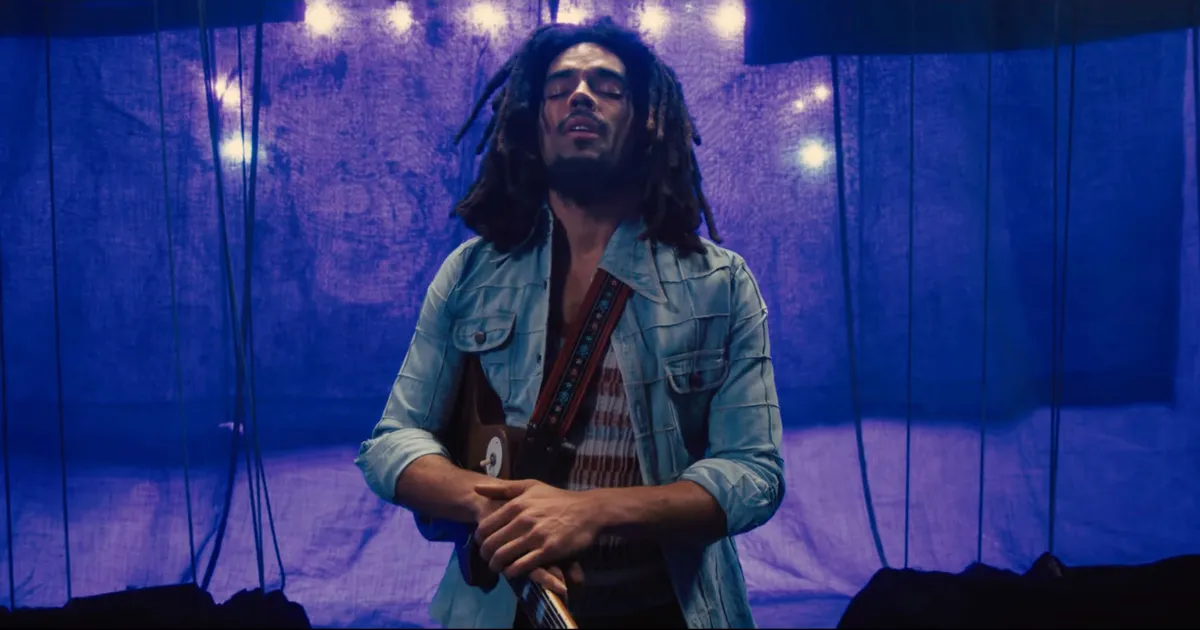
In 1978, after a 14-month self-imposed exile following an assassination attempt, Bob brought together the leaders of the rival political parties in Jamaica on stage for the One Love Peace Concert.
The gesture of forcing two warring political leaders to clasp hands above a stage, in front of a nation that had watched its streets run with blood, was Marley translating the song’s philosophy into direct action.
The United Nations’ Peace Medal of The Third World was given to Bob Marley during a reception at the Waldorf Astoria in New York City on June 15, 1978, for his courageous work appealing for justice and peace during a time of political unrest in Jamaica.
Chart History, Release Timeline, and Awards
The song was not released as a single until April 16, 1984, to promote the forthcoming greatest hits album Legend. It was rereleased with a video featuring cameos by Paul McCartney and members of Bananarama, to accompany the massively successful 1984 greatest-hits album, Legend.
The song peaked at No. 5 on the UK Singles Chart when it was released as a single in 1984 to promote the posthumous greatest hits album Legend.
Bob Marley was posthumously inducted into the Rock and Roll Hall of Fame in 1994; in December 1999, his 1977 album “Exodus” was named Album of the Century by Time Magazine and his song “One Love” was designated Song of the Millennium by the BBC.
In 2007, the 1965 version of the song was inducted into the Grammy Hall of Fame.
In 1994, the Jamaica Tourist Board adopted the track as its theme song. The Jamaica Tourist Board also used Marley’s “One Love” in a 1993 ad and adopted it as a kind of musical logo from 1996 to 2003.
Legend, released in 1984, a compilation of Marley’s apolitical songs, is the best-selling reggae album of all time, RIAA Certified 18x platinum.
The Debate: Is “One Love” Too Simple?
The song is not without its critics, and serious engagement with Marley’s work demands acknowledging them. It is frequently put down for being a kumbaya plea to “get together and feel alright” just because, or a call for interracial unity, or worse, a sell-out to oppressors.
Some within Rastafarian and Pan-Africanist circles argue that by broadening Garvey’s concept of Black solidarity into a universal greeting, Marley diluted the radical political charge the phrase originally carried.
Most people see “one love” as promoting racial unity, and some claim that it could have changed the thoughts of the Rastafari community.
But not everyone concurs with this perspective, and some Rastafarians have expressed their disappointment in Marley for altering Marcus Garvey’s original message. Nevertheless, the message of “one love” still stands strong as a symbol of unity and togetherness.
Legacy: From Jamaica to the World
No one can deny that Bob Marley and “One Love” played a huge role in the worldwide recognition of reggae, and in 2018 UNESCO declared the genre an intangible cultural heritage of humanity.
UNESCO added reggae to its Intangible Cultural Heritage list, citing its role in social commentary as “a vehicle for social criticism” and a carrier of “international discourse” on injustice and love.
The phrase “one love” usually means unity, peace, goodwill, and shared human connection. It is strongly associated with Jamaican culture, Rastafari, and Bob Marley, and it is often used as a warm expression of respect, inclusion, or togetherness.
From tattoo parlors to UNICEF campaigns to stadium concerts, the phrase has migrated far beyond its origins, carrying with it at least an echo of the theology and politics that first gave it meaning.
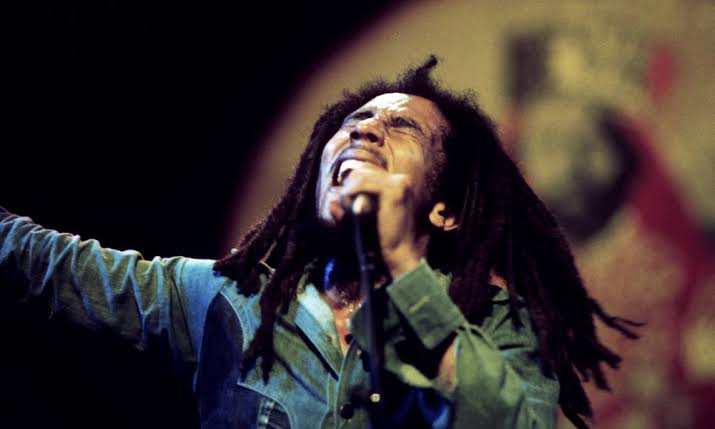
Throughout the years, “One Love” has filtered across film and television, even re-entering the charts in 2010 after a feature on the TV musical Glee.
Countless artists have covered the peace anthem over the years since its release, notably Marley’s children like Stephen Marley and Ziggy Marley.
Arguably the most familiar cover version recorded by an artist outside of Bob’s family was by Jason Mraz, who covered “One Love” for a Gap commercial in 2005.
Ultimately, the one love meaning is not fixed, and that may be the point. It functions simultaneously as a Rastafarian theological statement, a protest lyric, a call for political reconciliation, and a simple expression of goodwill.
What is certain is that a song first sketched in a Kingston recording studio in 1965, by a young man absorbing the weight of scripture, Marcus Garvey, and the sounds of ska, has not lost its grip on the world’s imagination more than sixty years later.