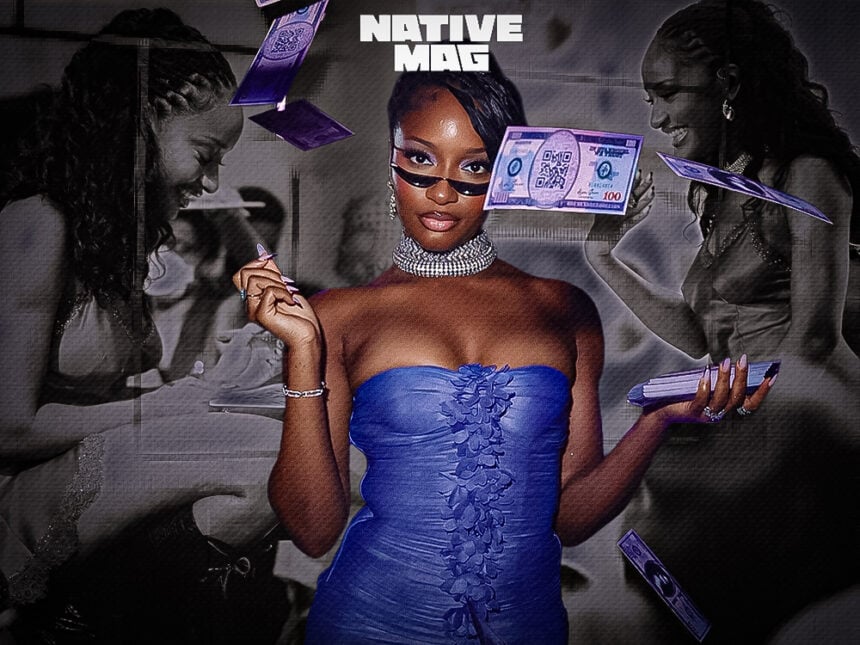

The most telling detail about Ayra Starr’s upcoming album is not the tracklist or the collaborators. It is a Substack essay she published herself, titled “I’m not scared. I promise,” where she wrote openly about fatigue, loneliness, and the struggle to be understood while living alone in New York for the first time.
For someone who has spent years projecting an almost flawless public image, that level of raw honesty is a shift that feels bigger than any sonic pivot.
StarrGirl’ is her third studio album, and it arrives a little over two years after ‘The Year I Turn 21.’ Like her previous projects, the title is tied to her identity rather than a number, and she described it on Substack as “a bridge between past and present, tradition and transformation, self and society, accepting complexity and turning it into strength.” That is a lot to carry into one record, but her career so far suggests she has earned the right to try.
From the start, Ayra built her artistry around the tension of being young and being watched. Her debut EP introduced a teenager who was already being processed by the public as a fully formed adult, and songs like “DITR” and “Sare” did the work of grounding her in something real, addressing the actual texture of adolescence rather than performing a polished version of it. The music was where she let the mask slip, even when the interviews did not.
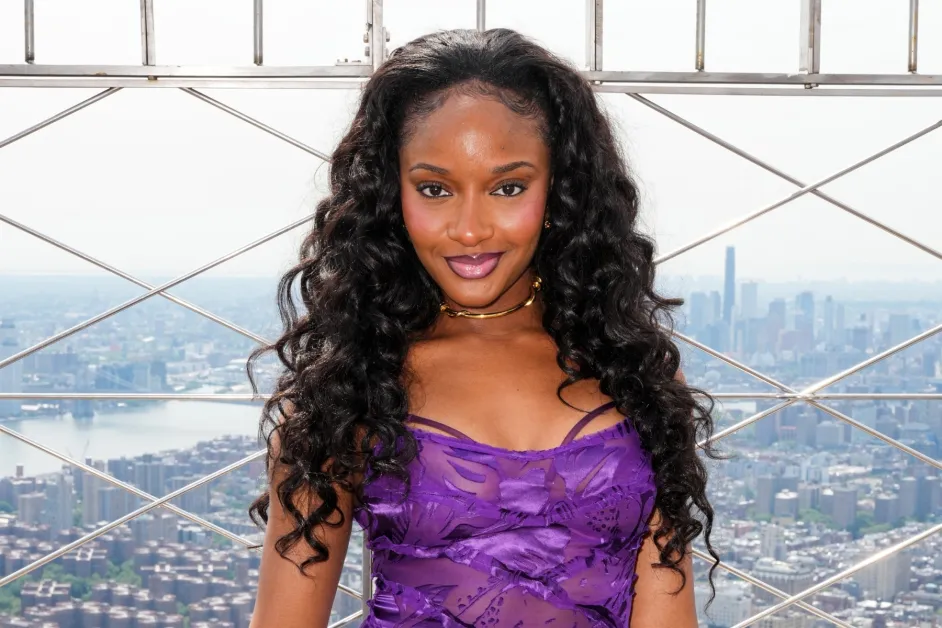
By the time ’19 & Dangerous’ arrived, her fashion had become its own argument. The shift toward bolder, more revealing outfits was not just aesthetic, it was Ayra pushing back against the expectations placed on young Nigerian women in the public eye.
“Cast” made that explicit, with lyrics that acknowledged the defiance and leaned into it anyway. Bridgertn” took it further: “I’m the queen bow down, broke all your stereotypes, I make my rules.” She was not subtle about it, and that directness is a big part of why her audience grew so fast.
“Rush” changed the conversation internationally. The track earned her a Grammy nomination and introduced her to listeners who had never engaged with Afrobeats before.
It also showed a different side of her focus, less about identity politics and more about drive, about keeping her eyes on what she was building.
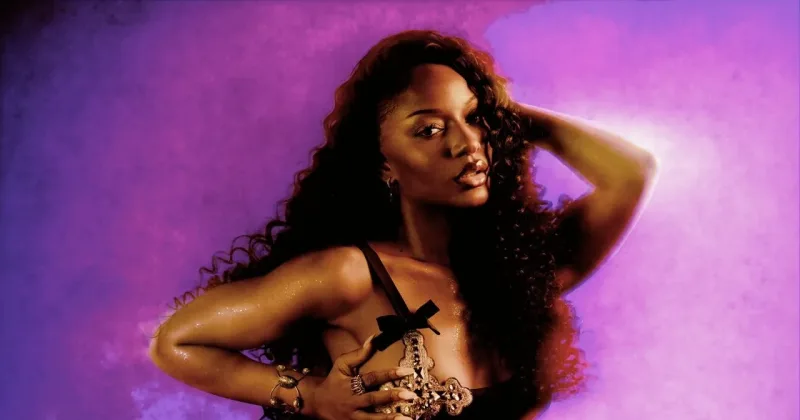
Bloody Samaritan” and “Sability” reinforced that momentum, and by the end of that cycle she had become one of the clearest examples of what a young Nigerian pop artist could achieve globally.
‘The Year I Turn 21’ matured the sound without announcing it loudly. She did not need to keep declaring her independence because the world had already caught up to her.
The album documented real moments: a tribute to her late father on “The Kids Are Alright,” a dedication to Don Jazzy on “Jazzy’s Song,” and a collaboration with her brother Milar on “1942” that dealt with dreams and the speed at which time moves. “21” pulled everything together, with Ayra reflecting on who she had become and trying to hold onto who she used to be. It resonated because that specific confusion belongs to everyone in their early twenties, not just pop stars.
The lead-up to ‘StarrGirl’ has felt different. “Gimme Dat” and “Hot Body,” both released in 2025, moved away from the romantic storytelling she had built her early catalogue on.
They were sultry in a way that felt deliberate, songs about desire and confidence that signalled she was stepping into a new lane.
The shift is not jarring, but it is noticeable, and it makes sense for someone who is now in her mid-twenties and has clearly been thinking hard about what the next version of herself sounds like.
The tracklist backs up what she promised at the 2026 Teen Vogue Fest, where she told the audience the album would reflect her exposure to different cultures and allow her to exist in multiples.
Collaborators include Zayn Malik, Wizkid, Rema, Leon Thomas, Danny Ocean, and French-Congolese artist Theodora, with whom she previewed “Ms Paper” on the TODAY show.
That spread of names alone covers contemporary R&B, soul, hip-hop, dance-pop, and Afropop, which is either a bold experiment or a genuinely global statement depending on how the sequencing holds together.
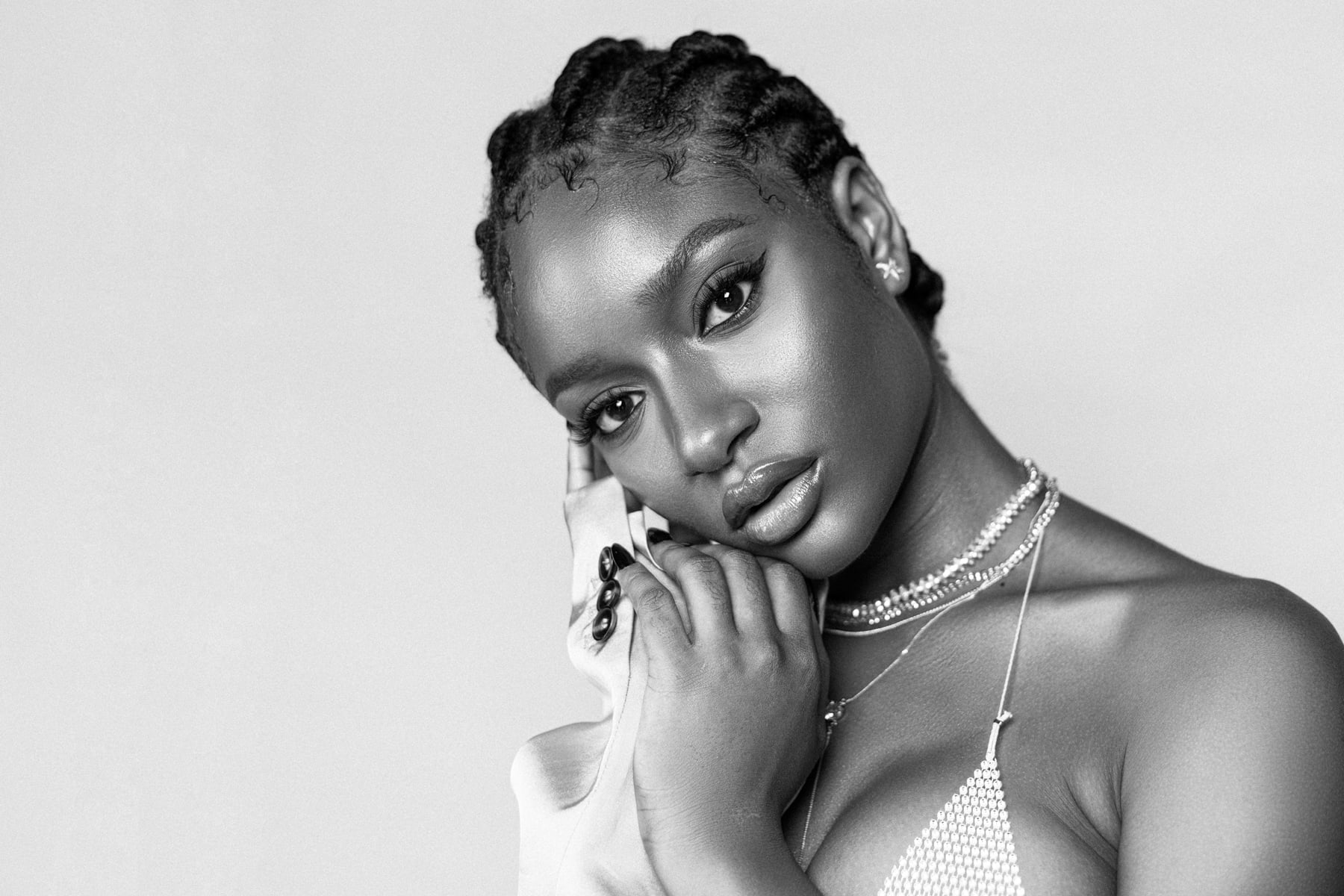
Her new stylist, Elly Karamoh, has been quietly reshaping her visual identity toward something more internationally minded.
For years, Janice Mahemge brought an energy to her looks that matched the fire of her early music. The transition to Karamoh feels like a deliberate signal that the aesthetic and the sound are evolving together.
The gele imagery used in her album promotion added another layer, reclaiming a traditional artifact and placing it in the context of raves and festivals, which is exactly the kind of cultural reframing Ayra has always been drawn to.
Her Roc Nation deal positions her well for what comes next. Two Grammy nominations in the Best African Music Performance category already put her name in that conversation, and with the infrastructure behind her now, a win is not a stretch.
Her family took to the streets with purple geles and placards to promote the release, which is the kind of detail that says something about where she comes from and what she is still connected to, even as New York becomes her new base.
The snippets are out, the collaborations have been teased across her social media, and the album is days away.