

Walk down Marcus Garvey Drive in Kingston and you pass a building that holds more Jamaican music history than most countries hold in their national archives.
That is Tuff Gong, the label and studio Bob Marley built so that he and the Wailers would never again have to beg for a fair deal.
The Tuff Gong history runs from a Trench Town nickname to a pressing plant, a museum, and a 2026 relaunch that drew some of reggae’s most important voices back into one room.
The short version: the Wailers formed Tuff Gong in 1970, ran it from 56 Hope Road through Marley’s peak years, and moved it to the old Federal Records complex in 1981. The long version is a story about ownership, family, and a sound that still travels the world.
A Name Born in Trench Town
Before it was a logo on a 45, Tuff Gong was what the yard called Bob. The nickname stuck to him in Trench Town, and it carried a deeper echo: Leonard “The Gong” Howell, one of the founders of the Rastafari movement. For a young Rasta singer, it was a name with spiritual weight and street credibility in equal measure.
Turning that name into a company was a practical decision as much as a symbolic one. After early successes and bad experiences with managers, Marley set out to control his own studio and his own label.
Anyone who knows the Kingston music business of the 1960s understands what that meant. Producers owned the masters, artists got a fee and a handshake, and the money flowed upward.
Tuff Gong was the Wailers’ answer to that system, and the brand was valuable enough that it is now formally protected as a trademark.
The label’s first home was on Orange Street, the old heart of Kingston’s record trade, where shops and sound system men did business shoulder to shoulder. From there it moved uptown to the address that would become the most famous in reggae.
The Hope Road Years
From 1973, Tuff Gong’s headquarters was 56 Hope Road, which was also Marley’s home. That blend of house, rehearsal space and business office defined the label’s spirit.
Musicians, footballers, Rastafarian elders and hangers-on came through the gates, and records came out the other side.
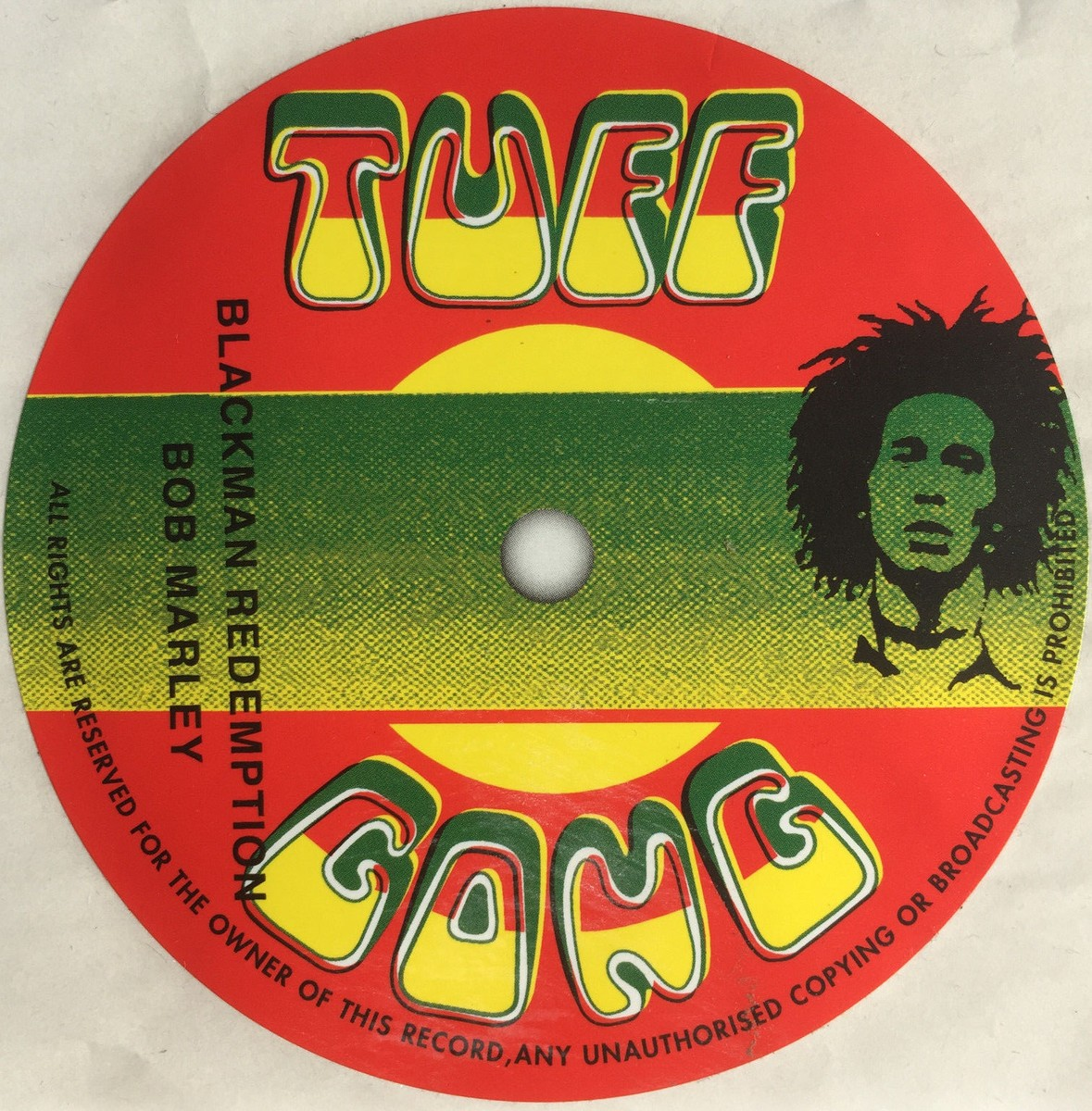
Collectors can even trace the label’s growth through its artwork. The design of Tuff Gong’s 45s changed with the 1975 release of “No Woman, No Cry”, a fitting marker for the moment Marley’s music was crossing from Jamaican yards to stadiums abroad.
Hope Road also saw the darkest chapter of the story. In 1976, gunmen attacked the house in an attempt on Marley’s life.
He survived, but the attack showed how tangled music and politics had become in 1970s Kingston, and he spent time away from Jamaica in its aftermath.
When he returned, Hope Road became a working studio in earnest. Survival was recorded and mixed there in January and February 1979. Uprising followed between January and April 1980, and it would be the last studio album released in his lifetime.
On 1 May 1980, the Wailers rehearsed at the newly refurbished Tuff Gong Studios for the Uprising tour, which was set to open in Munich on 1 June. Few could have known how little time remained.
The Move to Marcus Garvey Drive
Marley died in 1981, and that same year Rita Marley made the move that turned Tuff Gong from a label into an institution.
She bought Ken Khouri’s Federal Records studio, the island’s first record pressing plant, and the company relocated from Hope Road to 220 Marcus Garvey Drive, where the site reopened as the new Tuff Gong Recording Studio.
The symbolism was hard to miss. Federal had been one of the pillars of the old Jamaican industry, and now it belonged to the family of the artist who had fought hardest for independence from that industry.
The complex became a full operation: recording studio, mastering room, stamper room, pressing plant, cassette plant, wholesale record shop and booking agency, with offices for Rita Marley Music and Ghetto Youths International under the same roof.
Vinyl heads still hunt for its fingerprints in the runout grooves, where the prefixes Rmm (Rita Marley Music) and MML (Marley Music Limited) give away records mastered or pressed on site.
Hope Road found a new purpose too. Rita converted the house into the Bob Marley Museum, which opened on 11 May 1986.
The old studio is now a multimedia hall, and visitors end their tour there watching a film in the room where Uprising took shape.
More Than a Family Business
Tuff Gong never stopped being a working studio. The vintage gear, from the mixing console to a Hammond B3, has drawn artists from far beyond reggae, including Lauryn Hill and Sinéad O’Connor.
Kenny Chesney, who recorded there, put it plainly: “So much of the music that we all listen to originated in that room.” Continuity matters here too. Assistant engineer Chiao “Chow” Ng, who worked on Survival, is still at the studio.
On the business side, Tuff Gong serves as the Caribbean distributor for Warner Music Group, Universal Music Group and Disney Music Group, and Tuff Gong International has a licensing deal with Warner Music.
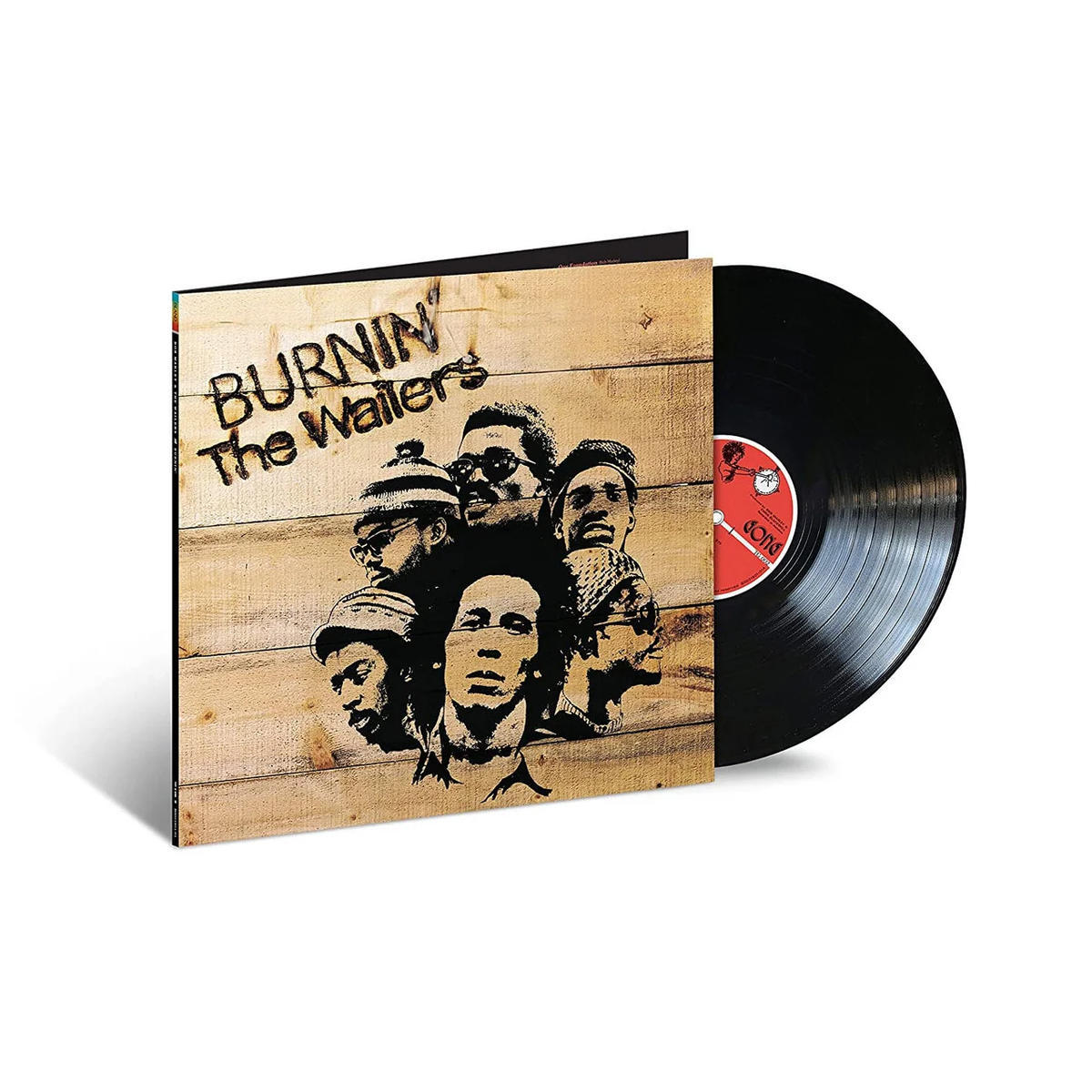
Its distribution arm now carries reissues of the Mystic Records catalogue, and in September 2026 the company announced a deal with the Tapedeck platform ahead of its Android rollout and Jamaica launch.
Tapedeck’s Tim Quirk described Tuff Gong as “the oldest independently owned entertainment company in the Caribbean”, and the partnership is pitched around helping creators reach global audiences while keeping ownership of their work. That is the founding idea of 1970, updated for the streaming age.
The next generation has carried the name in their own directions. In 2006 Ziggy Marley founded Tuff Gong Worldwide, keeping the name but swapping “International” for “Worldwide”, with the aim of building a label that did more than release his own music. The brand has even reached gamers, with Tuff Gong Radio appearing in Grand Theft Auto IV.
A New Chapter in 2026
On 5 March 2026, Tuff Gong International officially reopened its Marcus Garvey Drive studios after a renovation guided by Cedella Marley.
Stephen Marley struck a ceremonial gong, and the room filled with reggae royalty: Marcia Griffiths and Judy Mowatt, two-thirds of the I-Threes, alongside saxophonist Dean Fraser.
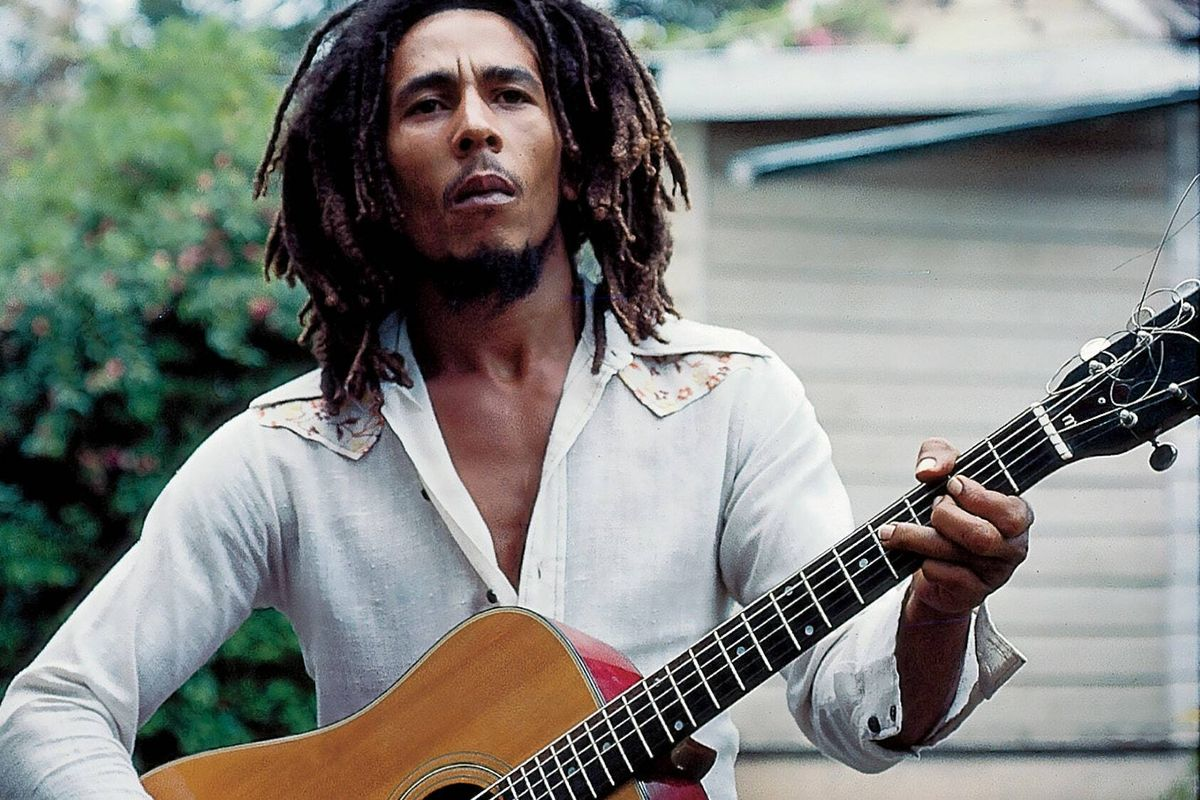
Stephen called it “a proud moment for Jamaica and Jamaican culture”, and nobody in attendance would have argued.
The family’s work reaches beyond the studio walls as well. The Bob & Rita Marley Foundation has been involved in Hurricane Melissa relief, a reminder that the Marley name has always carried community obligations alongside commercial ones.
Why Tuff Gong Still Matters
Plenty of Jamaican labels made great records. Tuff Gong made a point. It proved that a ghetto youth from Trench Town could own his name, his masters and eventually the very plant that once symbolised the old order.
Rita Marley’s 1981 purchase turned that point into bricks and machinery, and her children have kept the machines running.
Today the label sits at a rare crossroads: a museum on Hope Road honouring the past, a refurbished studio on Marcus Garvey Drive recording the future, and a distribution arm pushing Caribbean music onto new platforms.
For fans, Tuff Gong is not just Bob Marley’s label. It is the clearest example of what independence has always meant to reggae.