
Two days ago, on 2 November, Rastafari around the world marked 96 years since a small, upright man in Addis Ababa was crowned King of Kings.
To understand Haile Selassie and Rastafari is to understand why that coronation still echoes through every Nyabinghi drum, every dub plate shouting “Jah” and every reggae chorus raised to the Conquering Lion. Without him, roots reggae would have no centre of gravity.
He never set foot in Trench Town as a young man and never sang a note. Yet his name, his speeches and one rain-soaked afternoon in Kingston gave Jamaican music its spiritual spine. Here is how an Ethiopian emperor became the heartbeat of a Caribbean sound.
From Ras Tafari to Haile Selassie
He was born Tafari Makonnen in 1892, and before his coronation he carried the title Ras Tafari. That name is the root of the word Rastafari.
On 2 November 1930 he was crowned in Addis Ababa and took the name Haile Selassie, “Might of the Trinity,” along with titles that would ring through Jamaican yards for decades: King of Kings, Lord of Lords, Conquering Lion of the Tribe of Judah.
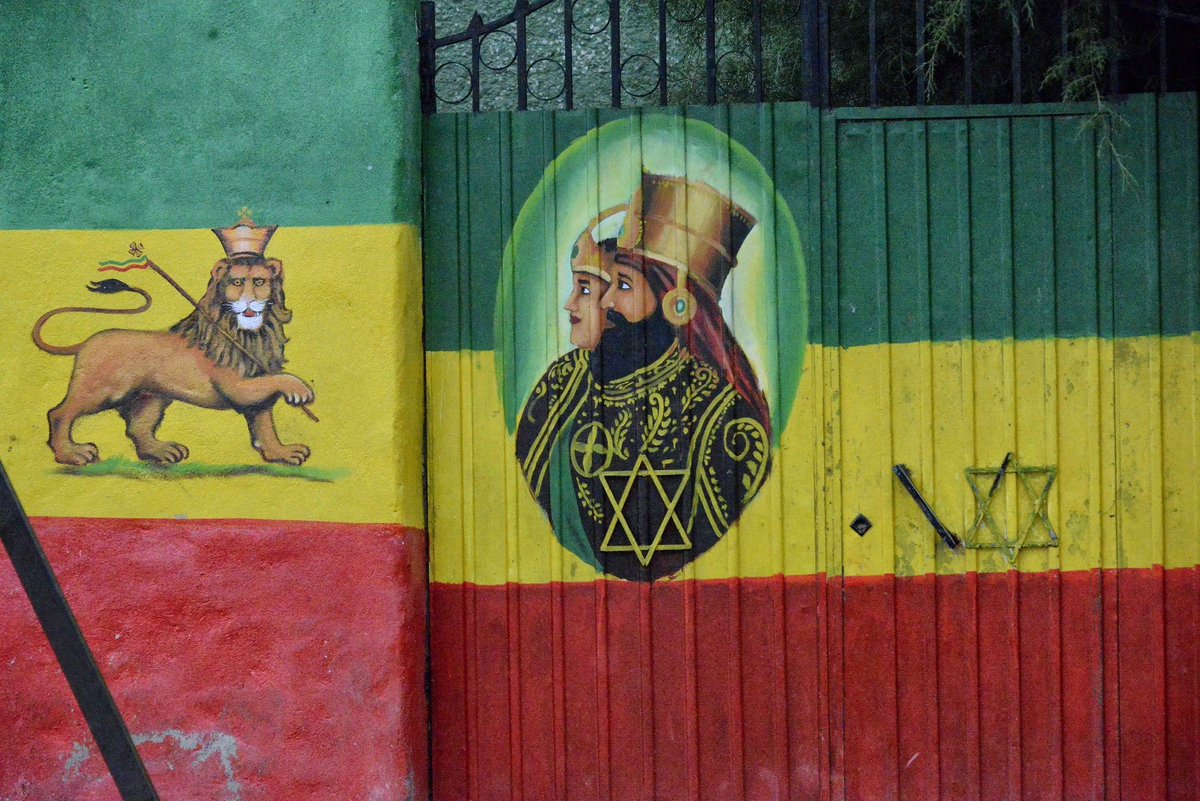
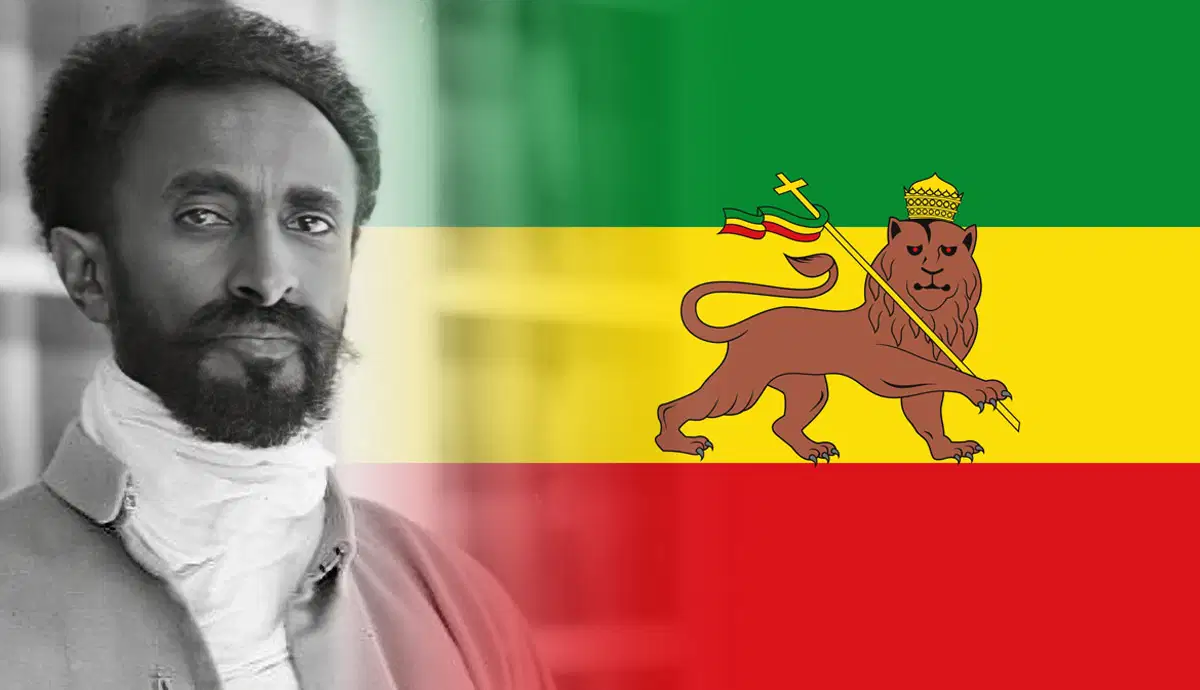
The lion on Ethiopia’s flag became the movement’s emblem, the same lion that now prowls across album covers, dancehall backdrops and sound system speaker boxes. And in a quiet irony, the man himself was a devout Ethiopian Orthodox Christian.
Garvey’s Prophecy and Howell’s Fire
The usual origin story begins with Marcus Garvey in the 1920s and the words long attributed to him: “Look to Africa, when a black king shall be crowned, for the day of deliverance is at hand.”
When news of the coronation reached Jamaica, believers read it as that prophecy fulfilled, alongside Revelation 5:5 and Ezekiel 28:25.
Garvey’s relationship to the faith he supposedly inspired is thornier than the legend suggests. He later called Selassie “a great coward” for leaving Ethiopia during the Italian occupation, and the scholar Barry Chevannes argued that Garvey would have seen the belief in Selassie’s divinity as blasphemy.
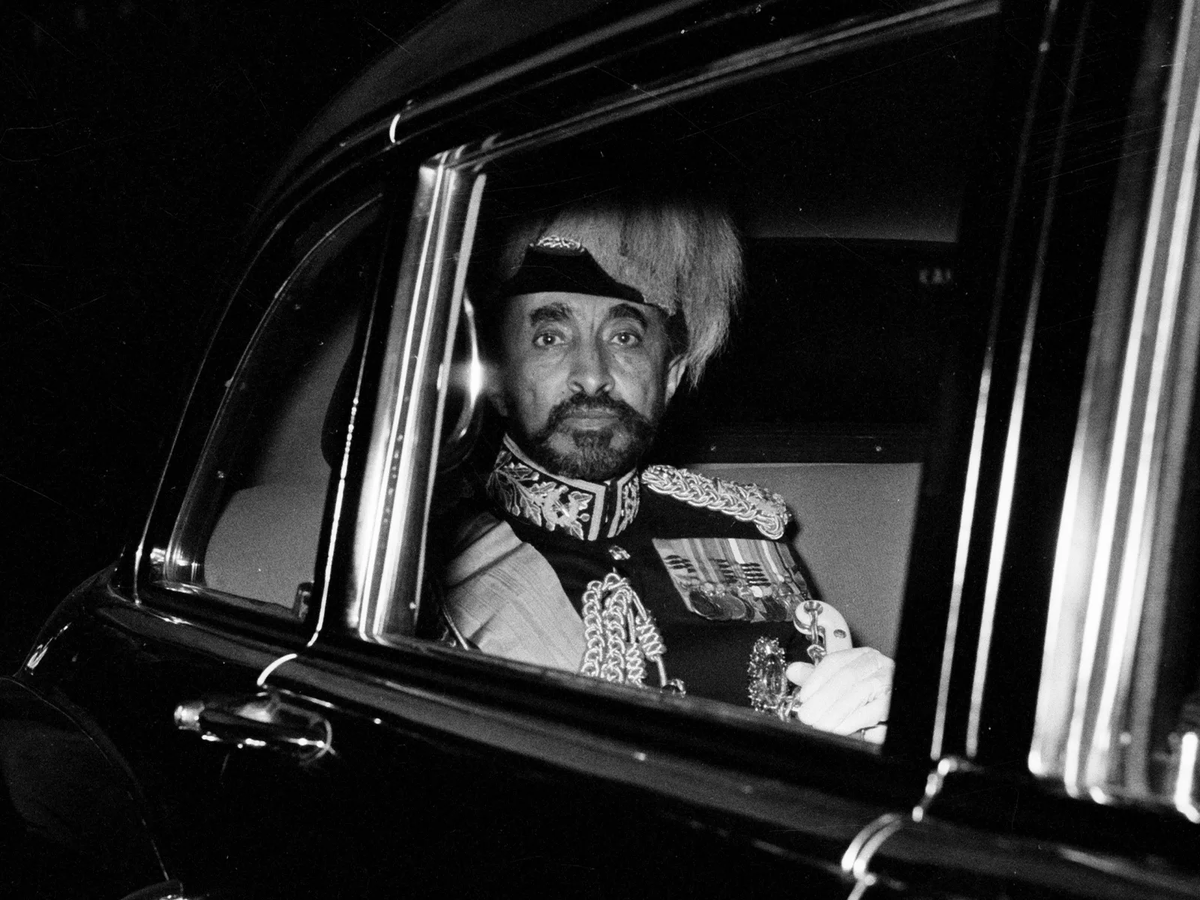
The real spark came from Leonard Howell. In January 1933 he publicly declared Selassie the Messiah returned to earth, was jailed for sedition, and went on to found the Pinnacle commune in St Catherine.
From those beginnings grew a theology holding that God had walked the earth in human form three times: as Melchizedek, as Jesus and as Selassie. The mansions still interpret him differently.
The Twelve Tribes of Israel see him as Christ in his kingly character, some Rastas worship him as Jah incarnate, and others honour him as an anointed king.
Did He Believe It?
Selassie knew of his veneration in Jamaica and denied that he was divine. Yet he never rebuked the Rastafari for their faith either.
Michael Manley later recalled that the emperor spoke with amazement about his reception in Kingston and reportedly said he had to be respectful of their beliefs.
Manley also once observed, in words reported second hand, that Rastafarians were the only Jamaicans who could not be said to have an identity problem.
21 April 1966: The Day Kingston Stood Still
Selassie came to the Caribbean to thank Trinidad, Jamaica and Haiti for standing with Ethiopia against Mussolini.
When his plane touched down at Palisadoes Airport on 21 April 1966, an estimated 100,000 Rastafari were waiting.
Chalice smoke drifted over the airfield, drums rolled, and the crowd surged onto the tarmac until the emperor could not leave the aircraft.
Officials turned to the Rasta elder Mortimer Planno, who climbed the steps, spoke with the emperor, and came back to tell the people: “The Emperor has instructed me to tell you to be calm.” For the first time, Rastafari representatives then attended state functions at the emperor’s side.
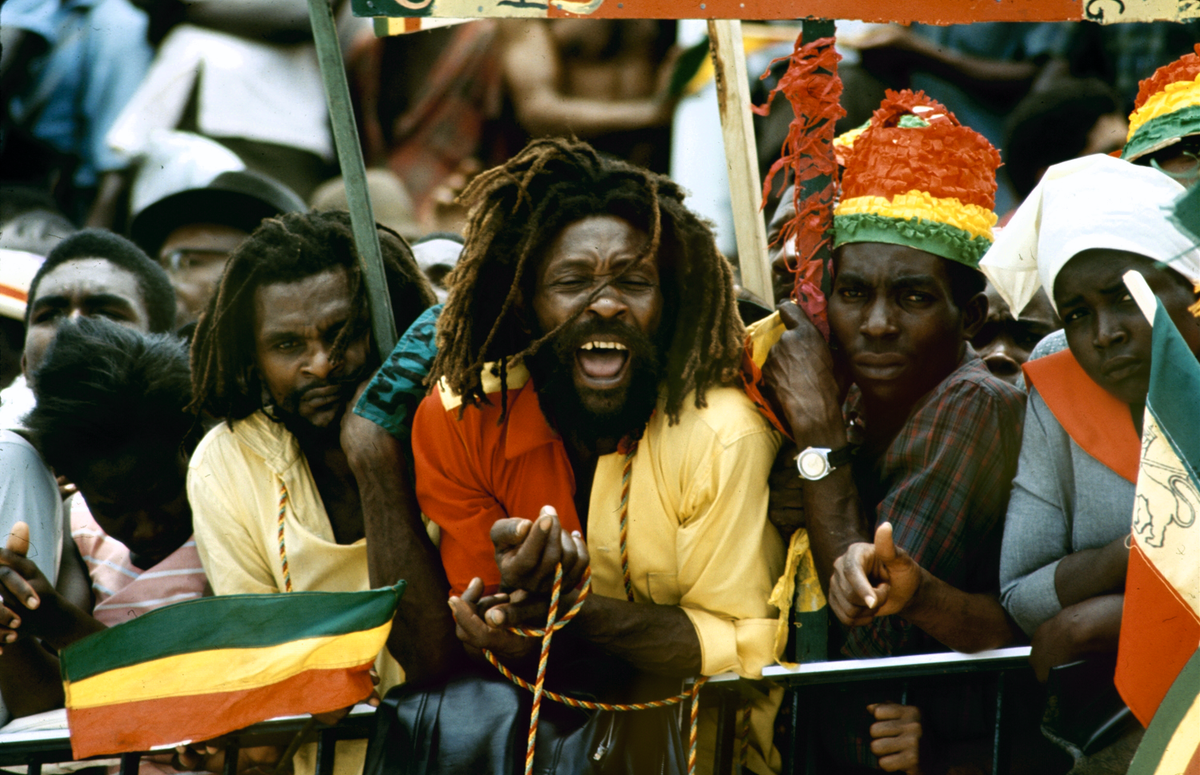
In a private audience, he reportedly told the elders not to emigrate to Ethiopia until they had liberated the people of Jamaica.
The miracles followed quickly. Believers say rain broke a drought as he arrived, and footage from the Jamaica Information Service does show a wet tarmac, though the drought story shifts with the teller. Rita Marley said she saw a stigma on his hand and left convinced of his divinity.
The day lives on as Grounation Day, among the holiest dates on the Rasta calendar alongside Coronation Day and Ethiopian Christmas on 7 January.
How the Visit Rewired Jamaican Music
Before 1966, Rasta expression in popular music stayed more undercover than upfront. Historian David Katz calls the visit a “clear catalyst” for change and puts it bluntly: “If not for Selassie’s visit, the spread of Rastafari through reggae would probably never have taken place.”
You can hear the shift in the years that followed, as ska and rocksteady gave way to reggae and singers stopped speaking in code.
Planno, the man who calmed the airport crowd, became a teacher and friend to Bob Marley, a living bridge between that tarmac and the music that carried the faith to the world.
Across the Caribbean especially, reggae became the main way ordinary people came to know Selassie’s name.
Songs Written in His Words
No track captures that bond better than “War,” from Marley’s 1976 album Rastaman Vibration. Its lyrics come almost word for word from Selassie’s speech to the UN General Assembly on 4 October 1963.
Marley’s friend Alan “Skill” Cole reportedly bought a pamphlet of the speech and pushed him to record it, and Marley trimmed each “that until” to a hammering “until,” adding “war” as a refrain.
The song later became part of Aston “Family Man” Barrett’s royalty and credit lawsuit against the Marley estate.
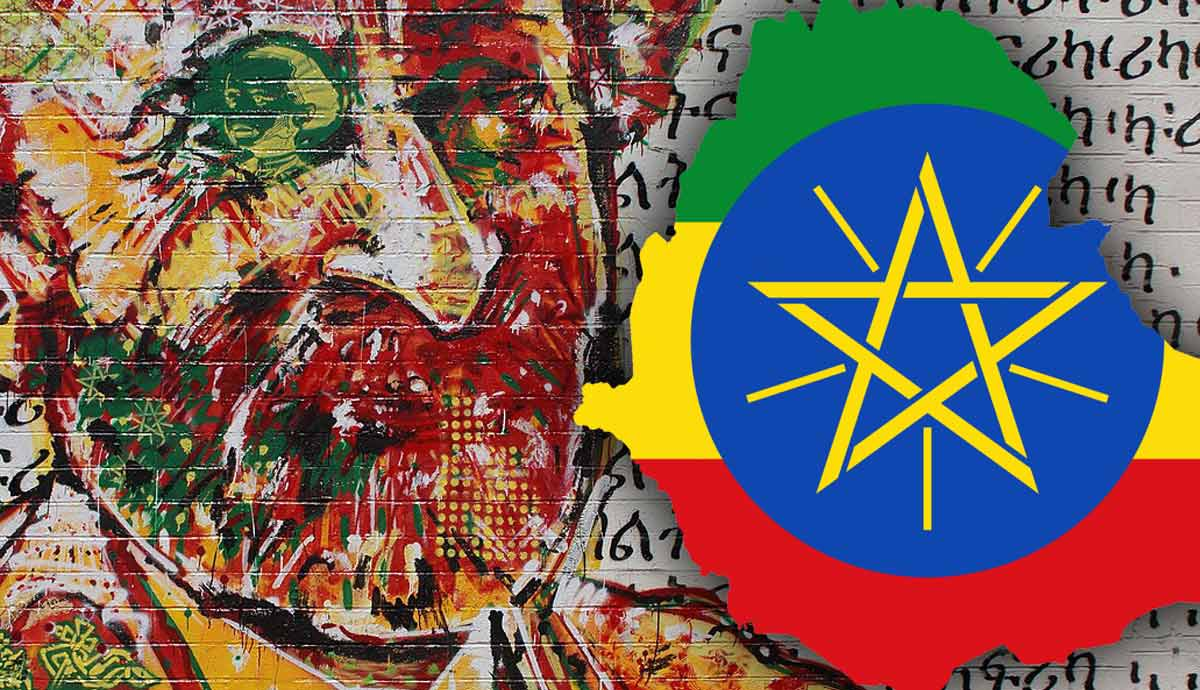
When Selassie’s death was announced in 1975, Marley answered within days with “Jah Live,” written and produced with Lee Perry as a defiant statement that the emperor had not died. It stands as one of the most urgent devotional records reggae ever pressed. The connection runs into dancehall too.
The Bobo Ashanti stand apart, and some within the mansion reject reggae outright as “satanic,” yet Capleton and Sizzla built fiery careers on Bobo imagery, carrying Selassie’s name into a harder, faster era.
Shashemene and the Dream of Return
In 1948 Selassie granted about 500 acres near Shashemene through the Ethiopian World Federation, a gesture tied to support Ethiopia had received against Italy rather than a gift to Jamaican Rastas alone.
Settlers came anyway, and the town earned the nickname “Little Jamaica.” Then the Derg nationalised rural land in March 1975, and much of the grant was lost.
A 2011 UNIA mission found that Ethiopian policy no longer allows land to pass to foreigners, leaving title as tangled as ever.
Death, Doubt and Reburial
The Derg deposed Selassie on 12 September 1974, and he reportedly died on 27 August 1975 in unclear circumstances. The official cause was complications from a prostate operation.
In 1994, however, an Ethiopian court found several former officers guilty of strangling him. His remains, found in 1992, were reburied at Holy Trinity Cathedral in Addis Ababa on 5 November 2000.
Rita Marley attended, but many Rastafari rejected the identification outright. Kingston publisher Miguel Lorne called the discovery of the bones a hoax.
Why He Still Matters
Strip Selassie out of reggae and the music loses its compass. His coronation named a faith, his speech became one of Marley’s fiercest songs, and his 1966 visit pulled Rastafari out of the shadows and into the studio.
The relationship between Ethiopia and Jamaica still carries weight: when foreign minister Tedros Adhanom arrived in Kingston on 13 June 2016, it was the first official Ethiopian visit in 50 years.
Every “Jah Rastafari” toasted over a riddim, every red, gold and green flag waved at Rebel Salute, traces back to a crowned king and a crowd that would not stay off the tarmac. Ninety-six years on, the lion still roars.