
The meaning of “Ring the Alarm” comes from Jamaican sound clash culture. Tenor Saw’s 1985 dancehall classic is a victory song for a sound system. The alarm in the title is not about a real emergency. The singer uses it to announce that rival sounds are losing the contest.
Eric Doumerc, writing in 2008, called it a “soundbwoy” tune, that is a song composed to vaunt the qualities of a particular sound system (in that case, Sugar Minott’s Youthman Promotion set) and to defeat the opposition.
The Song at a Glance
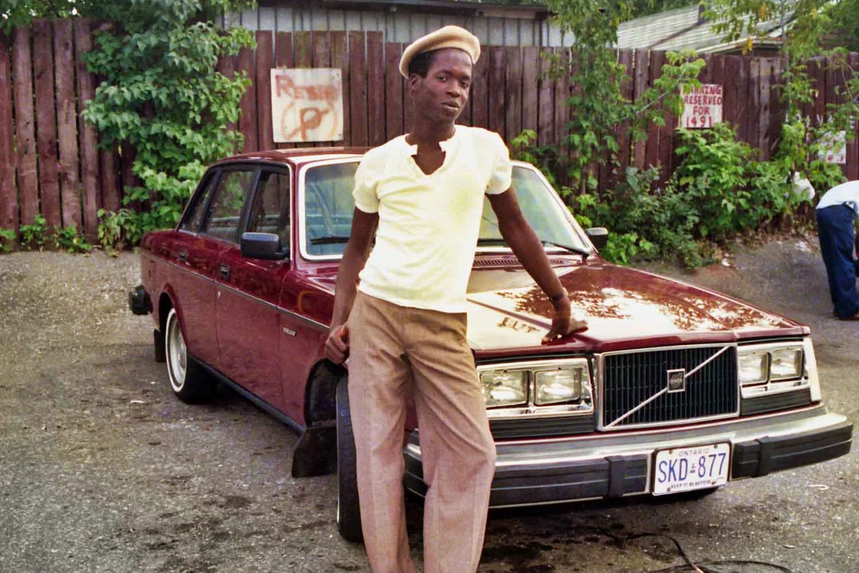
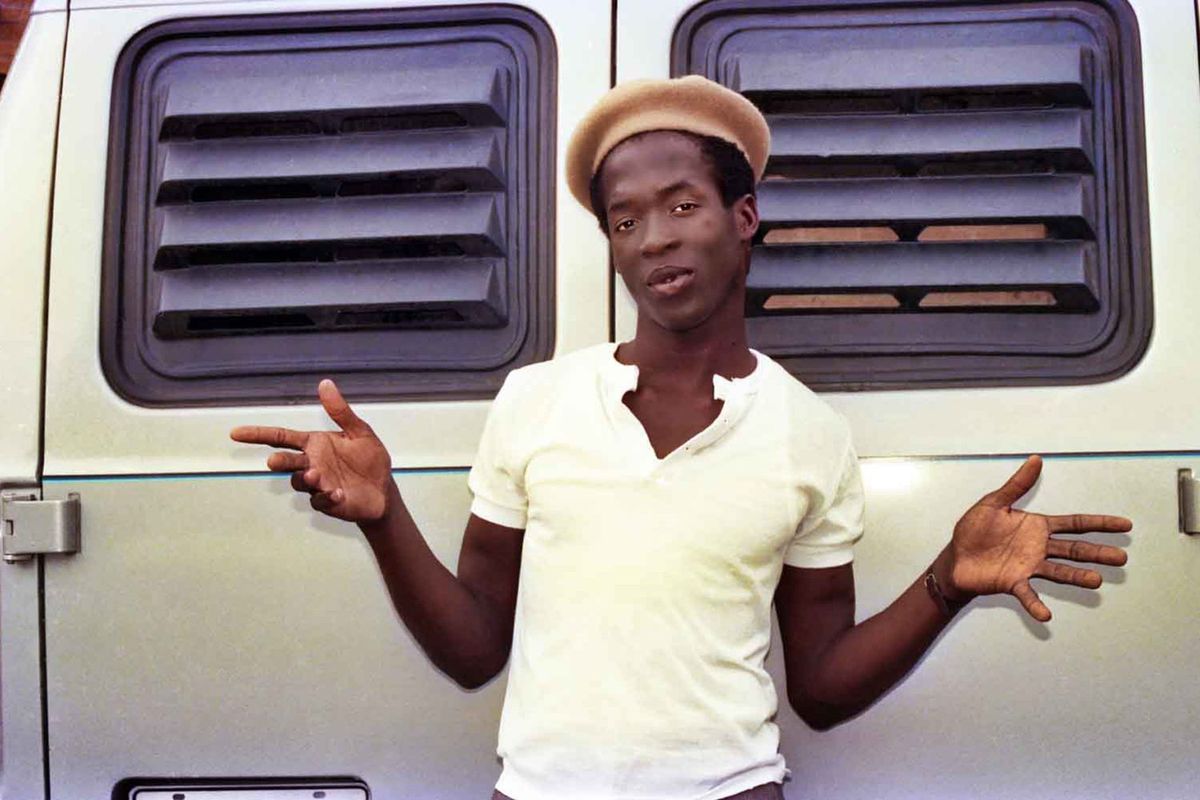
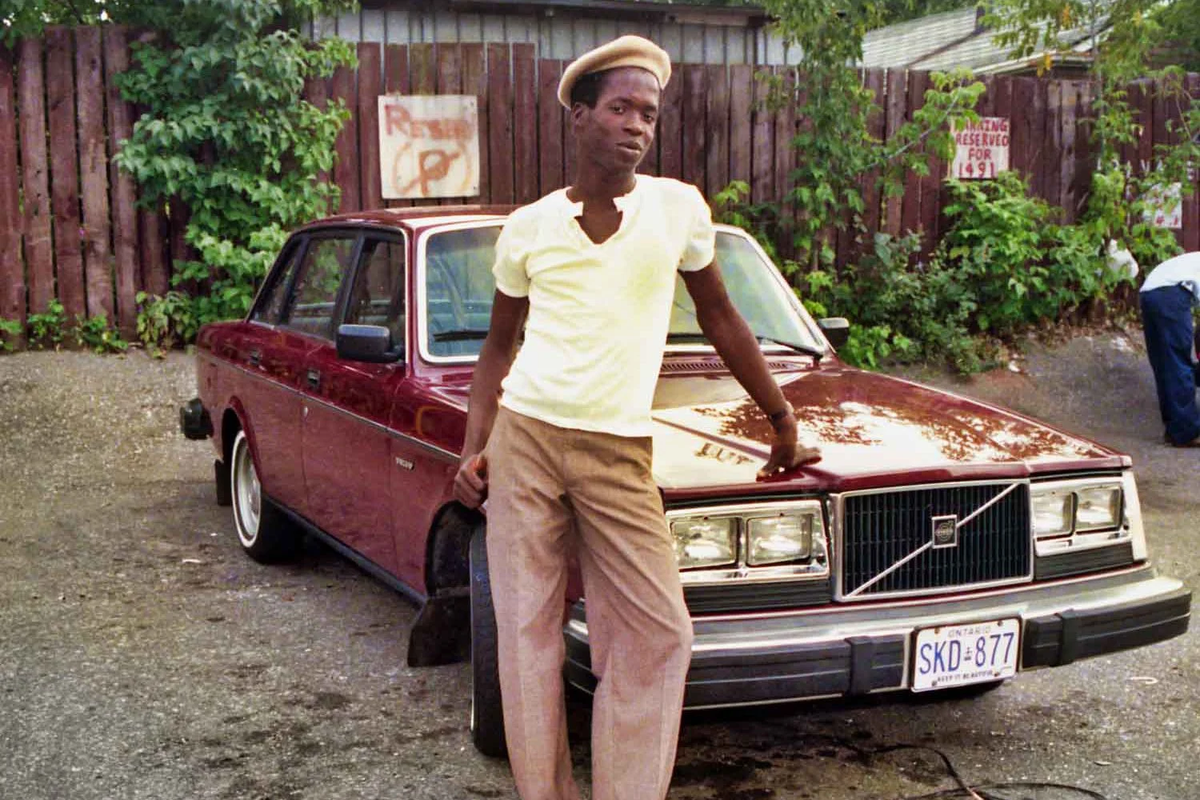
Tenor Saw was the stage name of Clive Bright, a Jamaican singjay. Wikipedia describes him as one of the most influential singers of the early digital reggae era.
He voiced “Ring the Alarm” over the “Stalag” riddim for Winston Riley’s Techniques label, and Discogs lists the 1985 Jamaican 7-inch with Clive Bright as writer and W. Riley as producer.
The riddim was already more than a decade old. It started as “Stalag 17,” named after the 1953 war film, by Ansel Collins and released by Winston Riley’s Techniques record label in 1973.
A 2011 Billboard report says that as digitized dancehall beats supplanted organically crafted reggae rhythms in 1985 Riley revived the bass heavy Stalag 17 for the song. Riley then put it out on a one-rhythm compilation called “Stalag 17, 18 and 19.”
The Story: A Four-Sound Clash
Tenor Saw wrote the song during a live competition. Sources agree that four sound systems took part: Sugar Minott’s Youth Promotion (sometimes written as Youthman Promotion), King Jammy’s (then Prince Jammy’s), Black Scorpio, and Arrows. A 2021 DancehallMag feature places the event at Cinema II in New Kingston.
In a rare radio interview he gave at 19, covered by DancehallMag in 2023, Tenor Saw described how it happened. He said he was singing for his own sound that night: “Youth Promotion was my sound.”
At first the crowd was cheering for the other three systems and not for his. He made up his mind that his side had to win, so he went backstage to work out a quick idea.
According to the same report, after securing the verse in his head, Tenor Saw said he returned to the microphone, delivered the lines and made up the rest on stage. Youth Promotion won the clash.
The Lyrics Explained
The lyrics follow the clash as it happens. The opening lines describe four big sounds sharing one lawn. The singer’s own sound plays while the other three are told to keep calm.
The chorus then rings the alarm and declares that a rival sound is dying. In dancehall slang, a “sound” is a sound system crew, so the “death” here means losing in front of the crowd. Other lines picture the rival soundmen trembling with fear.
Sugar Minott gave some context for this tough talk. A 2014 Legendary Reggae article reports that, according to Minott, Tenor Saw was most interested in singing conscious lyrics and that the “bad bwoy” songs were usually written strictly for the sound clashes. The bragging in “Ring the Alarm” belongs to the clash format. It is not the singer’s whole outlook.
Why It Mattered
DancehallMag argued in 2021 that Tenor Saw officially brought the concept of soundclash to the masses with this song.
The same piece notes that the hit became one of the most popular ‘specials’ (now called a dubplate), customized versions taking jabs at opposing sound systems.
A 2023 Reggae University profile adds that many sound selectors voiced him for specials and musical clashes.
Remakes and Samples
- Buju Banton: “Ring the Alarm Quick,” a combination of Buju and Tenor Saw, was produced by Winston Riley. Sources disagree on the year. Reggae Fever lists 1991, while WhoSampled credits it to Jet Star 1992.
- Big Audio Dynamite: The group sampled “Ring the Alarm” in their song “Rewind” on their 1989 album Megatop Phoenix.
- The Nextmen: The English hip hop duo references Tenor Saw, as well as the song “Ring the Alarm” on their 2000 composition Amongst the Madness.
A Taunt That Became an Epitaph
Tenor Saw died in Houston in 1988. Accounts of his death differ. Wikipedia reports that he was seriously injured in a hit and run accident on July 31, 1988, and succumbed to his injuries two weeks later, on 13 August 1988.
Legendary Reggae notes that on October 26, 1988 the Jamaica Gleaner reported that Tenor Saw had been shot and killed in New York City after a domestic dispute, and that others insist to this day that he was murdered. Some sources give a different age at death, including the Royalty Network, which says 22. Most give 21.
Writer Rick Sawyer, cited in 2014 by Legendary Reggae, observed that the song’s chorus was meant as a taunt but now sounds like Tenor Saw’s own epitaph.