
The man who became the voice of Trinidad and Tobago’s calypso scene wasn’t actually born there. Slinger Francisco, better known as the Mighty Sparrow, came into the world in Grand Roy, Grenada, in July 1935, and was still a toddler when his parents moved the family to Trinidad in 1937.
Francisco died on Sunday in New York at the age of 91. His family said he passed peacefully, surrounded by loved ones, after what they described as a “brief illness,” without sharing any further details.
He was an institution in the entertainment industry, well admired for his skill and finesse as a singer, songwriter and mentor; beloved by many,” the family said in its statement. For a lot of fans, that word “mentor” carries real weight, given how many calypsonians came up in his shadow.
His breakthrough arrived in 1956 with Jean and Dinah, the song that put the Sparrow name on the map. It was a sharp, witty take on life in Trinidad as American servicemen stationed on the island prepared to leave, and it carried him to the Calypso King title that year. That mix of humour and social commentary became his calling card.
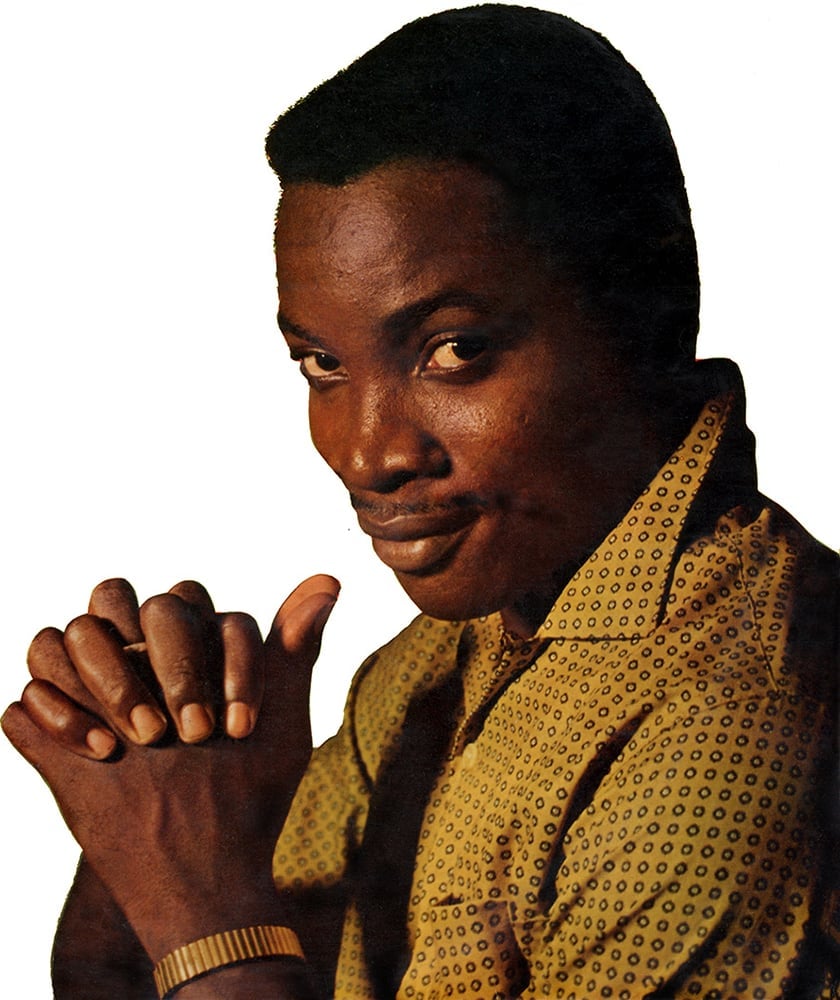
The hits kept coming after that. Both of Them, Congo Man, Mr. Walker and The Lizard all joined a catalogue that eventually ran to hundreds of recordings across a career spanning six decades. Friends and fans often just called him Birdie.
He didn’t keep the music on the island, either. Sparrow played stages across the world, including Madison Square Garden in New York, a city that would later become home and where he spent his final days.
The Trinbago Unified Calypsonians’ Organisation was quick to respond, calling him “a defining voice of our culture, a master storyteller and a towering figure whose music helped carry calypso from Trinidad and Tobago to the world.”
Coming from the body that represents the country’s calypsonians, that’s about as close to an official verdict as the genre gets.
Trinidadian cultural historian and author Dr Rudolph Ottley framed his legacy in broader terms. Speaking to the Associated Press, Ottley said Francisco’s aim throughout his career was to push the art form forward, describing him as “the supreme entertainer, a cultural revolutionary and one of the world’s greatest Calypsonians.”
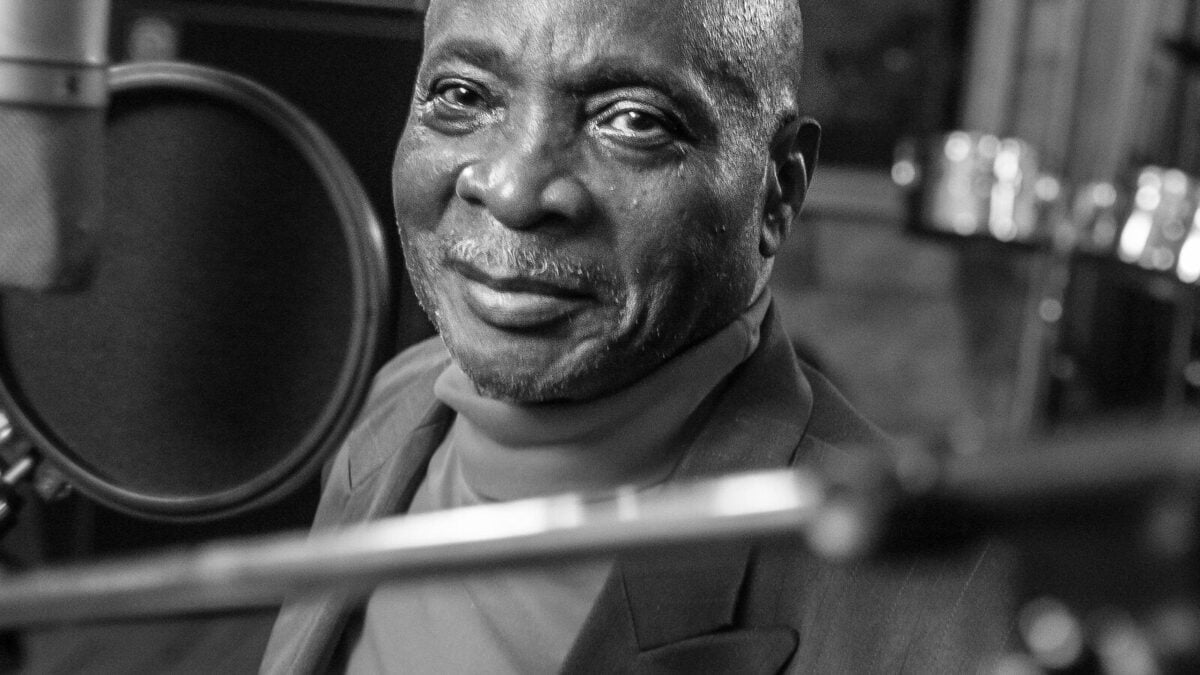
That “revolutionary” label is worth sitting with. Calypso has always been a vehicle for commentary on politics, class and everyday life, and Sparrow built a career on saying things plainly and cleverly in front of big crowds.
Recognition followed at home and in academia. Trinidad and Tobago honoured him with national awards, and in 1987 the University of the West Indies gave him an honorary doctor of letters.
Grenada, the island of his birth, is also likely to claim a share of the mourning in the days ahead. The family hasn’t yet shared plans for a memorial, and tributes from musicians across the Caribbean diaspora are still coming in.