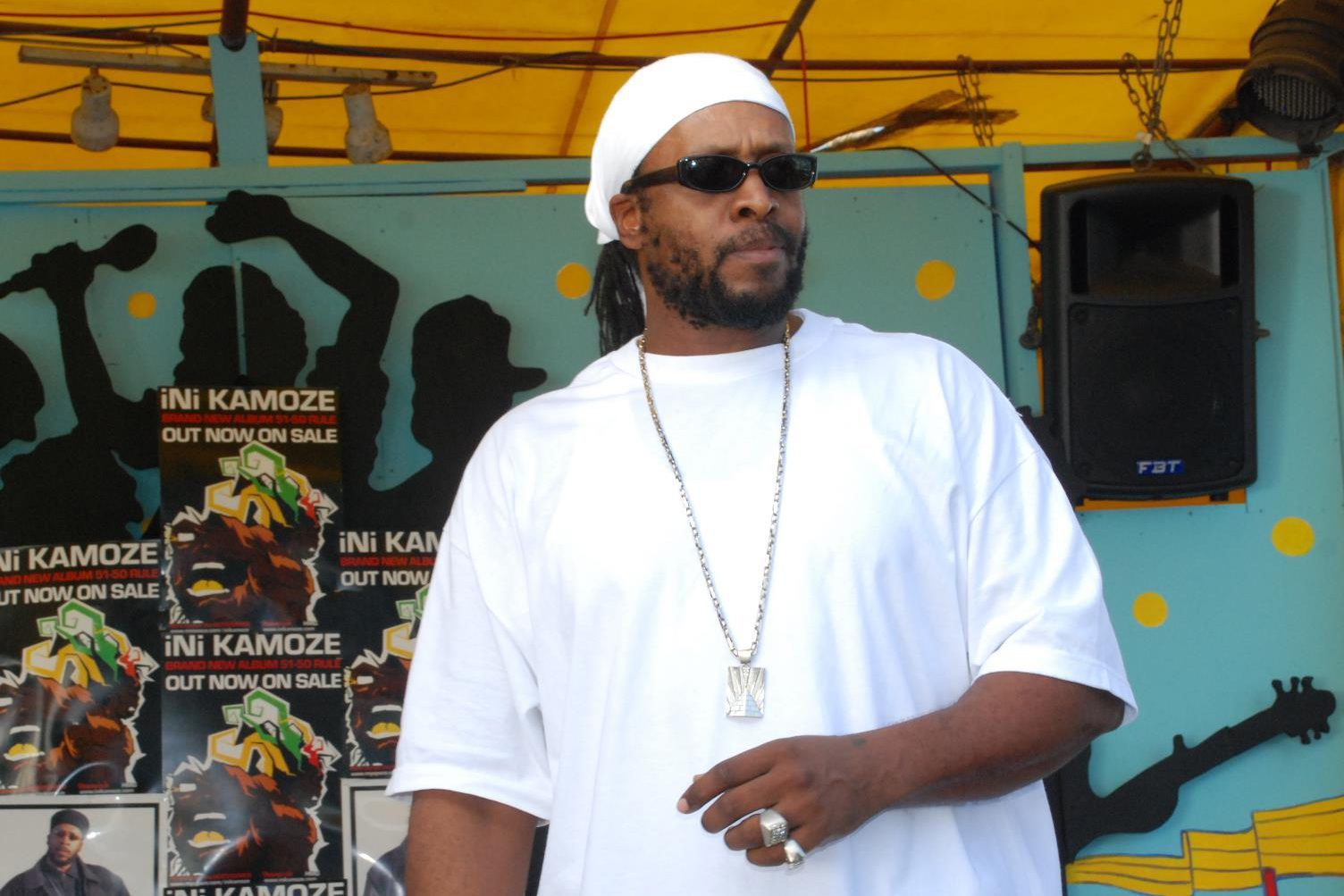


The twist here is not that OutKast filed a lawsuit, it is that there was already a deal in place. According to court documents, Oakland rapper Silas Wilson, who performs as Ovrkast, had agreed to rebrand himself as “OVERKXST” by July 15.
That deadline came and went without the switch, and now High Schoolers LLC, the trademark company controlled by André 3000 and Big Boi, is taking the matter to federal court in Georgia.
The suit is asking a judge to block Wilson from using the Ovrkast name across recorded music, merchandise, websites, social media and any other commercial activity.
High Schoolers LLC is also going after profits tied to the disputed name, financial damages, and additional legal relief.
Wilson, 28, has spent years building a real reputation in underground hip-hop as both a rapper and producer. His credits include collaborative work with Earl Sweatshirt and Drake, which puts him squarely inside the same industry space as the Atlanta duo.
He told Rolling Stone that listeners regularly confuse his name with OutKast, though he has maintained that Ovrkast was simply inspired by the word “overcast.
That admission is not a small detail. Trademark disputes often hinge on whether consumers are likely to believe two artists or brands are connected, and Wilson essentially confirmed that confusion already exists.
Streaming searches, social media handles, and promotional graphics make similar-sounding names harder to separate the bigger both acts get.
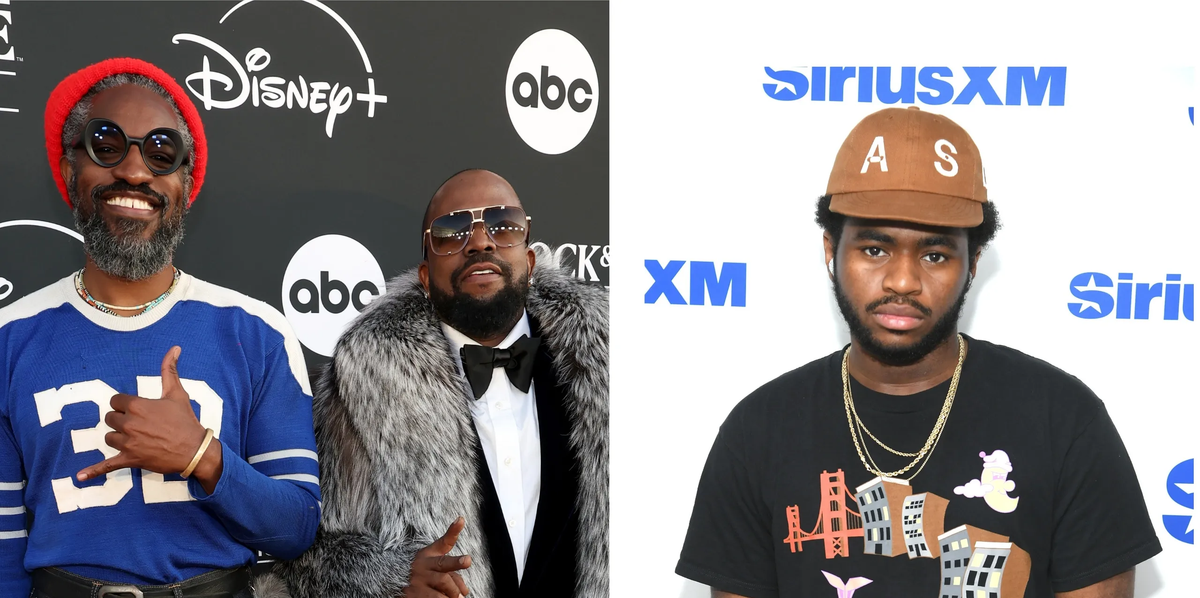
OutKast is no stranger to this kind of legal territory. High Schoolers LLC previously sued an electronic act called ATLiens for using the name OutKast gave its 1996 album and song, and that case ended in a settlement.
The duo has been in a long recording hiatus, but the lawsuit makes clear that the brand is still being actively maintained and defended.
Online reaction has been mixed, with a portion of hip-hop fans accusing OutKast of overreach. Critics point out that rap has always thrived on altered spellings and phonetic wordplay, and that OVRKAST and OUTKAST are visually and sonically distinct enough to coexist.
Others have countered that the existence of an alleged prior agreement changes the conversation entirely, because this is no longer just a dispute about similarity.
The case now carries two separate threads. One is whether the names are close enough to cause genuine consumer confusion, and the other is whether Wilson broke a deal he had already made.
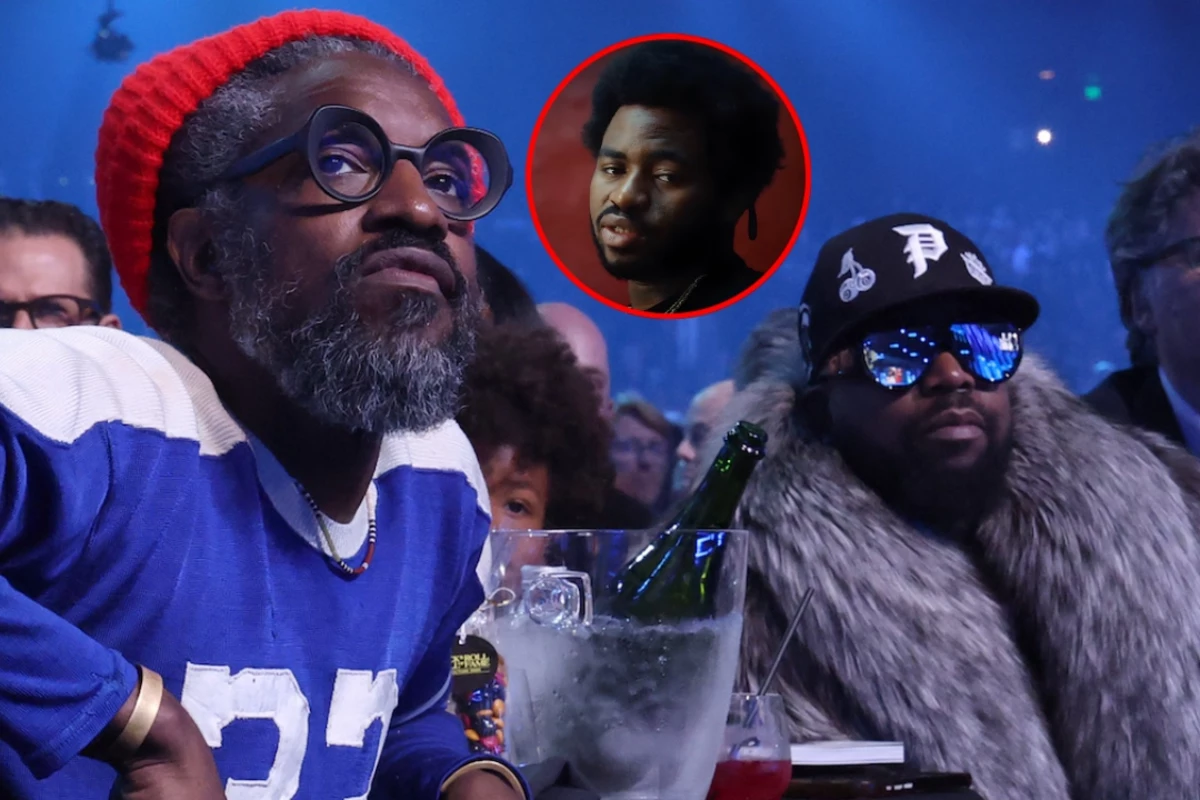
Both questions will land in front of a federal judge, and the outcome could shape how courts treat phonetic branding in hip-hop more broadly.
Wilson’s team has not made any public statement since the filing. The deadline he allegedly missed was in mid-July, meaning OutKast’s company waited over two months before going to court, which suggests there may have been additional back-and-forth happening behind the scenes.
For now, Ovrkast’s name is still active across his platforms and profiles.