

The most striking part of Colin Kaepernick’s latest interview is not the accusation itself, but the timing behind it.
He says Jay-Z called him the day before Roc Nation’s NFL partnership was announced in 2019, and that the call felt less like a real conversation and more like a box being checked.
“This was not the first time this has happened of, ‘Hey, let me call Colin so when I go into this thing, I can say I talked to him,'” Kaepernick said on the All The Smoke podcast. He knew the move, had seen versions of it before, and went into the call with his eyes open.
When Jay-Z told him the deal was done, Kaepernick did not hold back. “I was like, ‘I disagree with what you’re doing. You’re selling the culture out to a bunch of racists.'”
That was the first time the two men had ever spoken directly, despite years of public debate swirling around Kaepernick’s protest and his removal from the league.
Kaepernick says his issue was not that Jay-Z chose to work with the NFL. His issue was how the deal used his story as a backdrop. He asked Roc Nation to keep his name out of the rollout, and he claims the company responded by planting false stories about him in the press.
He did not name specific reporters or articles, and Roc Nation has not publicly responded to the accusation. That silence leaves the claim hanging in the air without any counter-narrative to weigh it against.
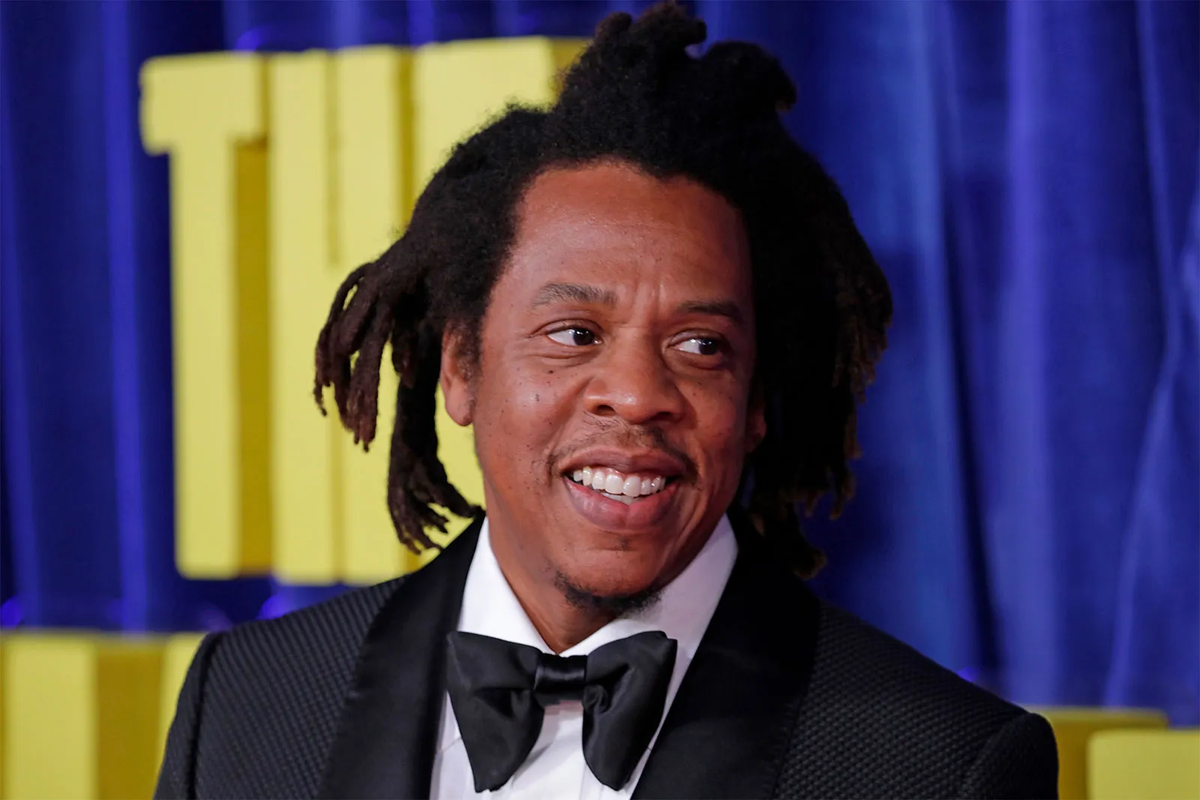
The Roc Nation deal made Jay-Z’s company the NFL’s live-music entertainment strategist and tied it to the league’s Inspire Change initiative.
At the announcement, Jay-Z said America had moved past kneeling and needed to focus on action, which drew sharp criticism from people who felt that framing dismissed Kaepernick’s protest entirely.
Supporters of Jay-Z’s approach argued at the time that working inside the system could produce real policy outcomes.
Critics, including many of Kaepernick’s allies, saw it as the league buying credibility while the man who started the conversation remained unemployed.
That unemployment has now stretched more than eight years. Kaepernick became a free agent in March 2017 after opting out of his 49ers contract, filed a collusion grievance that October, and reached a confidential settlement with the league alongside former teammate Eric Reid in February 2019.
Contemporaneous reporting placed the combined payout below $10 million, though confidentiality makes exact figures impossible to confirm.
The NFL also arranged a workout for him in Atlanta in November 2019, but Kaepernick’s team objected to the liability waiver, restricted media access, and the absence of a standard employment agreement.
They moved the session to Charles R. Drew High School so cameras could get inside. No team signed him afterward.
“I’ve been ready for three years,” he told reporters that day. “I’ve been denied for three years. We all know why I came out here.”
He is now 38, still training daily, and says coaches and general managers have expressed private interest that owners have repeatedly shut down before it became a contract.
He is also promoting his memoir, The Perilous Fight, which covers football, protest, identity, and what it cost him personally to stay in the fight.
The book gives him a platform to tell the story in his own words, including the parts about Jay-Z, the fake workout, and the years of silence from a league that has never officially explained why he never played again.