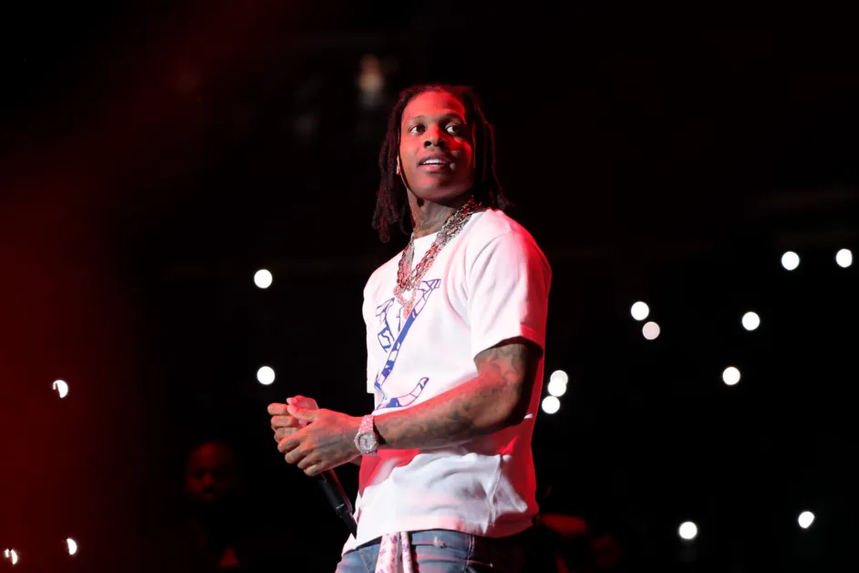

Lil Durk’s former attorney Bradford Cohen has revealed he spoke with the rapper just one day before his arrest, and says the government’s argument that Durk was fleeing to avoid capture never held up legally.
Cohen, who had a brief early involvement in the case, said he and Durk were not discussing the specific charges that led to the arrest, but the timing was striking. The conversation happened, and then the arrest followed the very next day.
What struck Cohen most was not the arrest itself but how it unfolded. He explained that law enforcement typically moves on all targets simultaneously, usually in the early morning hours, to prevent anyone from tipping others off.
In Durk’s case, that did not happen. It was 12 hours later that they actually arrested him,” Cohen said, and he believes that gap is what shaped Durk’s behavior in the hours between.
Cohen argued that Durk had no way of knowing a warrant existed specifically for him. He may have been aware that associates were being picked up, but that is a different thing entirely.
“If you’re in this lifestyle, and you know, Bob Smith gets arrested, some people just want to get out of the way,” Cohen said, “even if they’re not associated with it, or they are associated with it.”
In his view, Durk was not making a run for it. He was simply trying to remove himself from a situation that felt dangerous, which is a common response in that environment.
That distinction matters legally. The prosecution framed Durk’s movement as consciousness of guilt, suggesting he was trying to flee because he knew what was coming.
Cohen found that argument difficult to sustain given the timeline. He would have had no knowledge that there was an actual warrant out for his arrest, Cohen noted, only that arrests were happening around him.
With closing arguments approaching at the time of the conversation, Cohen said the case ultimately came down to one central question: whether the jury would believe the key cooperating witness, identified as Vinnie.
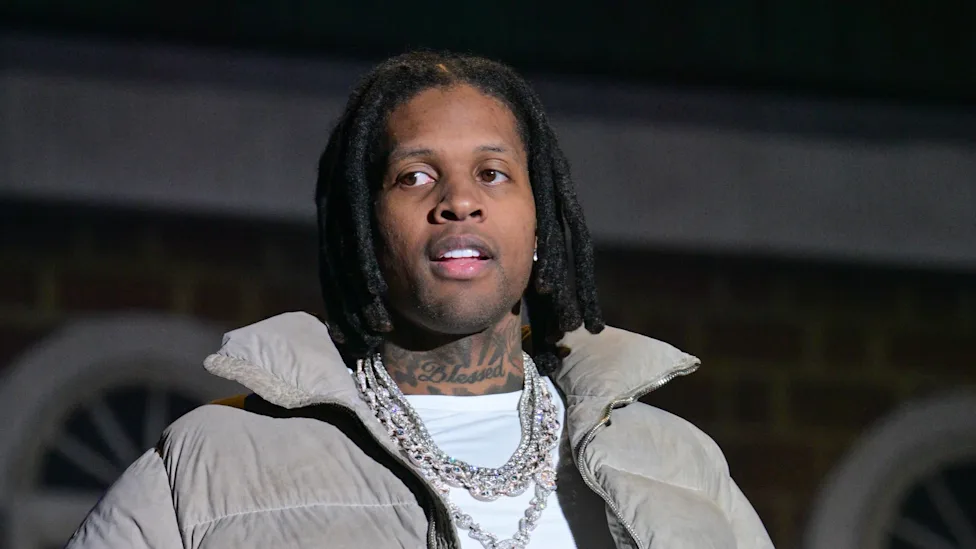
Cohen described the other two witnesses as less credible, comparing them to foot soldiers in a larger operation. Vinnie, he said, was different. “Vinnie was kind of a different animal when he took the stand because he was more of a leader in terms of the way he thought than the other two.” Cohen compared Vinnie to a captain, while the others functioned at a lower level.
Cohen acknowledged the difficulty of predicting an outcome. “There was no smoke with this case,” he said, meaning the evidence, in his reading, was not overwhelming on its face. The jury’s assessment of Vinnie’s credibility would be the deciding factor.
The attorney’s account adds important context to a case that has drawn significant attention across the music industry.
His reading of the arrest timeline, and the legal weakness he saw in the flight argument, offers a perspective grounded in criminal defense experience rather than speculation.