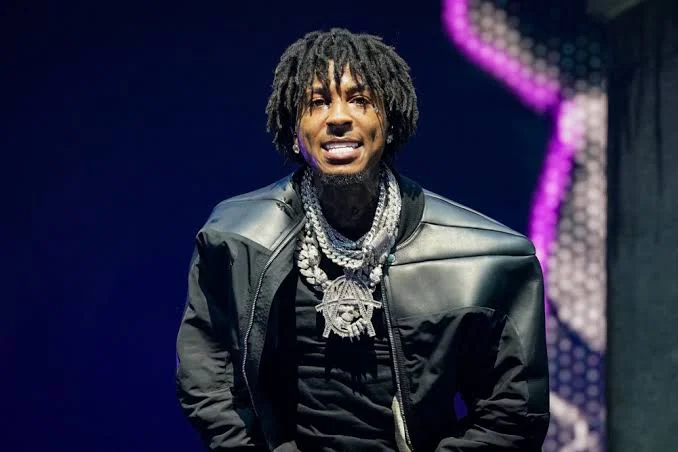
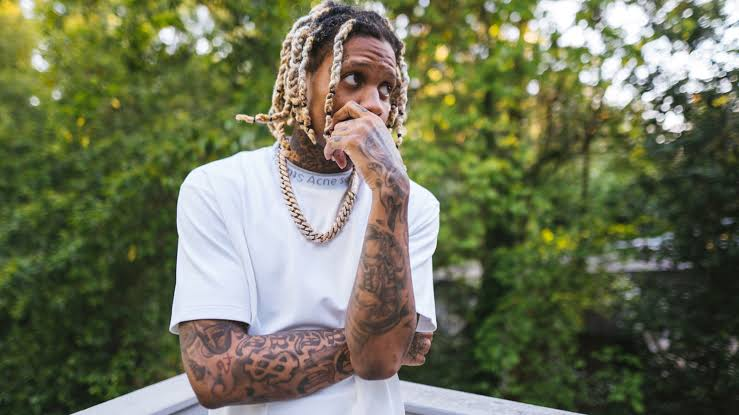

Chicago rapper 600 Breezy has weighed in on the tension between Lil Durk’s OTF camp and O’Block, saying the animosity revealed in court transcripts makes complete sense to him given what was at stake after the death of King Von.
Breezy was direct when asked whether he was surprised by text messages cited in case transcripts showing Durk was frustrated that O’Block members were not retaliating for Von and were leaving it to OTF. “No, because this Von we talking about,” he said. “If Smurk did feel that way, those feelings are valid. Because that’s equivalent to Chief Keef getting killed at the peak of his career.
He was careful to frame the situation with nuance, noting that not everyone in a circle carries the same obligations. “Everybody not killers. Everybody not drug dealers. Everybody not gangsters. Some is just around,” he said.
“You can’t force no one to go and go do nothing. If they’re going to go do it and got it on their mind and got it in their heart, they’re going to already get up and go do it.”
Breezy described the broader dynamic between OTF, O’Block, and his own 600 Block as one of quiet friction rather than open conflict. “I wouldn’t say like it’s like beef with killing each other and nothing like that. It’s just disagreements,” he said.
He added that he personally stays at a distance from certain situations because they do not directly involve him or his block.
The conversation also turned to Durk’s broader strategy of building alliances across multiple Chicago neighborhoods. Breezy acknowledged the logic behind it but said the execution created problems. “He grabbed faces and names from certain blocks, and a lot of these don’t know each other.
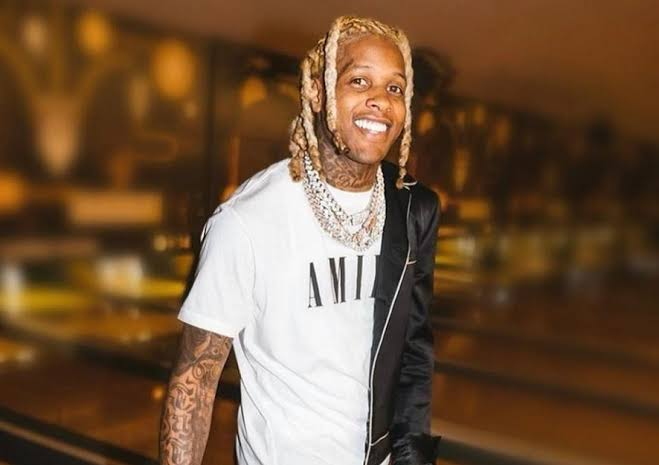
So that’s where this comes from,” he said. He pointed to OTF Jam specifically, noting that Jam had spent most of his life incarcerated and had no deep-rooted ties to the core group. “He been in jail his whole life. He only been out for a little while. He got out, seen the life they was living,” Breezy said. “Them not his homies. There’s no love for them.”
Breezy contrasted that with the organic chemistry of the early Chicago drill era, when crews were built on genuine neighborhood bonds. It was organic in the beginning,” he said, pointing to how those original connections formed naturally through shared blocks and shared history.
Bringing in figures from across the city, he argued, made things too complicated. “It’s too mixy,” he repeated. “It’s too mixy.”
Despite his criticisms of the approach, Breezy stopped short of calling it a failure, particularly given that Durk is still fighting his case. “Durk he had the right mindset, bro,” he said. “It was the right mindset. I’mma with all the blocks. I’mma put pieces together from Chicago.”
The problem, in his view, was that ambition and street politics eventually collided, and loyalties that seemed solid at the start began to fracture under pressure.
On the allegation that Durk promised large sums of money for the hit on his opps, Breezy was openly skeptical.
You think a going to tell them ‘I got a million dollars a piece for y’all? A million dollars,” he said, dismissing the figure as unrealistic given the context and the number of people allegedly involved.