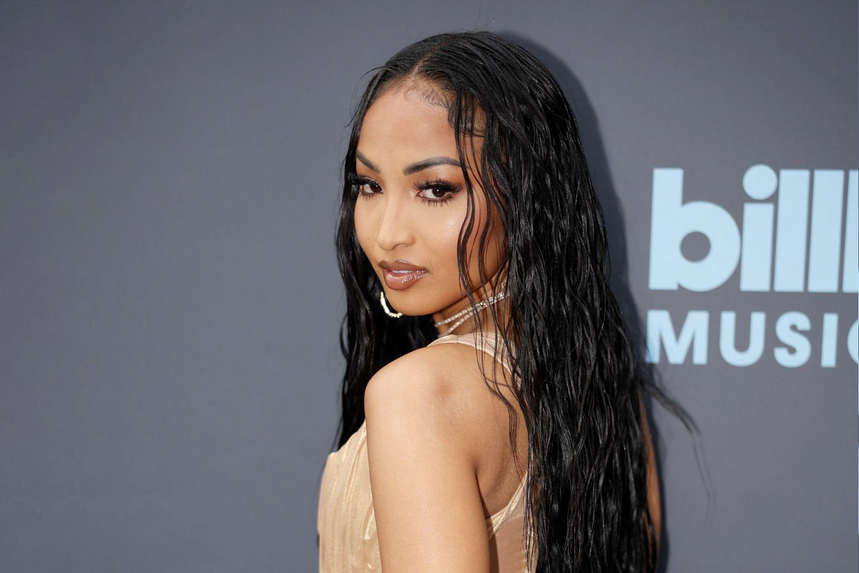

The history of women in dancehall is a story of persistence against structural resistance, of voices that carved space where none was offered, and of a lineage that stretches from Kingston’s sound-system yards in the late 1970s to the global streaming charts of 2026.
From the moment Sister Nancy became known to the world as the first female dancehall DJ through the era when Shenseea signed to Interscope and broke into the Billboard Hot 100, women have shaped the genre at every turn, even when the genre’s gatekeepers made that shaping as difficult as possible.
This reference guide traces that history chronologically, artist by artist, era by era.
The Foundation Era: Sister Nancy and the Sound-System Pioneers (Late 1970s to Mid-1980s)
Born Ophlin Russell on 2 January 1962 in Kingston, Jamaica, the woman the world would come to know as Sister Nancy did not set out to make history.
She began her time as a dancehall DJ and singer in the late 1970s and early 1980s, alongside her brother Brigadier Jerry and the Chalice, Blackstar, Stereophonic, and Jahlovemuzik sound systems.
The path to the mic was personal, not political. It was her brother Brigadier Jerry who motivated her. She went to see him DJ and thought that if he could do it, she could do it as well.
The industry responded. Winston Riley was the first to take her into the studio, resulting in her first single, “Papa Dean,” for his Techniques label.
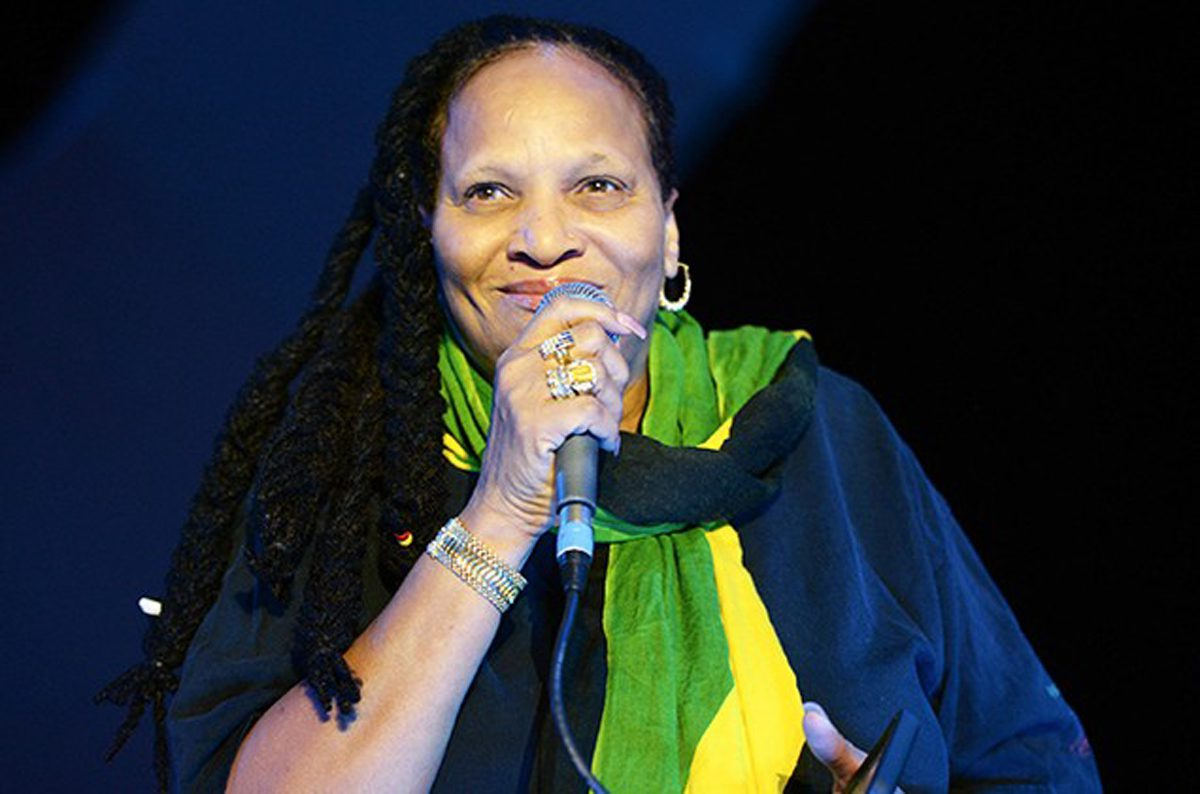
From there, her ascent was rapid. She performed at Reggae Sunsplash, making her the first female deejay ever to perform there, and she is also the first female Jamaican deejay to tour internationally.
Her defining artistic moment arrived in 1982. Recording at Channel One Studios with a band that included the legendary Sly and Robbie rhythm section, she went to the mic and freestyled “Bam Bam” over Ansell Collins’ “Stalag 17.”
“Bam Bam” went on to become one of the most influential reggae songs of all time, sampled at least 80 times on tracks including Kanye West’s “Famous” and Jay-Z’s “Bam.”
Despite that cultural footprint, the business did not reward her fairly. Sister Nancy saw little reward from the song’s success.
Contractually cut out from receiving any royalties, she left music behind and moved to New Jersey where she took a job in a bank.
It was not until later that partial redress arrived: in 2014, Reebok used the song in a commercial and had to settle a lawsuit on royalties for the singer.
Her legacy is generational in the most literal sense. The Observer cited Russell-Myers as a role model for a successive generation of female acts, including Lady Saw, Sister Carol, Macka Diamond, Lady G, Shelly Thunder, Carla Marshall, Lorna G, Lady English, and Lady P.
The Crossover Decade: Patra and the 1990s Boom
If Sister Nancy opened the door, Dorothy “Patra” Smith kicked it wider in the 1990s. Born Dorothy Smith in Kingston, Jamaica, Patra came of age during the dynamic 1980s and early 1990s, a time when dancehall was becoming Jamaica’s dominant musical force.
Following her first independent release, Hardcore, in 1993, Patra caught the ears of executives at Epic Records who picked up the single and signed her to the label.
The commercial results were unprecedented for a woman in the genre. Queen of the Pack was released on August 4, 1993 by Sony Music and debuted at No. 1 on the Billboard Reggae Albums chart.
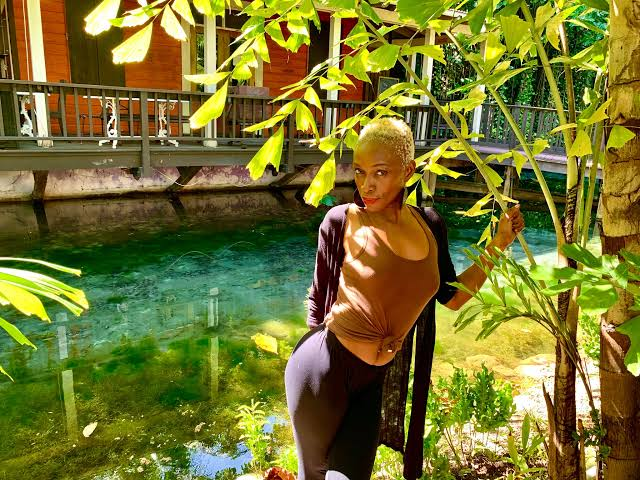
It is the only album by a female dancehall artist to be certified Gold by the Recording Industry Association of America for selling more than 500,000 units.
The album peaked at No. 1 on Billboard’s Reggae Albums chart for thirteen consecutive weeks, the longest reggae release to remain at the top in the history of the chart.
According to data from Billboard sales tracker Luminate, the album has sold 626,000 units over its lifetime in the US.
She went on to record “Worker Man,” which showed off her vocal talents, and a third hit single from her debut album, “Romantic Call,” featuring Yo-Yo and a video of both women with Tupac Shakur. No woman in dancehall had more Hot 100 entries.
Patra continued to enjoy success with her sophomore album on Epic, The Scent of Attraction, with singles including the title track, a duet with Aaron Hall of Guy, and a remake of Grace Jones’ dance classic “Pull Up to the Bumper.”
Patra’s work mattered not only because it crossed over, but because it opened space for women in a male-dominated scene.
She projected strength, sensuality, and control on her own terms, and that combination helped shape how later generations understood female dancehall performance.
The Lady Saw Reign: Establishing the Queen of Dancehall (1990s to 2000s)
No figure in women in dancehall history accumulated more firsts than Lady Saw. Born Marion Marie Hall on 12 July 1969 in Galina, Saint Mary Parish, Jamaica, she became the dominant female voice in the genre across two decades.
At 15, she began performing with local sound systems, notably the Stereo One system in Kingston, where she honed her deejaying skills.
Lady Saw’s emergence in the 1990s was nothing short of revolutionary. At a time when dancehall was predominantly male-driven, she broke through, establishing herself as a formidable force.
Her studio album catalog includes Lover Girl (1994), Give Me The Reason (1996), Passion (1997), 99 Ways (1998), Strip Tease (2004), Walk Out (2007), My Way (2010), and Alter Ego (2012).
Albums including Give Me the Reason (1996) and Passion (1997) further solidified her reputation, with Passion reaching number 8 on Billboard’s Top Reggae Albums chart.
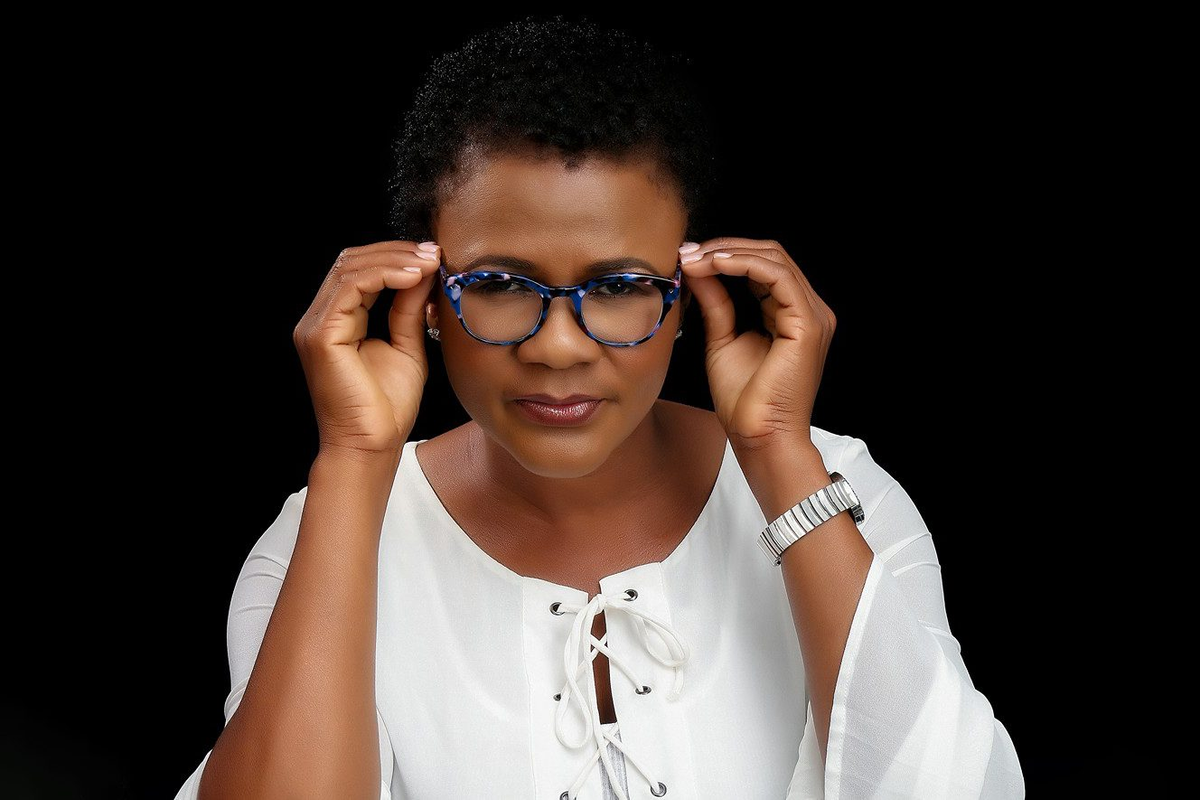
Her crossover breakthrough arrived through a partnership with Gwen Stefani’s band. The single most commercially significant moment in Lady Saw’s career came through a high-profile collaboration.
She teamed up with No Doubt for the Grammy-winning, triple-platinum single “Underneath It All,” which appeared on No Doubt’s 2001 record, Rock Steady, and climbed to number 3 on the Billboard Hot 100.
It won a Grammy Award for Best Pop Performance by a Duo or Group with Vocal at the 46th Grammy Awards. Lady Saw’s guest verse on “Underneath It All” marked her as the first female dancehall artist to claim the honor.
In 2015, she made a different kind of history. At what many considered the height of her career, Lady Saw shocked the world by leaving dancehall behind and devoting her life to Christianity.
She was baptized and now performs gospel music under her birth name, Minister Marion Hall. After her baptism in 2015, Marion Hall released albums like When God Speaks (2016) and His Grace (2018).
In June 2024, she announced a return to dancehall with a new song, indicating a blend of her musical past and spiritual journey.
The Lyrical Rebels: Tanya Stephens and the Art of Resistance
While Patra and Lady Saw dominated commercial territory, Tanya Stephens staked out the genre’s intellectual and political flanks.
Born Vivienne Tanya Stephenson on July 2, 1973, in St. Mary, Jamaica, she rose to prominence in the late 1990s and early 2000s with her thought-provoking lyrics, soulful vocals, and fearless attitude.
She made a name for herself with the single “Yuh Nuh Ready Fi Dis Yet,” which was later featured on the Reggae Gold 1997 compilation album.
Stephens teamed with Warner Music Sweden in 2004 and eventually gained international recognition for her Gangsta Blues album.
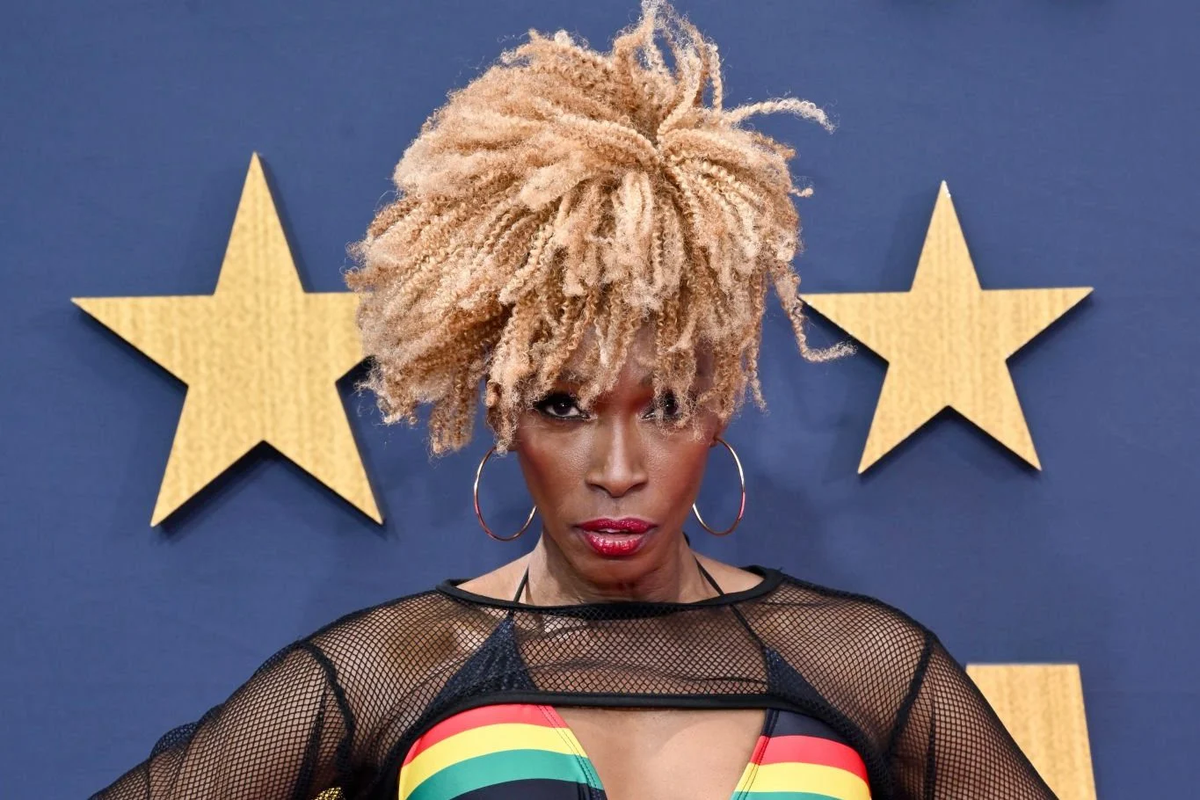
She continued churning out hits, releasing the album Rebelution in August 2006, where one of the featured singles, “These Streets,” went on to rank No. 1 in the Caribbean.
In addition to her musical accomplishments, Tanya Stephens is also known for her activism and advocacy work. She has been outspoken on issues such as gender equality, LGBTQ rights, and social justice, using her platform to raise awareness and inspire change.
In a genre where women who stepped outside narrow lyrical lanes were often penalized by selectors and promoters, Stephens’ sustained career was in itself an act of defiance.
Spice: The Reigning Queen (2000s to Present)
Born on August 6, 1982, Grace Latoya Hamilton, known to the world as Spice, is a dynamic force in the dancehall and reggae music scenes.
Spice’s journey into the music industry officially began when she performed at Sting, Jamaica’s largest stage show, in 2000.
Spice first gained international attention with “Romping Shop” (2009), her hit collaboration with Vybz Kartel, which became a dancehall anthem.
From that platform, her reach expanded steadily. She took dancehall to global audiences with hits like “So Mi Like It” and “Go Down Deh” featuring Shaggy and Sean Paul.
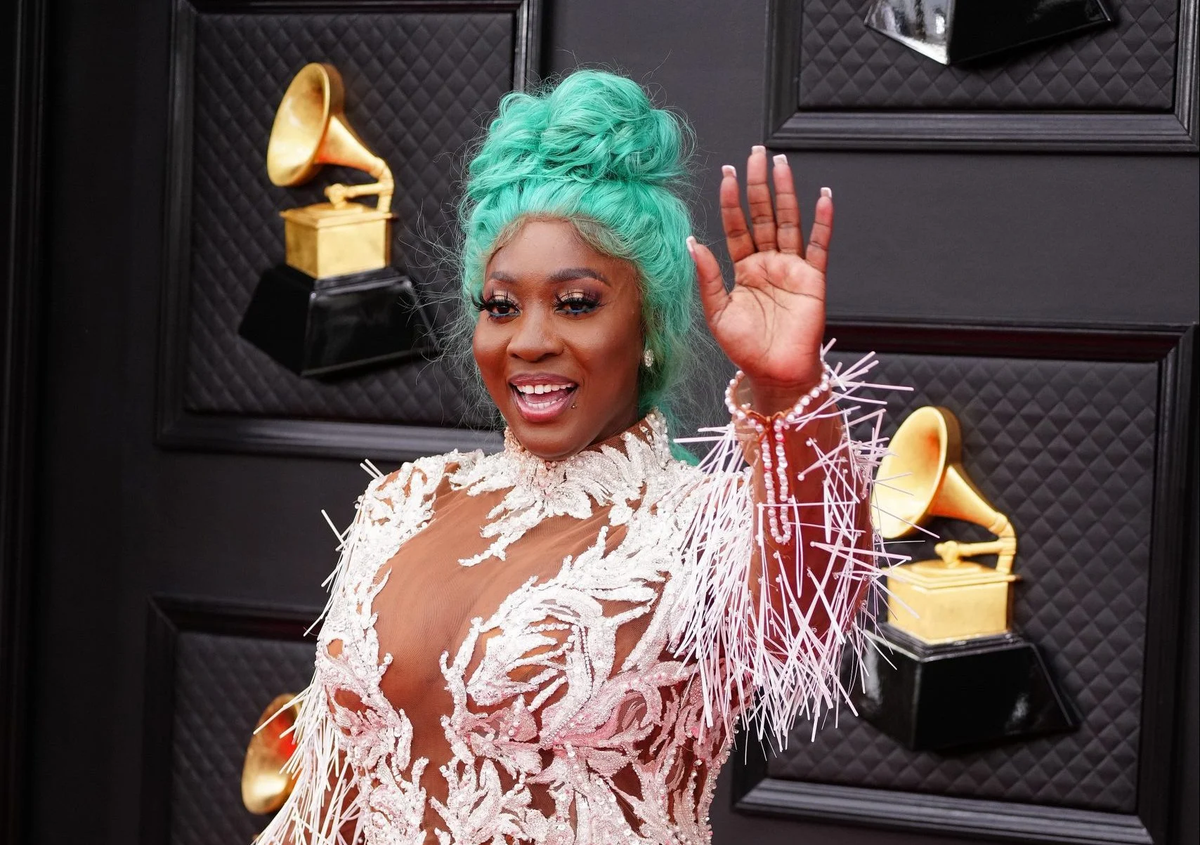
She released her debut album, 10 (2021), which earned a Grammy nomination for Best Reggae Album, followed by her second album, Emancipated (2022).
Spice also expanded her platform off stage. Recognized as a stalwart in the industry and one of the few to have taken the Jamaican brand of music globally, she has used her profile to speak publicly on colorism within the Jamaican entertainment industry, most visibly through her 2018 “Black Hypocrisy” campaign, in which she appeared to lighten her skin to call attention to anti-Black bias within the culture.
The conversation her intervention sparked was the most substantial public reckoning on the subject the dancehall world had seen in years.
Today, Spice carries the title “Queen of Dancehall” with both institutional weight and lived currency. She is, by most measures, the most commercially consistent female dancehall artist currently active.
Shenseea: The Global Standard-Bearer
Of all the women in dancehall history to emerge in the streaming era, none has moved faster or further than Shenseea.
Chinsea Linda Lee, known professionally as Shenseea, has rapidly emerged as one of dancehall’s most influential voices on the international stage.
Born on October 1, 1996, to a Jamaican mother and a Korean-born father, Shenseea’s journey from a local dreamer to a global music powerhouse is marked by resilience, innovation, and an unyielding passion for her craft.
Her origins were not glamorous. After graduating from Mona High School, she enrolled at Excelsior Community College in Kingston to study Entertainment Management.
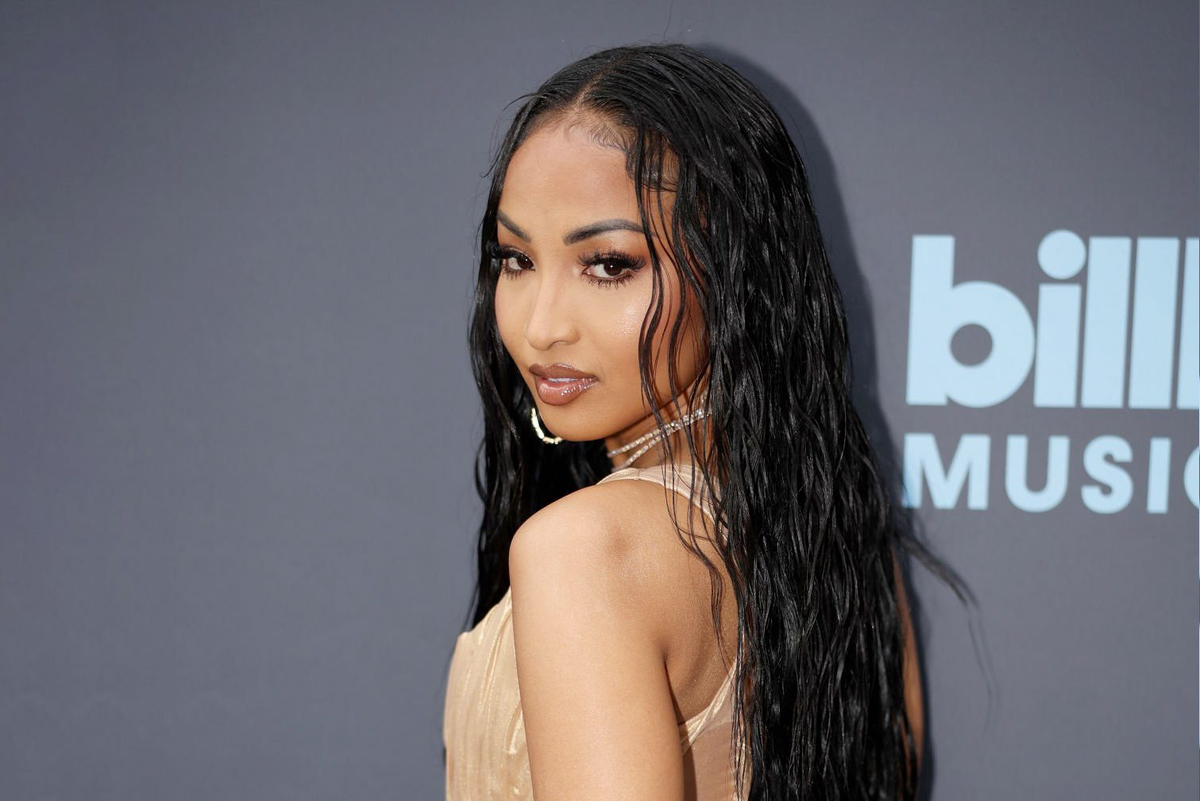
However, financial challenges forced her to leave college and focus entirely on her music career. Her breakthrough hit, “Loodi,” featuring Vybz Kartel, arrived in 2016.
The move paid off quickly: in 2016, she secured three wins at the Youth View Awards, including Young Hot and Hype Artist, Break Out Celebrity of the Year, and Collaboration of the Year for “Loodi” with Vybz Kartel.
Crossover ambitions followed rapidly. In 2018, she was featured on Christina Aguilera’s album Liberation on the song “Right Moves,” an early signal that her crossover appeal was real.
When she signed with Interscope Records in 2019, she matched up with stateside hip-hop artists like Tyga and Young Thug and electronic trio Major Lazer, pushing her talent beyond genre.
The international breakthrough that redefined her career came in 2021. Shenseea had her breakthrough when she appeared alongside American rapper Roddy Ricch on Kanye West’s song “Pure Souls,” from West’s album “Donda.”
The song peaked at number 52 on the Billboard Hot 100 and was certified gold by the RIAA.
For her contributions to the album, she shared a Grammy Award nomination for Album of the Year. Shenseea was the first female Jamaican dancehall artist to hit the Hot 100 in 17 years.
In 2021, Shenseea achieved a historic milestone by becoming the first woman to win the MOBO Award for Best Reggae Act, recognizing her contributions to the genre amid growing global interest in dancehall.
She went on to release her debut studio album, Alpha, in 2022. Coming off the May 2024 release of her sophomore album, Never Gets Late Here, the singer played festival stages and launched directly into her first headlining tour.
As the Afrobeats movement dominates and K-Pop idols rewire standards of global stardom, Shenseea has positioned herself as a leading voice in dancehall’s pop future.
Why the Barriers Persisted: The Structural Challenges Women Faced
Understanding women in dancehall history requires understanding what worked against them.
The genre’s sound-system culture, which served as both incubator and gatekeeper, was organized primarily around male selectors and male deejays.
Female voices, when they appeared, were often expected to fit narrow archetypes: the sexually assertive “slackness” performer or the lover’s rock crooner.
Artists who stepped outside those lanes frequently found themselves passed over for riddim placements, stage-show slots, and radio airplay.
The royalty question was also serious. Sister Nancy’s experience of being “contractually cut out” of “Bam Bam” royalties was not anomalous; it reflected a broader pattern in which female artists, often entering the industry without legal representation, signed contracts that disadvantaged them structurally.
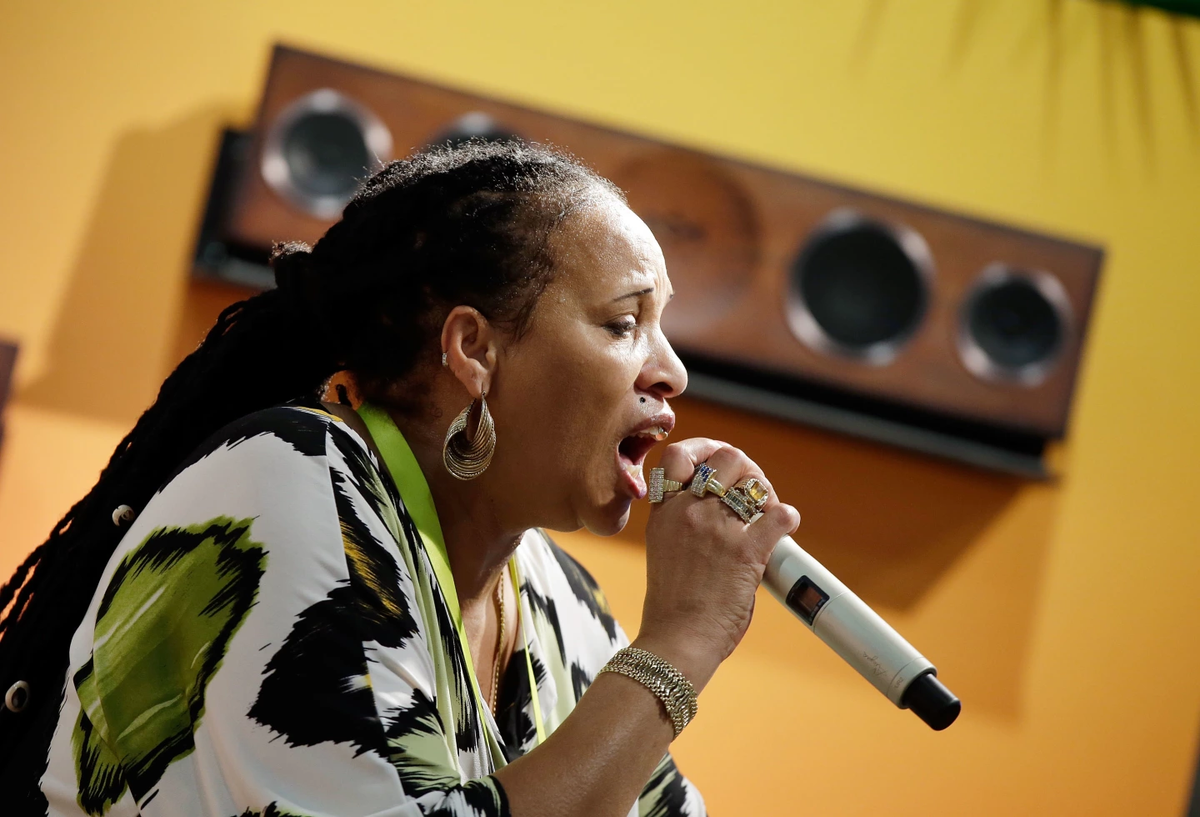
The fact that it took a 2014 commercial dispute before she saw meaningful income from one of the most-sampled songs in reggae history is a window into those systemic conditions.
What is equally clear from the record is that the women who sustained careers did so through a combination of vocal distinctiveness, lyrical range, and an understanding that longevity required more than a hit riddim. Patra was a visual package as much as a musical one.
Lady Saw built an identity around frank sexuality and social commentary simultaneously. Tanya Stephens made intellectual engagement a brand differentiator.
Spice turned controversy into cultural conversation. Shenseea turned social media fluency and a global-facing sound into a major-label contract. Each generation developed a new toolkit for an old problem.
The Broader Constellation: Artists Who Kept the Genre Alive
The headliners do not tell the whole story. Marcia Griffiths, one of the original I-Three backing vocalists for Bob Marley, holds two albums on the Billboard Reggae Albums Chart, and her enduring classic “Electric Boogie” has found new global audiences across generations.
Nadine Sutherland, born 15 March 1968 in Kingston, Jamaica, is a Jamaican reggae singer whose early career was nurtured by Bob Marley, and she went on to become a successful dancehall artist in the 1990s.
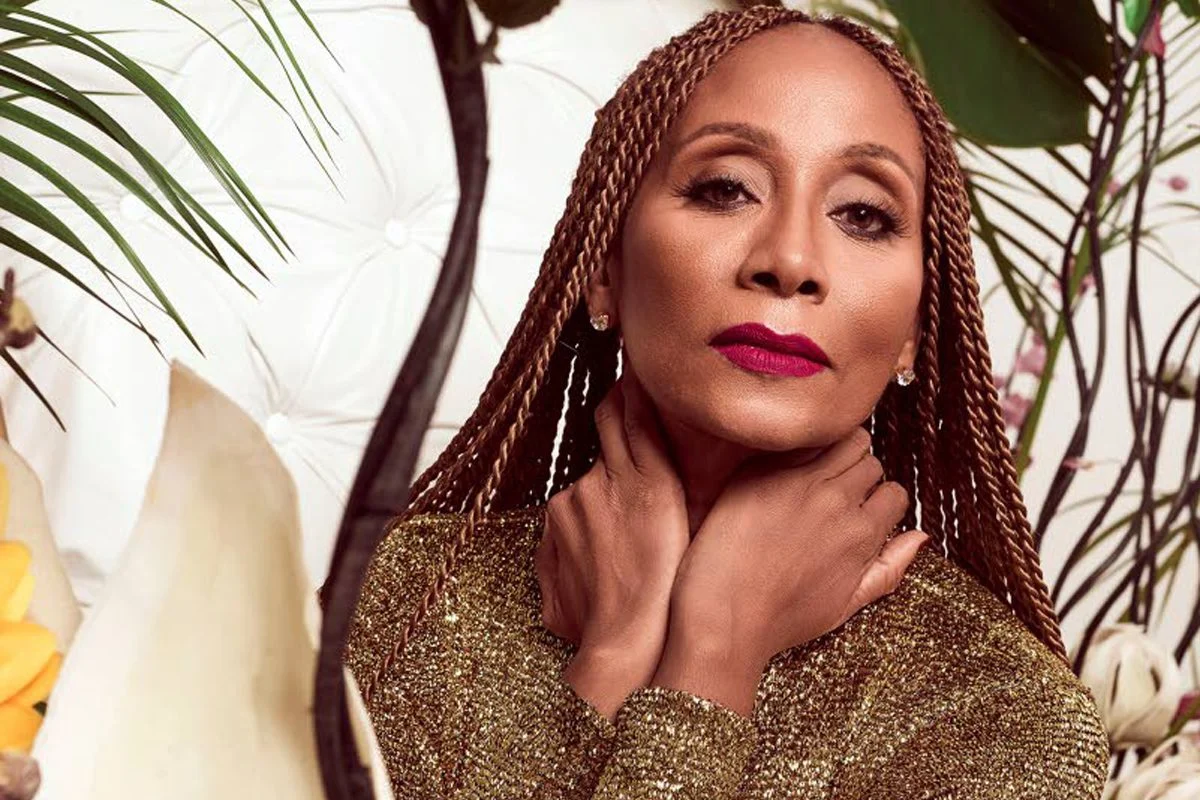
Macka Diamond, starting her career in the 1990s but catapulting to success in the 2000s with the breakout hit “Bun Him,” is known for her unapologetic approach and her ability to create catchy and controversial music.
Ce’Cile, Chevelle Franklyn, Lady G, and Shelly Thunder each held down riddims, maintained loyal followings, and passed on craft to the generation that followed.
Their names appear less frequently in mainstream coverage precisely because mainstream coverage has always been a narrow aperture for women in this genre.
What 2026 Looks Like
The landscape for women in dancehall in 2026 is more crowded and more internationally legible than at any point in the genre’s history.
Shenseea headlining tours, Spice releasing Grammy-nominated studio projects, and a wave of younger artists from both Jamaica and the diaspora competing for streaming real estate on the same platforms as Afrobeats and Latin trap represent a structural shift that the genre’s pioneer women made possible but could not have imagined for themselves.
The line from Sister Nancy freestyling “Bam Bam” at Channel One in 1982 to Shenseea debuting Never Gets Late Here in 2024 is not a straight one.
It bends around exclusion, contractual injustice, narrow archetypes, and an industry that has repeatedly undervalued women’s contributions while happily exploiting their commercial output. But the line exists, and it is unbroken.
Every woman who stepped to a microphone in a Kingston dance or signed to a label in New York pulled it forward. That is the story of women in dancehall history, and it is not finished.