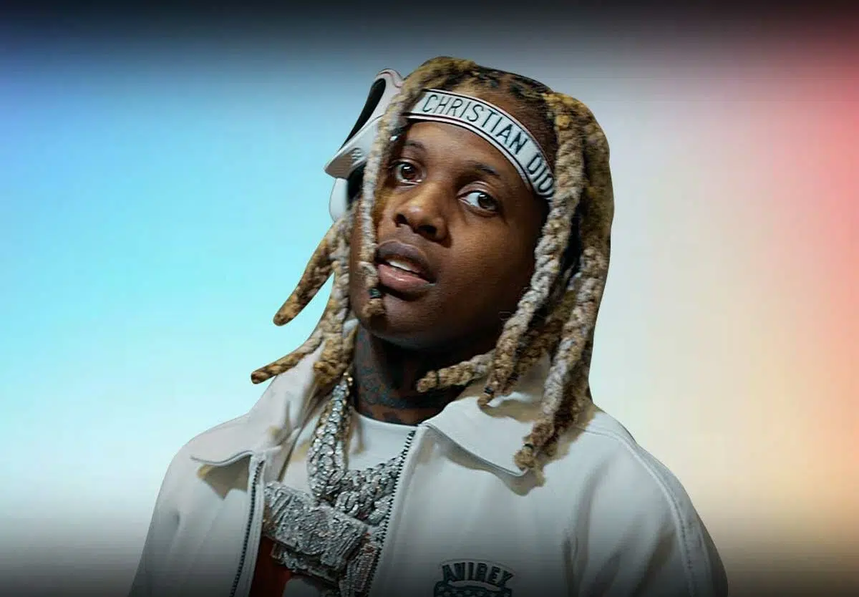

The moment that’s been building for weeks is finally here. Closing arguments are done, and the jury now holds Lil Durk’s fate in their hands as his murder-for-hire trial enters its final stretch.
Two of Durk’s former OTF affiliates, known as OTF Jam and OTF Vonnie, took the stand as witnesses for the prosecution during the trial.
Durk’s own defense team didn’t hold back in how they characterized that decision, openly referring to the pair as “rats” in front of the court.
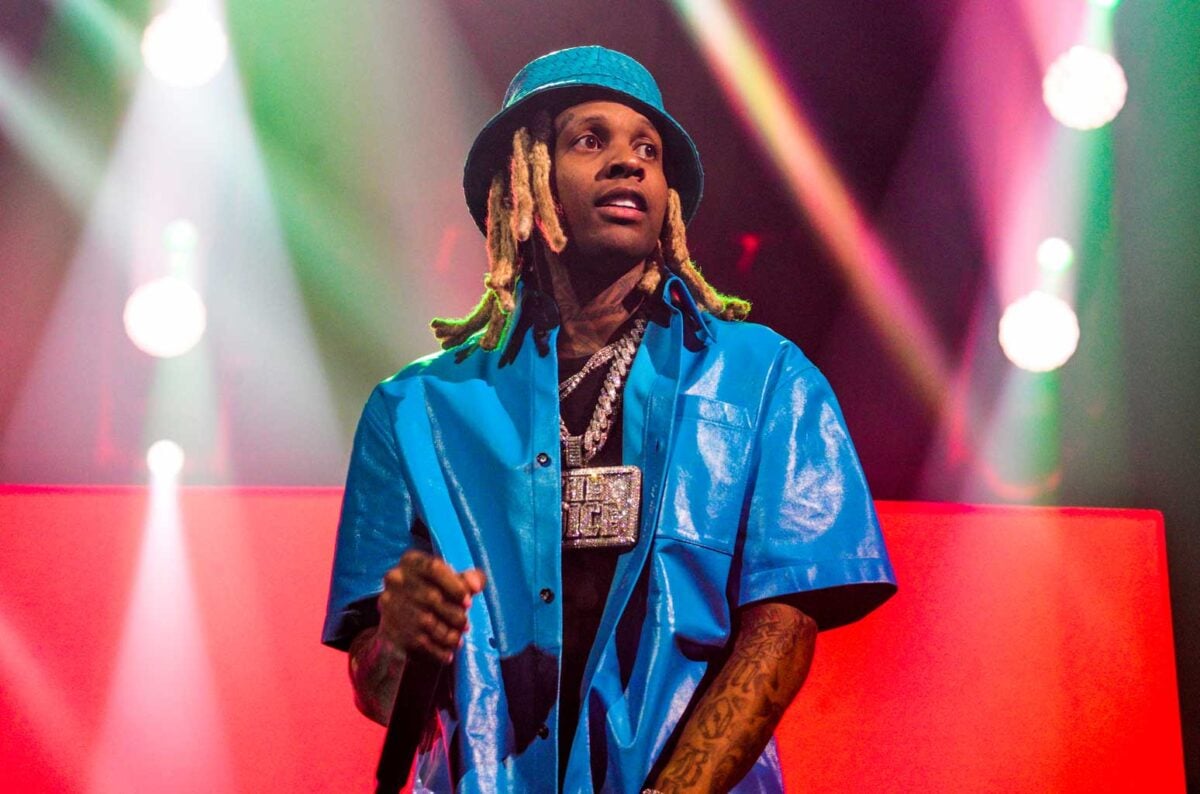
The tension around the case spilled outside the courthouse too. On the 11th day of the trial, supporters showed up wearing “Free Durk” shirts while both sides delivered their closing arguments, making it clear that the Chicago rapper still has a deeply loyal base watching every development.
Durk’s father, Dontay Banks Sr., has been one of the most vocal voices in his son’s corner throughout the proceedings.
He singled out OTF Jam specifically, saying the testimony felt like a personal betrayal given what he claims Durk did for him after his release from jail.
“This stuff make your stomach turn,” Banks Sr. said. “This dude Jam said don’t nobody helped him when he got out of jail except him, the only ones that looked out for me was him. Now you gonna sit up here and get up on the stand and be lying on him.
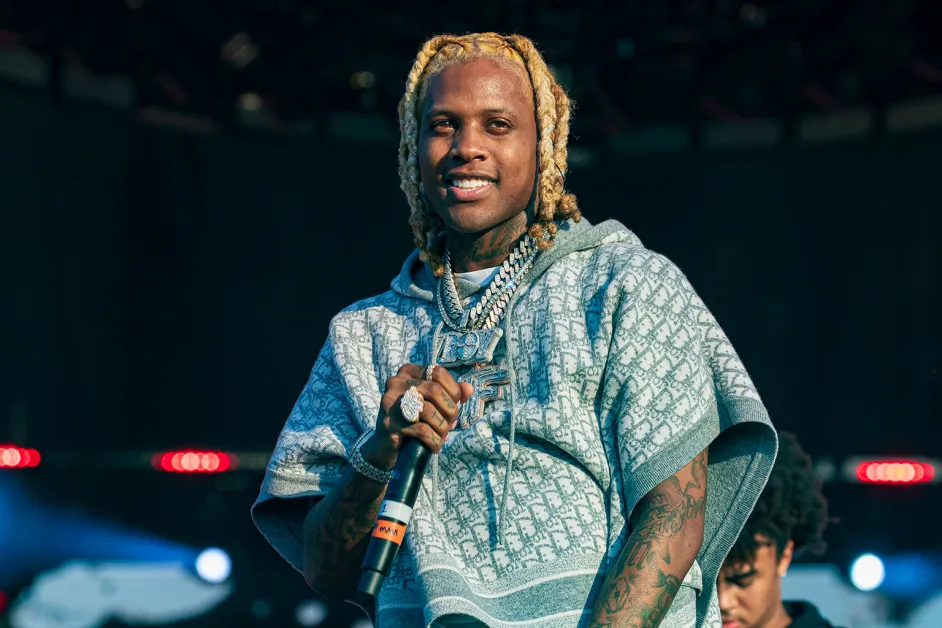
It’s a sentiment that cuts to the heart of how loyalty is understood and talked about in the world Durk came up in. Whether or not that framing lands with a jury is a completely different question.
Durk’s defense attorney Drew Findling took a distinct approach in his closing, leaning into Durk’s identity as an artist rather than focusing purely on the legal arguments.
He described his client as a storyteller with a rare gift, someone who channels the experiences and emotions of people who don’t have a platform to speak for themselves.
“He is a lyricist. He is blessed from above. He’s The Voice,” Findling told the court. “The Voice that has the ability to express what other people think.”
That argument is likely to be read in very different ways depending on who’s listening. For fans and supporters, it reinforces the idea that Durk’s music is art, not evidence of real-world intent.
For prosecutors, the line between storytelling and confession has been a central point of contention throughout the entire case.
The trial has drawn attention not just because of who Durk is, but because of what it represents for how the legal system engages with rap lyrics and the communities that produce them.
Cases like this one have sparked ongoing debate about whether music can fairly be used as evidence in criminal proceedings.
Durk, whose real name is Durk Derrick Banks, has maintained a massive following throughout the trial. His team has fought hard to separate the persona from the person, and now it’s up to twelve jurors to decide which version of events holds up.
The jury is deliberating now, and the clock is ticking.