

Before a single juror has even begun deliberating, Lil Durk’s defense team has already started building a road to appeal.
The dispute centers on a legal rule called the Pinkerton doctrine, a 1946 Supreme Court precedent that allows one person to be held responsible for crimes committed by others in the same plot.
Lil Durk was not at the Los Angeles gas station on August 19, 2022, when shots were fired at Tyquian “Quando Rondo” Bowman.
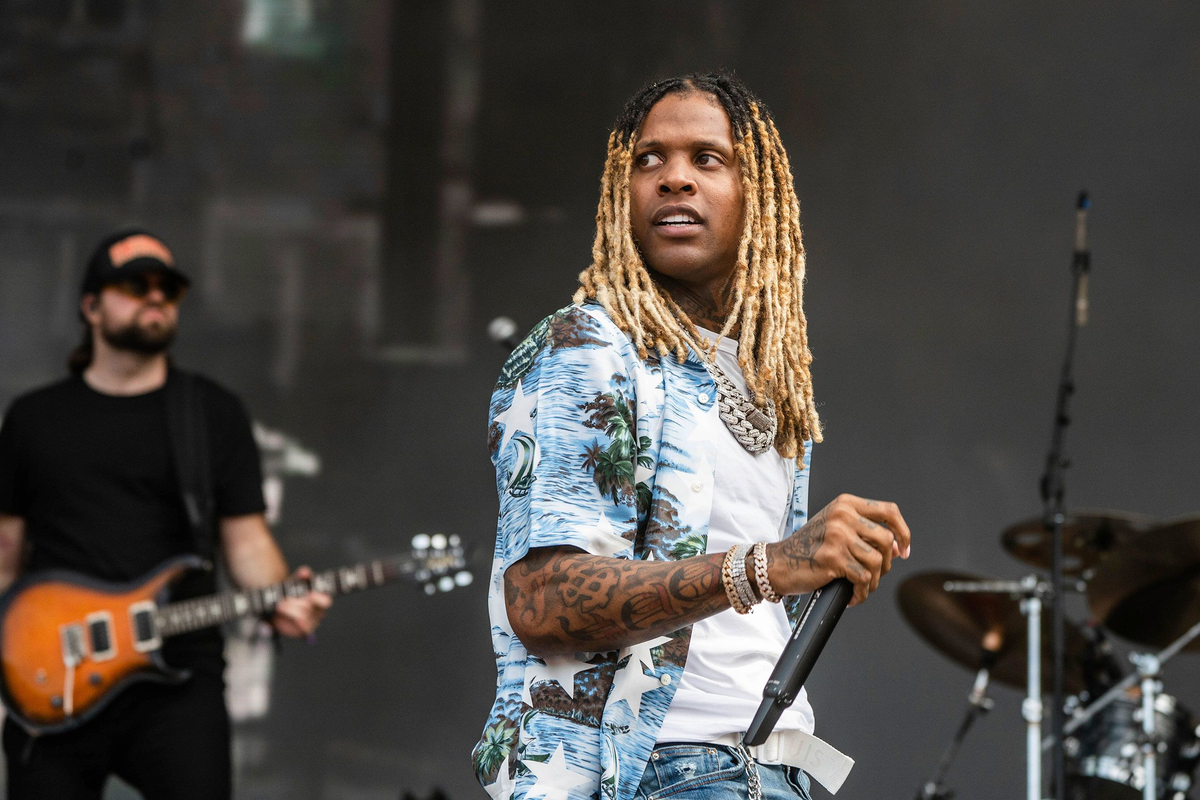
The attack missed Quando Rondo but killed his cousin, Saviay’a “Lul Pab” Robinson, and prosecutors argue Lil Durk still bears responsibility because he allegedly ordered the attack, covered its costs, and backed a cash reward for the outcome.
Defense attorney Christy O’Connor pushed back hard on letting jurors apply the Pinkerton rule, arguing it creates a real danger that Lil Durk could be convicted for actions taken independently by co-defendants Kavon “OTF Vonni” Grant or Deondre “DeDe” Wilson.
She laid out a clear scenario for the court: jurors might accept that Lil Durk paid for a car or a flight without accepting that he ever promised money for a killing, and under a loose reading of the rule, that partial finding could still produce a conviction.
U.S. District Judge Michael Fitzgerald acknowledged he could not remove the Pinkerton instruction because higher courts have made it binding.
But he confirmed that O’Connor’s objection is now preserved, meaning if Lil Durk is convicted, his legal team has a live issue ready for the Ninth Circuit or even the Supreme Court.
The judge’s handling of the rule produced one of the trial’s sharpest moments.
Fitzgerald asked prosecutors directly whether they would argue to the jury that a separate plan allegedly organized by DeDe in Los Angeles, without Lil Durk’s knowledge, could support a conviction.
Assistant U.S. Attorney Ian Yanniello answered plainly, “The Government will not argue that.” Fitzgerald said he will hold prosecutors to that commitment when closing statements begin Tuesday, September 8.
That concession is a real win for the defense, because it forces the government to prove Lil Durk knowingly joined a specific conspiracy rather than simply being connected to people who carried one out. O’Connor still worries the written jury instructions, which jurors take into the deliberation room, could lead them toward conclusions neither side actually argued in court.
Fitzgerald called that risk unlikely, pointing to instructions that specifically warn against convicting someone based on association, shared interests, or even knowledge of a crime without proof of active participation.
Those warnings line up directly with the defense’s core theory: that OTF Vonni used Lil Durk’s money and reputation while running the operation himself. OTF Vonni, however, told the jury the opposite, saying Lil Durk gave the order.
Two other cooperating witnesses, OTF Jam and Keith “Flacka” Jones, also connected Lil Durk to the alleged bounty.
All three pleaded guilty and are hoping their cooperation results in reduced sentences, which gives the defense plenty of material to question their credibility in closing arguments.
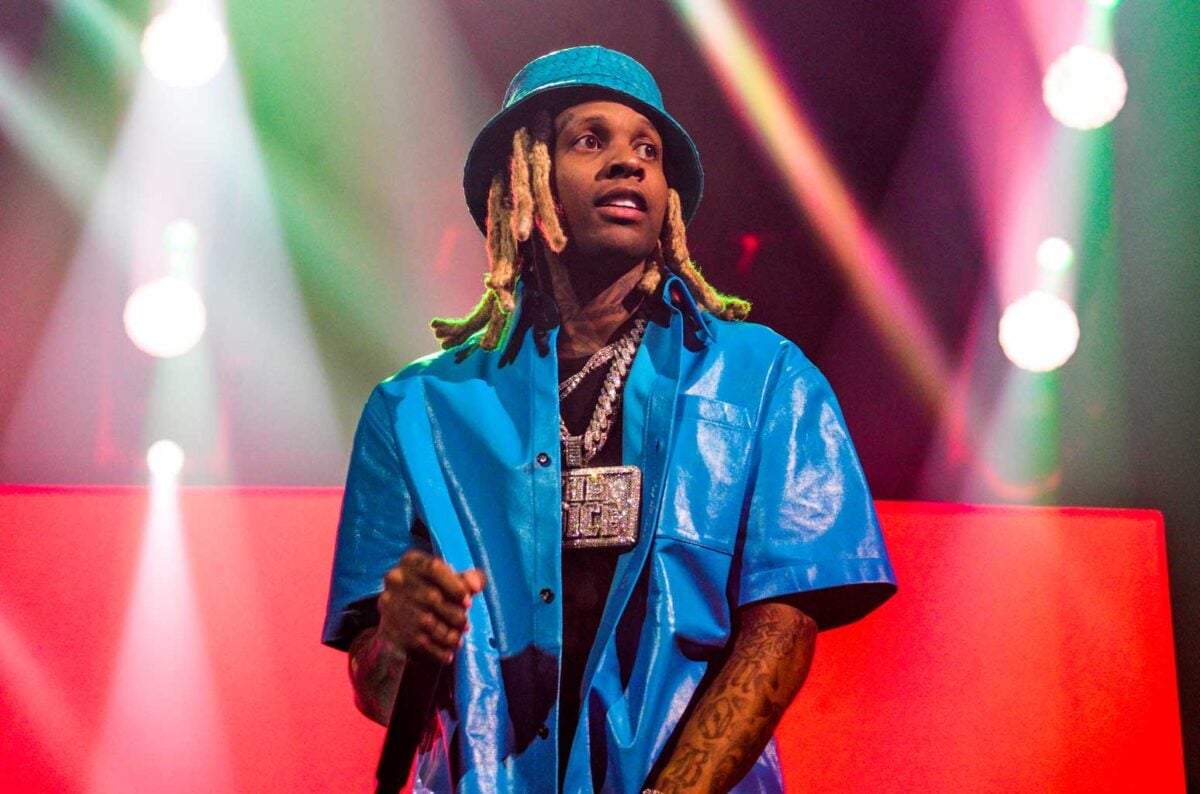
Lil Durk, DeDe, and David “Browneyez” Lindsey have all pleaded not guilty. The five counts against Lil Durk include stalking conspiracy, stalking with a dangerous weapon, stalking resulting in Lul Pab’s death, murder-for-hire conspiracy, and a murder-for-hire count tied directly to her death.
Prosecutors have framed the entire attack as revenge for the 2020 death of King Von, while Lil Durk has denied any role in ordering, joining, or funding the plan.
Both sides rested Thursday, and closing arguments are set for Tuesday. The jury will walk into deliberations carrying instructions that could either protect Lil Durk from guilt by association or open a door his lawyers spent Friday trying to close.