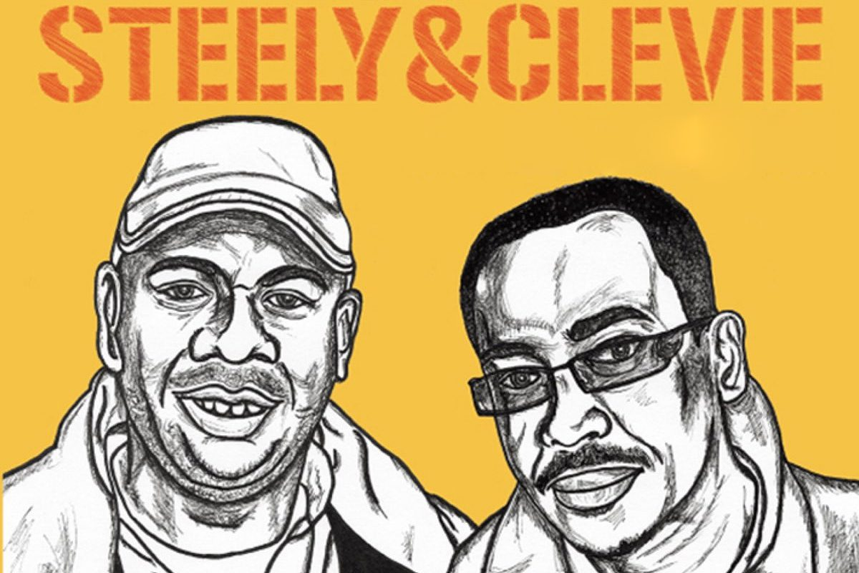

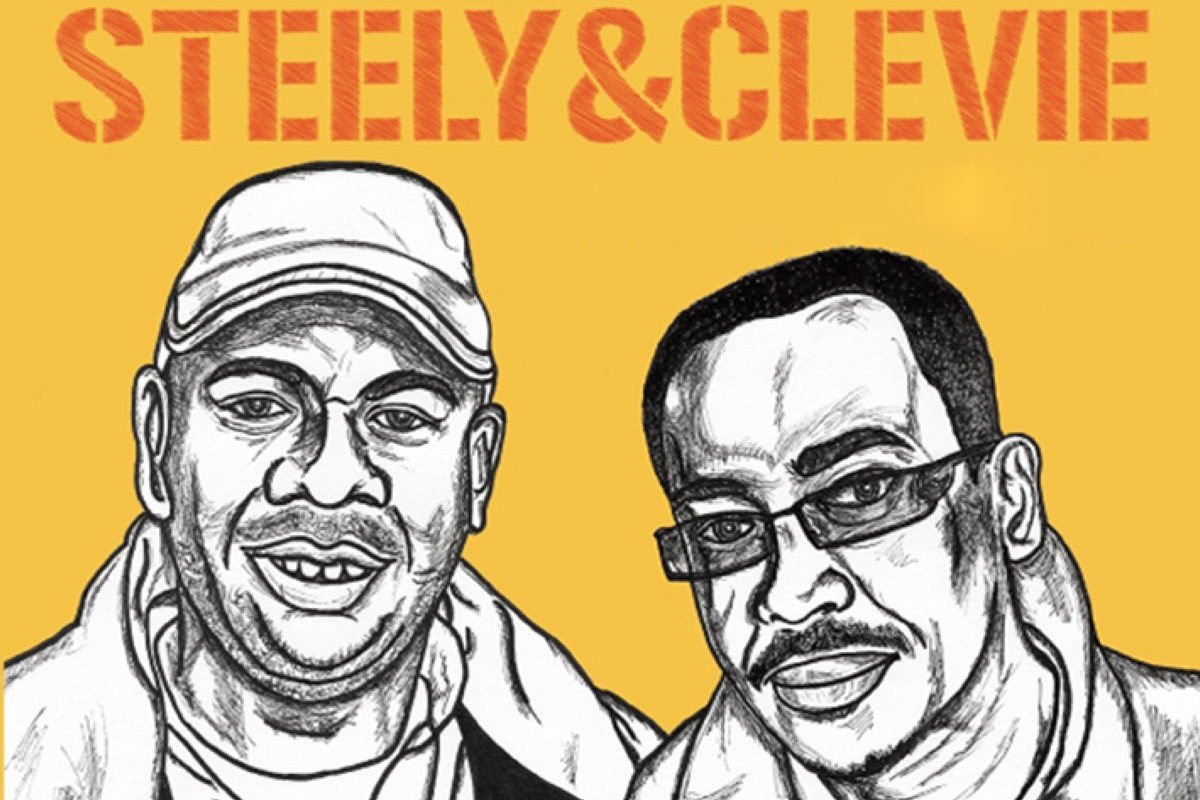
A judge who once cleared the path for Steely and Clevie’s estate to pursue copyright claims against over 150 major artists has now reversed that decision, and not everyone is accepting it quietly.
US District Judge Andre Birotte Jr changed course after lawyers for Bad Bunny convinced him his July ruling was wrong, effectively shutting down the composition copyright claims before they could reach trial.
The case centers on “Fish Market,” a 1989 track by the Jamaican production duo that their lawyers argue has been sampled extensively across hip hop, pop, and reggaeton.
Names like Drake, Justin Bieber, Pitbull, Daddy Yankee, and Bad Bunny are all named in the lawsuit, which Cleveland Browne, known as Clevie, originally filed in 2021, three years after his partner Wycliffe Johnson, Steely, passed away in 2009.
Rolling Stone called the reversal a significant blow to the estate, and y!entertainment framed it as a legal victory for the high-profile acts who, just a month ago, looked like they were heading to trial. Birotte’s about-face, according to Rolling Stone, “ends a large portion of the lawsuit.”
But Jamaican attorney Lloyd Stanbury, who previously represented Steely and Clevie, is pushing back hard on that framing.
“I would say to all the media persons and self-made journalists jumping to conclusions and writing for likes and views, the lawsuit is still before the court, and the plaintiffs have a right to appeal and challenge the recent backsliding decision of the presiding judge,” he told Observer Online. He is not treating this as a closed chapter.
Stanbury’s use of the phrase “backsliding decision” signals real frustration with how quickly the narrative shifted after the ruling.
The estate still has legal options on the table, and the story of who owns what in this corner of music history is nowhere near settled.
The deeper context here matters a lot. Reggaeton artists, including Bad Bunny and Daddy Yankee, both Puerto Rican, have long pointed to Jamaican dancehall from the 1980s and 1990s as a foundational influence on their sound.
The genre took shape in Puerto Rico in the late 1980s and exploded through Panama in the early 1990s, carrying rhythms and production styles that trace back directly to producers like Steely and Clevie.
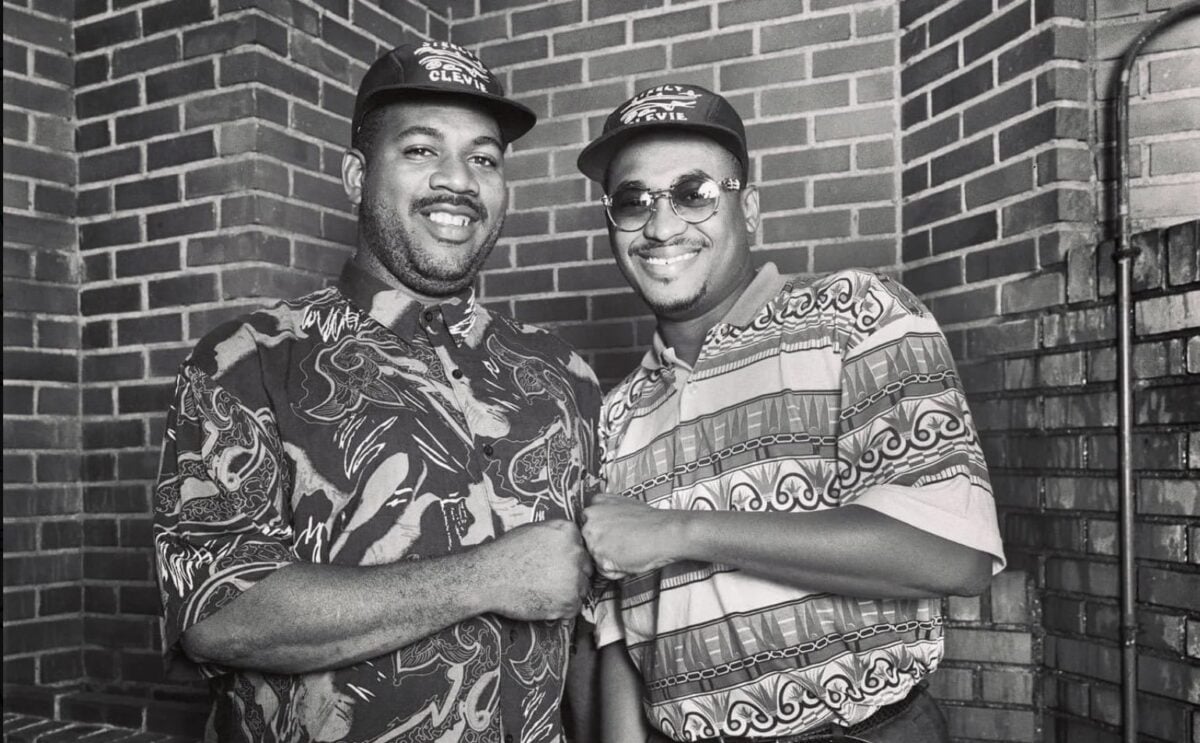
The duo’s fingerprints are all over that era. They produced or created the rhythms behind Shabba Ranks tracks like “Wicked inna Bed” and “Dem Bow,” with the latter driven by the Fish Market beat that sits at the center of this entire dispute.
Dem Bow, specifically, became so foundational to reggaeton that the genre’s signature rhythmic pattern is literally named after it.
That cultural lineage is what makes this case so charged beyond the legal mechanics. There is a real tension between reggaeton’s commercial dominance, Bad Bunny is one of the most-streamed artists on the planet, and the Jamaican producers whose work helped build the sonic foundation that made that success possible.
Clevie declined to comment when contacted by Observer Online, which perhaps says as much as any statement could right now.
The lawsuit may have lost ground in court, but the conversation around credit, compensation, and cultural debt between Jamaica and Latin America is very much alive.