
Ninjaman net worth is a subject of genuine public interest, given the dancehall pioneer’s decades-long career, his lasting cultural influence, and the legal circumstances that have defined the final chapter of his public life.
Based on available estimates from celebrity finance trackers, Ninjaman is a Jamaican dancehall DJ and actor with an estimated net worth of $1 million, while other aggregators place the figure higher. Some recent estimates put Ninjaman’s net worth in a range between $1 million and $5 million.
No verified financial disclosures or tax filings have been made public, so all figures should be treated as informed estimates rather than confirmed sums.
Who Is Ninjaman?
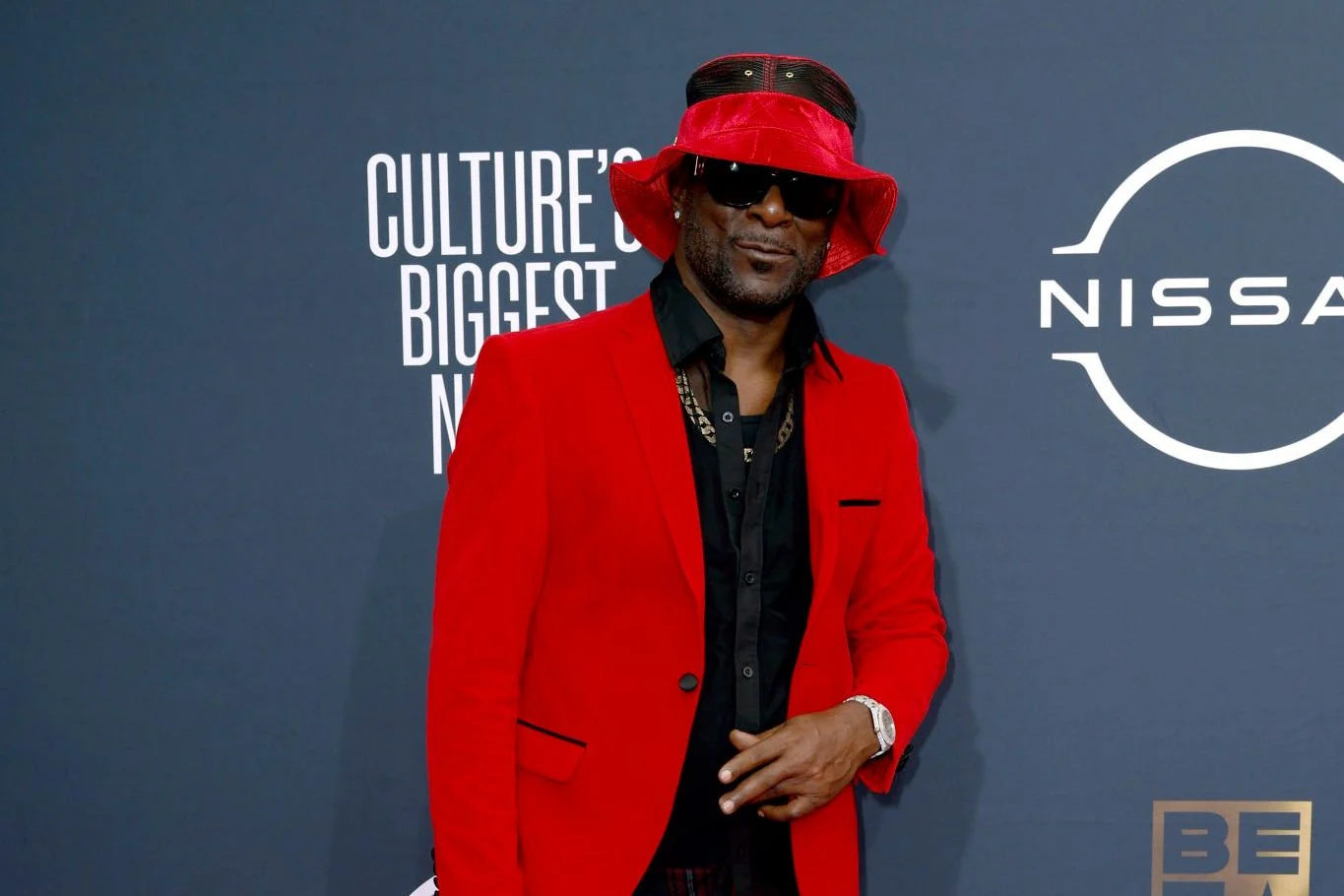
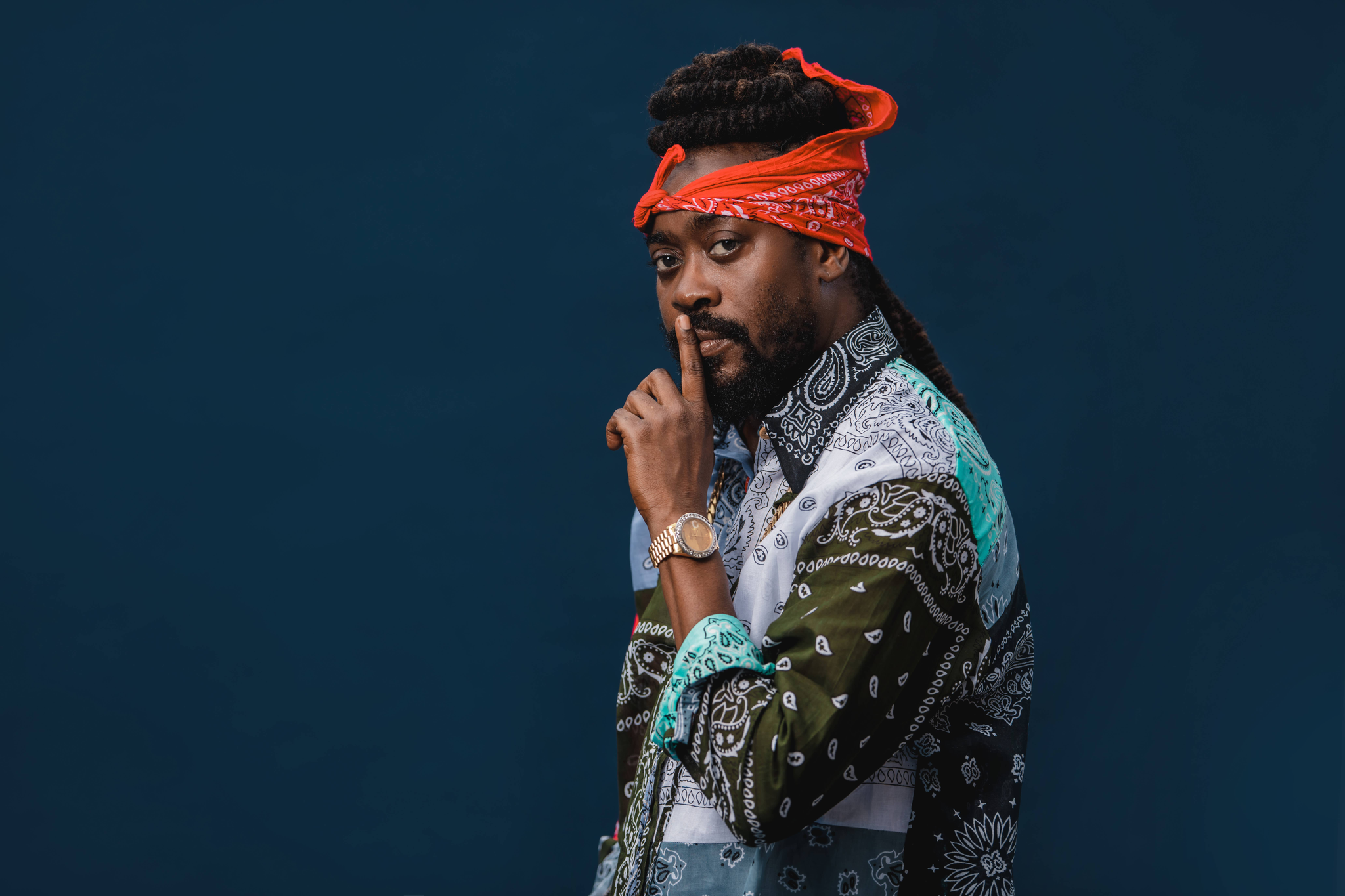
Desmond John Ballentine, born January 24, 1966, and better known as Ninjaman and sometimes as Don Gorgon, is a Jamaican dancehall deejay known for his controversial, pro-gun lyrics, his stuttering and melodramatic style. Born in Annotto Bay, Jamaica, Ballentine moved to Kingston at the age of 12.
After moving to Kingston as a young teen, he began selecting for the popular sound system Killamanjaro under the names Double Ugly and Uglyman.
The name Ninjaman was given to him by Killamanjaro founder Noel Harper, who teased Desmond about his ninja-like behavior and tendencies, including his chameleon-like ability to fit into any reggae musical category.
Killamanjaro started its own label, and in 1987 Ninjaman got the chance to make and self-produce his first single, a duet with Courtney Melody called “Protection.”
It was a success, and led to further hit collaborations under producer Lloyd Dennis in 1988, most notably “Cover Me” with Tinga Stewart and “Zig It Up” with Flourgon.
Career Overview and Income Sources
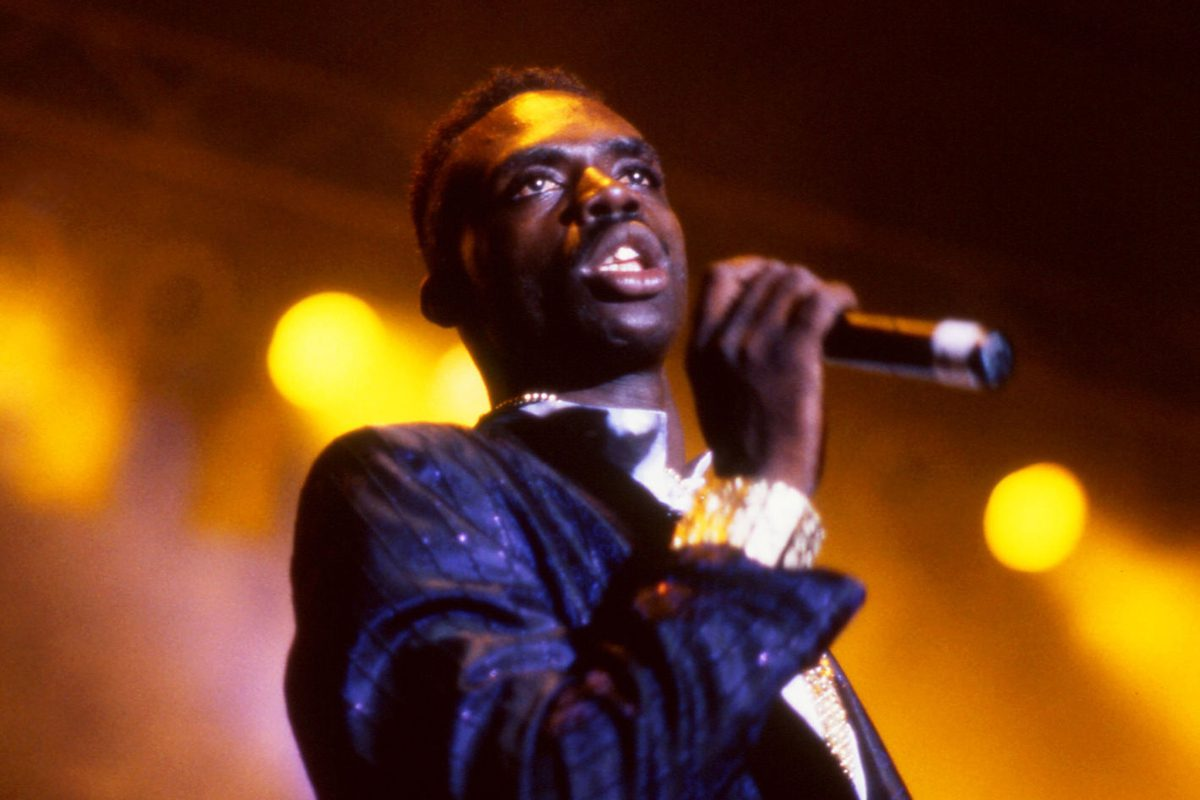
One of the most popular dancehall DJs of the late 1980s and early 1990s, Ninjaman was also perhaps the most controversial, thanks to his often violent, pro-gun lyrics.
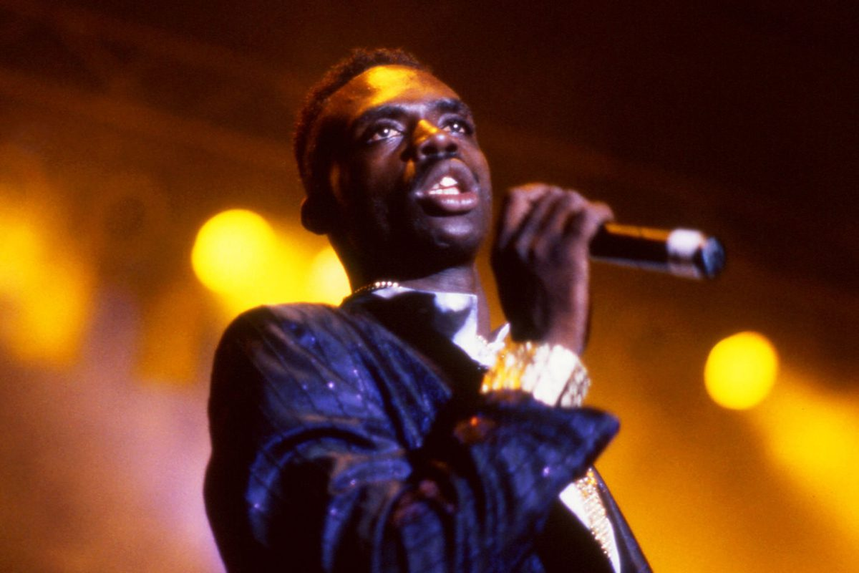
His bad-man image overshadowed the fact that he was a hugely talented freestyle lyricist, and the owner of a theatrical, stuttering delivery that made him a highly distinctive toaster.
The years following his debut brought many prolific collaborations with producers like King Jammy, Lloyd Pickout Dennis, Witty, Xterminator, Philip “Fatis” Burrell, Redman, Ini Kamoze, Bobby Digital, Augustus “Gussie” Clarke, and Steely and Clevie, and Henry “Junjo” Lawes.
His hits over the years 1989 to 1992, like “Murder Dem,” “Permit to Bury,” and “Above the Law,” reinforced Ninjaman’s image of a violent rude boy and drove strong demand for his performances across Jamaica and the wider Caribbean.
The artist became the undisputed king of the Sting festival. His 1990 clash with Shabba Ranks is still considered one of the greatest moments in reggae history.
At the annual Sting concert, the two engaged in a brutal, no-holds-barred lyrical showdown, sparked by Ninja’s vocal disdain over Shabba’s signing to American record label Epic Records.
The crowd loved every second of it, crowning Ninja the Sting champion and dubbing it the Sting “Super Clash.”
In 1993, criticism of Ninjaman’s violent and pro-gun lyrics arose, leading to a decline in performing gigs and chances to record.
He worked with producers Henry “Junjo” Lawes and Junior Reid during this period, but his career momentum was fading fast, and by the mid-1990s his recording activity had tailed off substantially.
Battling problems with crack cocaine, in 1997 Ninjaman became a born-again Christian, and began performing gospel reggae tunes under the name Brother Desmond.
The switch was not entirely permanent, however, leading to condemnations from some in Jamaica’s Christian community.
In 1999, he was cast as the sinister turncoat “Deportee” in the feature film Third World Cop, alongside celebrated actor Paul Campbell.
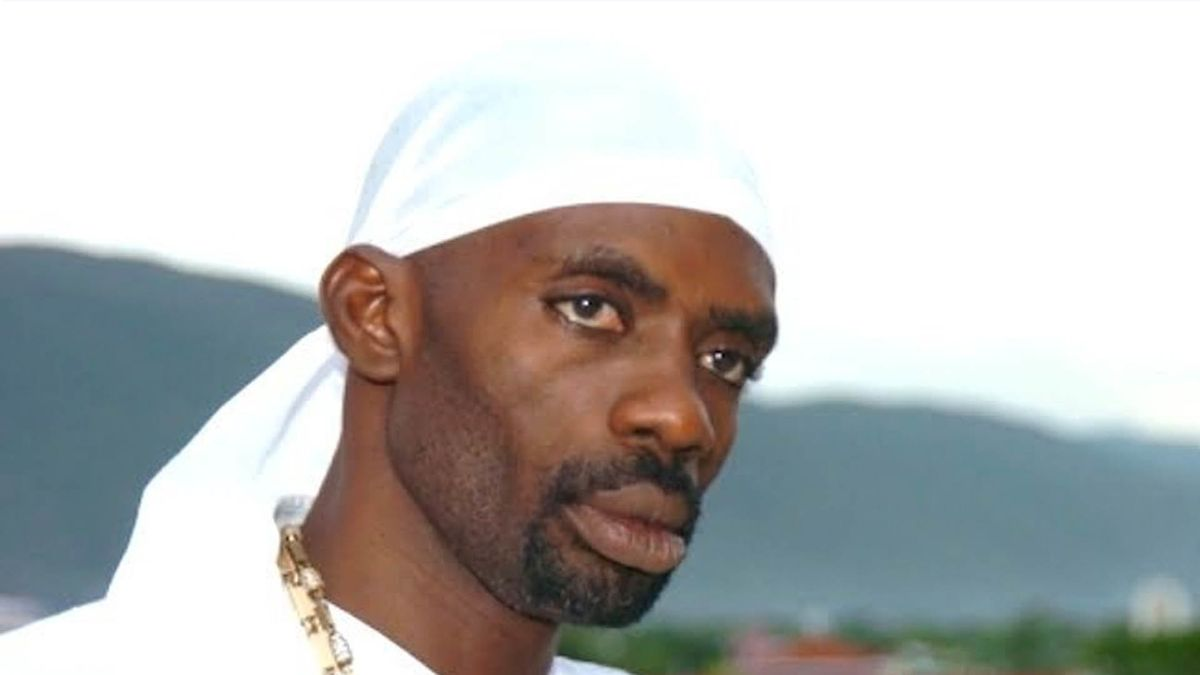
This acting credit represented a meaningful diversification of his income during a period when his recording output had significantly slowed.
By the late 1990s, Ninjaman was making far more headlines due to his turbulent personal life than his music, but even if his recording activities had tailed off, he remained a popular and still polarizing concert act.
In 2015, he parted ways with Downsound Records and opened his own Picture Frame Studio on Blackwood Terrace in Kingston.
The studio represented an entrepreneurial venture that would have generated some income had it operated through the period leading up to his incarceration.
While his recording career waned in the face of a myriad of personal and legal issues, he continued to be one of Jamaica’s most sought-after performers.
Ninjaman Net Worth: Estimates Compared
Because Ninjaman has never made public financial disclosures, all net worth figures originate from third-party aggregators applying proprietary methodologies.
Below is a comparison of the estimates that are publicly available.
| Source | Estimate | Notes |
| Celebrity Net Worth | $1 million | Appears to reflect peak-era earnings, not adjusted for incarceration period |
| Mabumbe / Naijanews | $1 million to $5 million | Broad range; methodology not disclosed |
| Popnable | $0 active revenue (2024/2025) | Reflects streaming income only; no active releases |
Ninjaman’s net worth is estimated in the range of $1 million to $5 million. His primary income sources included music sales, live performances, and acting roles. Details about his assets, such as properties and vehicles, have not been publicly disclosed.
The honest assessment is that the true figure is not publicly verifiable. Platform data from Popnable shows Ninjaman’s trackable revenue as $0 in both 2024 and 2025, with estimates ranging between $0 and $0, which reflects the reality that he has had no active recording or touring income since his 2017 incarceration.
Whether historic royalty income, property holdings, or other assets preserve meaningful wealth is not confirmed in any public record.
Legal History and Its Financial Impact
No analysis of Ninjaman’s financial position is complete without a full accounting of his legal history, which has materially affected his earning capacity at multiple points.
Ballentine had two prior convictions, one in 1996 for possession of cocaine and another in 1999 for illegal possession of a firearm.
He was acquitted on murder charges relating to late 1999, but convicted of unlawfully possessing a firearm and ammunition, and sentenced to a year in jail.
Each incarceration period interrupted his earning potential and eroded his standing with promoters and labels.
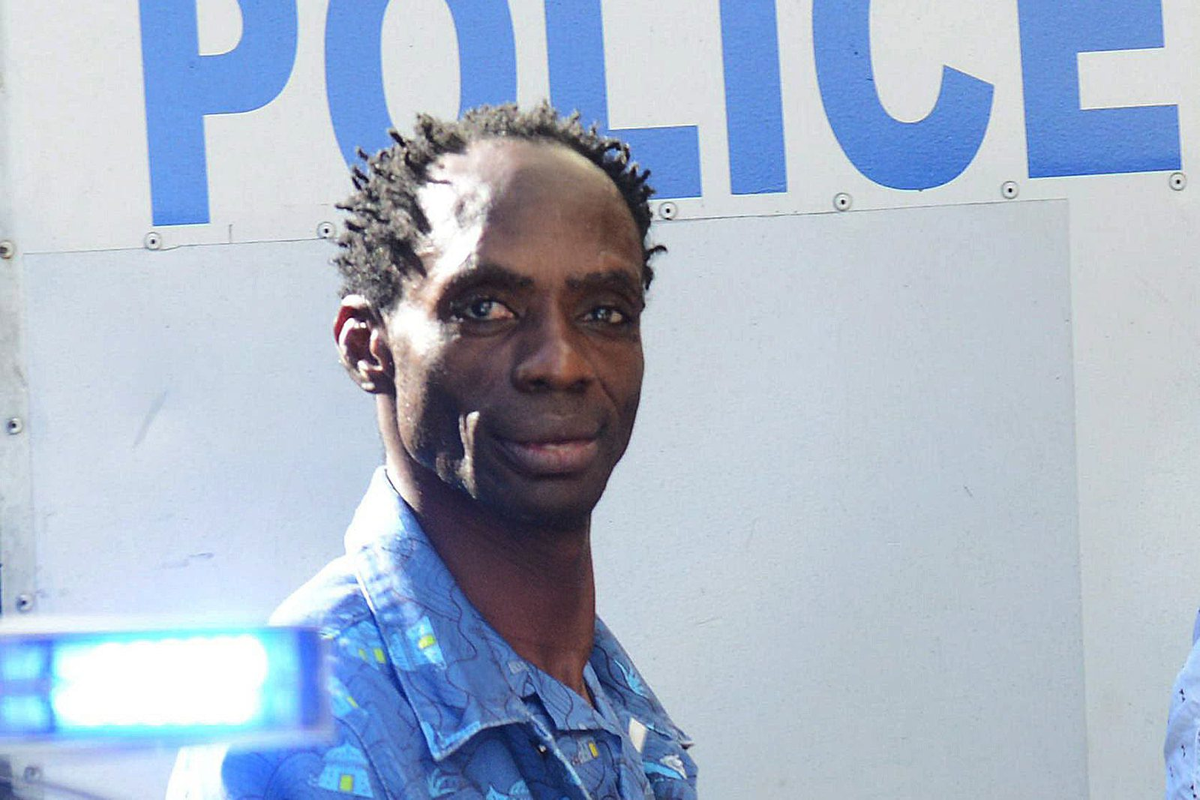
In March 2009, Ninjaman was arrested and charged in connection with the murder of Ricardo Johnson, along with his son Janiel, in Jamaica.
The case wound through the courts for years. On November 20, 2017, Ninjaman and his co-accused were found guilty of the 2009 murder of Ricardo Johnson.
On December 18, 2017, Ballentine was sentenced to life in prison, with the possibility of parole after 25 years.
Justice Martin Gayle sentenced Ninja Man to 25 years at hard labour for the murder of Ricardo Johnson, popularly known as “Ricky Trooper,” and 20 years for shooting with intent in relation to another person. The sentences run concurrently.
Ninjaman will be approximately 76 years of age before he is eligible for a parole hearing, which is not guaranteed.
The Appeal: Where Things Stand in 2026
Ninjaman’s legal battle did not end with sentencing. The case has experienced multiple postponements over the years, with a combination of procedural issues, changes in legal representation, and scheduling complications slowing progress toward a final appellate ruling.
Ninjaman’s murder appeal was impacted negatively by the sudden illness and death of his attorney-at-law Valerie Neita-Robertson, the 71-year-old legal powerhouse who was spearheading his appeal.
Robertson fell ill last October and passed away peacefully on February 25, 2025, surrounded by her family. Attorney Robert Fletcher now represents the entertainer.
The long-awaited appeal hearing suffered yet another delay in July 2026, with the adjournment resulting from the Crown’s late filing of its written submissions. The prosecution had been ordered to file submissions by April 6 but did not do so until the preceding Friday.
When the matter was called, the defense team, comprising King’s Counsel Peter Champagnie and attorneys Robert Fletcher and Zara Lewis, requested additional time to review the submissions, which cite more than 40 legal authorities.
The two-day appeal hearing before the three-member panel of Justices David Fraser, Lorna Shelly Williams, and Marcia Dunbar-Green ended in late July 2026, with the court reserving judgment.
The Crown urged the Court of Appeal to uphold the convictions and sentences, arguing that there was compelling evidence that the accused acted together to murder Ricardo Johnson.
Defense attorney Russell Stewart challenged the safety of Ninjaman’s conviction, arguing that the trial judge failed to properly address the reliability of the identification evidence.
As of the publication of this article, the Court of Appeal has reserved its judgment and no ruling has been handed down.
Legacy and Cultural Value
Whatever the final resolution of his legal situation, Ninjaman’s cultural contribution to dancehall is not in doubt.
He is the first dancehall artist to use the title “Don Gorgon.” His “stuttering” flow influenced American hip-hop artists.
He became synonymous with the “badman era” of dancehall due to street-savvy, hard-hitting tracks like “Murder Dem,” “Permit to Bury,” “Border Clash,” and “My Weapon.”
These songs helped solidify his image as a fearsome deejay, capable of commanding sound-clash stages with razor-sharp delivery and theatrical presence.
Key Facts at a Glance (2026)
| Category | Detail |
| Full Name | Desmond John Ballentine |
| Date of Birth | January 24, 1966 |
| Place of Birth | Annotto Bay, Saint Mary Parish, Jamaica |
| Also Known As | Don Gorgon, Brother Desmond |
| Career Start | 1987 (first single “Protection”) |
| Estimated Net Worth | $1 million to $5 million (third-party estimates only) |
| Active Revenue (2024/2025) | $0 confirmed (incarcerated, no active releases) |
| Sentence | Life imprisonment; eligible for parole after 25 years (from December 2017) |
| Appeal Status | Court of Appeal judgment reserved, July 2026 |
Bottom Line
Ninjaman net worth in 2026 remains a figure that cannot be stated with precision. Celebrity Net Worth estimates his net worth at $1 million, while other sources range the estimate between $1 million and $5 million.
What is clear is that active income has been zero since his December 2017 sentencing, and no publicly verified assets have been reported.
His wealth, whatever its true size, was built during the late 1980s and early 1990s, when he was one of the most in-demand deejays in the Caribbean.
His financial picture in 2026 is inseparable from his legal one: the Court of Appeal has reserved judgment on his conviction, and any meaningful change in his circumstances depends on that outcome.