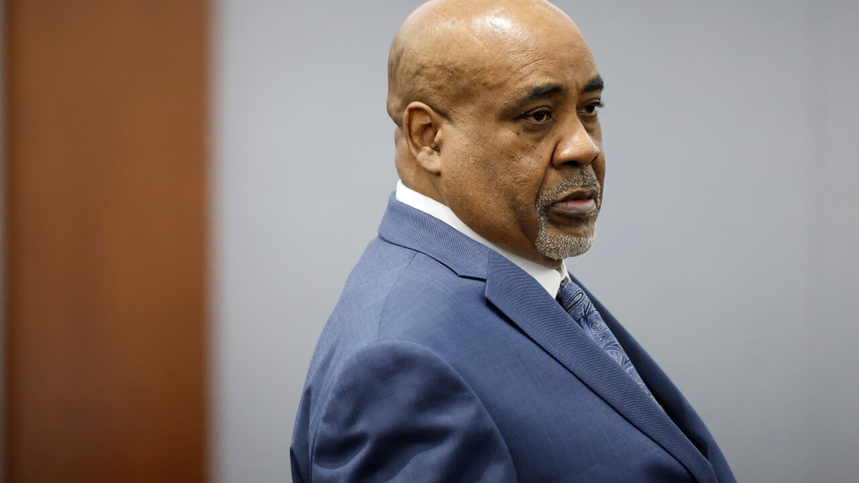

Keefe D’s defense attorney Michael Sanft isn’t blaming the jury for the guilty verdict. He’s blaming the Las Vegas police department for running an investigation so narrow and so sloppy that the truth, he argues, never actually made it into the courtroom.
Sanft took the case pro bono after another attorney reached out for help, and he came in with a clear strategy: convince jurors that Duane “Keefe D” Davis is a self-promoter who invented stories about the 1996 murder of Tupac Shakur to sell books and build a reputation.
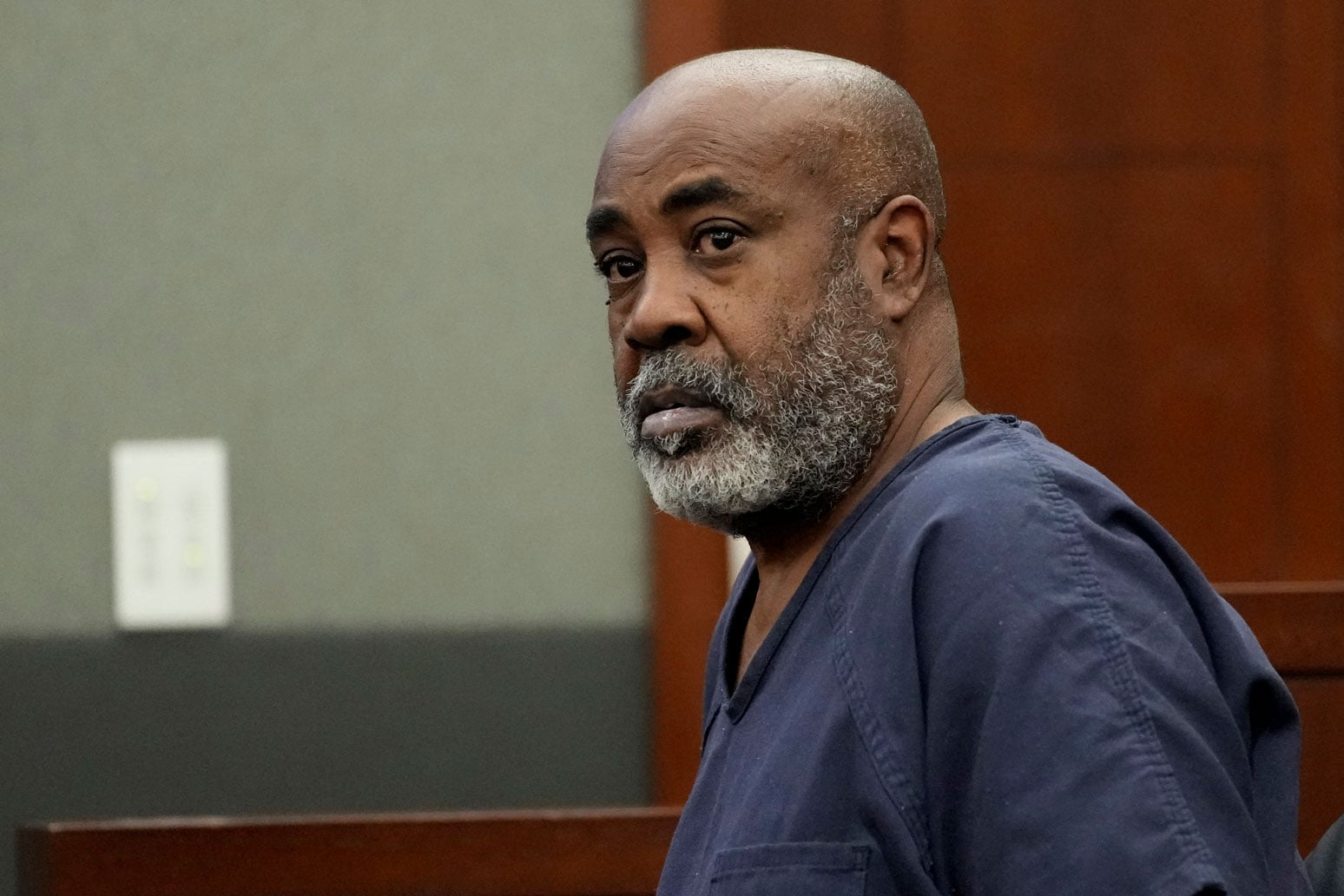
The jury deliberated for roughly three hours before convicting Davis of first-degree murder with intent to promote a criminal gang. Sanft clearly believes those three hours were not enough.
The attorney’s sharpest criticism centers on white Cadillac ownership records that police never bothered to trace.
The shooter’s vehicle was a four-door, late-model white Cadillac, and two Metro police officers working overtime outside Suge Knight’s gated home that night testified they saw a white Cadillac enter and exit the property.
Sanft says investigators never followed up on who owned similar vehicles, even when some of those owners had documented reasons to want Tupac dead.
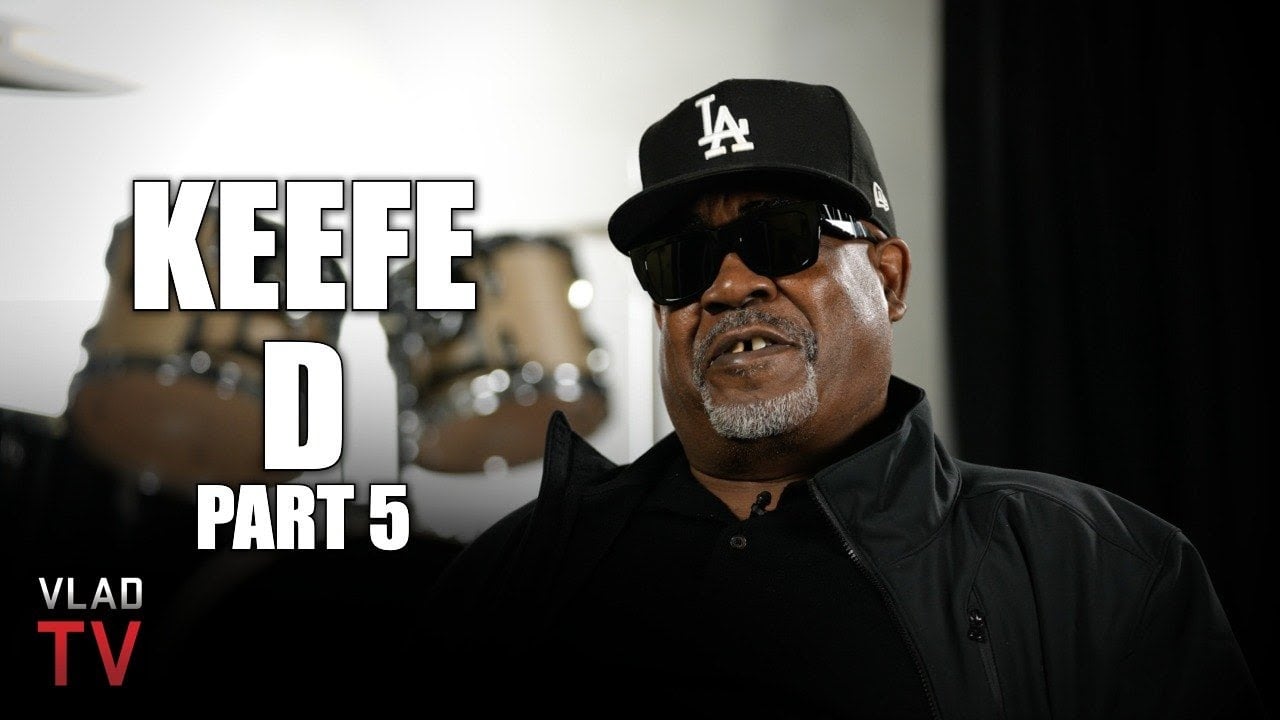
What I’ll tell you flat out is that there is evidence out there of ownership of Cadillacs that was never looked into by people that had some motive here to get rid of Tupac Shakur,” Sanft told reporters after the verdict.
That’s a direct accusation that detectives had leads pointing to other suspects and simply chose not to pursue them. For a case that sat unsolved for nearly three decades, that kind of selective focus is hard to defend.
The prosecution’s case leaned heavily on Davis’s own public statements, including interviews and a memoir where he described his involvement in the shooting.
Sanft challenged jurors to find any physical evidence, outside of Davis’s own words, placing his client in Las Vegas or inside that Cadillac on the night of September 7, 1996.
No murder weapon was recovered, no rental records for the vehicle were produced, and no documentation confirmed Davis was even in the city that night.
Sanft’s frustration with the jury is specific. He described them as inquisitive during the trial but said they ultimately failed to push back on the prosecution’s foundational assumptions.
“I think what they did is they sort of just allowed this to happen this way without challenging the premises that everyone else had,” he said. That’s a pointed critique, suggesting the verdict was shaped more by the weight of Davis’s own public confessions than by hard evidence.
The investigation’s credibility problems run deeper than the Cadillac angle. Lead detective Cliff Mogg, who spent years on the case, took an unusually long time to file an official police report and never testified at trial.
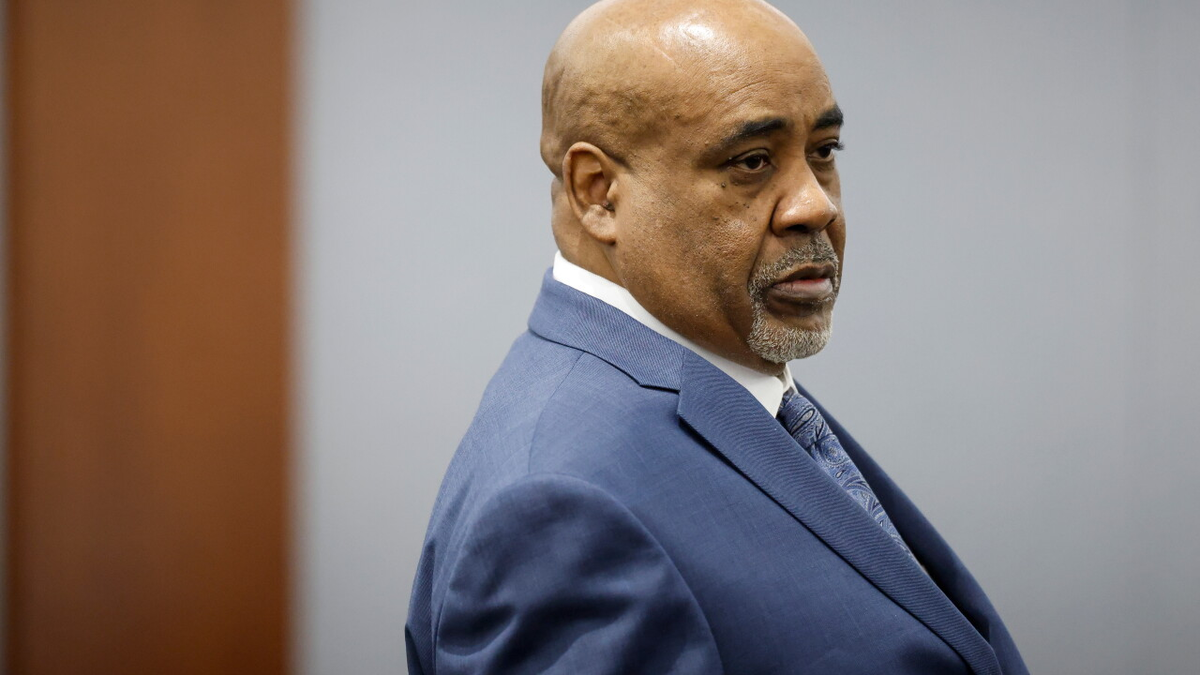
Sanft spent 25 years in criminal defense and even traveled to Compton to research the neighborhoods connected to the case, but he says legal motions lost before trial made an already difficult defense nearly impossible.
Davis is currently being held at Clark County Detention Center, with sentencing set for October 13 before Judge Carli Kierny.
Sanft’s post-verdict comments have reopened questions about whether the full picture of what happened that night in Las Vegas has ever really been examined.