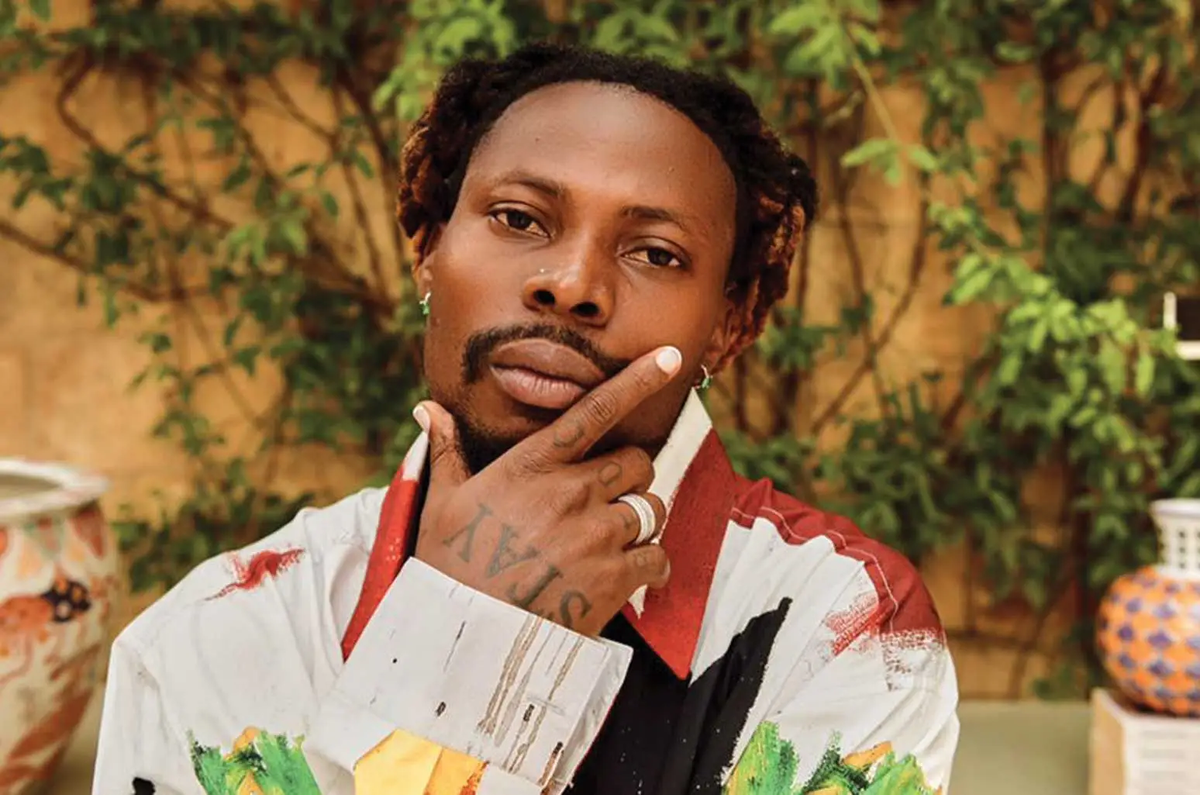
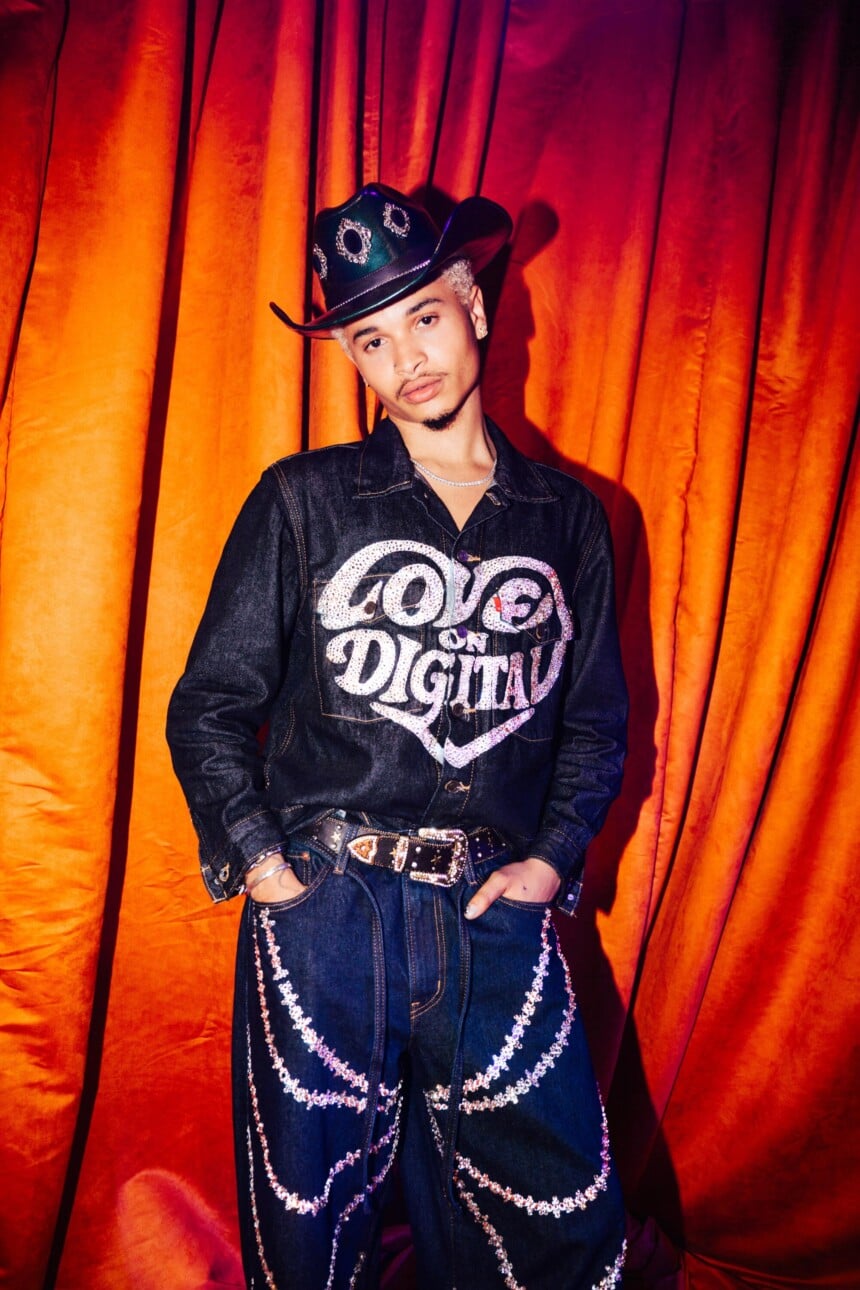

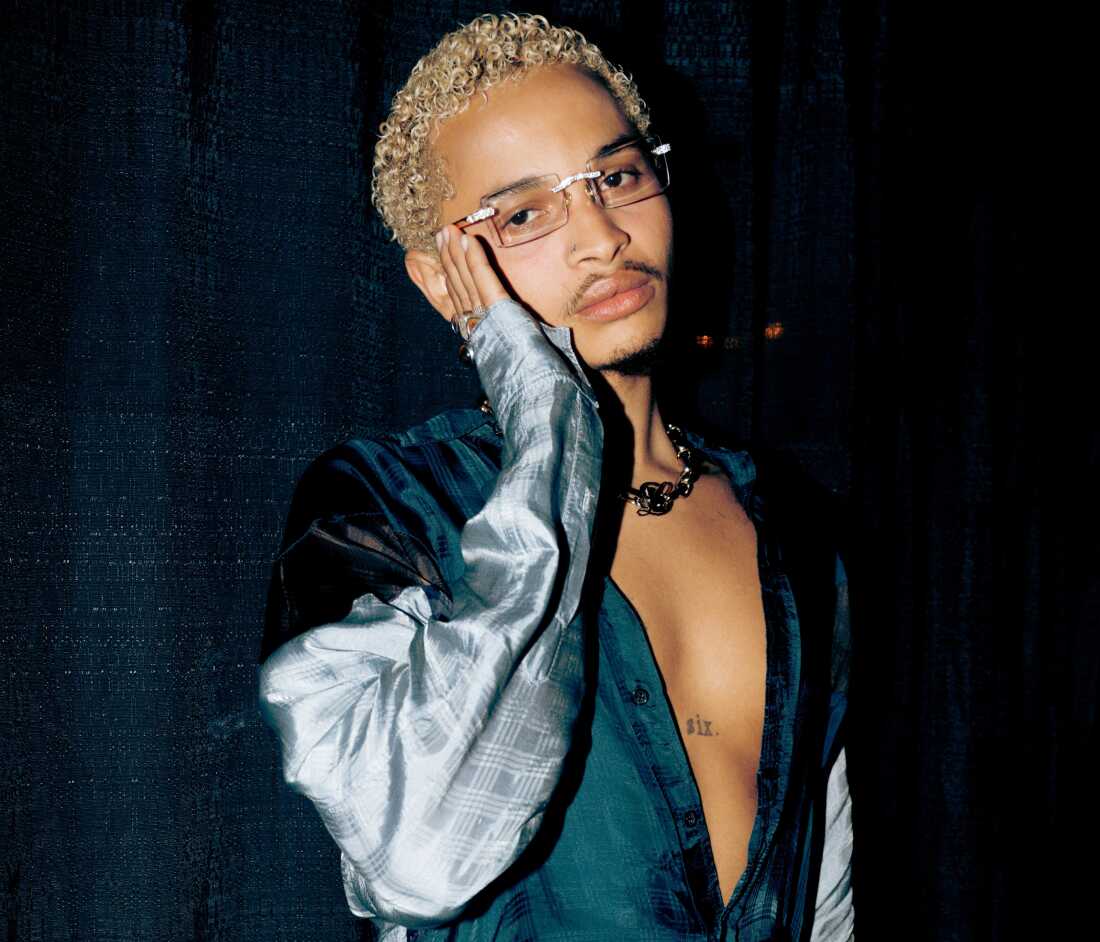
American singer-songwriter Destin Conrad did not merely clear a sample—he walked into one of dancehall’s most combustible records, seized its hook and rewired its meaning.
On CHI CHI, a standout from his August 2026 album ROADRUNNER, the openly queer singer boldly samples T.O.K.’s turn-of-the-century anthem Chi Chi Man, transforming a phrase long used as an anti-gay slur in Jamaica into a playful celebration of identity, sexuality and heritage.
It is a daring move, loaded with cultural history.
T.O.K.’s original, released on producer Tony “CD” Kelly’s Sashi riddim in 2000 and later included on the group’s 2001 debut album My Crew, My Dawgs, became one of dancehall’s biggest—and most controversial—hits. Its infectious chorus masked violently homophobic lyrics, making the record both a commercial breakthrough and a source of enduring criticism.
Conrad knows exactly what he is touching.
Rather than ducking the controversy, he cheekily celebrated securing permission to use the sample, declaring on social media: “I ended homophobia.”
The remark was delivered with a wink, but the artistic reversal is serious. A queer artiste of Jamaican heritage has taken a hook historically aimed at men like him and placed himself at its centre—not as a target, but as the man controlling the microphone.
That tension gives CHI CHI its bite. The song is funny, provocative and proudly unruly, turning dancehall memory inside out while refusing to surrender its infectious energy.
It also captures the larger mission of ROADRUNNER.

Across the 13-track album, Conrad leans into reggae, dancehall and Jamaican patois while retaining the silky R&B delivery that built his reputation. The project follows his jazz experiments on wHIMSY and represents another sharp turn from an artiste increasingly unwilling to be boxed into a single sound. Rated R&B
“Making this project made me realise how naturally all these parts of me could live together,” Conrad said. “I didn’t have to separate my Jamaican heritage from my relationship with R&B.”
CHI CHI is where those worlds collide most dramatically.
For some listeners, the sample will trigger nostalgia. For others, it will reopen an uncomfortable chapter in dancehall history. Conrad appears interested in both reactions. He has not erased the original’s baggage; he has forced audiences to confront it while dancing to something new.
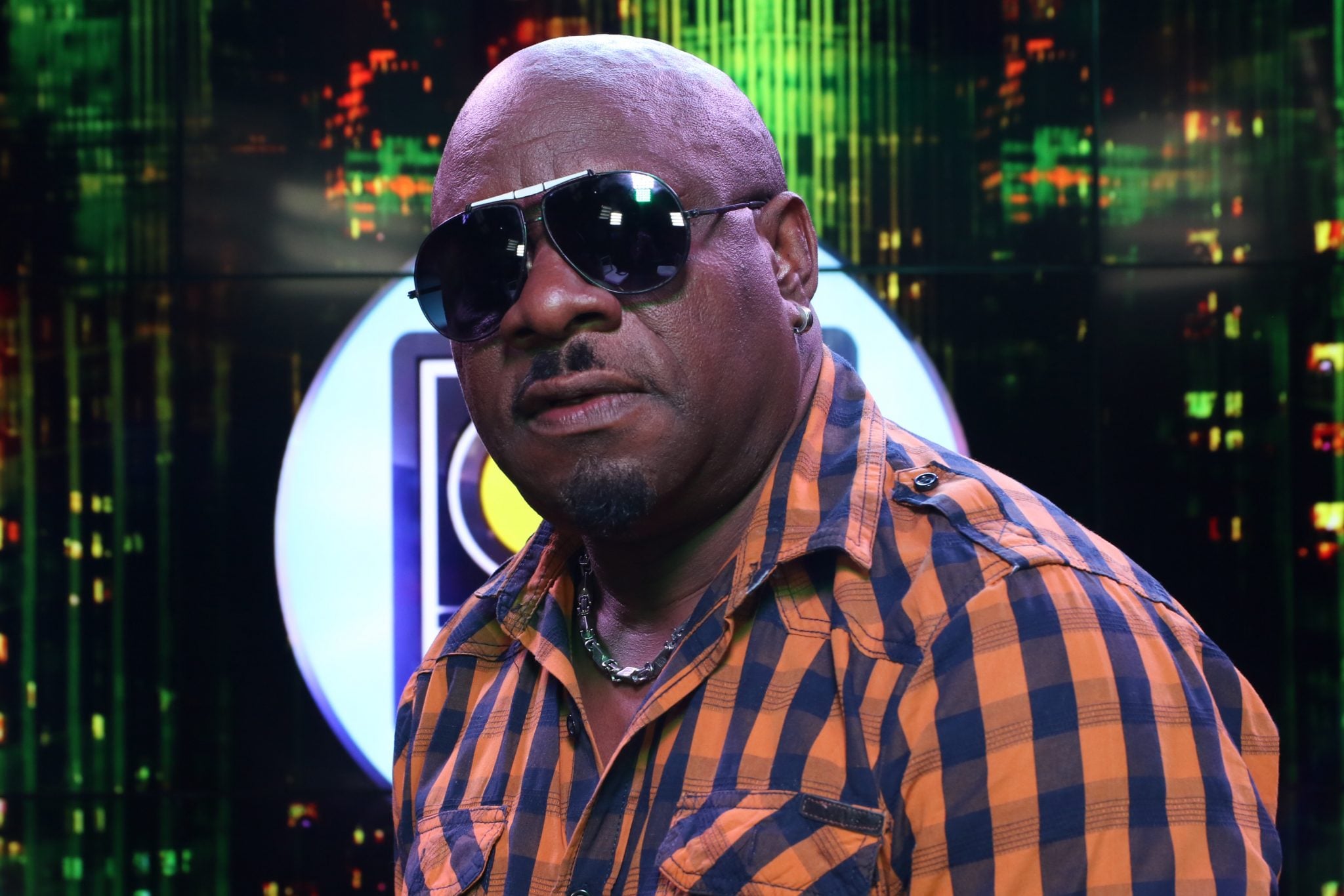
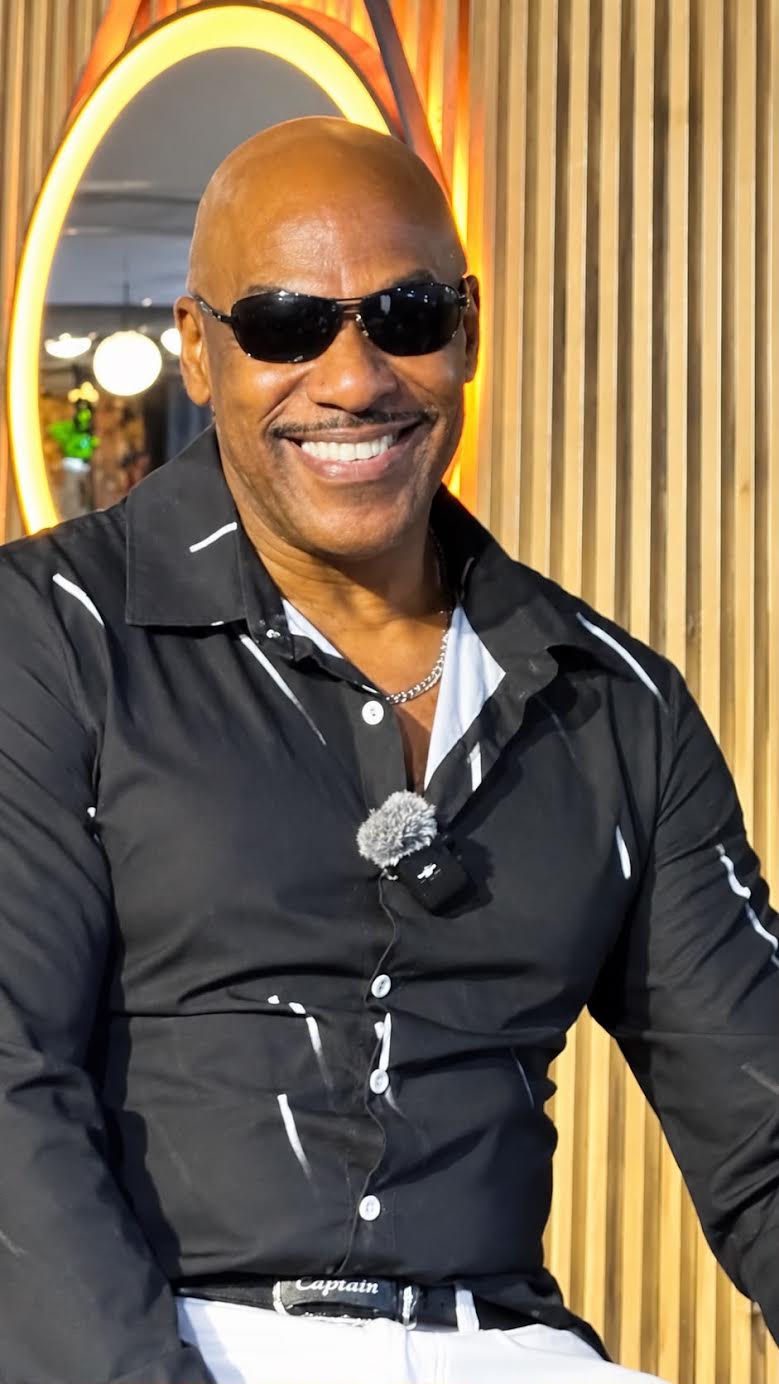
T.O.K. itself has acknowledged the complicated legacy of Chi Chi Man. In 2023, member Roshaun “Bay-C” Clarke described the song as both a “gift and a curse” and said the group had decided to remove it from live performances because it offended some fans.
Conrad’s version now adds an extraordinary twist to that legacy.
The 25-year-old singer-songwriter, who first made millions of people laugh on Vine when he was a preteen, entered the music industry as a fresh-faced R&B artist., Born in Tampa, Florida, he was raised by a single Jamaican-born mother. His aunt was an evangelist and she would take him to sing in church and for church events. He first gained popularity on the social network Vine, where he made his first Vine in 2014 and would later amass over 1 million followers. Vine is also where he first connected with singer Kehlani, who he considers a friend and big sister.
Following in the footsteps of the artists he grew up listening to such as Brandy, Musiq Soulchild and Usher. His first official EP “Colorway” (2021) and the slew of bite-size projects that followed were melodic and honest meditations on love, lust, queer identity and simply having a good time. Now he is flipping the dancehall world on its ear with his bold interpretation of ‘Chi Chi’.
More than two decades after the original made gay men the object of its hostility, CHI CHI hands the hook to a queer Jamaican-American artiste who wears it with humour, swagger and complete creative control.
The rhythm remains familiar. The power has changed hands.