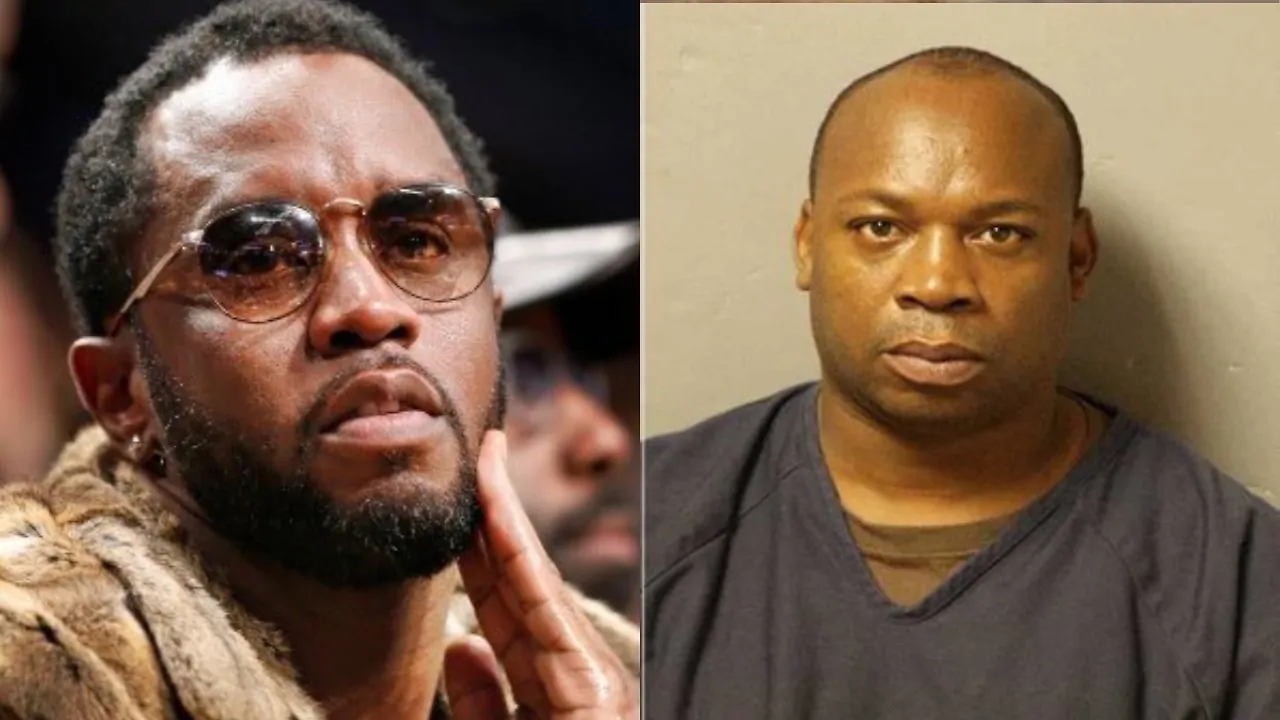
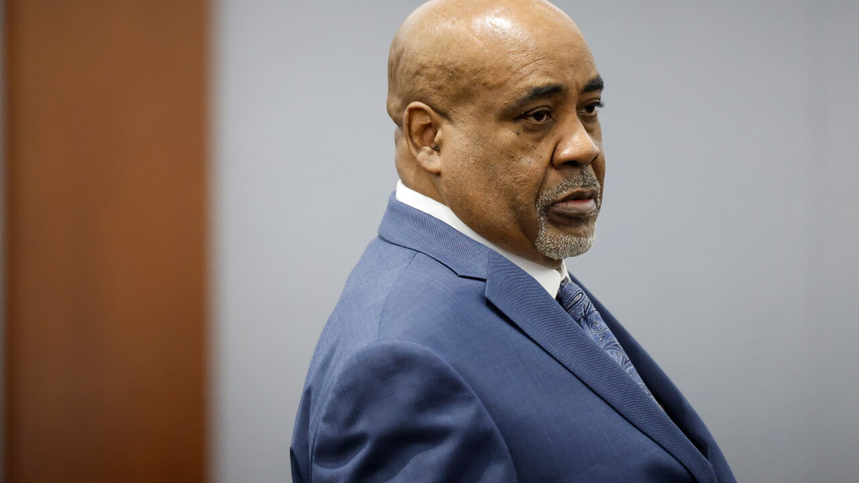

The jury took less than three hours. After nearly thirty years of one of rap’s most haunting unsolved cases, Duane “Keefe D” Davis was found guilty of first-degree murder on Monday, August 31st, 2026, for orchestrating the 1996 killing of Tupac Shakur.
Davis, now 63, didn’t pull the trigger himself. Prosecutors built their case around his role as the “shot caller” of the Southside Compton Crips, the man who planned the drive-by shooting near the Las Vegas Strip that took Tupac’s life on September 7, 1996.
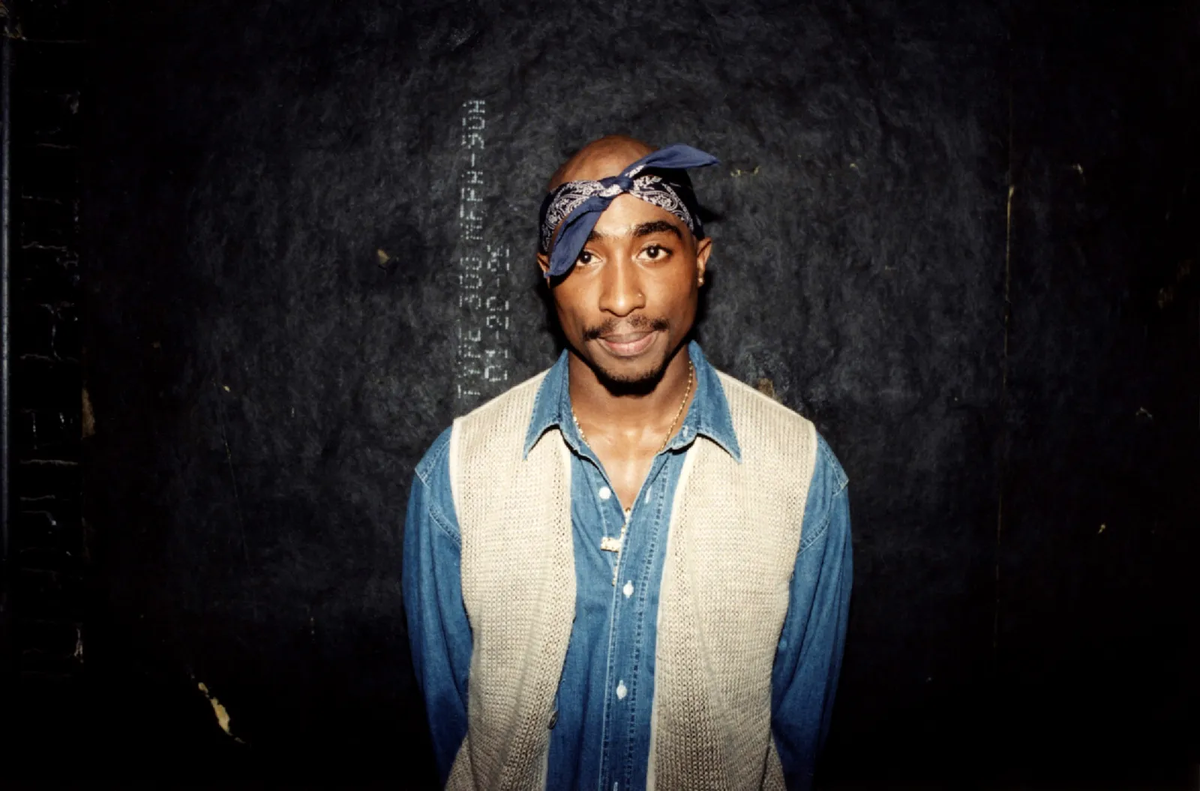
Prosecutor Binu Palal framed the case around a single, focused narrative. Davis obtained a gun, organized what the prosecution called a “hunting party,” and armed the shooter, all in retaliation for a brawl at the MGM Grand earlier that evening involving Orlando Anderson, Davis’s own nephew.
What made this case unusual is how much of the evidence came from Davis himself. Over more than a decade, he gave statements to federal law enforcement in 2008 and then detailed his alleged role in his 2019 memoir, “Compton Street Legend,” which prosecutors used as a central piece of their argument.
Palal told the jury that Davis had admitted his role to “anybody who would listen,” making his own words the prosecution’s most damaging exhibit.
Prosecutor Marc DiGiacomo went further, calling the overall case a “slam dunk” and arguing there should be zero doubt about Davis’s involvement.
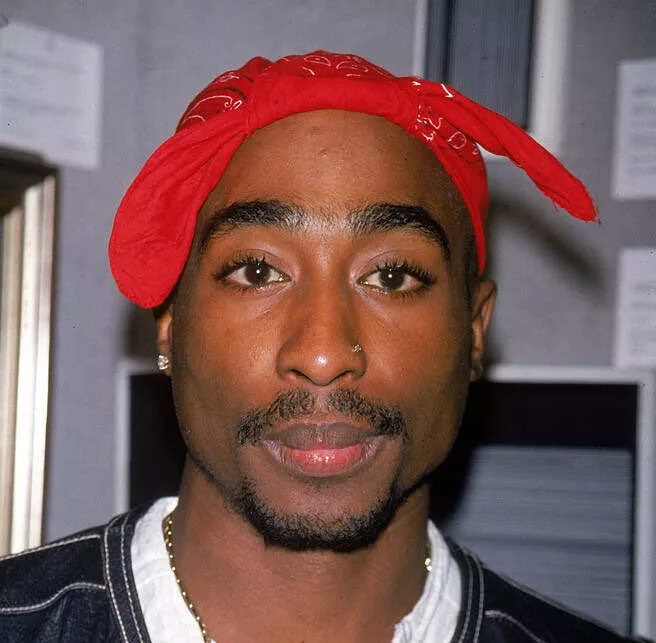
The defense pushed back hard on that framing. Attorney Michael Sanft argued that the memoir was pure braggadocio, the kind of street-legend embellishment designed to sell books, not a genuine confession to murder.
Sanft also pointed to the lack of physical evidence placing Davis inside the white Cadillac during the actual shooting.
The defense leaned on inconsistencies across Davis’s various accounts over the years, arguing the story kept shifting in ways that should raise reasonable doubt.
The jury disagreed, and they disagreed quickly. The speed of the verdict, under three hours for a nearly thirty-year-old case, suggests the panel found the combination of circumstantial evidence and Davis’s own repeated statements more than enough to convict.
Palal had made clear to jurors that the prosecution didn’t even need Davis’s confessions to establish guilt. Before Davis ever opened his mouth publicly, the evidence already pointed to his leadership of the Southside Crips, his connection to the men in that car, and the gang rivalry with Death Row Records that fueled the whole confrontation.
The trial also pulled back the curtain on what happened after Tupac died. The shooting triggered a ten-day gang war in Compton between the South Side Crips and Mob Piru, leaving three people dead and ten more wounded in attempted murders.
Davis sat silent throughout the proceedings, choosing not to testify in his own defense. He now faces life in prison without the possibility of parole, with sentencing still ahead.
For Tupac’s fans and family, the verdict closes a chapter that many had given up on ever seeing resolved. For others watching the case, questions about who else may have known, planned, or enabled the killing that night in Las Vegas have not gone anywhere.