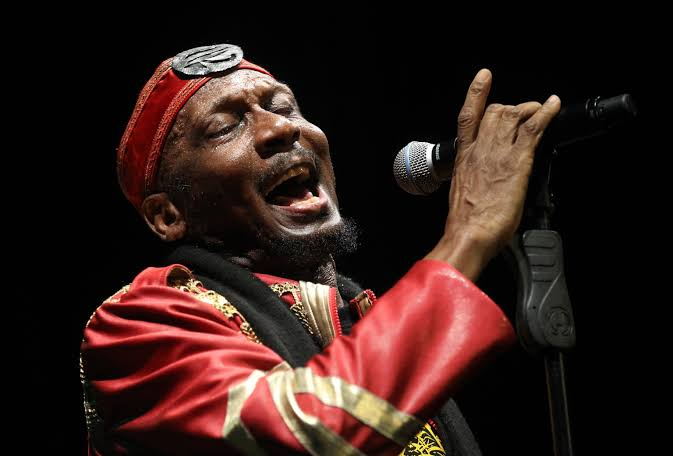

Jimmy Cliff net worth at the time of his death in November 2025 is estimated by multiple financial outlets at between $5 million and $15 million, with the most frequently cited mid-range figures clustering around $10 million.
The wide spread reflects the inherent difficulty of valuing a six-decade catalog of recordings, ongoing film licensing, and publishing rights rather than any public financial disclosure.
This reference page collects all available estimates, details every income stream, and will be updated as estate valuations become clearer.
Who Was Jimmy Cliff?
Jimmy Cliff was born James Chambers on July 30, 1944, in Somerton, Saint James, Jamaica, and died on November 24, 2025. He was a Jamaican singer and songwriter who was instrumental in introducing reggae to an international audience, largely through his performance in the landmark film The Harder They Come (1972).
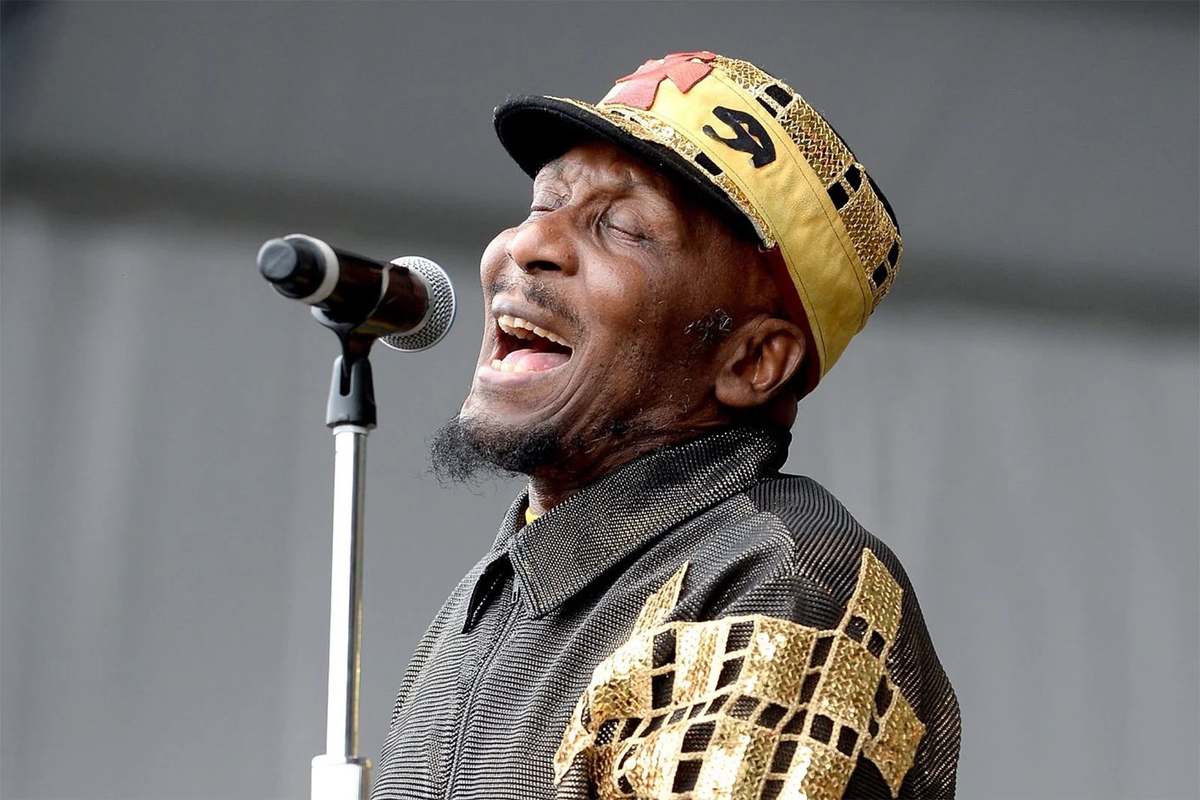
Performing in the ska, rocksteady, reggae, and soul genres, Jimmy Cliff is known for such hit songs as “Many Rivers to Cross,” “The Harder They Come,” “Reggae Night,” and his covers of “Wild World” and “I Can See Clearly Now.”
Tragically, on November 24, 2025, the world lost this icon at age 81 following a seizure and pneumonia, as confirmed by his wife, Latifa Chambers.
Jimmy Cliff Net Worth: What the Estimates Show
Because Cliff never made a public financial disclosure, every figure in circulation is an estimate. The table below presents the range found across reputable financial and entertainment outlets as of 2026.
| Source | Estimate |
| Celebrity Net Worth | $5 million (at death, Nov 2025) |
| Reality Tea | $6 million (at death, Nov 2025) |
| Finance Monthly | $10 million to $15 million (at death) |
| Business Upturn | $5 million to $10 million (consensus range) |
| ProCapitas | ~$10 million |
Jimmy Cliff was a Jamaican singer, musician, and actor who had a net worth of $5 million at the time of his death in November 2025, according to Celebrity Net Worth.
At the higher end, Finance Monthly estimated his net worth at $10 to $15 million at the time of his death, with his wealth coming from decades of royalties, worldwide touring, soundtrack licensing, and partial ownership of his master recordings.
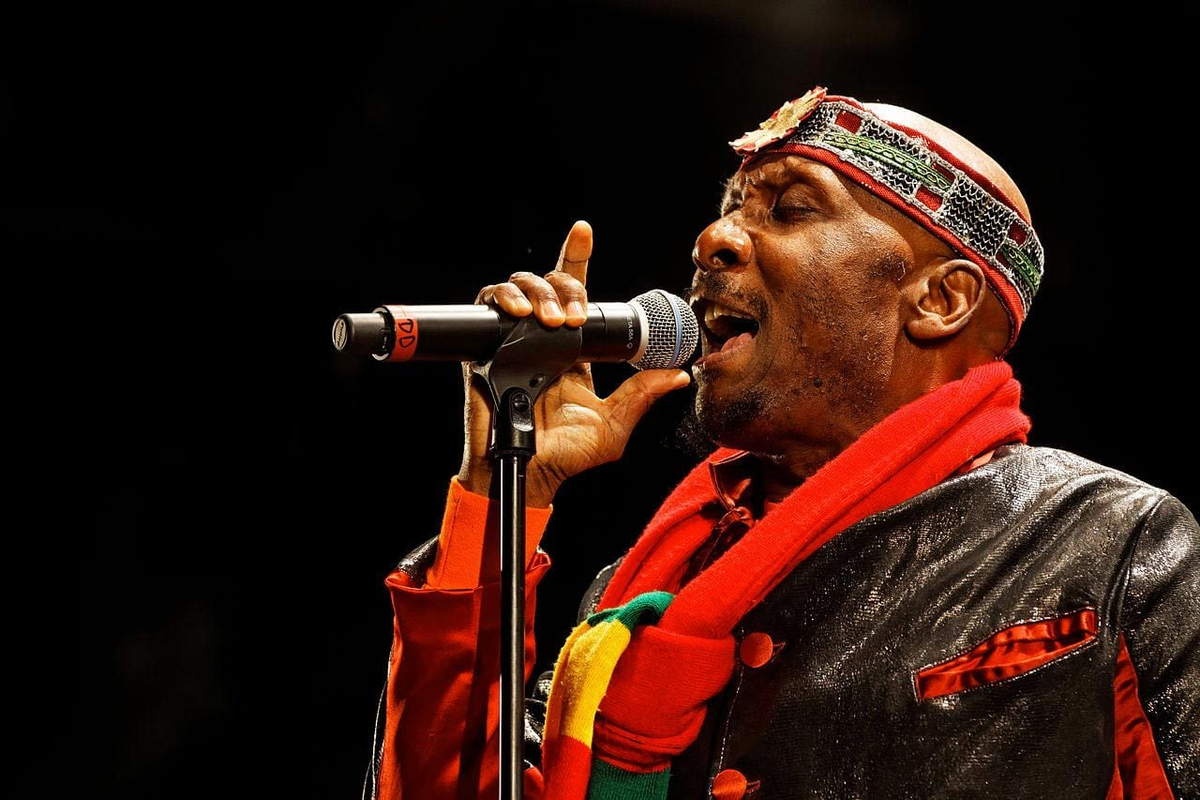
Given the range across outlets, it is fair to conclude that Jimmy Cliff’s net worth around 2025 lay approximately between $5 million and $10 million on the conservative side. It is important to note that these are estimates rather than audited disclosures.
The higher figures cited elsewhere likely factor in projected estate earnings and catalog appreciation following his death, which is a standard upward revision applied to deceased artists.
How Jimmy Cliff Built His Wealth
Jimmy Cliff’s net worth at the time of his passing was estimated to be in the range of $5 million to $18 million.
This wide range reflects the complexity of calculating the wealth of a musician whose career spanned over six decades and included income from diverse sources, including decades of album sales, streaming revenue, and publishing rights from his extensive catalog of original songs and popular covers.
Jimmy Cliff retained ownership rights to portions of his catalog, including several of his most valuable recordings.
By maintaining control over these masters, he secured long-term royalty income from streaming, radio play, licensing, and soundtrack placements.
Cliff reportedly earned over $1 million annually in licensing income in his later years, according to industry royalty trackers and PRO data, which became the financial anchor of his estate.
Cliff’s career took off with his first hit, “Hurricane Hattie,” at just fourteen, and he later gained international recognition with the 1972 film The Harder They Come, for which he not only starred but also co-produced a highly influential soundtrack. This album played a crucial role in popularizing reggae music globally.
The Library of Congress placed The Harder They Come into the National Recording Registry in 2021. That designation of cultural and historical significance reinforces the commercial durability of the soundtrack.
Following his death, his songs have surged across global playlists, especially tracks from The Harder They Come soundtrack.
One of Cliff’s most lucrative single placements came three decades into his career. His version of “I Can See Clearly Now” for the motion picture soundtrack of Cool Runnings peaked at No. 18 on the US Billboard Hot 100 in 1993. Internationally, the song reached No. 1 in France, Iceland, and New Zealand.
It was Cliff’s first single to make the Hot 100 in 25 years, and is his highest-charting single in the United States. The commercial revival that single produced opened renewed licensing and publishing revenue streams that benefited his estate for years afterward.
Grammy recognition translated directly into elevated catalog sales and licensing leverage. Jimmy Cliff won two Grammy Awards: Cliff Hanger (1985) and Rebirth (2012) were named best reggae recording and best reggae album, respectively.
His 2012 Rebirth project with producer Tim Armstrong brought him renewed critical attention and a Grammy win, while later releases like Refugees (2022) showed he remained politically and culturally engaged.
A lifetime of worldwide touring remained a major source of income throughout his later years. Jimmy Cliff continued performing into his later life, appearing at major festivals and international events.
His collaborations with renowned artists such as Kool & The Gang, The Rolling Stones, and Sting greatly expanded his reach and revenue, with joint projects and tours allowing him to tap into diverse fan bases, contributing to his wealth through concert tours and music festivals.
As an actor, he starred in the films The Harder They Come and Club Paradise. His involvement in films like Club Paradise and Marked for Death further added to his financial portfolio, with both acting roles and contributions to soundtracks providing additional income.
Significant earnings also came from the enduring success of The Harder They Come and the massive commercial hit of “I Can See Clearly Now” from Cool Runnings.
Early Life and Career: The Foundation of His Fortune
Born James Chambers on July 30, 1944, in the Somerton District of St. James, Jamaica, Cliff’s journey from a hurricane-ravaged childhood to global stardom is the stuff of legend.
While still in high school, Cliff unsuccessfully sought out various producers to get his songs recorded. Finally, he got the attention of reggae producer Leslie Kong and recorded his first local hit, “Hurricane Hattie.”
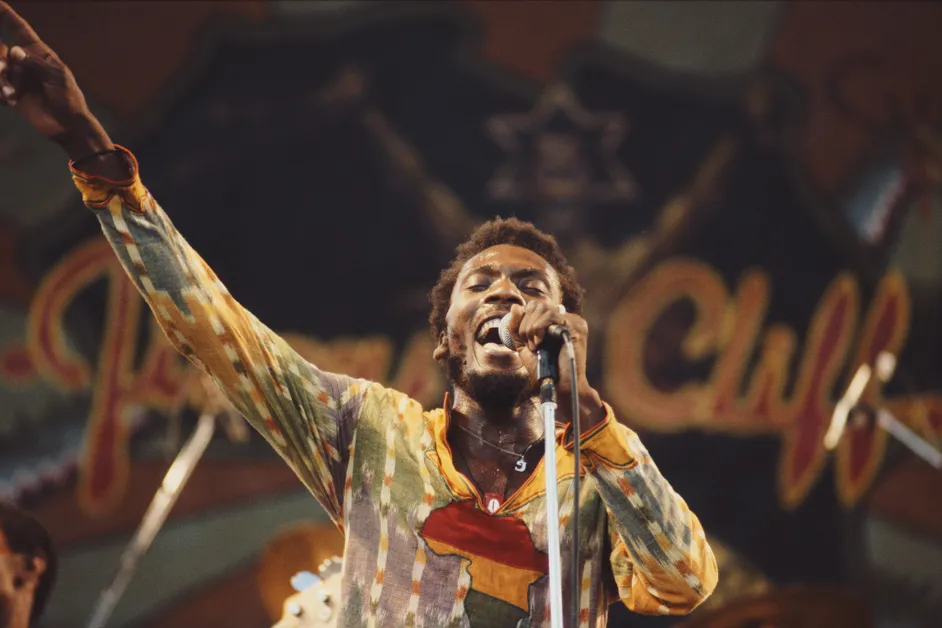
Between 1962 and 1967, Cliff produced multiple hit ska tunes with Kong’s help, growing so popular that he was selected as one of Jamaica’s representatives at the 1964 World’s Fair.
In 1967, he signed on with Island Records. The label initially tried to market his sounds to rock audiences, which did not completely work, but still yielded interesting results, and Cliff released his first internationally distributed album, Hard Road to Travel, in 1967.
During the 1981 River Tour, Bruce Springsteen and the E Street Band added Cliff’s previously little-known song “Trapped” to their live set; it achieved great prominence when included on the 1985 We Are the World benefit album.
That exposure introduced Cliff’s songwriting to millions of new listeners and significantly increased his publishing income.
Awards, Honours, and Their Impact on Commercial Value
Recognition at the highest institutional levels directly raised the market value of Cliff’s catalog throughout his career.
Cliff’s accolades include receiving the Jamaican Order of Merit in 2003, and seven years later, he was inducted into the Rock and Roll Hall of Fame.
More precisely, on October 20, 2003, Cliff was awarded the Order of Merit, the nation’s third-highest honour, in recognition of his contributions to film and music in Jamaica.
Cliff was one of five performers inducted into the Rock and Roll Hall of Fame in 2010. He was one of only two Jamaicans in the Hall of Fame, the other being Bob Marley. He was also nominated seven times for the Grammy Awards, winning twice.
The Estate in 2026: What Happens Next
His catalog continues to generate income for his estate. Jimmy Cliff is survived by his wife, Latifa Chambers, and their children, including Lilty and Aken.
His estate is now overseen by his wife, Latifa Chambers, and their children. His catalog is expected to continue earning royalties through streaming, film usage, and global licensing.
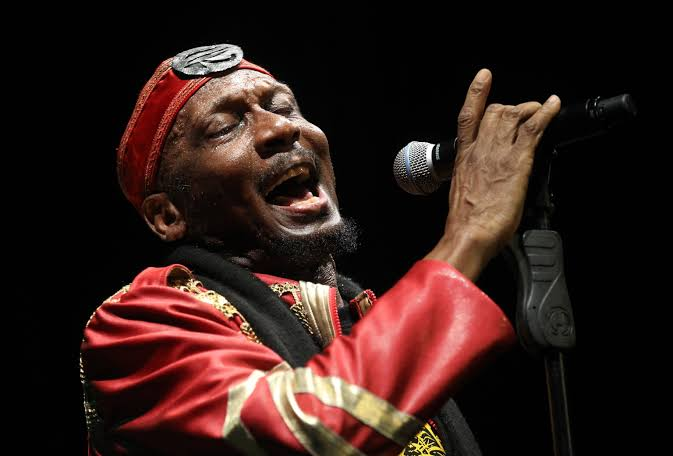
Catalogs often rise in value after an artist’s death, so his estate is likely to see increased revenue in the coming years.
As fans revisit his life and recordings, Jimmy Cliff’s financial and artistic legacy remains a powerful case study in how timeless music, backed by ownership and strategic licensing, can provide both emotional resonance and long-term economic security.
Key Facts at a Glance
| Category | Detail |
| Full Name | James Chambers |
| Born | July 30, 1944, St. James, Jamaica |
| Died | November 24, 2025, aged 81 |
| Net Worth (estimated at death) | $5 million to $15 million (range across sources) |
| Primary Income Sources | Music royalties, touring, film licensing, catalog ownership |
| Grammy Awards | 2 wins (Cliff Hanger, 1985; Rebirth, 2012) |
| Grammy Nominations | 7 |
| Rock and Roll Hall of Fame | Inducted 2010 |
| Jamaican Order of Merit | Awarded 2003 |
| Highest US Chart Position | No. 18, Billboard Hot 100 (“I Can See Clearly Now,” 1993/1994) |
| Survived by | Wife Latifa Chambers; children Lilty, Aken, and Nabiyah Be |
Editorial Note on Net Worth Figures
The figures cited across financial websites for Jimmy Cliff net worth vary significantly, from $5 million to $18 million, because no authoritative public disclosure of his finances exists. It is important to note that these are estimates rather than audited disclosures.
This article presents the full range with attribution rather than stating a single number as fact. The mid-range consensus of approximately $10 million, cited by outlets including Finance Monthly and ProCapitas, is the most frequently corroborated figure, but readers should treat all estimates accordingly. This page will be updated as estate proceedings or official disclosures provide more reliable data.