
The most striking detail to come out of the Keefe D trial is not the charge itself, but what allegedly almost happened 15 years before the arrest.
A retired Las Vegas detective took the stand and told jurors he was ready to arrest Duane “Keefe D” Davis for Tupac Shakur’s murder back in 2009, only to be shut down before he could act on it.
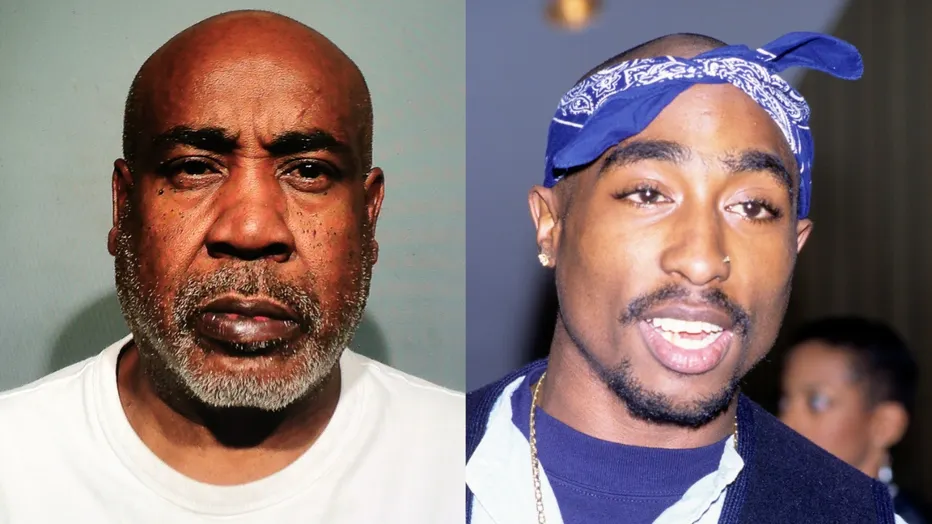
That detective, Dan Long, investigated Tupac’s murder from 2004 to 2017 and spoke with Keefe in Los Angeles in 2009.
His plan after that interview was direct: drive back to Las Vegas, file an arrest warrant, clear it with the district attorney, and take Keefe into custody for murder. The district attorney reportedly said no.
Long’s testimony also revealed a significant gap in what he knew at the time. He said he was unaware that Keefe’s cooperation with LA police, Compton police, the DEA, and the FBI stemmed from a protected proffer agreement tied to a separate major drug case.
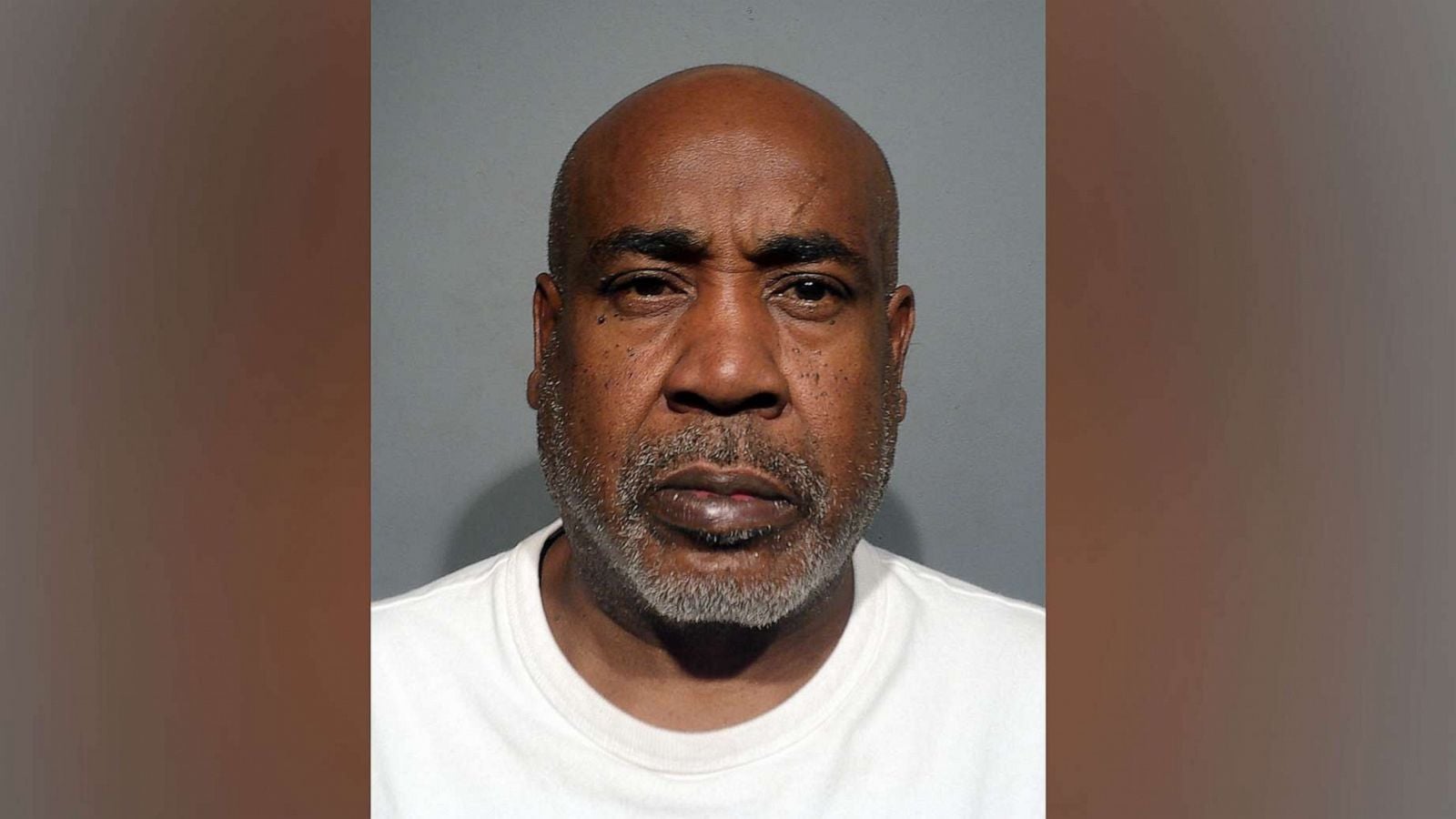
That distinction matters enormously, because it changes the legal weight of everything Keefe said during those interviews.
I was told that Duane Davis was arrested on a drug, a major drug case, and he was facing the rest of his life in prison,” Long said on the stand. “And he was trying to work that case off.”
He believed Keefe was simply trying to reduce his drug sentence, not that his statements carried any formal legal protection from prosecution.
Jurors were not passive during Long’s testimony. Reports from journalist Meghann Cuniff indicate they expressed visible skepticism through their questions to him, which adds another layer of uncertainty to how his account will factor into deliberations.
Long also acknowledged that corroborating the specific details Keefe provided proved difficult, which complicated any path to prosecution across those years.
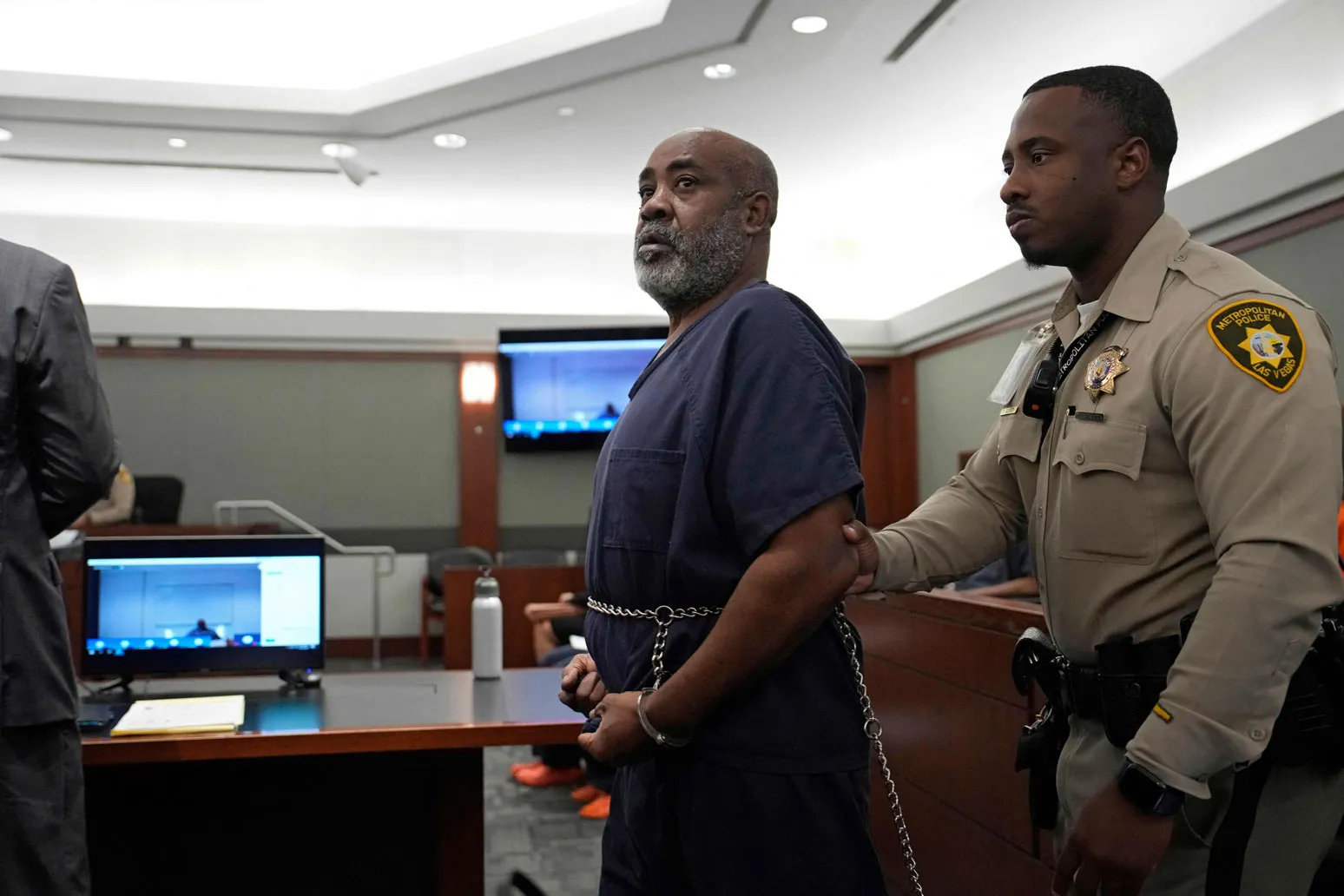
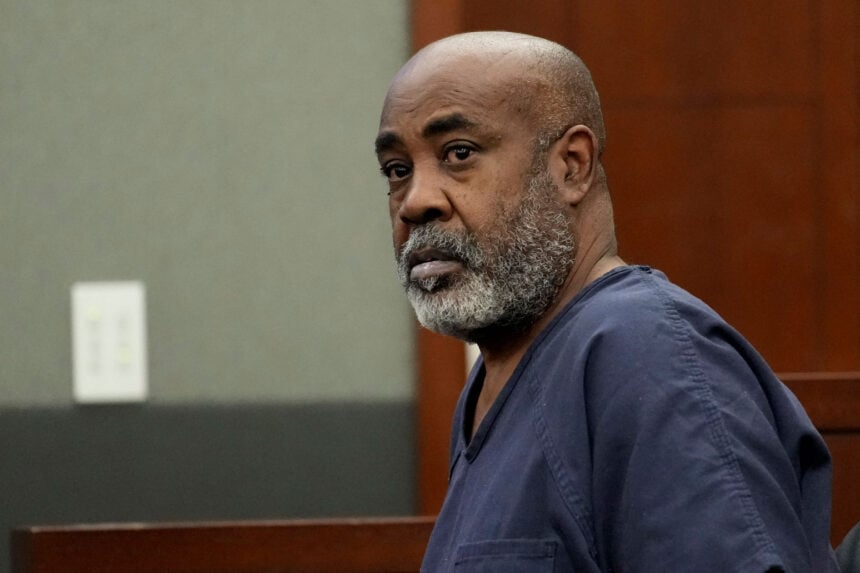
The gap between 2009 and the eventual 2023 arrest is one of the more debated threads in this entire case. Keefe was finally taken into custody in September 2023, nearly 27 years after Tupac was shot in Las Vegas on September 7, 1996. He has been behind bars for close to three years now while the legal process has played out.
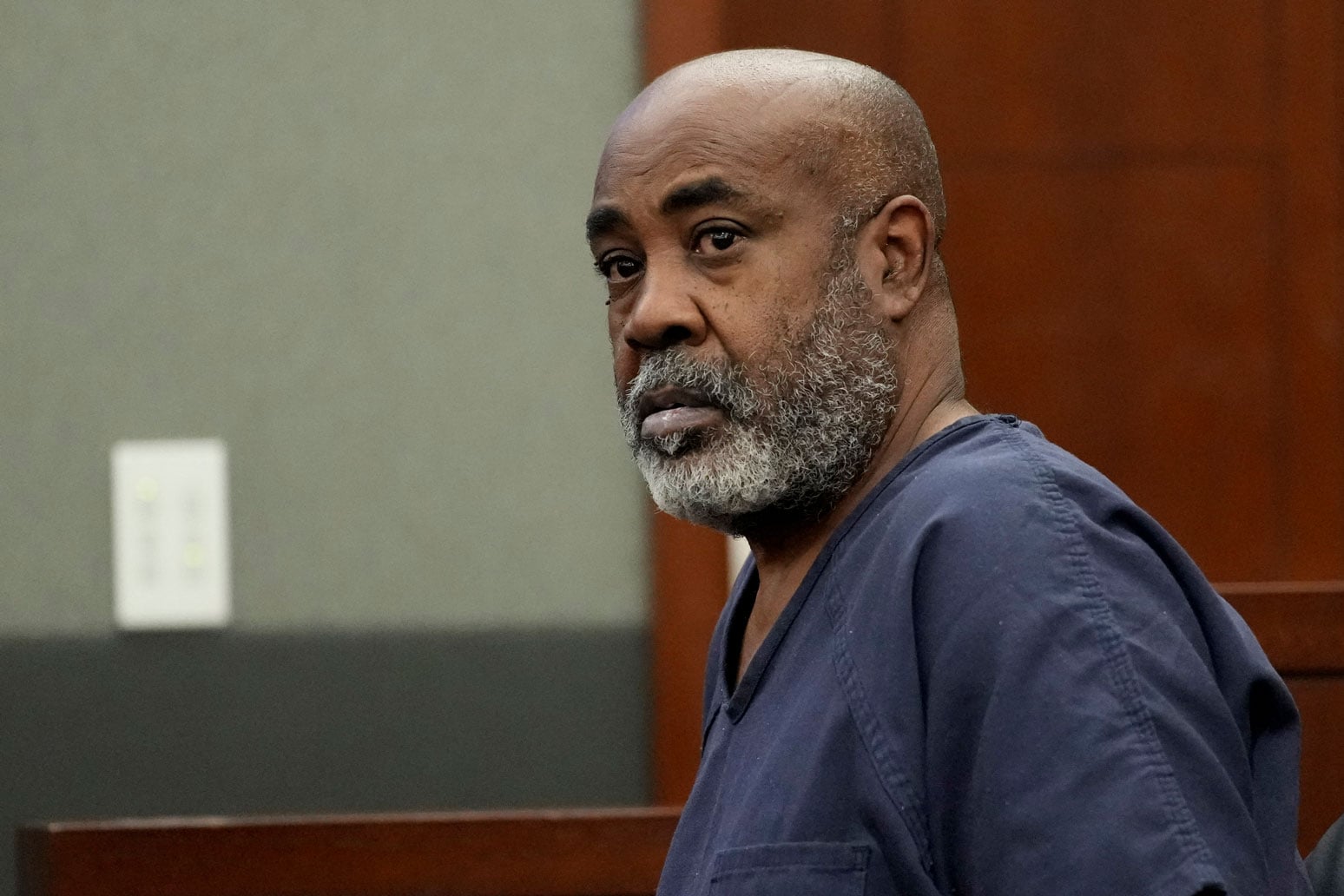
Both sides have rested, and closing arguments followed by jury deliberation are scheduled for next week.
Whatever Long’s testimony ultimately means to the jury, the image of a detective sitting on a completed case, warrant ready, and being told to stand down is the kind of detail that tends to stick.
The question of who made that call in 2009, and why, has not been fully answered in open court.