
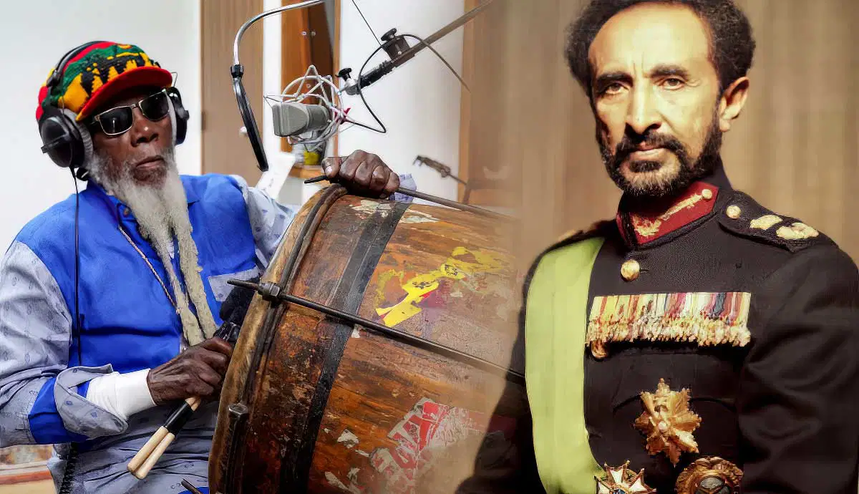

Rastafari beliefs sit at the intersection of African identity, biblical prophecy, and radical resistance to colonial power.
Far more than a religion, Rastafari represents a worldview that integrates spirituality, cultural expression, political consciousness, and a strong connection to African heritage.
For the millions around the world who encounter it first through the pulse of a reggae bassline, understanding its theological and historical foundations reveals a movement of striking intellectual depth.
This guide traces those foundations from Jamaica in the 1930s to the global stages of the twenty-first century.
The Origins of Rastafari: Jamaica in the 1930s
Rastafari developed in Jamaica in the 1930s, after the crowning of Haile Selassie I, the Ethiopian emperor.
Early followers of Rastafari extolled the belief that Selassie was the Second Coming of Christ and had arrived to redeem all Black people.
To understand why that coronation ignited a spiritual revolution in the Caribbean, one must first understand the social terrain. Rastafari can be seen as a response to the history of slavery, colonialism, and imperialism.
The early Rastafari preachers vehemently rejected white colonial society and European Protestantism as oppressive.
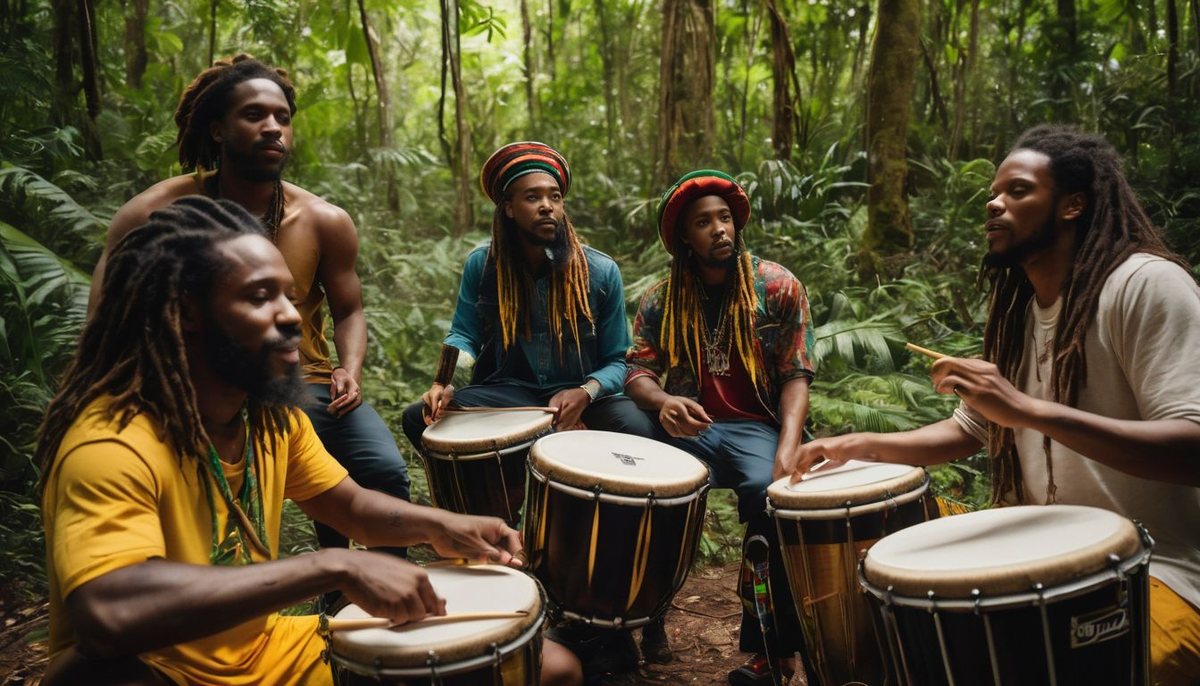
Rastafari began as a religious protest against the social order under colonialism that enslaved and subjugated black people of African ancestry.
The roots of Rastafarianism can be traced to the 18th century, when Ethiopianism and other movements that emphasized an idealized Africa began to take hold among Black slaves in the Americas.
That long current of Ethiopianist thought ran directly into the pan-African politics of the early twentieth century.
The political inspiration for Rastafari came from Marcus Garvey (1887-1940), an advocate of Black nationalism and the founder of the United Negro Improvement Association (UNIA).
A Jamaican, he found his most welcoming audiences in the United States for his message of economic and political advancement of Africans “at home and abroad.” He used the term “African” to mean not only those in Africa, but also the African diaspora of slaves in the Americas.
Marcus Garvey, an Afrocentric, Black political activist, prophesied in 1927 that the Black race would be liberated soon after a Black king was crowned in Africa. That prophecy would find its apparent fulfillment almost immediately.
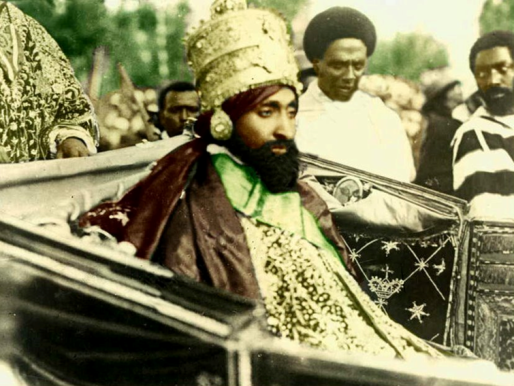
On November 2, 1930, Ras Tafari Makonnen was crowned Emperor Haile Selassie I of Ethiopia. At the time of Haile Selassie’s coronation as emperor in 1930, he was the only non-European ruler of an independent state in an Africa still dominated by imperialism.
His ascent to the throne was seen as an important event throughout the world, especially, but not only, to people of African origin; he was the first Black person to appear on the cover of Time magazine, on November 3, 1930.
Selassie was crowned in 1930, and four Jamaican ministers independently declared the Emperor their savior. The name of the tradition comes from the personal name of Ethiopian Emperor Haile Selassie (Ras Tafari), one of the only independent Black leaders in Africa at the time.
In Amharic, “ras” means “head” and is an Ethiopian title equivalent to prince or chief; the given name Tafari means “one who is revered.”
Rising from the proliferation of Ethiopianism and Pan-Africanism, Rastafarianism took root in Jamaica following the coronation of Ethiopian Emperor Haile Selassie I in 1930.
A spiritual movement based on the belief in Selassie’s divinity, its followers congregated around preachers like Leonard Howell, who founded the first prominent Rastafarian community in 1940.
Howell, often regarded as the first Rastafarian leader, established the Ethiopian Salvation Society and later founded the Pinnacle commune in Jamaica, where he and his followers sought to live independently from colonial rule.
Early Rastafari came largely from poor, marginal communities in Jamaica, attracted by the movement’s message of hope, self-pride and redemption.
In the early years, Rastafari encountered strong disapproval and frequent hostility from the colonial authorities and mainstream Jamaican society for their uncompromising anti-establishment social and political beliefs.
Core Rastafari Beliefs
Rastafari beliefs are based on a specific interpretation of the Bible. Central to the religion is a monotheistic belief in a single God, referred to as Jah, who is deemed to partially reside within each individual.
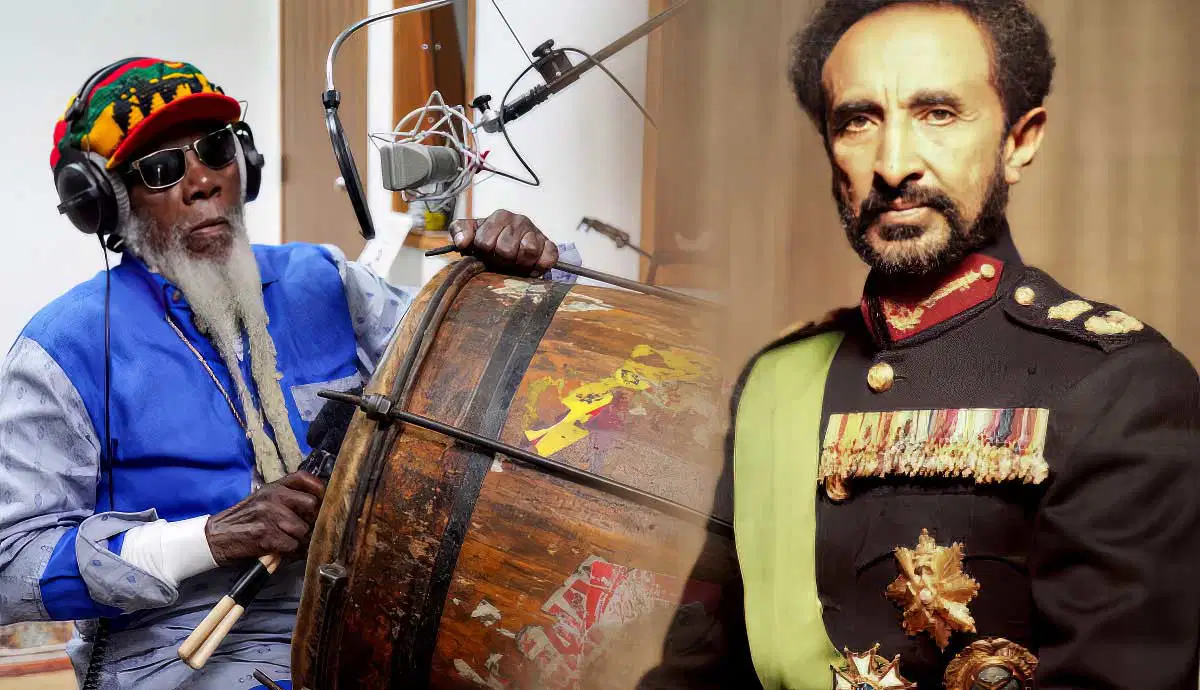
Rastas accord key importance to Haile Selassie, the emperor of Ethiopia between 1930 and 1974; many regard him as the Second Coming of Jesus and Jah incarnate, while others see him as a human prophet who fully recognised Jah’s presence in every individual.
Rastas believe Jah is the name of God, a shortened form of Yahweh. Rastas accept the existence of a single triune God, called Jah, who has incarnated on earth several times, including in the form of Jesus.
They accept much of the Bible, although they believe that its message has been corrupted over time by Babylon, which is commonly identified with Western, white culture.
Specifically, they accept the prophecies in the Book of Revelations concerning the second coming of the Messiah, which they believe has already occurred in the form of Selassie.
Rastas see the Bible as a key religious text but believe it has been altered and mistranslated by Western powers to suppress Black identity.
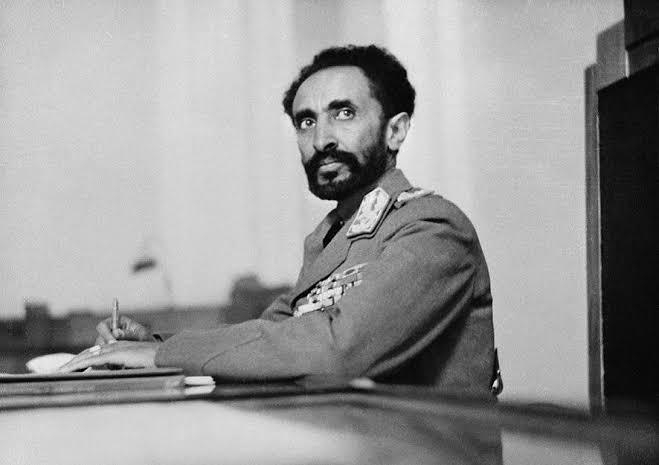
The Ethiopian King, Haile Selassie I (1892-1975), is identified by Rastas as the messiah, the Second Coming of Jesus Christ and the redeemer of God’s chosen people.
Dating back to its origins in the 1930s as a direct outgrowth of the intermixture of Christian millennialism and the pan-African ideology of Marcus Garvey, the nascent Rastafari movement believed that the Ethiopian emperor Haile Selassie I (1892-1974), a direct descendant of King Solomon and the Queen of Sheba, was God incarnate.
Rastafarians believe that they are being tested by Jah through slavery and the existence of economic injustice and racial “downpression” (rather than oppression). They await their deliverance from captivity and their return to Zion, the symbolic name for Africa drawn from the biblical tradition.
One of the movement’s most philosophically distinctive contributions is its emphasis on the divine residing inside every person.
The concept of “divinity within” is perhaps the most fundamental tenet of the Rastafari movement. It emphasizes that everyone possesses an inner spiritual essence: inherently divine. The doctrine of theosis, a belief where God and man become one, is a dogma of the Orthodox Church which is also found in the tenets of Rastafari.
Rastas believe that through union with Jah, the God-fearing dread becomes who he truly is but never was; a process of self-discovery made possible only through the repentance of one’s sins.
Central to Rastafari belief is the concept of Babylon, representing oppressive Western systems characterized by materialism, racism, and exploitation. In contrast, Zion symbolizes Africa, spiritual freedom, and divine justice.
The overall Rastafarian worldview places itself between two theological and ideological poles: Zion and Babylon.
This dichotomy is inextricably tied to Rastafari’s anti-colonial origins. “Babylon” has a highly negative connotation, referring to European-dominated institutions which have historically oppressed Africans. These institutions sometimes include the government, scientific institutions, and big businesses.
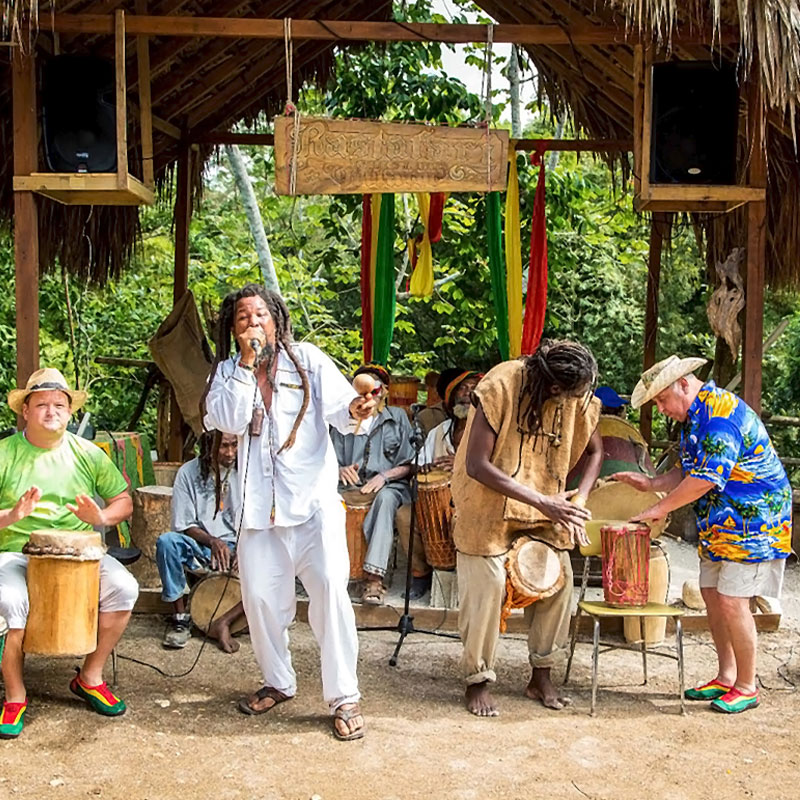
For Rastafarians, the journey from Babylon to Zion is both physical and spiritual. It symbolizes liberation from oppression and the realization of a utopian society where justice, equality, and African pride prevail. Zion serves as a beacon of hope and a focal point for their spiritual and cultural aspirations.
Rastafari incorporates Afrocentric spirituality, drawing inspiration from African religious traditions, including elements of Ethiopian Coptic Christianity, Nyabinghi chants, and other African rituals.
By embracing these spiritual practices, Rastafarians reconnect with their African roots and honor the spiritual beliefs of their ancestors.
The Rastafari movement argues that reparations and repatriations are crucial to restoring relations between the formerly colonized and their colonizers.
Rastas also strongly favor self-determination, based on the fact that both Jamaica and much of Africa were European colonies at the time of the religion’s formation.
Selassie himself stated that Rastas should liberate their people in Jamaica before returning to Ethiopia, a policy commonly described as “liberation before repatriation.”
Rastafari Practices and Livity
If one concept defines daily Rastafari life, it is livity. Perhaps no Rastafarian idea is more important to the lives of ordinary Rastas than livity.
This term, created by the earliest Rastas, encompasses the central cultural practices of Rastafari. Rastas view their culture as more than merely a religious identity; it is fundamentally a way of life.
That lived practice is often called livity: the way you carry yourself, the choices you make, the discipline you keep, and the kind of energy you bring into the world.
Livity includes the obvious things people notice, like dreadlocks or ital food, but it goes deeper than appearance. It speaks to truth-telling, self-respect, sexual ethics, family responsibility, and a commitment to uplift the poor and oppressed.
In Rastafari philosophy, livity can be enhanced by intense prayer and meditation, adherence to an ital diet, and perhaps most importantly, loving behavior toward others.
This expression of love for others is done in recognition of a central love energy within all people, a concept often referred to as “One Love.”
Ital comes from the dread talk word for “vital.” It is based on livity: an energy granted by God (Jah), flowing through all people and living things.
Those who eat ital avoid processed foods and meat, considered “dead” food, because it lacks the livity so fundamental to Rasta spirituality.
Most expressions of the ital diet include adherence to a strict vegetarian diet. This is based in part on the belief that since meat is dead, eating it would therefore work against livity elevation.
It is also practiced because as adherents to natural living, Rastafarians often believe the human being is a natural vegetarian based on human physiology and anatomy.
Rastafari who strictly adhere to the rules of ital are mostly booze-free, as too much alcohol decreases livity, and salt-free, as salt, at least the synthetic kind, is deeply tied to colonialism.
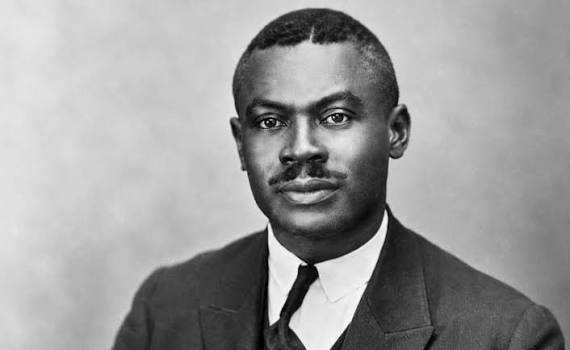
Rastafari’s founder, Leonard Howell, though not of Indian descent, was fascinated with Hindu practices and was instrumental in promoting a plant-based diet in the Rastafari community of Pinnacle.
Both male and female Rastas refrain from cutting their hair, following a literal interpretation of Leviticus 19:27. Because of this, dreadlocks might be the most recognizable Rastafarian custom to non-members.
For many Rastafari, locks are a covenant: an outward sign of an inward commitment. They can be connected to the Nazarite vow in the Bible, to the Lion’s mane as natural strength, and to the rejection of Babylon’s beauty standards.
Locks can also be a discipline: patience, cleanliness, humility, and the willingness to be judged by society without losing your center.
Rastas typically wear their hair in dreadlocks to celebrate the strength of Black hair, and because cutting one’s hair, thus tampering with the body’s natural state, impedes livity.
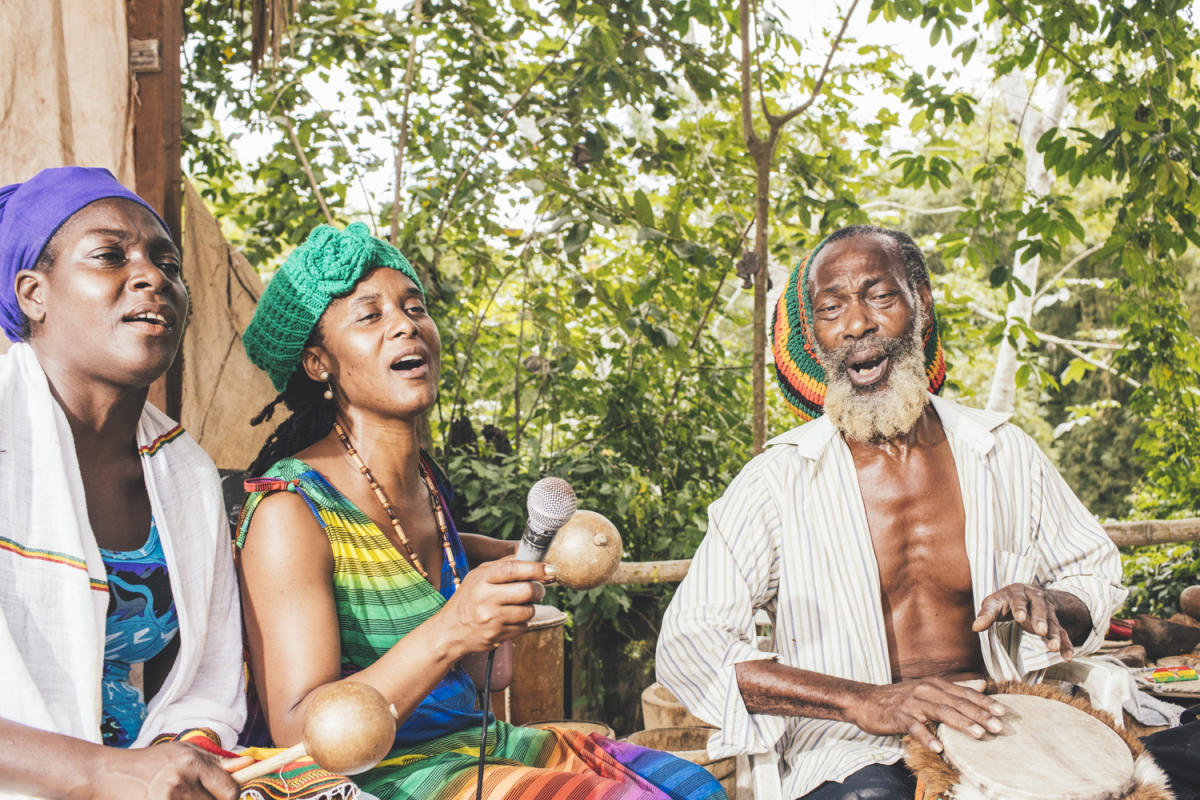
Importantly, not every Rasta wears locks, and not everyone with locks is Rastafari. Some grow locks for fashion, music culture, or personal identity. Rastafari livity is bigger than hair.
Many Rastafarians adopt the Ethiopian Royal Standard, a flag from Haile Selassie’s era. This banner features the red, gold, and green colors alongside the Lion of Judah, an emblem of Ethiopia’s monarchy.
The colors red, gold, and green are significant; red symbolizes the blood of martyrs, gold the wealth of Africa, and green its lush vegetation.
Ganja is a strain of marijuana viewed by Rastas as a spiritual purifier, and it is smoked to cleanse the body and open the mind. Smoking ganja is common but not required.
Communal gatherings, called “groundations,” feature music, chanting, discussions, and cannabis smoking, which Rastas regard as a sacrament.
Rasta communities created their own dialect of English, “dread talk,” as another means to resist the language of their colonizers. Rastafari culture includes distinctive linguistic patterns, often referred to as Iyaric, which emphasize unity and positivity.
The deliberate reworking of English vocabulary, including replacing the word “oppression” with “downpression,” is a linguistic assertion that the dominant language itself carries embedded bias.
The Mansions of Rastafari
Unlike the Catholic Church or other major religions, Rastafari does not have a hierarchical structure. There is no supreme governing Rastafarian body.
As a result, the Rastafari movement does have its divisions. Rastafari is divided into “mansions,” a term derived from the King James Version of the Gospel of John.
There are many Rastafarian mansions, but three of these have large followings: the Nyabinghi, the Bobo Ashanti, and the Twelve Tribes of Israel.
The Nyahbinghi is the oldest and most traditional sect, emphasizing strict adherence to Haile Selassie as the messiah and rejecting Babylonian influences.
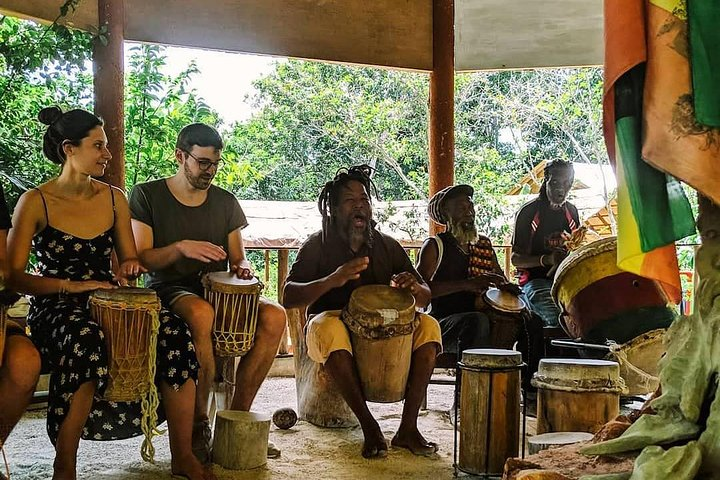
Bobo Ashanti are known for their rigid moral code; they emphasize priestly duties, the wearing of turbans, and separation from mainstream society.
The Twelve Tribes of Israel is the most liberal sect, allowing diverse beliefs regarding Haile Selassie’s divinity and advocating for individual Bible study.
Not all Rastas tie their cultural identities to a particular mansion. Instead, many follow an individualized practice of Rastafari.
Rastafari and Reggae: An Inseparable Bond
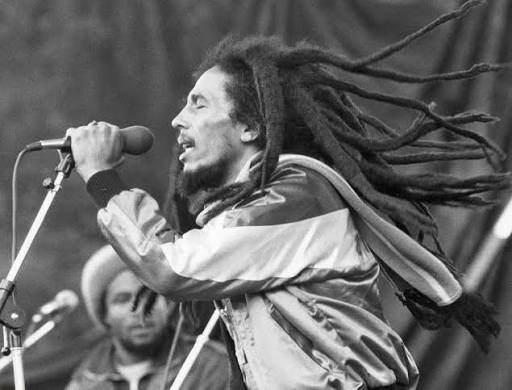
No account of Rastafari beliefs is complete without examining the music that carried them to the world. Rastafari’s biggest cultural impact has, arguably, been reggae music, which grew out of the movement and was made popular throughout the world by the Jamaican singer and songwriter Bob Marley.
Rasta reggae music is a genre deeply rooted in the cultural and spiritual movement known as Rastafari. It encompasses the rhythmic and melodic expressions of Jamaican music infused with the philosophies, beliefs, and ideals of Rastafari.
Rasta reggae music emerged in the late 1960s and early 1970s, gaining international recognition through the iconic voices of artists like Bob Marley, Peter Tosh, and Burning Spear.
Marley’s legions of fans worldwide are often unaware that reggae was a revolutionary music that emerged from the suffering of Jamaica’s poor masses in the island’s “concrete jungles.
Meanwhile, the Rastafari community was the target of police harassment and public alienation for decades, both during and after British colonial rule.
Since the late 1950s, reggae became the reigning musical genre within Jamaica’s popular music scene, and was increasingly identified with the burgeoning Rasta population working in allegiance with the country’s poor blacks in order to galvanize themselves into a full-blown social movement.
In response to this upstart challenge, the postcolonial Jamaican government banned reggae from the nation’s airwaves for being politically controversial.
Born in 1945 in the rural hills of Nine Mile, Saint Ann, Jamaica, Marley rose from humble beginnings to become the most iconic figure in reggae history and the most visible voice of the Rastafari movement.
From the formation of The Wailers in 1963 to his untimely passing in 1981, Marley used music as a tool for awakening, healing, and activism. His lyrics channeled the struggles of the oppressed, while his melodies carried the soul of Jamaica to the world stage.
Bob Marley’s spiritual journey into Rastafari was transformative, not only for him but for the world that listened.
Under the mentorship of figures like Mortimer Planno, Marley delved deep into the Rastafari faith, which became the cornerstone of his musical messages.
Marley took reggae beyond borders by blending its rhythms with powerful lyrics rooted in Rastafarianism, a faith that reveres Ethiopian Emperor Haile Selassie I as divine and calls for a return to African roots, liberation from oppression, and the rejection of materialism.
One of Marley’s most enduring legacies is his album “Exodus,” released in 1977, which solidified his status as a world music superstar.
Marley’s life was cut short by cancer at the age of 36, yet the theology woven through his catalog continued to introduce Rastafari beliefs to audiences across every continent.
Reggae’s Role in Spreading Rastafari Beliefs
Rasta reggae music plays a significant role in celebrating and preserving cultural identity, particularly African consciousness. Rastafarians embrace their African heritage and strive to reconnect with their ancestral roots.
Rasta reggae music incorporates African rhythms, instruments, and languages, infusing the genre with a distinct African flavor. The lyrics often emphasize the importance of cultural pride, African history, and the struggle against colonialism and cultural erasure.
The reggae music boom of the 1970s played a key role in Rastafari’s international expansion. Beyond Marley, Jimmy Cliff gained international fame as the star of the movie The Harder They Come (1972).
A major cultural force in the worldwide spread of reggae, this Jamaican-made film told how the music became a voice for the poor and dispossessed. Other popular reggae performers included Black Uhuru, Burning Spear, Dennis Brown, and Gregory Isaacs.
Global Reach and Contemporary Presence
Additional branches of Rastafari surfaced by the 1950s, and within two decades the movement had earned global attention thanks to the music of devoted Rastafarian Bob Marley.
Although the deaths of Selassie in 1975 and Marley in 1981 took away its most influential figures, Rastafarianism endures through followings in the United States, England, Africa and the Caribbean.
Although originating in Jamaica, Rastafari has spread worldwide, particularly to North America, the United Kingdom, and Africa. The movement gained traction in Africa, especially in Ethiopia and Ghana, where it resonated with Pan-African ideals.
Estimates of the movement’s global following are not uniform. A Jamaican census in 2011 counted 29,000 individuals who identified themselves as Rastafari, about 5 percent of the total population of the island. Some experts estimate that there are approximately one million Rastas around the world, most of them Jamaican emigrants.
Other sources place that number slightly lower; there are an estimated 700,000 to one million Rastafari across the world, reflecting the inherent difficulty of counting a decentralized, non-institutional movement.
Rastafari’s beliefs and principles have had a significant impact on various aspects of global culture, including music, art, literature, and social movements.
Rastafarian culture has given rise to some of the most iconic figures in music, art, and literature, and its impact continues to be felt today.
Despite the challenges of cultural appropriation and misinterpretation, Rastafarian identity remains a source of pride for many.
Common Misconceptions
Rastafari is often misunderstood and subject to misinterpretations and stereotypes. By gaining a deeper understanding of its beliefs, one can move beyond misconceptions and gain insights into the profound spiritual and philosophical foundation of Rastafari.
The reduction of Rastafari to dreadlocks, ganja, and reggae music misses the movement’s intellectual and theological seriousness. There is much more to Rastas’ faith than music and marijuana.
It is important to note that Rastas themselves do not like to use the term “Rastafarian” to describe their beliefs, preferring simply “Rastafari” as both noun and adjective.
Some Rastas are separatists, but many believe in encouraging mutual cooperation among all races. While the vast majority of Rastas are Black, there is no formal injunction against the practice by non-Blacks, and many Rastas welcome a multi-ethnic Rastafari movement.
The movement is also sometimes incorrectly treated as monolithic. Rastafari is not one single church with one single rulebook, and different mansions and houses of reasoning hold different disciplines.
Why Rastafari Beliefs Still Matter
Rastafari emerged from one of the most marginalized communities of the twentieth century and constructed, through scripture, music, diet, and collective memory, a comprehensive counter-culture with global resonance.
It is a spiritual and cultural movement born in Jamaica, shaped by Black struggle, guided by scripture, and held together by a commitment to dignity.
Rastafari’s impact transcends the borders of Jamaica, spreading worldwide, largely through the global reach of reggae music and the international fame of Bob Marley. It is a movement that champions social justice, peace, and a return to a more natural way of living.
More than a religious belief system, Rastafari represents a worldview that integrates spirituality, cultural expression, political consciousness, and a strong connection to African heritage. Its influence extends beyond religion into music, art, language, and global social movements.
In 2026, with persistent global debates around systemic racism, repatriation, and environmental consciousness, many of the movement’s founding preoccupations feel as urgent as they did the morning Haile Selassie was crowned in Addis Ababa nearly a century ago.