
Dancehall is one of the most consequential musical inventions of the twentieth century. It is a form of Jamaican popular music that emerged from that country’s fertile and diverse music industry in the late 1970s.
At its core, dancehall centers on the deejay, who raps or “toasts” over a prerecorded rhythm track of bass guitar and drums.
That seductive chant, part talking and part singing, came to mainstream prominence in the late 1970s but dates from as early as 1969, when U-Roy experimented with talking over a riddim.
Decades later, the genre’s rhythmic logic underlies reggaeton, afroswing, and trap, making dancehall arguably the most globally influential genre to emerge from the Caribbean.
The Name and Its Origins
The musical style known as “dancehall” derives its name from the Jamaican dance hall, a cultural institution that has historically nurtured all major genres of that country’s recorded popular music.
The word refers specifically to the dance halls that hosted parties in Kingston and other inner-city neighborhoods of large cities in the 1950s and 1960s.
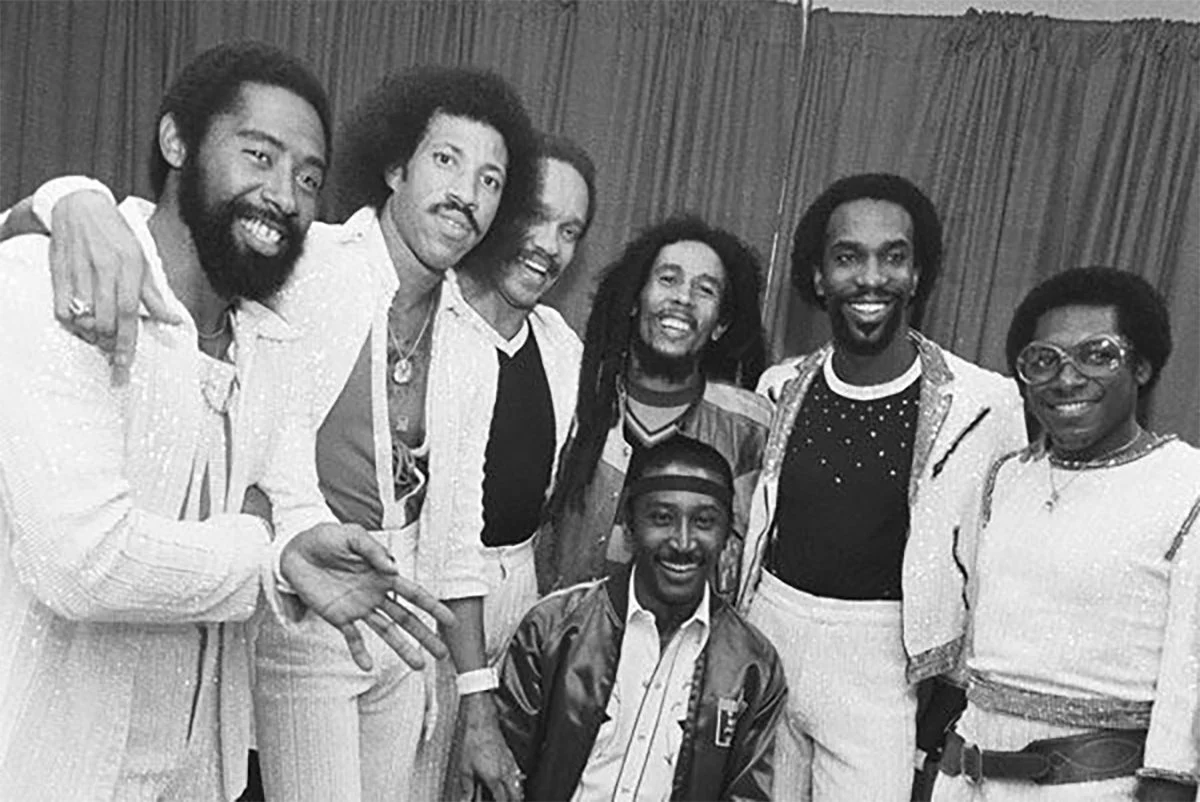
Those venues featured music played through local sound systems that included amplifiers, turntables, and prominent portable speakers controlled by a selector.
The audio systems played early varieties of Jamaican music, like rocksteady and ska, as well as R&B from the United States.
Dancehall’s roots lie within Jamaican sound system culture, where mobile discotheques provided access to music and entertainment in communities lacking conventional venues.
These early sound systems, often built with custom-modified amplifiers and speaker arrays, functioned as distributed audio networks, bypassing traditional broadcast media.
Named after the dancehalls that housed those local sound systems, the culture stretched from early operators like Coxsone’s Downbeat Sound System and King Tubby’s Hometown Hi-Fi, which featured MCs and a DJ, to crews like Gemini and Kilimanjaro, who evolved to feature live bands alongside their monstrous speaker arrays.
Dancehall vs. Reggae: Key Differences
Many listeners use “reggae” and “dancehall” interchangeably, but they describe related yet distinct genres. Initially, dancehall was a more sparse version of reggae than the roots style that had dominated much of the 1970s.
Where roots reggae was defined by Rastafarian spirituality, rich live instrumentation, and the global reach of artists like Bob Marley, dancehall borrowed the sinuous rhythms of reggae but replaced its spirited live musicians with prerecorded or digitally composed tracks built on pure, driving grooves, and it embraced lyrical content that celebrated earthly pleasures over the spiritual and mystical language of traditional roots reggae.
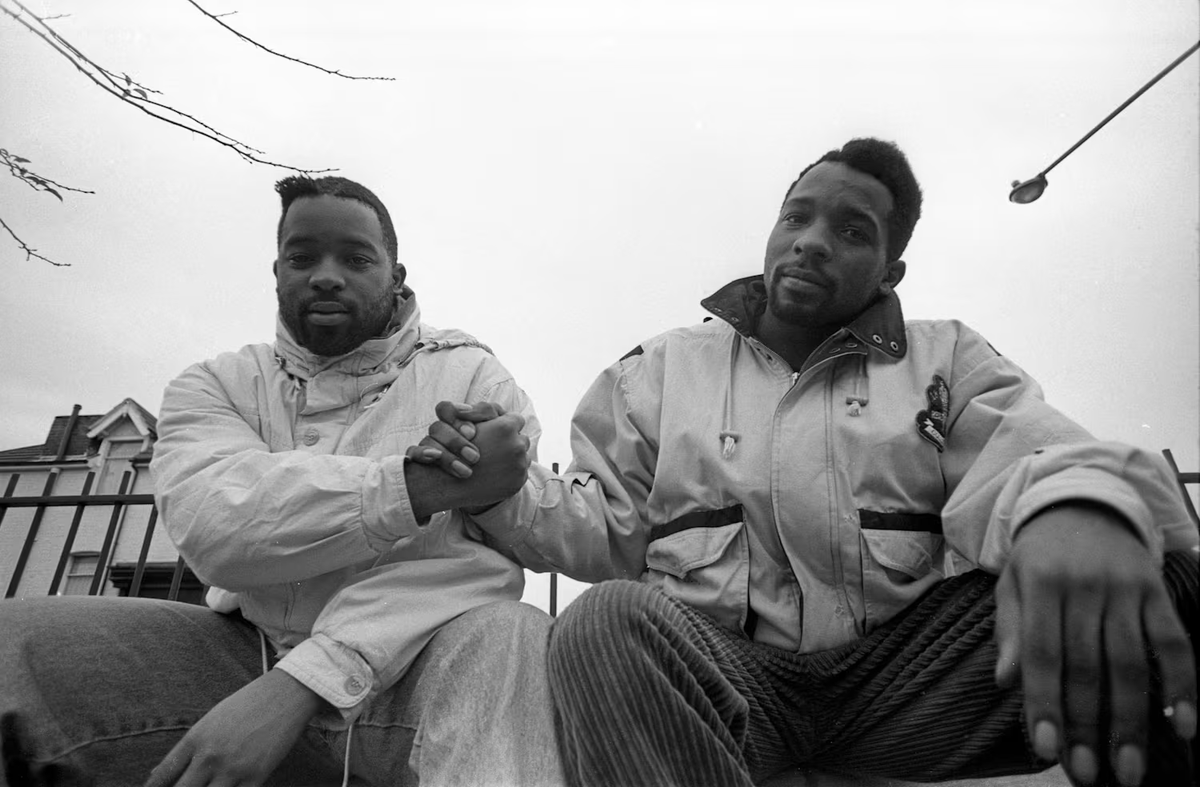
Dancehall music had its genesis in the political turbulence of the late 1970s and became Jamaica’s dominant music in the 1980s and 1990s.
In recent decades, dancehall music appears to have surpassed its predecessor, reggae, as Jamaica’s major cultural export.
How the Sound System Gave Birth to Toasting
The sound system is not merely a piece of equipment. It is a competitive social institution that directly produced the sonic language of dancehall.
The DJ’s role in a sound system was to create new lyrics for instrumental songs, called riddims, in a delivery style similar to rapping in hip-hop.
The contemporary roots of the dancehall movement are evident in the “toasting” records of disc jockeys produced during the roots reggae era of the 1970s.
DJ U-Roy revolutionized the practice with studio recordings of DJ voicings, as his recordings skyrocketed on the charts in Jamaica in the 1970s, leading to the beginning stages of dancehall.
This multimodal African diasporic style is also evident in the hip-hop music of North America, and the origins of both can be traced to West African performance modes.
The Riddim System: Dancehall’s Engine
No concept is more central to understanding what dancehall is than the riddim. The term “riddim” is the Jamaican patois spelling of “rhythm,” characterized by a movement or procedure with uniform or patterned recurrence of a beat or accent. In dancehall music, a deejay voices over this instrumental.
Built around riddims, the production process in dancehall works slightly differently than in other genres. In Jamaica, a producer makes one riddim and multiple dancehall deejays record atop that sound.
Dave Kelly of Madhouse Records, for example, made the 1995 “Joy Ride Riddim,” and its release featured iterations by 13 different artists, including Tanya Stephens, Lady Saw, Wayne Wonder, and Baby Cham. Any single artist could decide to record on multiple riddims and release up to four different records per month.
The riddim that anchored 1967’s “Real Rock” had appeared in more than 250 songs by 2006. That recycling is not laziness. It is the deliberate communal architecture of an entire industry.
The Digital Revolution: 1985 and the Sleng Teng Riddim
If one event crystallized what dancehall would become, it is the arrival of “Under Mi Sleng Teng” in 1985. The Sleng Teng riddim is widely recognized as the most transformative rhythm in the history of Jamaican music.
Introduced in 1985 through “Under Mi Sleng Teng” by Wayne Smith and produced by King Jammy, it marked a definitive shift from live instrumentation to computerized production.
The genesis of Sleng Teng can be traced back to a seemingly unconventional source: an unexpected gift of a consumer-grade Casiotone MT-40 keyboard to musician Noel Davey.
Davey and fellow musician Wayne Smith stumbled upon a game-changing “rock” bassline preset on the keyboard that would become the heartbeat of Sleng Teng.
The world first experienced the power of that riddim at a legendary sound clash between Jammy’s Sound System and Black Scorpio on February 23, 1985.
Jammy became an electronic producer overnight, and everyone else on the island did too, forever changing the way that music would be produced in Jamaica.
Sleng Teng opened the door for producers and musicians with limited access to traditional studios. All that was needed was a drum machine or keyboard, making it possible to produce dancehall riddims from small studios, or even bedrooms.
In the mid-1980s, digital instrumentation became more prevalent, changing the sound considerably, with digital dancehall becoming increasingly characterized by faster rhythms.
This era produced the subgenre widely known as ragga, where original compositions recorded on electronic equipment dominated dancehall in the 1980s and 1990s.
The Sound of Dancehall: Key Sonic Characteristics
Tempo and Rhythm
The riddim is the backbone of dancehall, typically characterized by a fast tempo, usually within the range of 130 to 140 BPM. These rhythms are frequently constructed using sampled or synthesized drum sounds, often featuring a prominent kick drum on the downbeat and snare or rimshot accents on the offbeat. The use of syncopation and polyrhythms creates the characteristic groove.
The Bassline
The bassline is a crucial element, often a synthesized sub-bass frequency that provides the foundation for the entire track.
The bass culture of Jamaican sonic sensibilities is characterized by less emphasis on melody and large emphasis on the drum beats and low-frequency bass vibrations.
Language and Lyrics
Dancehall is performed predominantly in Jamaican patois, the creole language spoken across the island. The lyrical content of dancehall was one of the primary ways the genre distinguished itself from roots reggae.
It replaced celebrations of Jah and political discussion with subjects that drew parallels to some hip-hop styles: an outlaw mentality and a focus on racy subject matter defined the majority of dancehall lyrics.
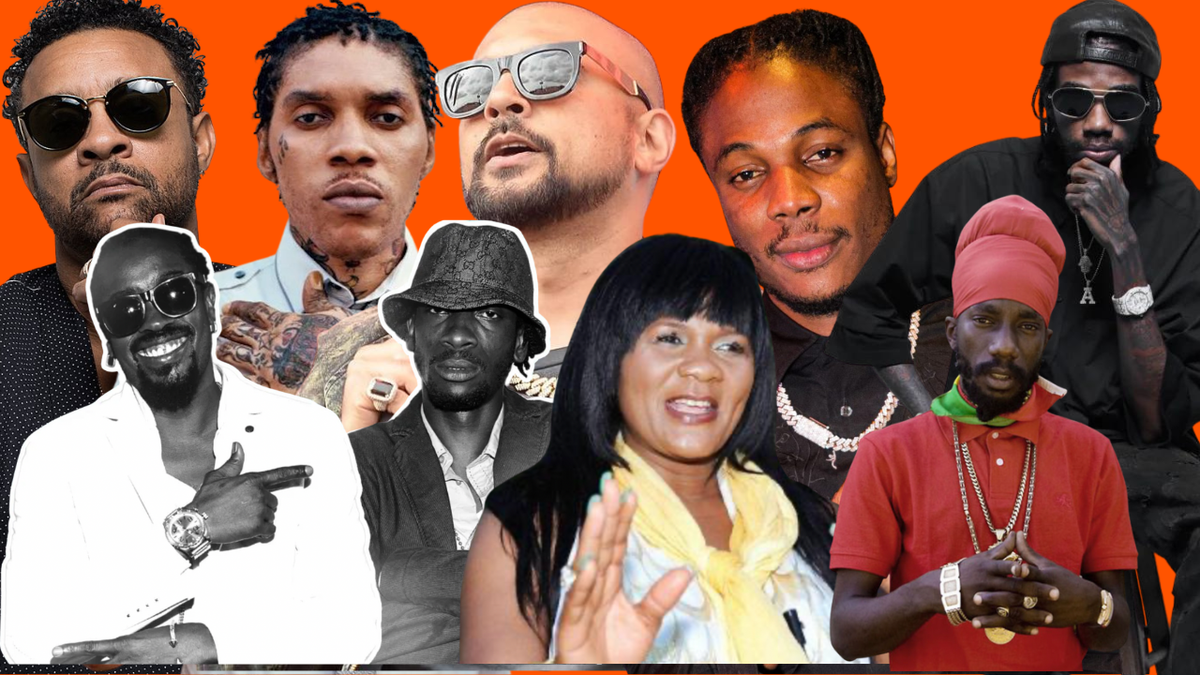
Lyrical traditions in dancehall include “slackness,” a term for explicit sexual content, and “culture,” which covers more conscious or political subject matter.
In addition to explicitly political lyrics in the early 1980s, Yellowman incorporated salacious lyrics that became widely known as “slackness,” a Jamaicanism for licentiousness, drawing on the raunchy tradition of mento, an earlier form of Jamaican dance music that barely disguised sexual discourse in metaphor, and on the spirit of Caribbean calypso.
Deejay Delivery
The deejay in dancehall is not a turntablist in the Western sense. The deejay is the vocalist, the chanter, the lyricist. The term “riddim,” derived from the Jamaican patois pronunciation of “rhythm,” originated in the island’s dub, reggae, and emerging dancehall traditions of the 1970s and 1980s, where it denoted a shared instrumental backing track designed for multiple vocalists or deejays to perform over during sound system sessions.
Dance Culture: The Movement Behind the Music
Dancehall is inseparable from its choreography. The popularity of dancehall has spawned dance moves that help to make parties and stage performances more energetic, and many dance moves seen in hip-hop videos are actually variations of dancehall dances.
Dancehall choreography and its African-inspired folk traditions emphasize earthly connection through flat-footed stamping and “bumper-grinding sexually explicit choreography, where the bass note is struck by the body itself.”
Named dances including the Bogle, Dutty Wine, Gully Creeper, and Tek Weh Yuhself have each migrated outward from Jamaican dance floors into global popular culture, carried by music videos, social media, and the diaspora.
Key Artists Who Shaped the Genre
The Pioneers
The rise of deejay Yellowman in the early 1980s marked the transition from mainstream reggae to dancehall in Jamaican nightclubs. Other foundational figures include Barrington Levy, Eek-A-Mouse, and Josey Wales, who defined the genre’s raw early sound.
Buju Banton is widely considered one of the most influential and well-regarded musicians in dancehall and Jamaican history, with singles dating back to 1987, and his second album, Mr. Mention (1992), went on to become the greatest-selling album in Jamaican history.
The Golden Era and Global Crossover
The 1990s and early 2000s brought dancehall to an international mass audience. Dancehall’s popularity grew beyond the borders of Jamaica, bringing worldwide attention to artists like Sean Paul, Beenie Man, and Lady Saw, while pop stars such as Drake and Rihanna earned their own hits with the dancehall sound.
Vybz Kartel and the Modern Era
No figure loomed larger over dancehall in the 2000s and 2010s than Vybz Kartel. His duet with Spice, “Ramping Shop,” reached No. 76 on Billboard’s Hot R&B/Hip-Hop Songs chart in 2009, marking both artists’ chart debut.
His crossover continued with 2010’s “Straight Jeans & Fitted” and “Clarks,” the latter a collaboration with Popcaan, Kartel’s most successful protege. In 2011, he became the first musician to receive an artist-specific ban from Guyanese radio.
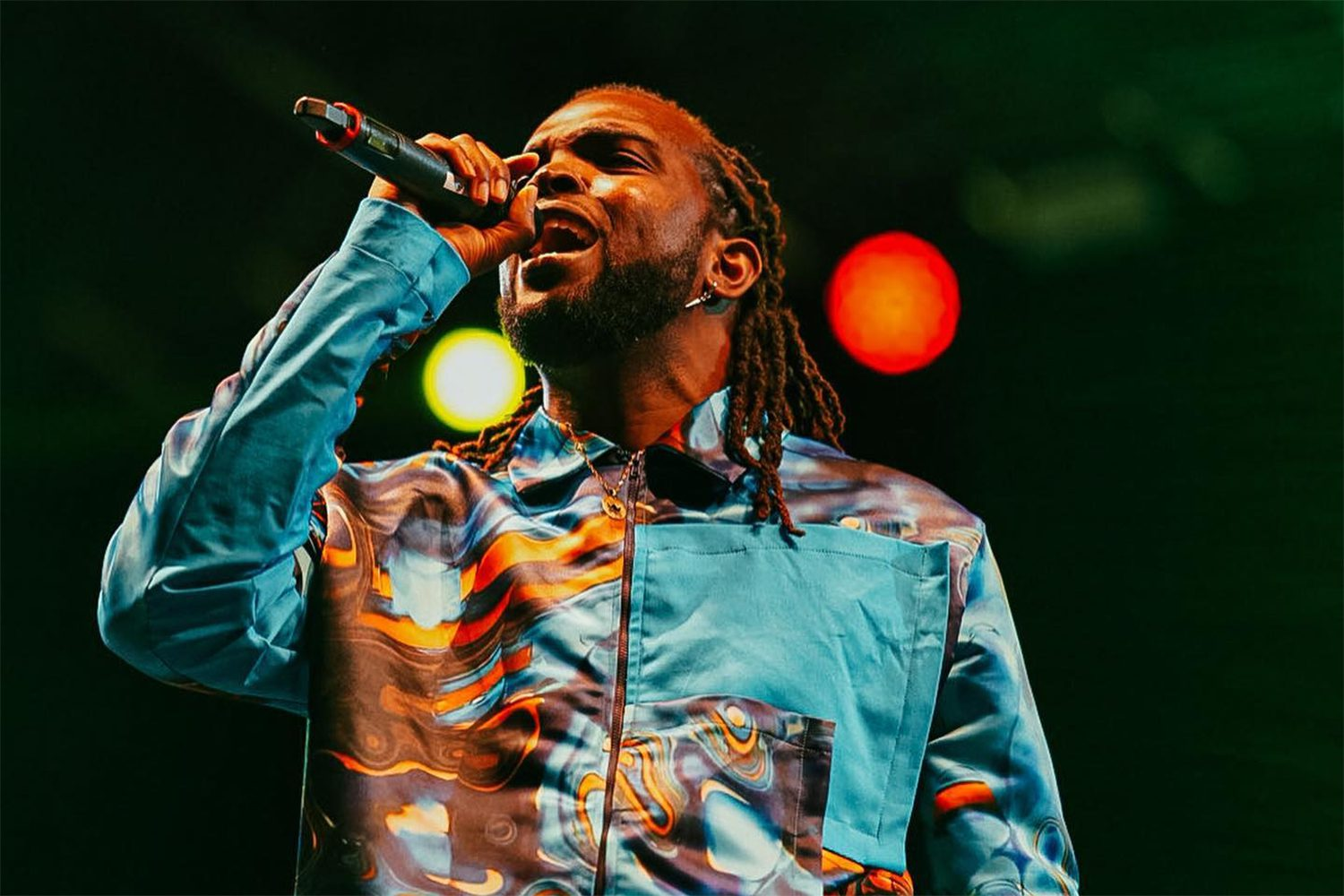
Popcaan, as a longtime member of the Gaza Empire collective, is essentially a continuation of Kartel’s legacy. While he has delivered a lion’s share of hits on his own, Drake’s cosign exposed him and his music to the world, and today many argue that he is the current crown holder for dancehall and Jamaica as a whole.
Dancehall’s Global Footprint
Reggaeton and the Dembow Connection
Perhaps the most sweeping demonstration of dancehall’s global impact is reggaeton, now among the most commercially powerful genres on earth.
The dembow beat, the core percussion element in reggaeton music, takes its name from the 1990 dancehall song “Dem Bow” by Shabba Ranks.
The rhythm track propelling “Dem Bow” was first used by Jamaican production duo Steely and Clevie for Gregory Peck’s “Poco Man Jam” (1989), an instrumental they released on the B-side of Peck’s record as “Fish Market” (1990).
Steely and Clevie’s riddim brought that cherished rhythm into modern reggae form and to the world, inspiring the Spanish-language interpolations that would help shape reggaeton.
Afro-Panamanian artists were the first to translate Jamaican dancehall into Spanish, in an early movement known as reggae en español.
From there, Puerto Rican producers and MCs refined the form into what the world now knows as reggaeton, a genre that has dominated global streaming and the Grammy stage in the 2020s.
Afrobeats, Afroswing, and the UK Scene
Derivative forms of dancehall include reggaeton, dembow, and afroswing, and regional scenes have flourished in Jamaica, the United Kingdom, the United States, and Trinidad and Tobago.
Sean Paul, one of the genre’s most prominent global ambassadors, has noted that dancehall itself has influenced reggaeton, Afrobeat, soca, and even pop, which is now integrating the dancehall sound.
The 2020s: Trap, Pop, and Algorithmic Spread
In the 2020s, dancehall pop has increasingly incorporated trap beats, hip-hop flows, and Afrobeats elements, broadening its rhythmic palette and facilitating cross-genre collaborations that appeal to international audiences.
Shenseea emerged as a prominent figure in dancehall pop during the late 2010s and 2020s, blending traditional dancehall rhythms with pop sensibilities through melodic hooks and international collaborations.
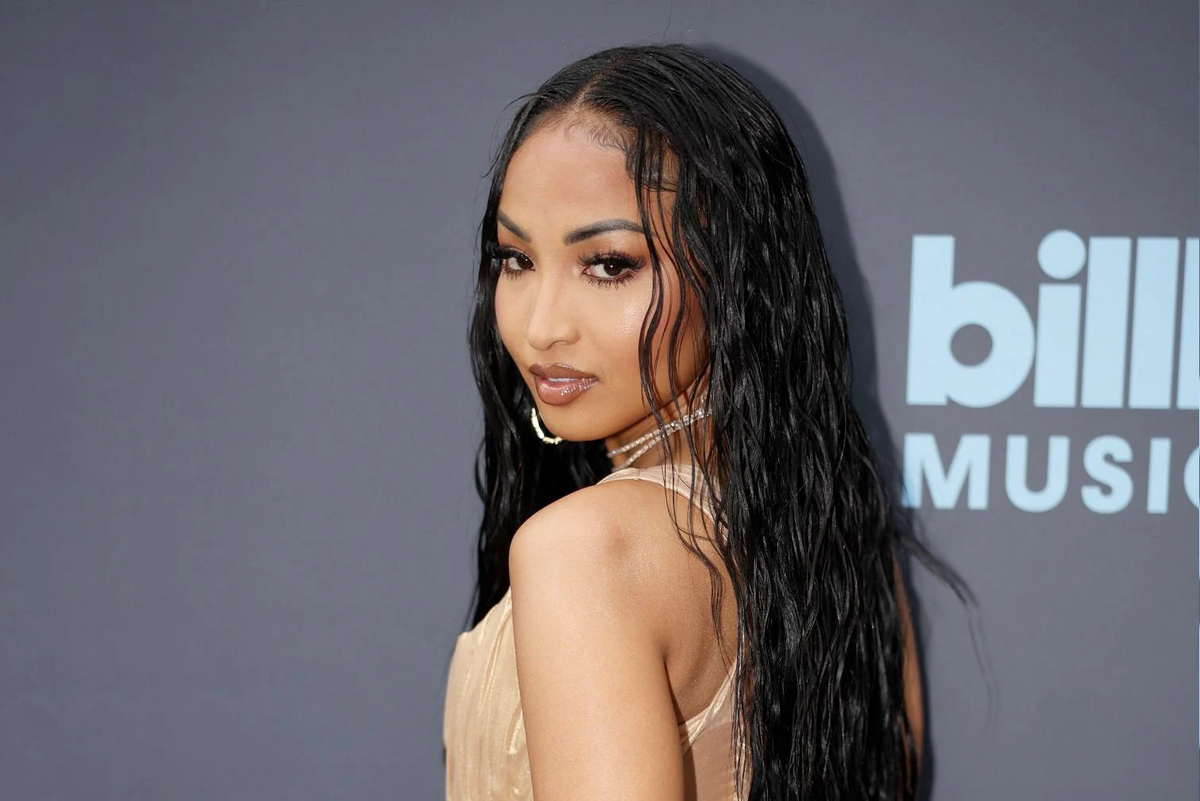
Signed to Interscope Records in 2019, she became the first female Jamaican dancehall artist to chart on the Billboard Hot 100 in 17 years with her feature on a major pop release.
Modern dancehall is a hybrid of dancehall rhythms and hip-hop and R&B beats from the United States. That hybridization is not a compromise of the genre’s identity but its most consistent historical pattern: from the original sound systems spinning American R&B, to the digital revolution triggered by a Casio keyboard, dancehall has always evolved by absorbing, transforming, and ultimately reshaping whatever it touches.
Why Dancehall Matters
Dancehall music, originating in Jamaica during the late 1970s and gaining prominence throughout the 1980s, is more than just a musical genre; it represents a socio-cultural phenomenon deeply intertwined with Jamaican identity.
Contemporary dancehall has undergone a transformation, influenced by hip-hop and absorbed by various societal classes, marking a transition toward a new form of Jamaican music rooted in the experiences of the working class.
From its origins on the sound systems of Kingston’s inner-city communities to its present position as a rhythmic blueprint for genres consuming billions of streams per year, dancehall is the story of how a marginalized community turned portable speakers, prerecorded rhythms, and the human voice into one of music history’s most enduring and far-reaching innovations.
To understand what dancehall is, is to understand a significant portion of where modern popular music came from.