
The show didn’t start until after midnight, and the reason had nothing to do with production issues. Hundreds of people without tickets tried to force their way into Jay-Z’s Yankee Stadium concert Sunday night, rushing entrances and, in some cases, breaching security entirely.
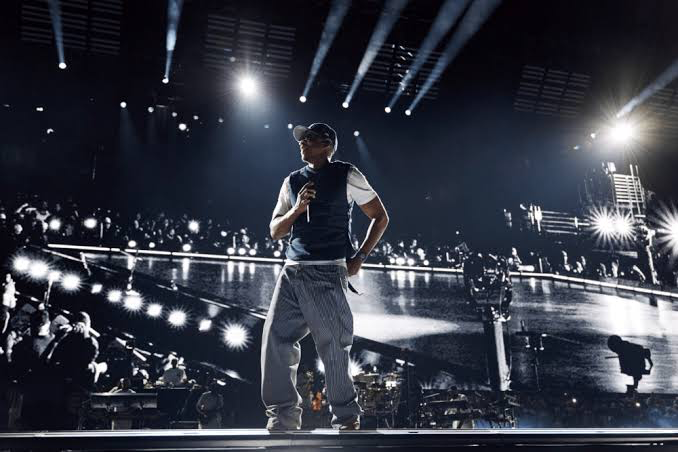
Jay-Z finally took the stage at 12:17 a.m. Monday, hours later than planned, and addressed the crowd directly. He told the audience that “somebody rushed the door” and that he refused to start performing while people risked getting trampled trying to get in.
Really sorry for the inconvenience, but I had to make sure everybody was OK,” he said, before thanking fans for their patience and promising a “good time tonight.” It was a rare moment of a headliner explaining a delay in real time, and by most accounts the crowd received it well.
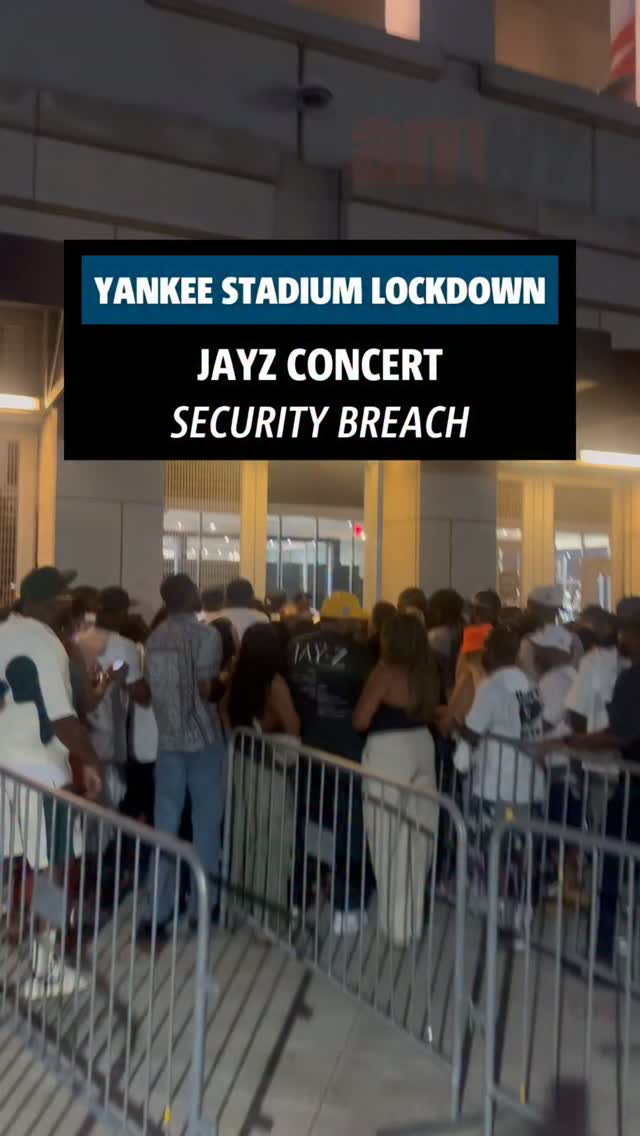
The Yankees, Roc Nation, and Live Nation put out a joint statement that didn’t soften what happened. They said hundreds of people in large groups without tickets “stormed over peaceful ticketholders” and forced the stadium to shut down entrances for an extended period before they could safely reopen them.
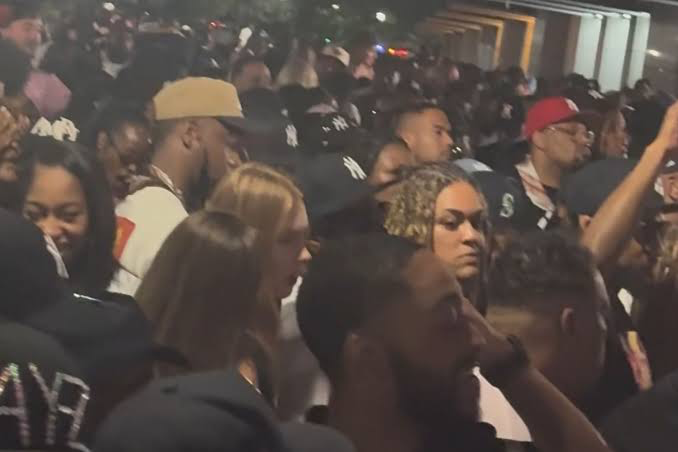
Videos circulating online told two different stories of the chaos. One showed a dense crowd packed around an entrance outside the stadium, while another filmed from inside captured people rushing through an open door before security managed to cut off the flow.
The NYPD confirmed it had no information about arrests connected to the incident, which raises its own questions about how the situation was handled and what accountability, if any, follows. For the fans who paid for their tickets and waited outside in the heat while entrances were locked down, the frustration was real and understandable.
It also puts a spotlight on the broader issue of large-scale concert security, especially at outdoor stadium events where crowd control is harder to manage than inside an arena. Roc Nation and Live Nation haven’t said anything beyond their initial statement about what changes, if any, they plan to make for future shows.
Jay-Z’s decision to hold the show rather than cancel it kept thousands of ticketed fans from going home empty-handed, and his address to the crowd seemed to land as genuine rather than performative. Still, the fact that a major stadium concert in New York City could be delayed for hours by a crowd surge at the gates is the kind of thing that doesn’t just disappear after the last song plays.
Whether this was a failure of planning, staffing, or something harder to predict is still an open question, and the people who organized the event haven’t fully answered it yet.