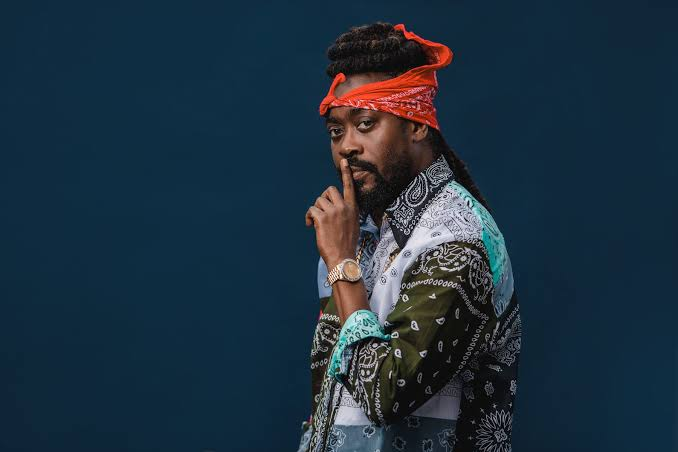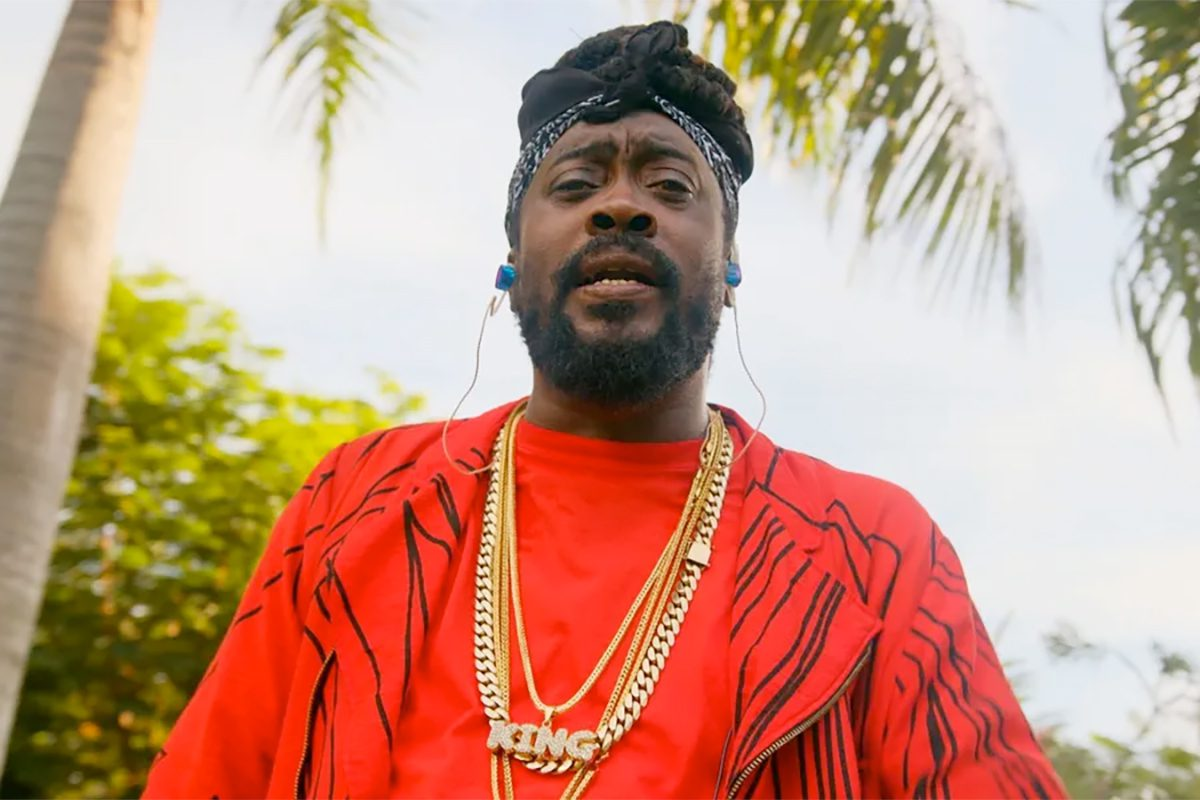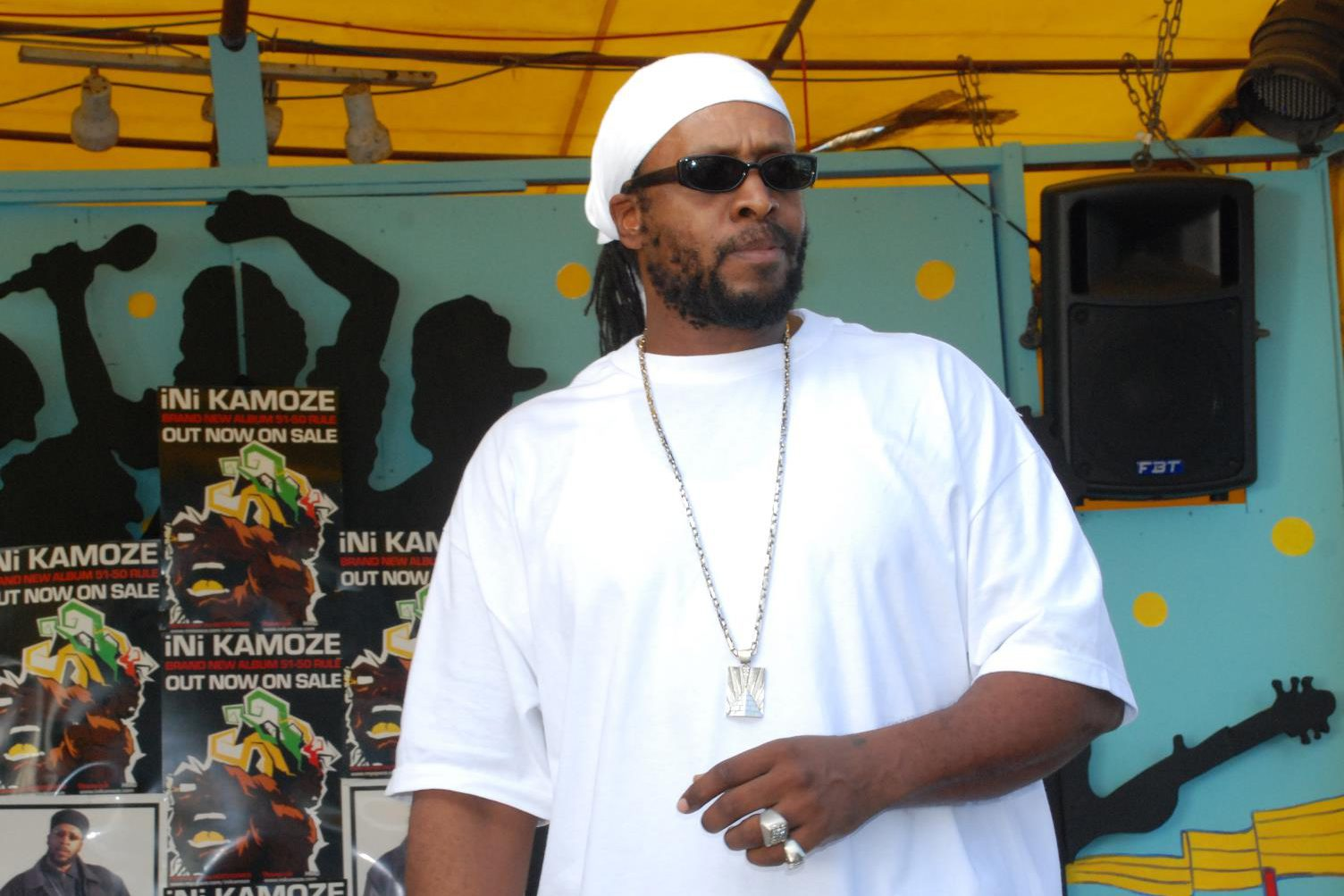

One month after Owen “Fantan Mojah” Moncrieffe died of heart complications at the University Hospital of the West Indies, the dancehall and reggae community is gathering this week to say a proper goodbye. A public viewing and thanksgiving service is taking place this morning at 11 o’clock at the University Chapel on the UWI Mona campus in Kingston, with the official family and community funeral set for this Saturday in Elderslie, St Elizabeth, where he will be buried at his family plot.
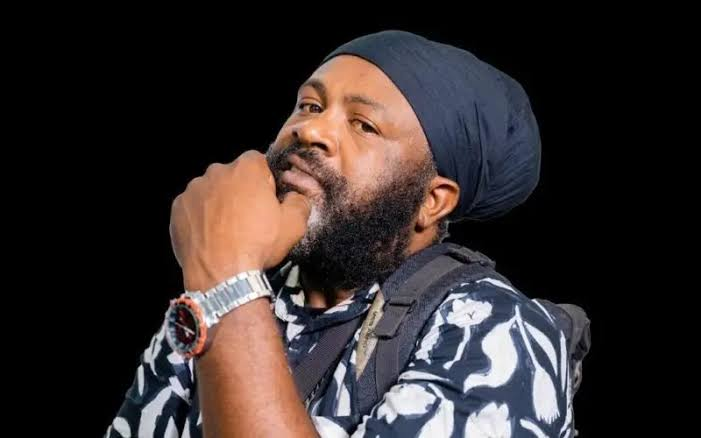
His manager, Carey James, told The Gleaner that Perry’s is handling the funeral arrangements and that “everything is in place for the programmes to run smoothly.” The Kingston service is expected to draw heavily from the entertainment fraternity, since many of Fantan’s musical peers and industry colleagues will not be able to make the trip down to St Elizabeth for Saturday’s burial.
The week’s events follow a candlelight vigil held shortly after his passing on July 14, and a tribute night last Wednesday at Rebel T HQ on Dumbarton Avenue in St Andrew. James said the idea behind that event was to give Fantan’s musical friends a space to come together, share memories, and celebrate what he contributed to Jamaican music.
Fantan Mojah was born in White Hill, St Elizabeth, on August 5, 1976, and came up the way a lot of artists from his generation did, riding sound system trucks across Jamaica and performing during sound checks. His earliest stage name was Mad Killer, a direct nod to his admiration for Bounty Killer, before his embrace of Rastafarianism brought both a new name and a new direction in his writing.
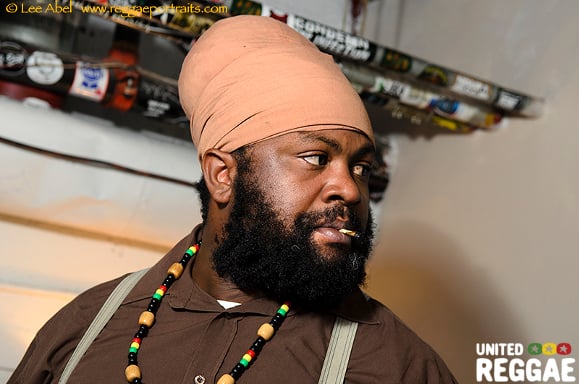
That shift shaped everything. His lyrics leaned into praise for Jah, Rastafari messaging, positive portrayals of women, and sharp criticism of corruption and loose morals. He became known for performing with a signature knapsack on his back, and that image stuck. He was later signed to Joe Bogdanovich’s Downsound Entertainment, which helped push his profile internationally.
His debut album, Hail the King, dropped in 2005 and featured singles like the title track, Nuh Build Great Man with Jah Cure, and Corruption. The project performed particularly well in Europe, leading to three consecutive European tours in 2006. Stronger followed in 2008, then the critically received dub album Rebel I Am in 2012, and later Soul Rasta and a collaborative project with Lutan Fyah called Defending the Roots.
His career was not without controversy. A 2021 single called Fire King, and its raunchy video, drew sharp criticism from fans who felt it clashed with his conscious image. Fantan pushed back firmly, saying he was simply expanding his range and reaching a broader audience, and that he had not walked away from his roots. It was a debate that split opinions at the time and never fully settled.
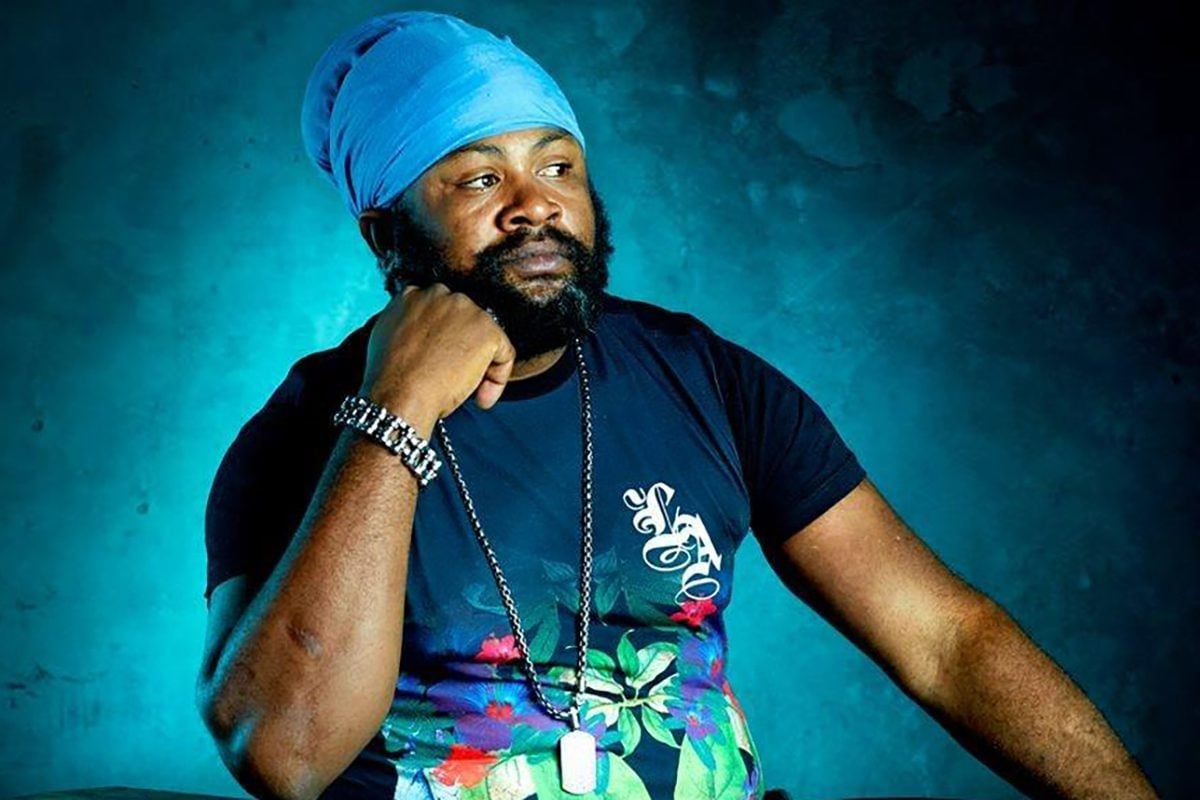
Since his death, the streaming and chart response has been telling. His 2016 album Soul Rasta climbed to No. 13 on the US iTunes Reggae charts, Stronger rose to No. 18, and Hail the King re-entered at No. 73. Listeners are clearly going back through the catalogue, and the numbers suggest a lot of people are rediscovering just how much ground he covered across nearly two decades of recording.
He was 49 years old. The community of Elderslie, where he will be laid to rest on Saturday, is the same place he came from, and that feels like the kind of detail that means something to the people who knew him best.