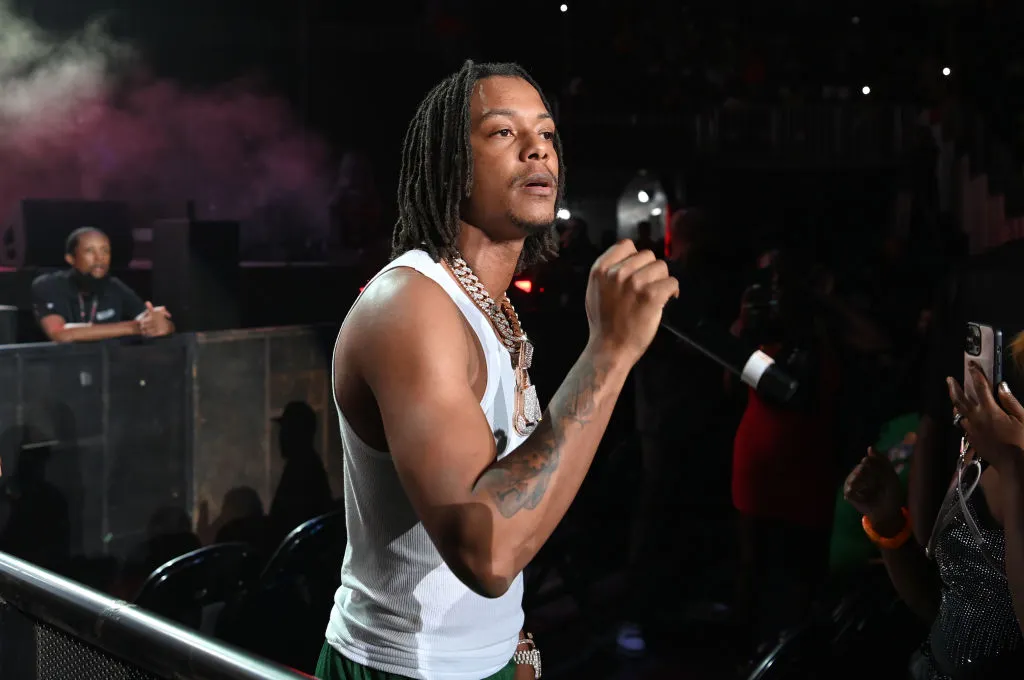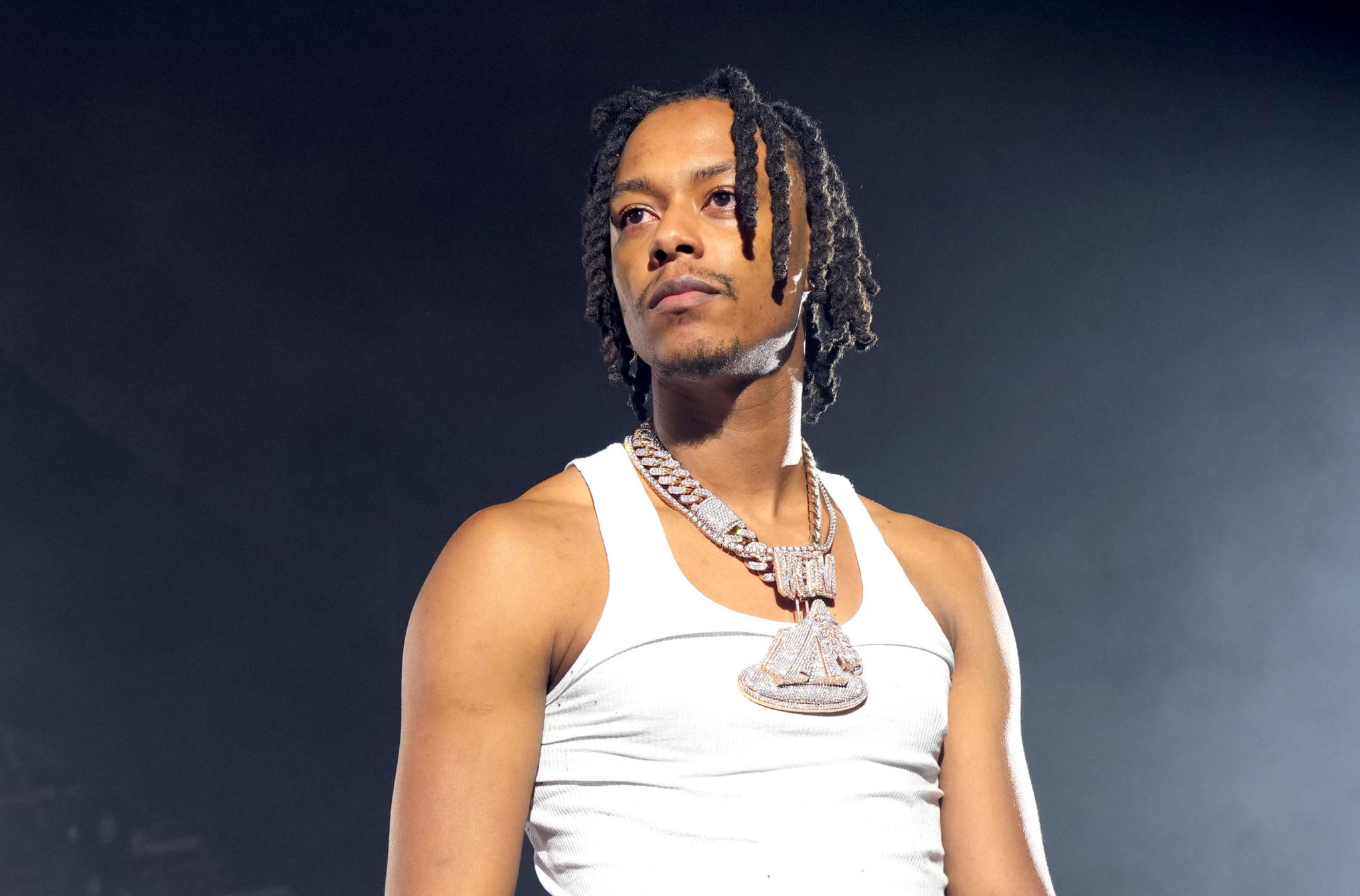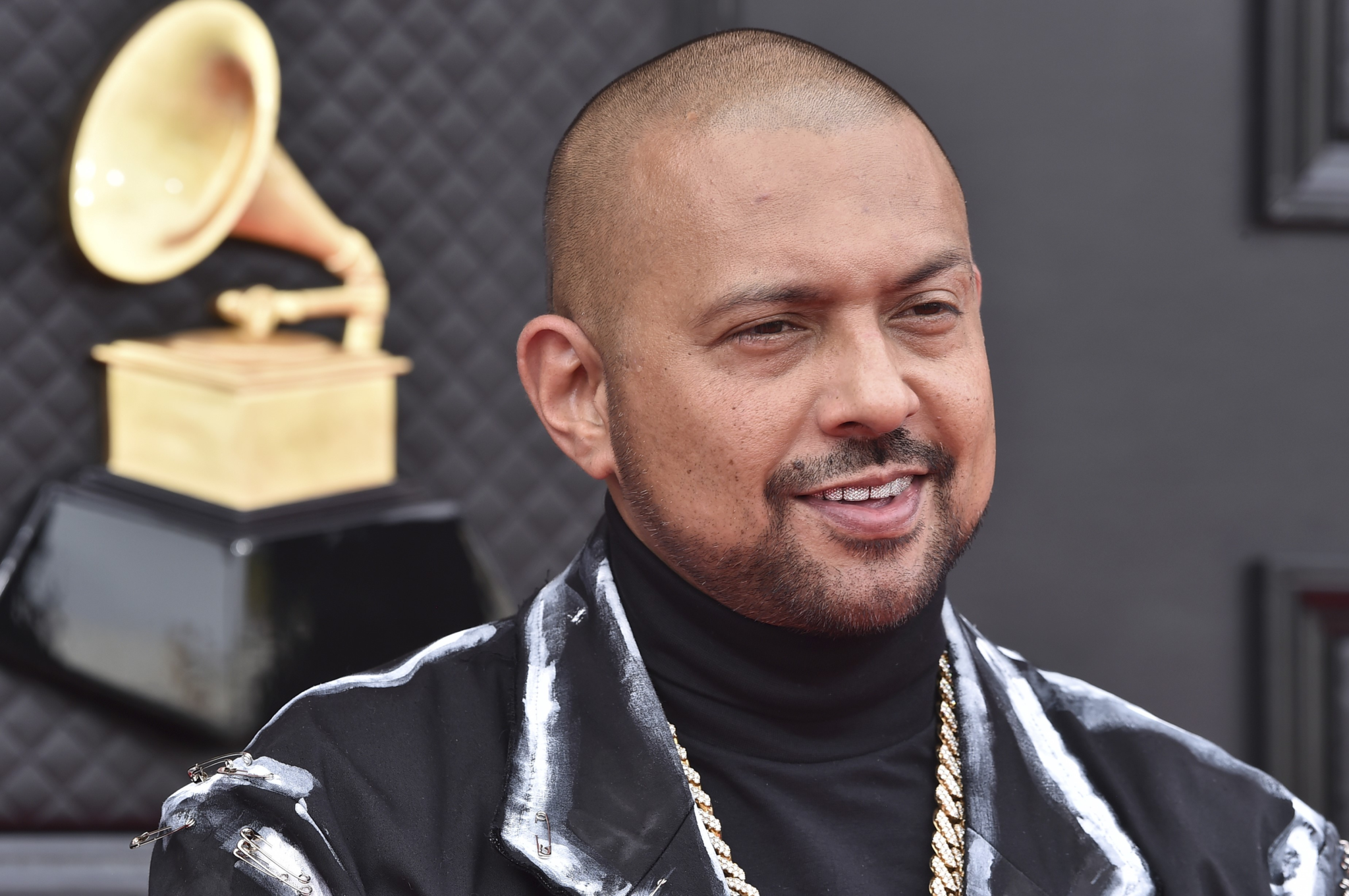


Over 20,000 Jamaicans call Lauderhill, Florida home, and this August they’re getting a celebration that actually reflects that. Marcia Griffiths and Beenie Man are headlining the 64th Jamaica Independence celebration at the Lauderhill Performing Arts Centre on August 8, and the lineup alone signals this is being taken seriously.
The event is being presented by Lauderhill Mayor Denise Grant and Commissioner John T Hodgson, both Jamaican-born, which gives the whole thing a different kind of weight.
This isn’t a city slapping a Caribbean flag on a generic summer concert. It’s two elected officials with personal ties to the island putting their names behind a cultural moment for their own community.
Mayor Grant didn’t hold back when talking about what this means. Lauderhill is home to one of the largest Jamaican diaspora communities in the United States,” she said, adding that the celebration is “cultural pride, identity, and expression for thousands of residents who carry Jamaica in their hearts.” That’s a mayor speaking from experience, not from a talking point.
The numbers back her up. Jamaicans make up 27 per cent of Lauderhill’s 75,000 residents, which is a genuinely striking figure for a Florida city. Grant described that as “a community with deep roots, economic impact, and cultural influence,” and when more than one in four people in your city share a national heritage, an independence celebration stops being niche and starts being civic.
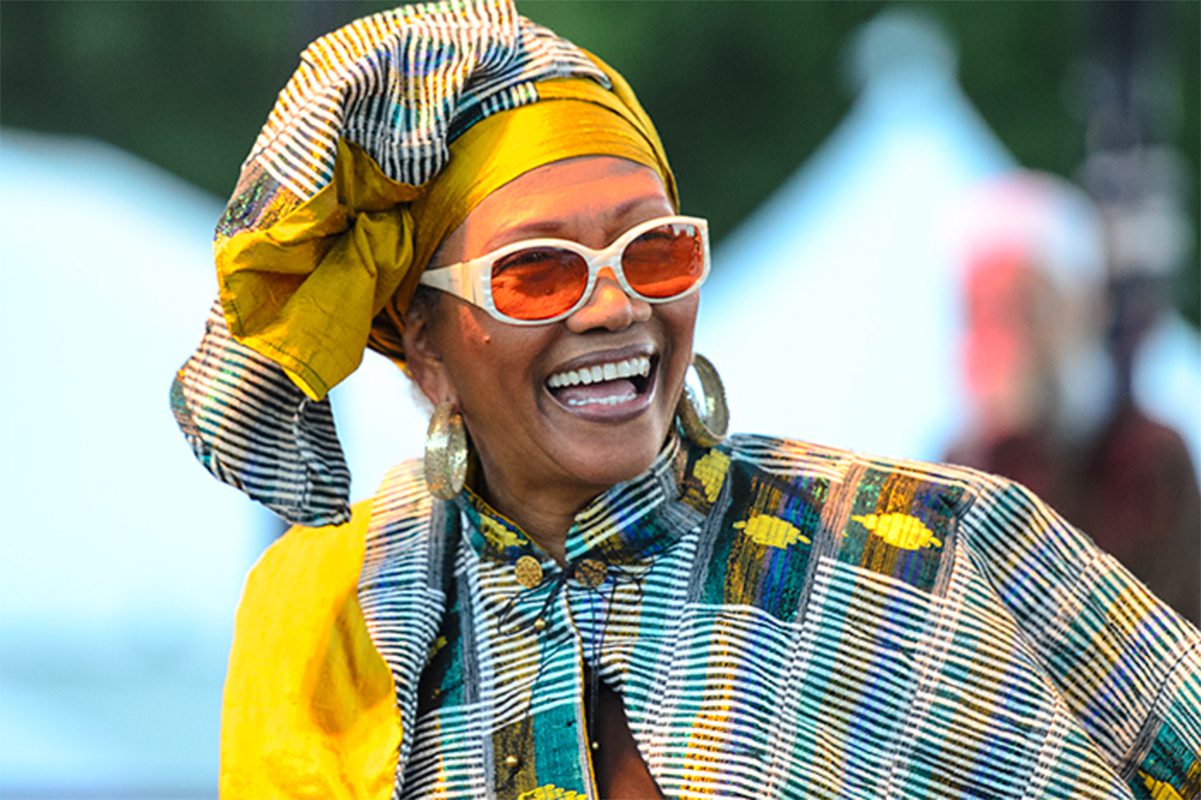
Marcia Griffiths brings serious historical credibility to the bill. She’s been a cornerstone of Jamaican music since the late 1960s, from her early rocksteady recordings through her work with Bob Marley and the Wailers, and her enduring connection to “Electric Boogie,” which became one of the most recognizable line dance tracks on the planet. Booking her for a 64th independence celebration is a deliberate nod to longevity and legacy.
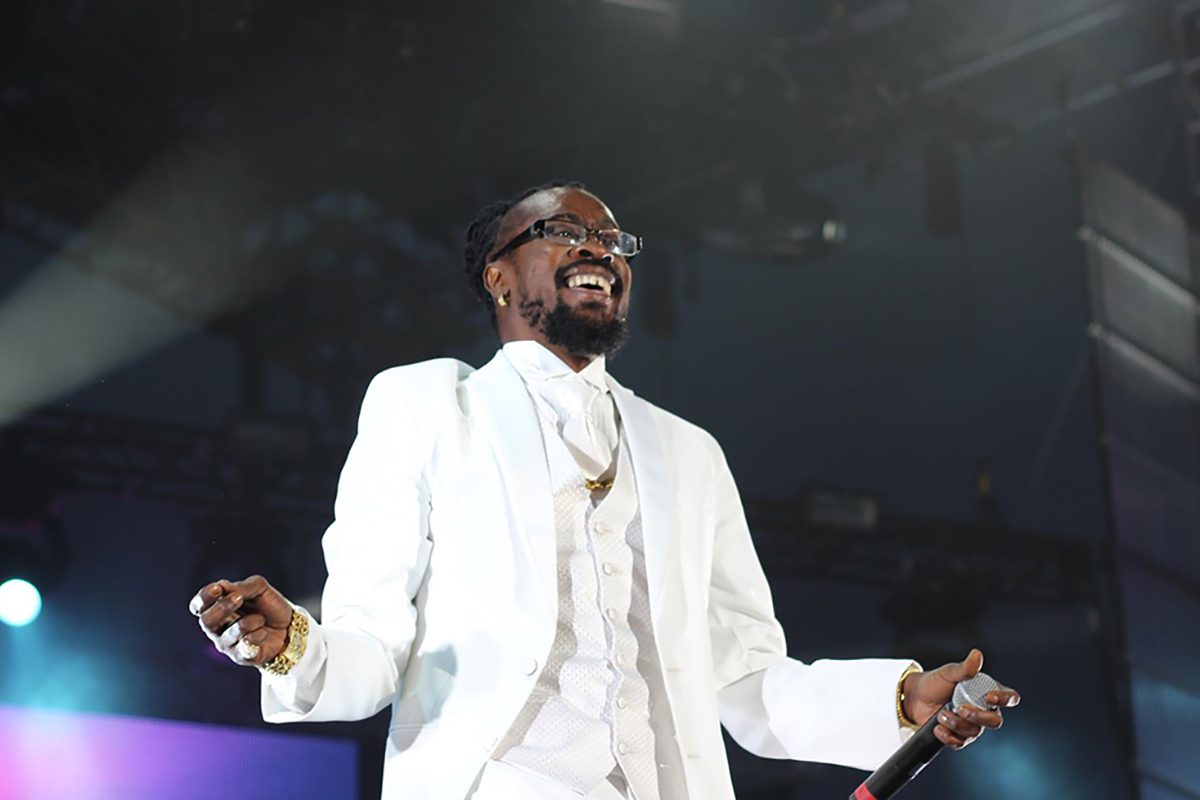
Beenie Man brings a completely different energy. The self-proclaimed “King of the Dancehall” has been a dominant force in the genre since the 1990s, racking up hits across multiple decades and maintaining a live show reputation that keeps him relevant on festival circuits well beyond Jamaica. Pairing him with Griffiths gives the night a generational range that should satisfy a crowd spanning multiple age groups.
What’s interesting is how the event frames itself, not just as a party but as an act of cultural preservation for a diaspora community. Grant’s framing of co-hosting with Hodgson as a way to “honor our heritage wherever we are” suggests the city sees this as something ongoing rather than a one-off. For a diaspora community that size, having institutional support from elected officials who share that background is a different kind of validation than a privately promoted concert.