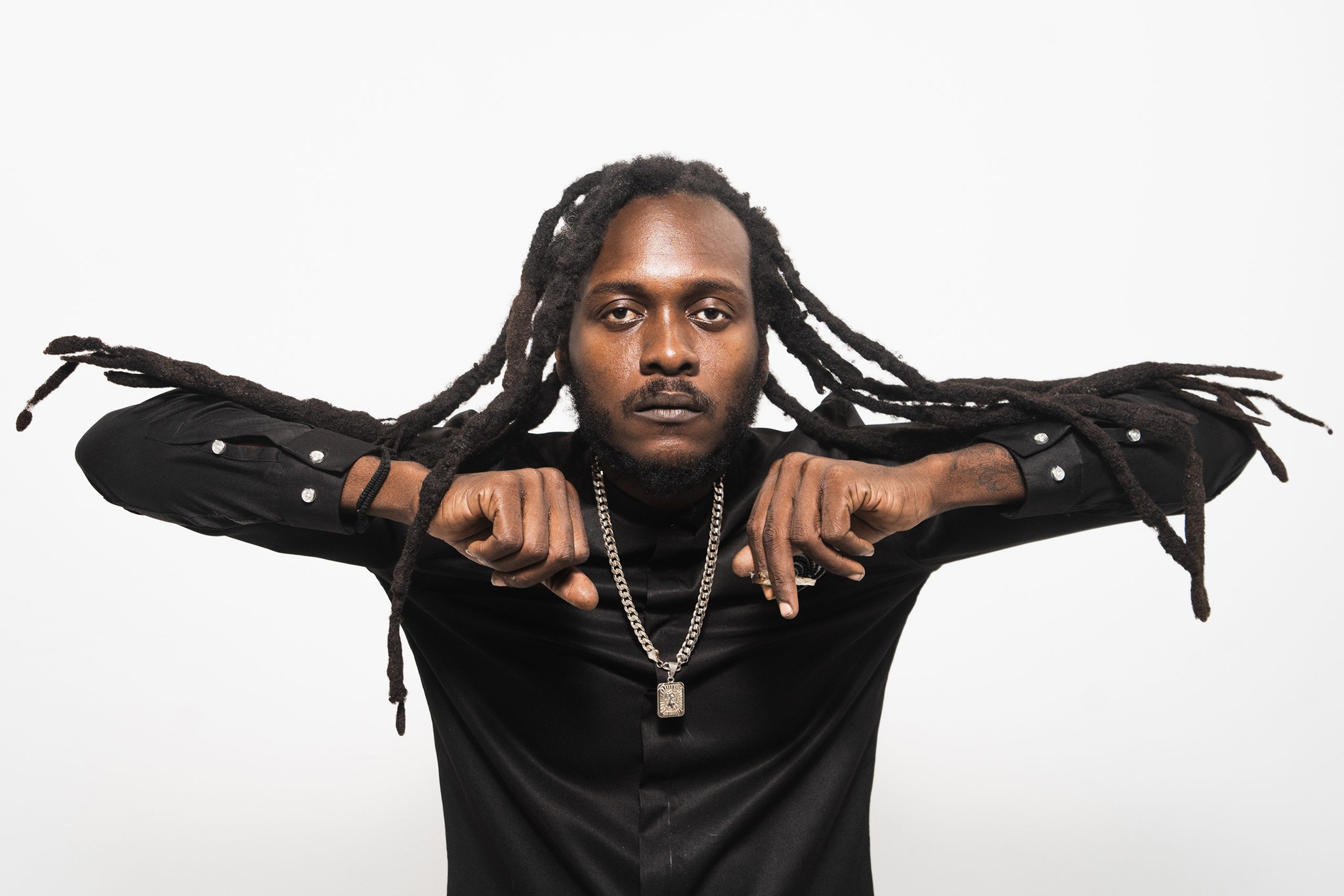

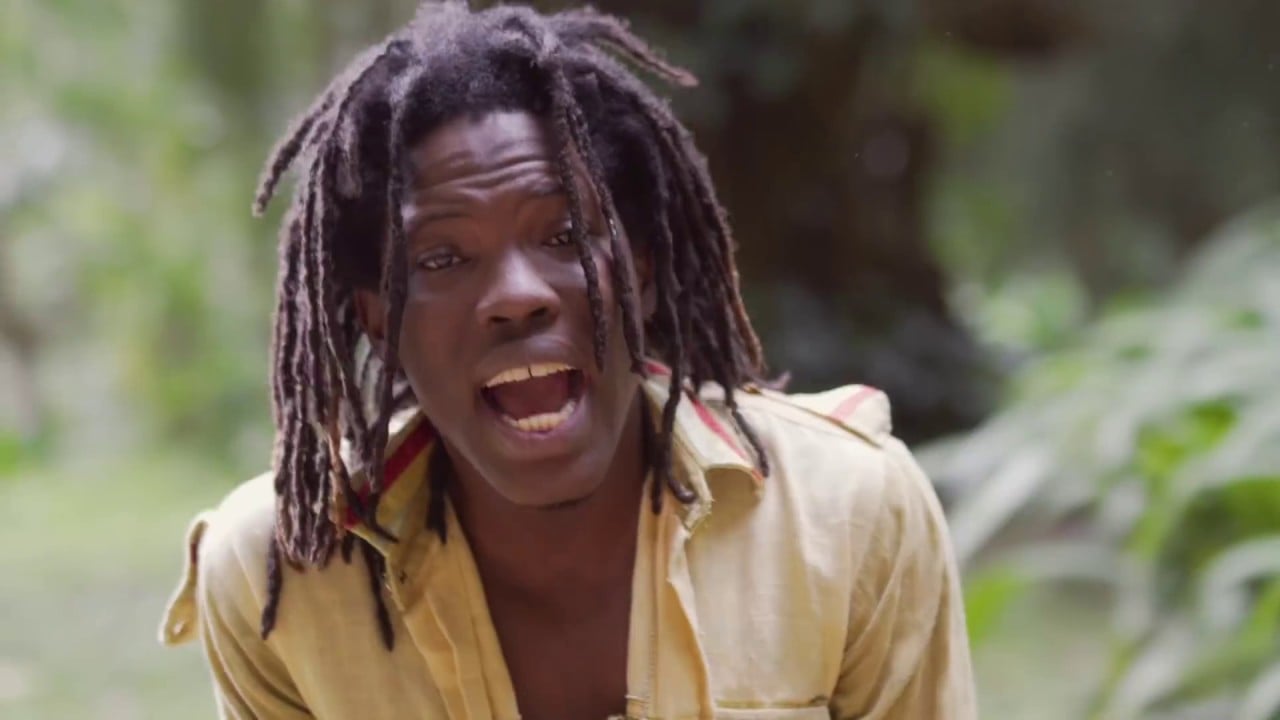
Blvk H3ro isn’t just raising an eyebrow at AI, he’s calling out what he sees as a deliberate system designed to cut artists out of their own earnings. The reggae singer went public on social media after discovering that roughly 77 of his songs are reportedly sitting inside data files being used to train artificial intelligence models.
What makes his statement sharper than a standard complaint is the specific accusation he’s making. He’s not just saying his music was taken without permission, he’s claiming that algorithms are being actively manipulated so that companies can justify paying real artists less money over time.
That framing puts a different spin on the conversation. It shifts the debate from accidental oversight to something that looks a lot more calculated, and it’s the kind of language that tends to get other artists paying attention.
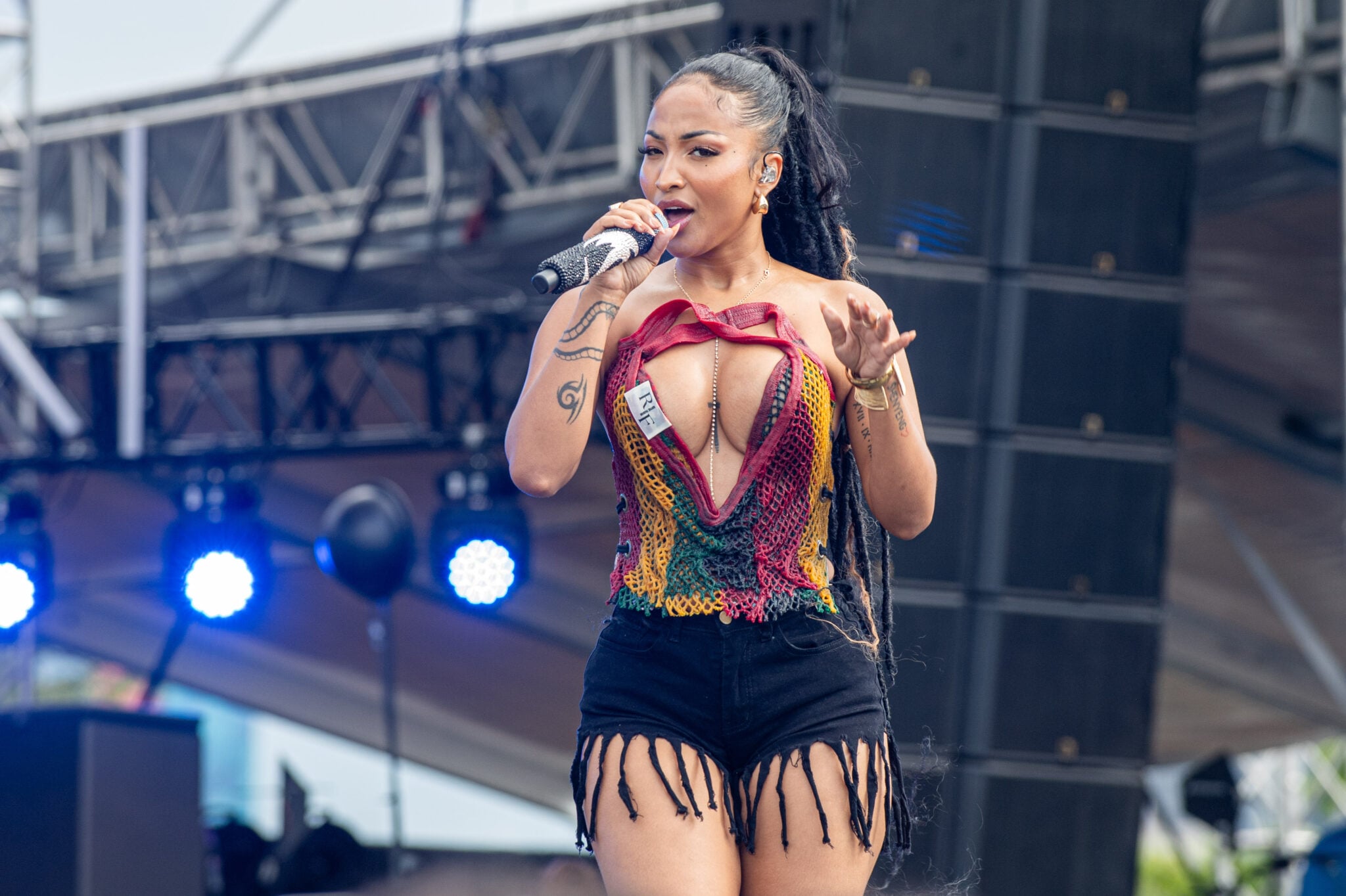
Blvk H3ro isn’t alone in this. American R&B artist SZA recently went through something similar after finding out that an AI database had pulled in 238 of her songs, including unreleased tracks she never put out publicly. The fact that unreleased material ended up in these systems has rattled a lot of people in the industry, because it suggests the reach goes well beyond what’s publicly available on streaming platforms.
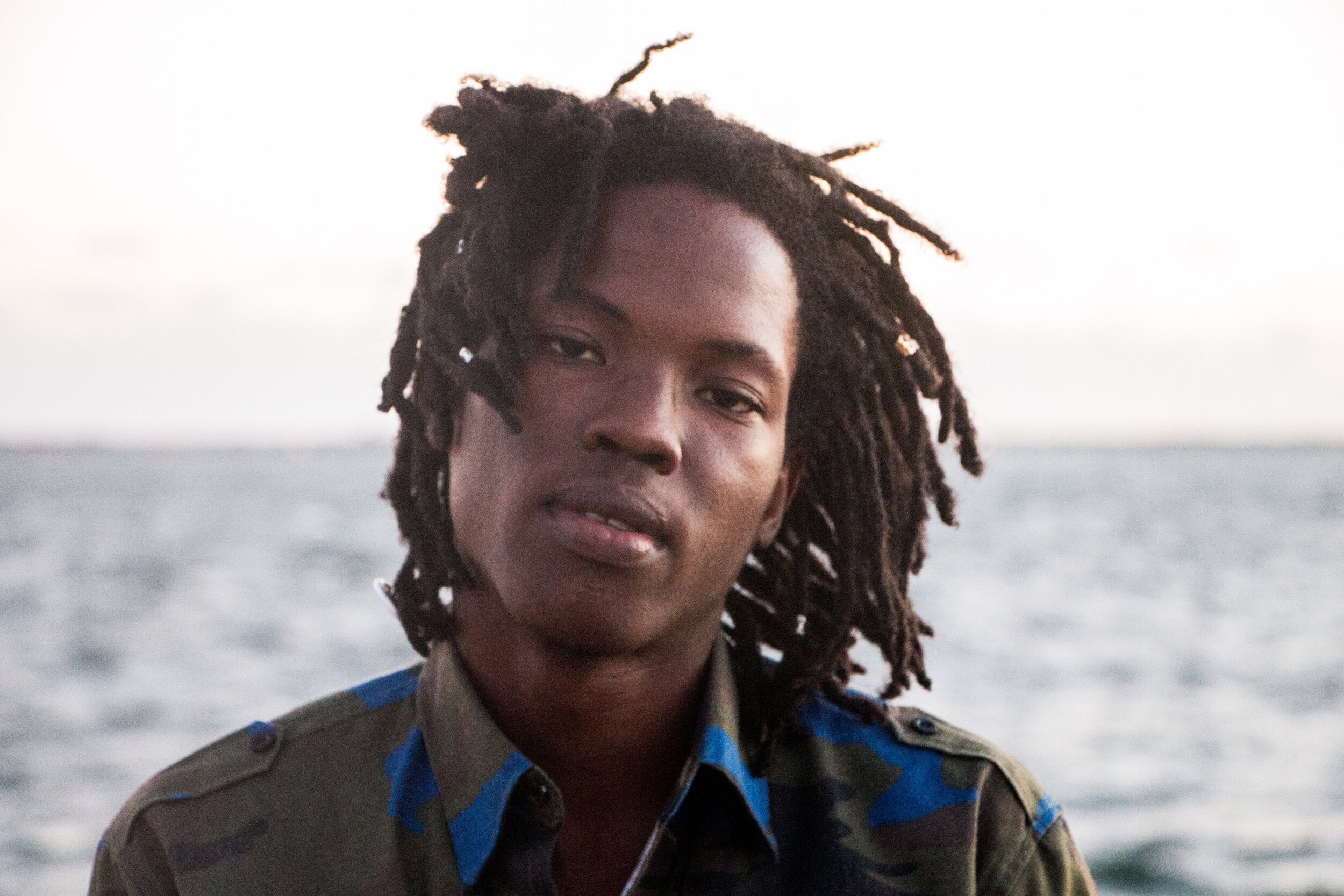
For reggae and dancehall artists specifically, this conversation carries extra weight. These are genres with deep cultural roots and communities that have historically had to fight harder to protect their creative output from being absorbed and repackaged without proper credit or compensation. Seeing a respected voice like Blvk H3ro step forward adds a layer to the discourse that goes beyond the mainstream pop and R&B world where most of the AI headlines have been focused.
The wider industry debate around generative AI and intellectual property has been building for a while now, but individual artists speaking out with specific numbers tends to cut through in a way that broader policy discussions don’t. When someone says 77 songs, that’s not abstract, that’s a catalogue built over years of work.
There’s also a practical concern underneath all of this that doesn’t get enough attention. If AI systems are trained on an artist’s style, vocal patterns, and production choices, the output can start to mimic that artist closely enough to compete with them commercially. That’s a different kind of threat than sampling or plagiarism, and the legal frameworks to deal with it are still catching up.
Some corners of the industry have pushed back on the alarm, arguing that AI tools can open new creative doors for artists who choose to use them on their own terms. That’s a fair point, but it sidesteps what Blvk H3ro and others are actually describing, which is use without consent, not collaboration.
With more artists starting to audit where their music is showing up and what it’s being used for, the pressure on AI companies and the platforms that host this data is only going to grow.