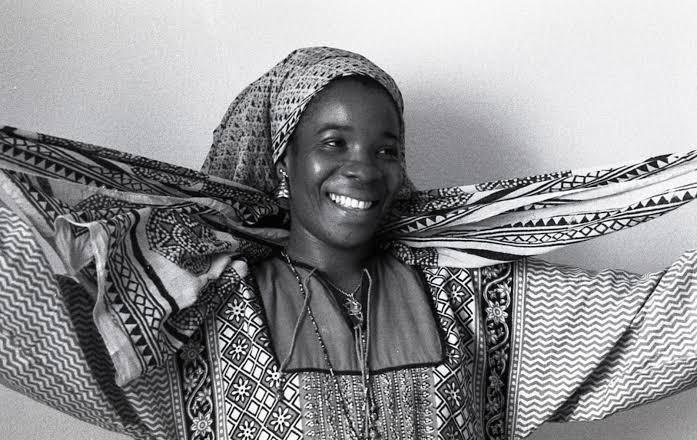

Long before the world knew her as the keeper of the flame, Alfarita Constantia Anderson was a very dark-skinned girl in Trench Town whom other children taunted as “blackie tootus.”
The Rita Marley story begins in those yards and lanes, the same ground that gave Jamaican music its heartbeat.
It runs through harmony microphones and a night of gunfire at 56 Hope Road, and through a solo career of her own.
It ends, for now, with four decades spent turning her husband’s catalogue into a global institution.
This year she turned 80, and the tributes have kept coming. Lauryn Hill used a magazine cover to salute her, and her daughter Cedella wrote about her mother’s life.
The question keeps returning: who is Rita Marley beyond the widow in the photographs? Here is her life, told in the order she lived it.
Cuba to Trench Town
Rita was born on 25 July 1946 in Santiago de Cuba to Leroy Anderson and Cynthia “Beda” Jarrett.
In her memoir she recalls that her Aunt Viola raised her after her parents separated. From an early age, home was Trench Town.
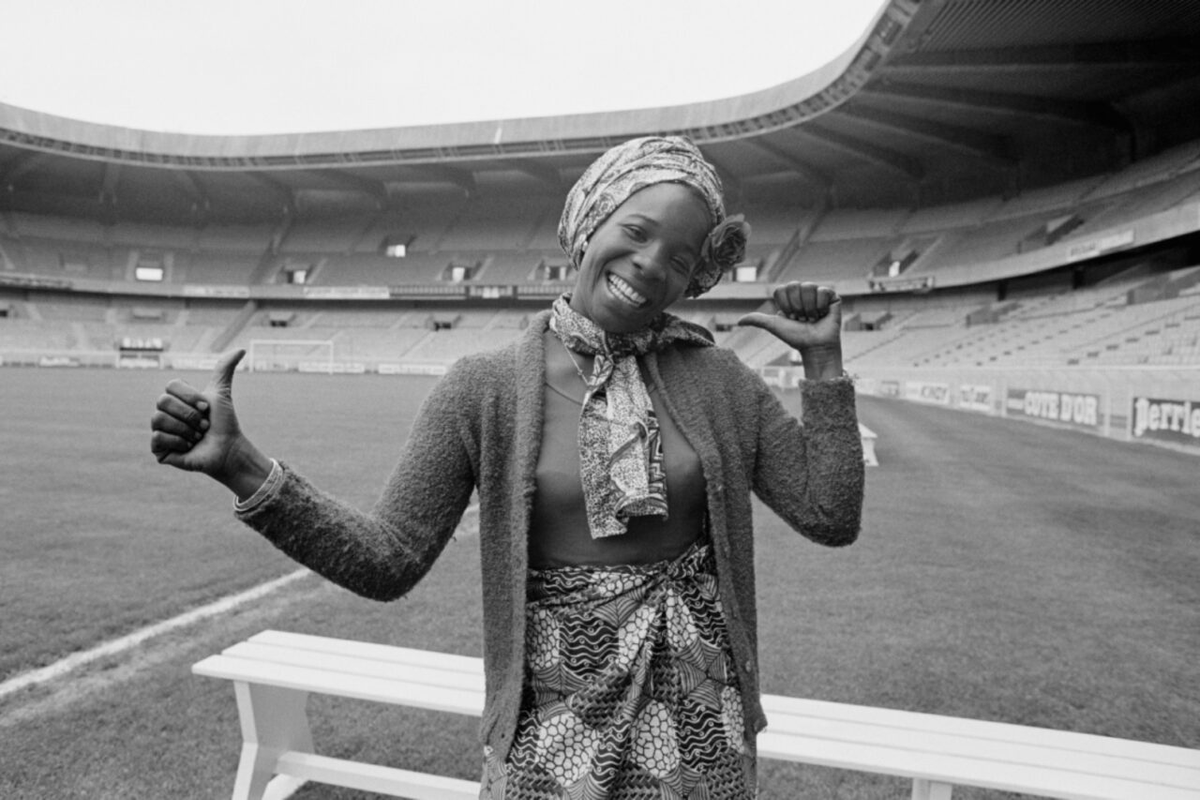
The first chapter of that memoir is titled “Trench Town Rock,” and it does not spare the hurt of the “blackie tootus” taunts.
Scholar Carolyn Cooper has argued that the insult pushed young Rita to define her own identity rather than accept the one handed to her. That instinct for self-definition would carry her through everything that followed.
The Soulettes and Studio One
Her music career began in the early 1960s as a vocalist with The Soulettes, an all-female group that shared bills with acts including the Four Tops and Johnny Nash. She recorded at Studio One, where a young Bob Marley coached her.
Their professional bond became a personal one. Her daughter Sharon was born on 23 November 1964, and Bob would later adopt her.
Rita and Bob married around February 1966, just before he left for Wilmington, Delaware, to find work.
The Wailers did not stop while he was gone. Rita’s cousin Constantine “Vision” Walker stepped in for Bob, with Rita singing harmonies.
A few Rita-led recordings from that Wailers period, “Lonely Girl” and a duet with Bob called “Milk Shake and Potato Chips,” stayed in the vaults for decades before surfacing on a box set in 2003.
Building the I-Threes
By the early 1970s the Wailers had become the first reggae act with an international record contract, and they needed a sound to match the ambition.
Rita and Bob developed the I-Threes as the band’s harmony section, with Rita joined by Marcia Griffiths and Judy Mowatt.
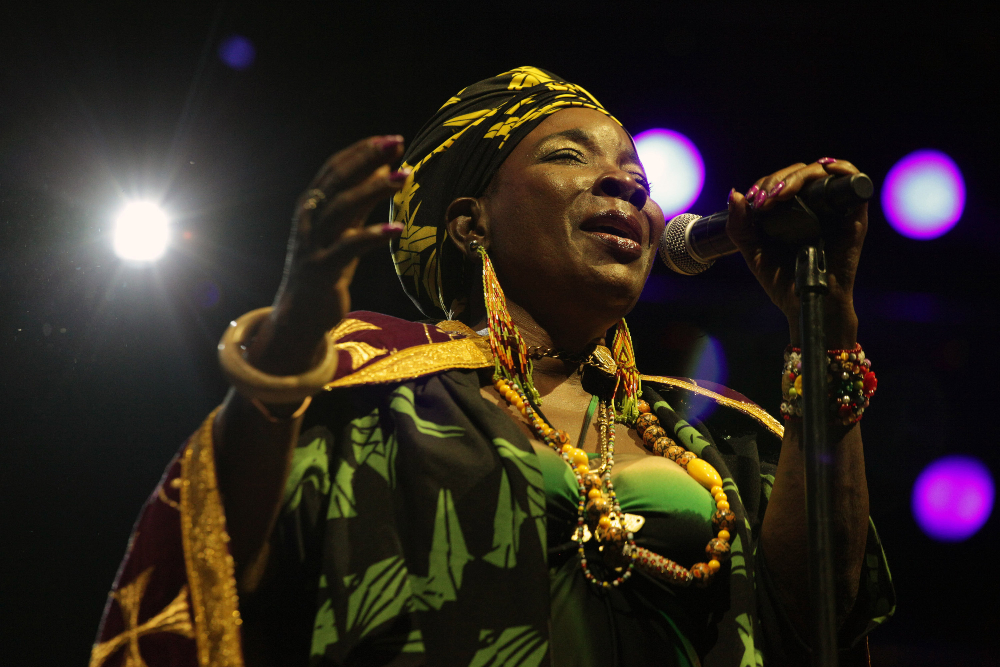
The trio first appears on record with Bob Marley and the Wailers on Natty Dread in 1974. From then on, their voices became the warm, prayerful cushion beneath Bob’s lead.
The I-Threes toured the world with the Wailers, including a stop in newly independent Zimbabwe. All three women went on to important solo careers. Rita’s faith deepened along the way.
Explaining her embrace of Rastafari to Carolyn Cooper, she put it plainly: “it wasn’t just about smoking herb.”
The Night at Hope Road
On 3 December 1976, two days before the Smile Jamaica concert, gunmen attacked the Marley home at 56 Hope Road.
Bob was shot in the arm, manager Don Taylor was wounded, and a bullet grazed Rita’s head.
Two nights later Bob took the stage anyway, and Rita stood beside him. In late 1976 Bob, the Wailers and the I-Threes relocated to London, a move that would shape the next chapter of the music.
A Complicated Marriage
Rita has six children: Sharon, Cedella, David (Ziggy), Stephen, Stephanie and Serita.
Three are hers with Bob, three come from other relationships, and Bob adopted two of them, who carry the Marley name. The marriage was never simple.
Bob had relationships with other women, among them Cindy Breakspeare, who gave birth to Damian in 1978. Still, he stayed married to Rita until his death.
Her 2001 memoir, No Woman, No Cry: My Life with Bob Marley, written with Hettie Jones, revisits the near-fatal assault and her life in Rastafari.
It also describes a bond that had become more confidant, friend and business partner than husband and wife.
Her tenderness never left, though. “All memories with my husband are treasured,” she told the Sunday Gleaner in 2021.
Finding Her Own Voice
In 1981 Rita released her debut solo album, Who Feels It Knows It. That same year Bob died of cancer at just 36. She carried on with Harambe and We Must Carry On, the latter earning a Grammy nomination.
As early as 1983 she was telling Carolyn Cooper what the solo work meant to her: “So I also hear my voice, I also hear me.”
She was never only a frontwoman. Veteran producer Clive Hunt has called her “the real executive producer” at Tuff Gong. He also remembered a woman who would still ask to sing back-up vocals on other people’s sessions.
Guardian of the Legacy
Bob left no will, and the years after his death brought disputes with former Wailers. Rita kept building.
In 1986 she converted the Hope Road house, the scene of the shooting, into the Bob Marley Museum. The Gleaner has since placed it among Kingston’s top five tourist destinations.
She founded and chairs the Robert Marley Foundation, the Bob Marley Trust and the Bob Marley Group of Companies.
As one longtime associate, Vaz, told the Gleaner: “I don’t think we would have the kind of Bob Marley legacy that we have today” without her work.
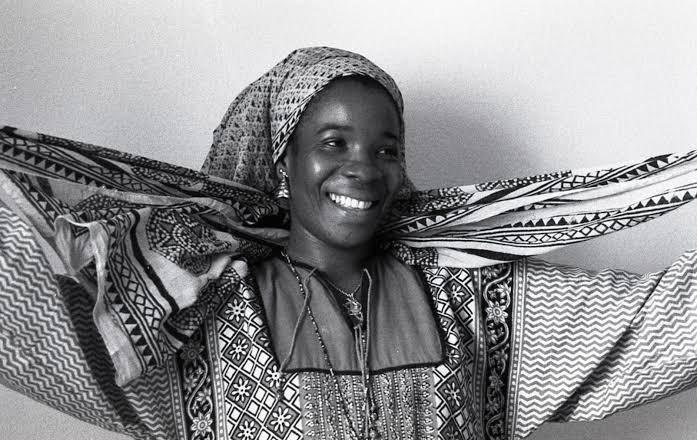
Her own Rita Marley Foundation focuses on poverty alleviation in less-developed countries.
It awards the Merline Heholt scholarship, launched a new endowment in March 2026, and opened its 2026 scholarship applications in July.
Her health has been a recurring concern since a health event in September 2016.
In January 2021 a false death rumour spread online until Cedella posted a video of her mother, alive. Academic Donna Hope called it “about the third time” people had tried to kill her off.
Thank You Jah 80
On 25 July 2026, Rita turned 80. The Bob and Rita Marley foundations marked the day with a celebration themed “Thank You Jah 80.”
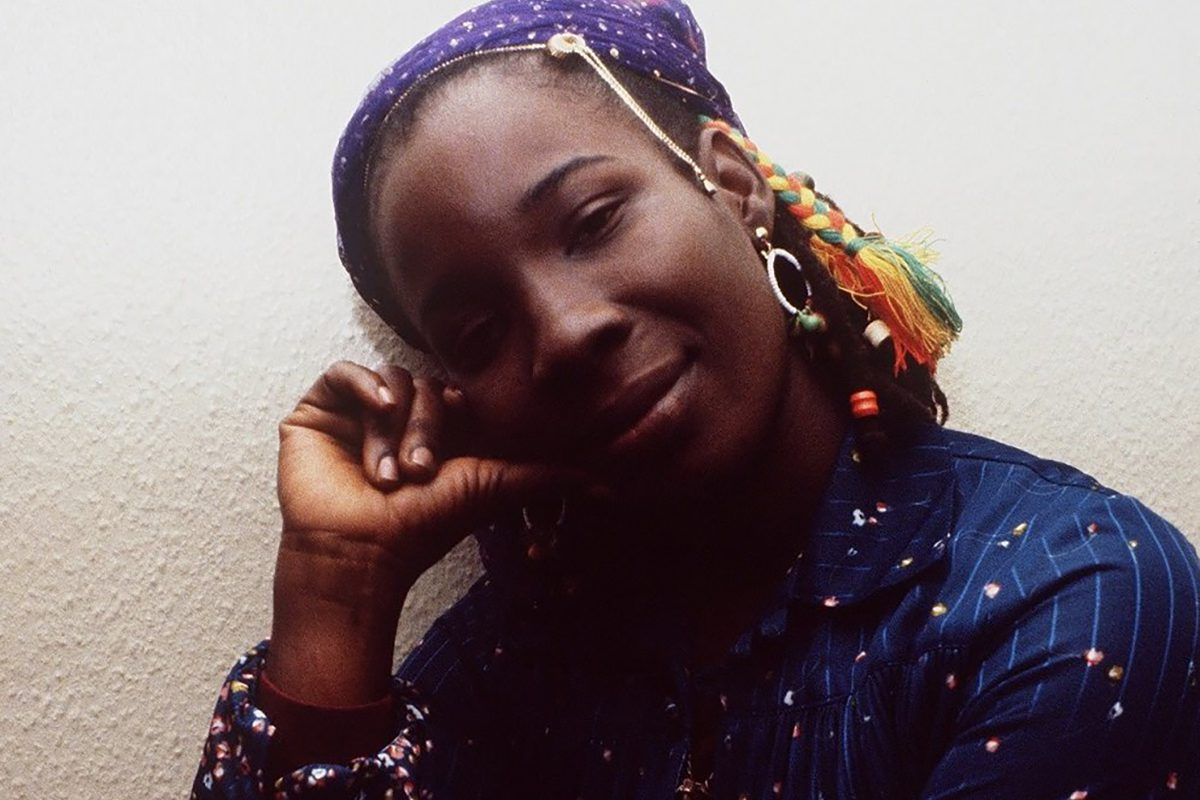
It began at 6:30 am with a wellness event at the Bob Marley Museum and continued with a concert, presented in partnership with the JCDC, featuring the 2026 Festival Song Competition finalists. “We celebrate mommy every day,” Cedella said.
In November, Lauryn Hill and Cedella shared the cover of CLASH Issue 135. Hill used her feature to honour Rita, who she said “refused to let the message die.” Cedella contributed an essay on her mother’s life.
The Woman Behind the Harmony
Rita Marley has been a Soulette, a Wailer stand-in harmony, a founding I-Three, a solo artist, a survivor of gunfire and the architect of an empire.
Yet she has always resisted the pedestal. “I’m not a star,” she told the Gleaner in 2008. “I’m a mother, a sister and a woman.”
That modesty hides how much of reggae’s global story runs through her hands.
The museum on Hope Road, the foundations, the children carrying the music forward and the message Bob sang all owe something to her steadiness.
At 80, the girl from Trench Town who decided who she would be remains the quiet centre of the Marley universe. She stands in the background, as ever, holding the harmony together.